
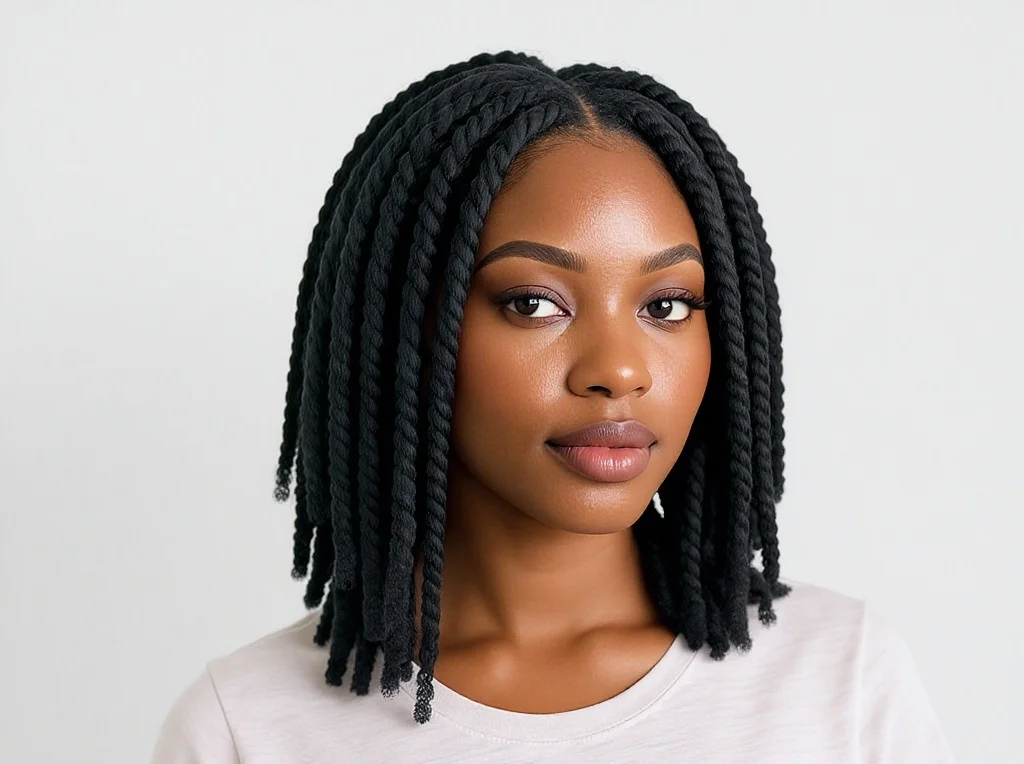
Protective Hairstyles: Embrace Healthy Hair Trends and Beyond
Protective hairstyles have long been a cornerstone of healthy hair care, particularly for individuals with textured hair. Beyond their aesthetic appeal, these styles serve a crucial purpose: to minimize manipulation, reduce breakage, and promote length retention. In an era where hair health is increasingly prioritized, understanding the nuances of protective styling is more relevant than ever.

The Philosophy Behind Protective Styling
At its core, protective styling is about safeguarding the hair from environmental stressors and daily wear and tear. Our hair, especially when curly or coily, is susceptible to damage from friction, excessive heat, and harsh weather conditions. By tucking away the ends and reducing direct exposure, protective styles create a shield, allowing the hair to rest and flourish. This approach is not merely a trend but a time-honored practice rooted in diverse cultural traditions, now embraced globally for its undeniable benefits.

Key Benefits of Protective Hairstyles
Protective hairstyles offer a multitude of advantages that contribute significantly to overall hair health and growth. These benefits extend beyond just preventing damage and include:
1. Reduced Breakage and Split Ends
One of the primary reasons individuals opt for protective styles is to combat breakage. Constant styling, brushing, and exposure to elements can lead to weakened strands and split ends. By keeping the hair tucked away, protective styles minimize physical manipulation, thereby reducing friction and the likelihood of breakage. This allows the hair to retain its length and strength.

2. Moisture Retention
Moisture is vital for healthy hair, particularly for textured hair types that tend to be drier. Protective styles help to seal in moisture, preventing it from evaporating as quickly. When hair is braided, twisted, or loc’d, the surface area exposed to the air is reduced, which in turn helps the hair to stay hydrated for longer periods. This is crucial for maintaining elasticity and preventing dryness and brittleness.

3. Promotion of Hair Growth
While protective styles don’t directly make hair grow faster, they create an optimal environment for growth by preventing breakage. When hair is protected, the rate of breakage is significantly reduced, allowing the hair to reach its full growth potential. This leads to noticeable length retention over time, giving the appearance of increased growth.
4. Low Maintenance and Time-Saving
Once installed, many protective styles require minimal daily styling, freeing up valuable time. This convenience is a major draw for many, as it reduces the daily effort and time spent on hair care routines. It also means less heat styling and product application, further contributing to hair health.
5. Versatility and Style
Beyond their protective qualities, these hairstyles are incredibly versatile and fashionable. From intricate braids to elegant updos, there’s a protective style to suit every occasion and personal aesthetic. They allow for creative expression while simultaneously caring for the hair underneath.
Popular Types of Protective Hairstyles
The world of protective hairstyles is rich and diverse, offering a wide array of options. Some of the most popular and effective styles include:
Braids
Braids are perhaps the most iconic form of protective styling. They involve interweaving three or more strands of hair to create a secure and compact structure.

Box Braids
Individual braids that are typically square-shaped at the base. They can vary in size and length and are known for their longevity and versatility.

Knotless Braids
A newer technique where the braid starts with natural hair before adding extensions, resulting in a flatter, more natural-looking base and less tension on the scalp.

Cornrows
Braids that are woven flat against the scalp in rows. They can be styled in intricate patterns and often serve as a base for other protective styles like weaves or wigs.

Goddess Braids
Thicker, larger cornrows that often incorporate loose hair or curls within the braid for a softer, more romantic look.

Twists
Twists involve coiling two strands of hair around each other, offering a softer alternative to braids.
Two-Strand Twists
The simplest form, where two sections of hair are twisted together from root to tip. Can be done on natural hair or with extensions.

Senegalese Twists
Smooth, rope-like twists created by wrapping Kanekalon hair around natural hair.

Marley Twists
Created using Marley hair, which has a kinky, coarse texture, giving a more natural and voluminous look.

Locs and Faux Locs
Locs are a permanent protective style formed by matting or coiling hair into rope-like strands. Faux locs offer a temporary alternative.
Traditional Locs
A long-term commitment where hair is matted and coiled to form permanent locs. They require specific maintenance to keep them healthy.

Faux Locs
Temporary locs created by wrapping hair extensions around natural hair. They provide the look of locs without the long-term commitment.

Wigs and Weaves
Wigs and weaves offer ultimate protection by completely covering the natural hair, allowing it to rest and grow underneath.
Wigs
Full hairpieces that can be worn over cornrowed or flattened natural hair. They offer immense versatility in style and color without altering natural hair.

Weaves
Hair extensions sewn onto cornrowed natural hair. They provide added length and volume while protecting the natural hair underneath.

Buns and Updos
Simple buns and updos can also serve as protective styles when the ends are tucked away and the style is not too tight.
Chignons
A classic, elegant bun typically worn at the nape of the neck.

Pineapple Updo
A loose, high ponytail or bun that gathers hair at the top of the head, often used to preserve curls overnight.

Maintaining Protective Hairstyles for Optimal Health
While protective styles reduce daily manipulation, they still require proper care to ensure hair health. Neglecting maintenance can lead to issues like dryness, product buildup, and even damage.
1. Keep Scalp Clean and Moisturized
Even with protective styles, the scalp needs attention. Use a diluted shampoo or a scalp cleanser with an applicator bottle to clean the scalp without disturbing the style. Follow up with a light, non-greasy oil or leave-in conditioner to keep the scalp moisturized and prevent itching.

2. Moisturize Your Hair
Although hair is tucked away, it still needs moisture. Use a leave-in conditioner or a moisturizing spray to hydrate your braids, twists, or locs. Focus on the ends and any exposed hair. This helps to maintain elasticity and prevent dryness.
3. Protect at Night
Sleeping on a satin or silk pillowcase or wearing a satin bonnet or scarf is crucial. This reduces friction between your hair and rough cotton surfaces, preventing frizz and moisture loss.

4. Don’t Keep Styles in Too Long
While protective styles are designed for longevity, keeping them in for excessive periods (typically beyond 6-8 weeks) can lead to product buildup, matting, and tension on the hair and scalp. It’s essential to give your hair and scalp a break between styles.
5. Avoid Excessive Tension
Ensure that your protective style is not installed too tightly. Excessive tension can lead to traction alopecia, a form of hair loss caused by constant pulling on the hair follicles. Communicate with your stylist if you feel any discomfort during the installation process.
6. Gentle Take-Down
The take-down process is just as important as the installation. Be patient and gentle when removing protective styles. Use a detangling conditioner or oil to loosen any buildup and carefully detangle sections of hair to minimize breakage.

Conclusion
Protective hairstyles are more than just a fashion statement; they are a vital component of a healthy hair care regimen, particularly for those seeking to minimize damage and promote growth. By understanding the benefits, exploring the diverse range of styles available, and committing to proper maintenance, individuals can truly embrace these trends and beyond, ensuring their hair remains vibrant, strong, and healthy. The journey to healthy hair is continuous, and protective styling offers a powerful tool to support that journey, allowing hair to flourish in its natural beauty while being shielded from the rigors of daily life.


