
How to Stop Hair Color from Fading in the Sun
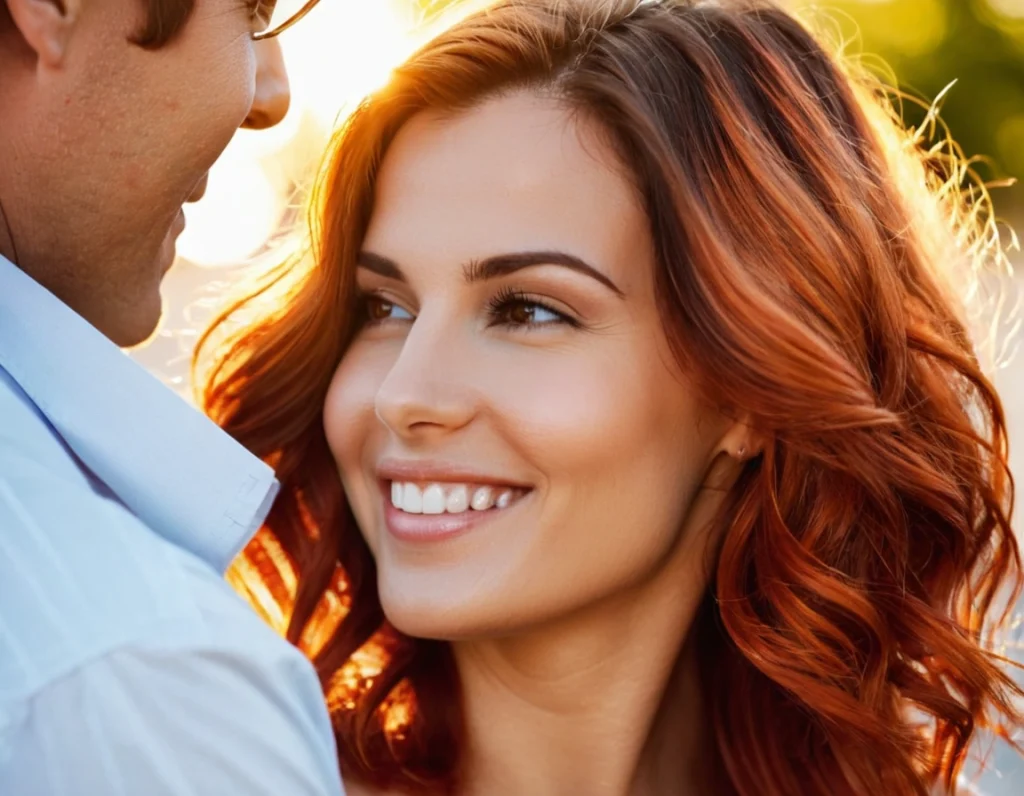
For many, coloring their hair is a way to express individuality, enhance natural beauty, or simply try something new. However, the joy of a fresh, vibrant hair color can quickly diminish when exposed to the relentless rays of the sun. Sunlight, while essential for life, can be a formidable foe to dyed hair, leading to premature fading, dullness, and even unwanted tonal changes.
The Science Behind Sun-Induced Hair Color Fading
To effectively combat hair color fading, it’s crucial to understand why it happens. The primary culprit is ultraviolet (UV) radiation from the sun. UV rays, particularly UVA and UVB, are powerful enough to break down the chemical bonds within hair dye molecules. This process, known as photodegradation, leads to the disintegration of the pigments that give your hair its artificial color. Think of it like leaving a brightly colored fabric in direct sunlight; over time, it loses its vibrancy and becomes faded.
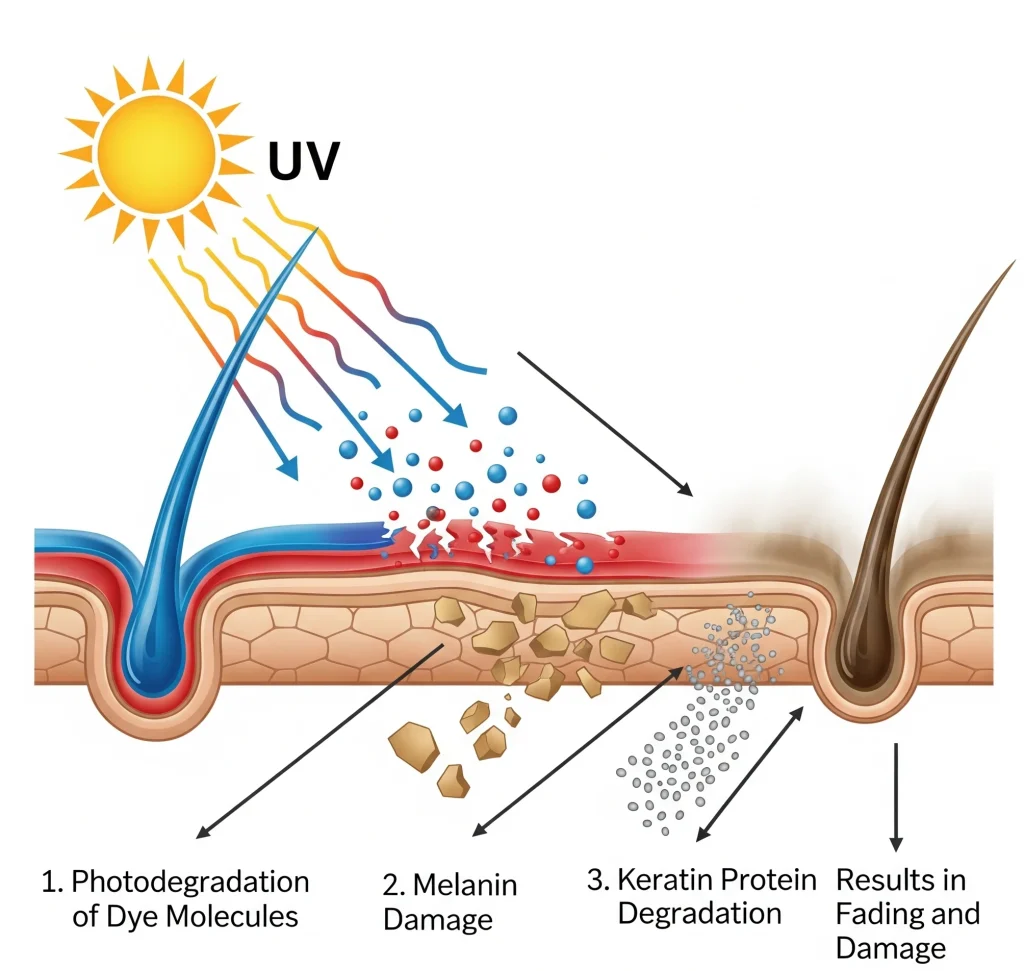
Beyond breaking down dye molecules, UV radiation also damages the hair’s natural melanin, the pigment responsible for your natural hair color. While this might seem less relevant for dyed hair, damaged melanin can affect the underlying tone and how your artificial color appears. Furthermore, UV exposure can degrade the hair’s protein structure, particularly keratin, making the hair more porous and less able to hold onto color. This damage can also lead to dryness, brittleness, and a lack of shine, further diminishing the overall appearance of your colored hair.
Strategies to Protect Your Hair Color
Protecting your hair color from the sun requires a multi-faceted approach, combining physical barriers, specialized products, and mindful hair care practices.
Physical Protection: Your First Line of Defense
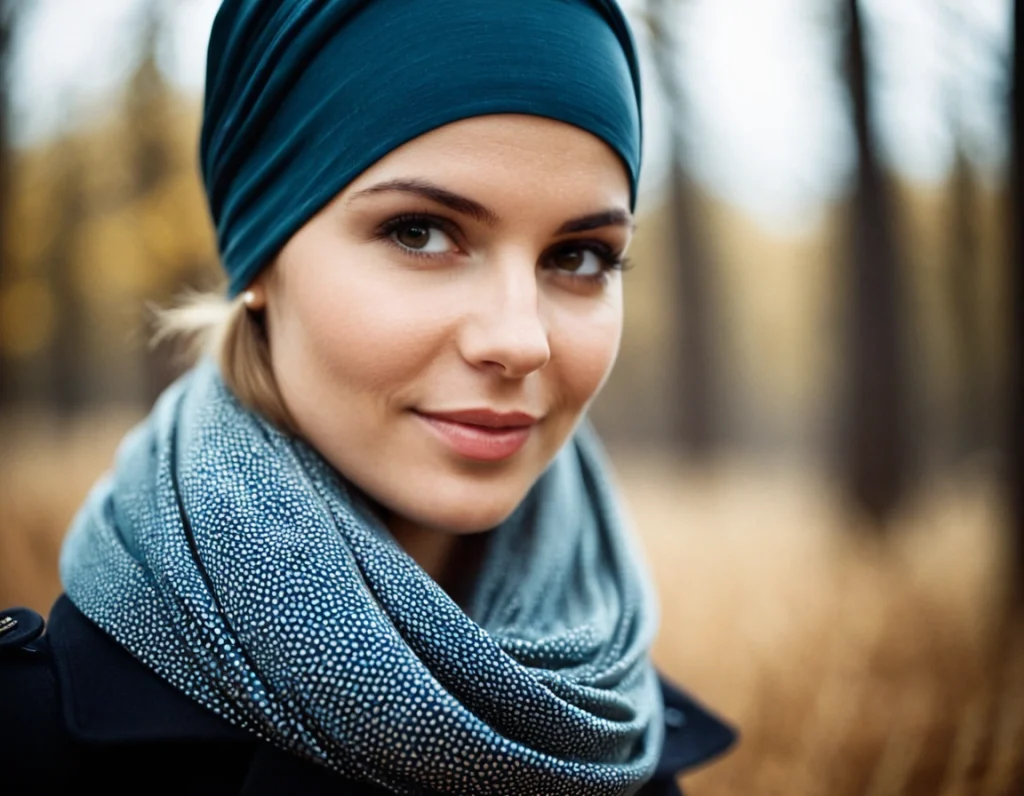
The simplest and most effective way to prevent sun-induced fading is to create a physical barrier between your hair and the sun’s rays. This is where hats and scarves become your best friends.
Hats:
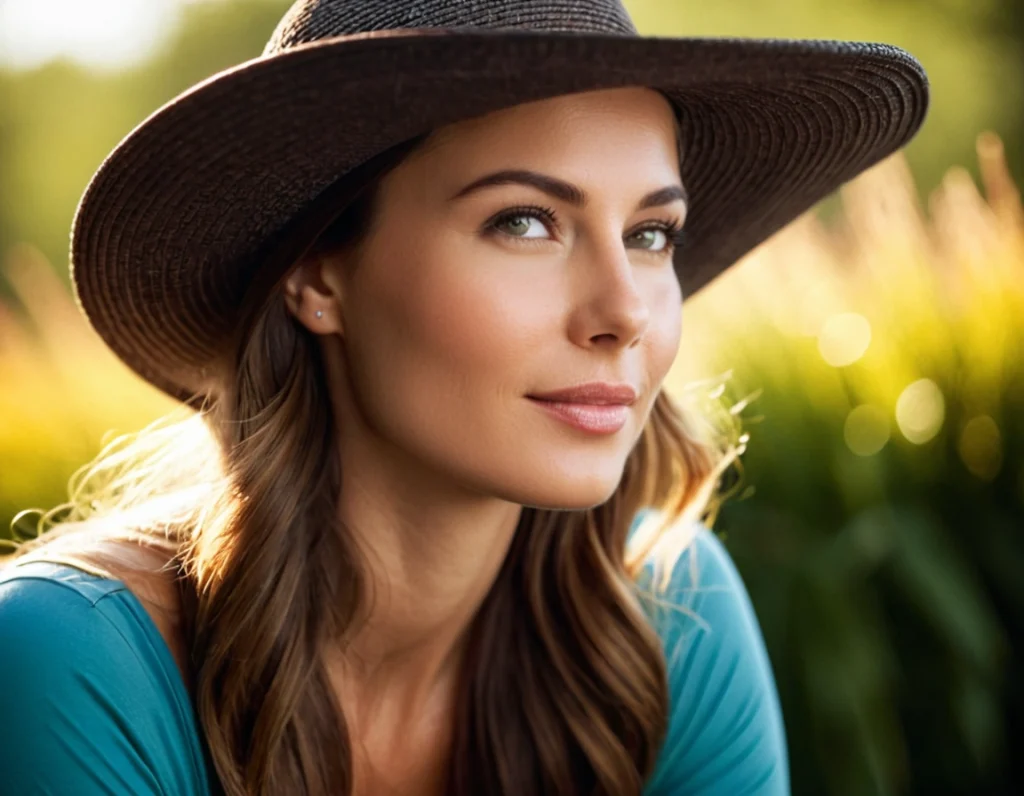
A wide-brimmed hat offers excellent protection, shielding not only your hair but also your scalp and face from harmful UV radiation. Opt for hats made from tightly woven fabrics, as these provide a more effective barrier than loosely woven materials. Baseball caps can offer some protection, but a wider brim is always preferable for maximum coverage.
Scarves:
Stylish and versatile, scarves can be wrapped around your head to cover your hair completely. They are particularly useful for protecting the entire head of hair, including the often-exposed crown and part line. Look for scarves made from UV-protective fabrics for enhanced defense.
Hair Care Products with UV Protection
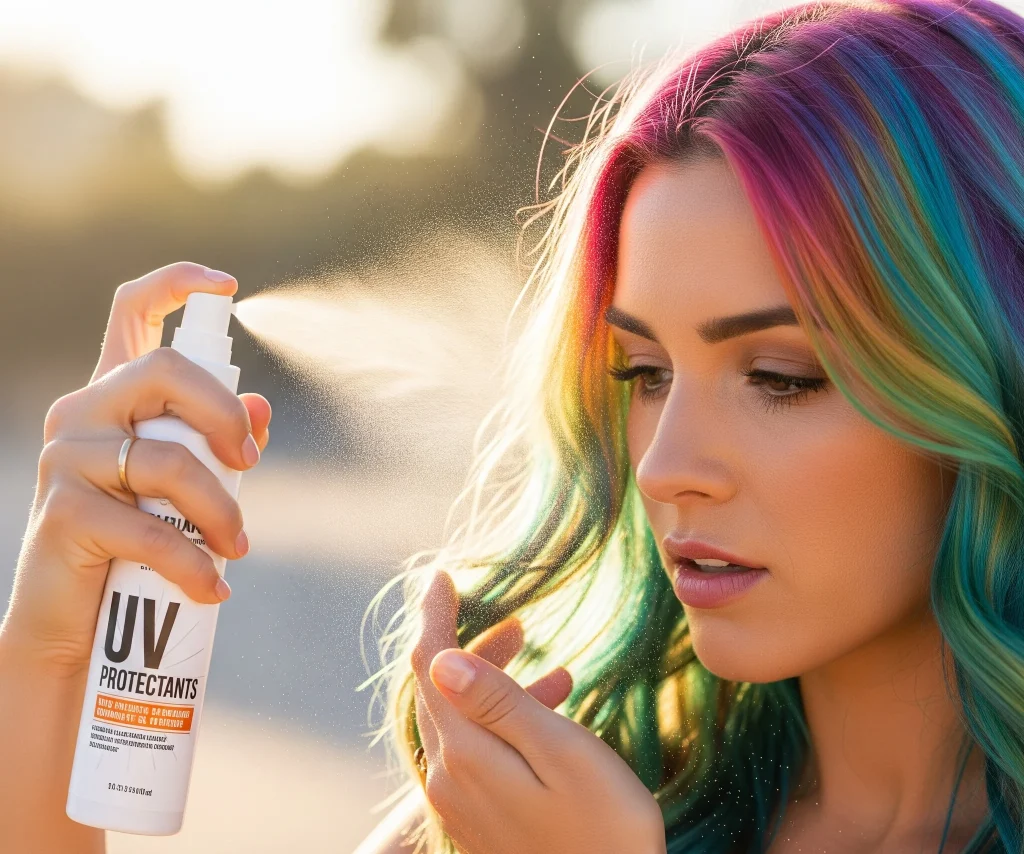
Just as you use sunscreen for your skin, your hair can benefit from products formulated with UV filters. These products create a protective layer on the hair shaft, absorbing or reflecting UV radiation before it can damage your hair color.
Leave-in Conditioners and Sprays: Many leave-in conditioners and styling sprays now include UV protectants. Apply these products before sun exposure to create an invisible shield. They often come with added benefits like hydration and frizz control, which are crucial for maintaining healthy, color-treated hair.
Shampoos and Conditioners: While not as potent as leave-in treatments, some shampoos and conditioners are formulated with UV filters to offer a baseline level of protection. These are good for daily use, especially if you have incidental sun exposure.

Hair Oils: Certain natural oils, like raspberry seed oil and carrot seed oil, possess natural SPF properties. While they shouldn’t be your sole defense, incorporating them into your hair care routine can provide an extra layer of protection and nourishment.

Mindful Hair Care Practices
Beyond physical barriers and specialized products, adopting certain hair care habits can significantly extend the life of your hair color.
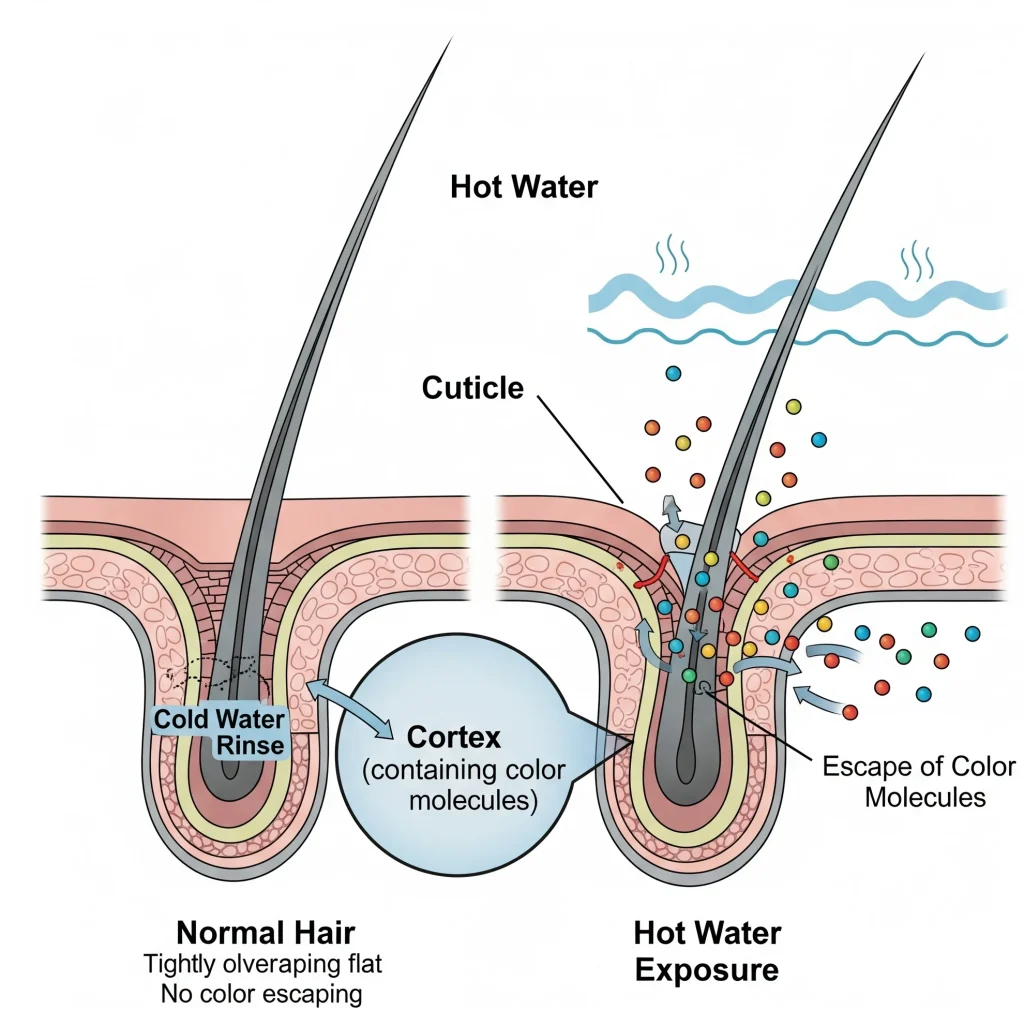
Limit Washing: Frequent washing can strip hair of its natural oils and artificial pigments. Try to wash your hair less often, perhaps every two to three days, and use lukewarm or cool water instead of hot water, which can open the hair cuticle and allow color to escape.
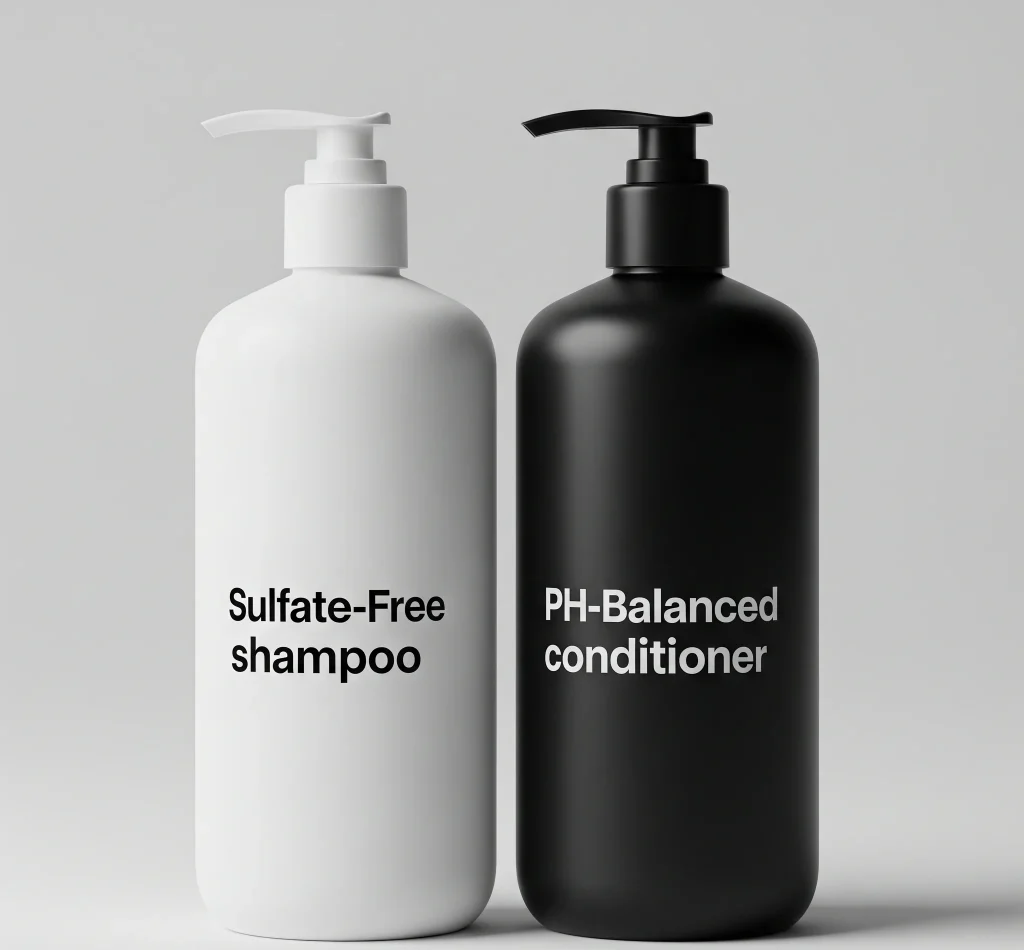
Use Color-Safe Products: Always use shampoos, conditioners, and styling products specifically designed for color-treated hair. These products are formulated to be gentler, sulfate-free, and pH-balanced, helping to preserve your hair color.
Rinse with Cool Water: After conditioning, a final rinse with cool water can help seal the hair cuticle, locking in moisture and color.
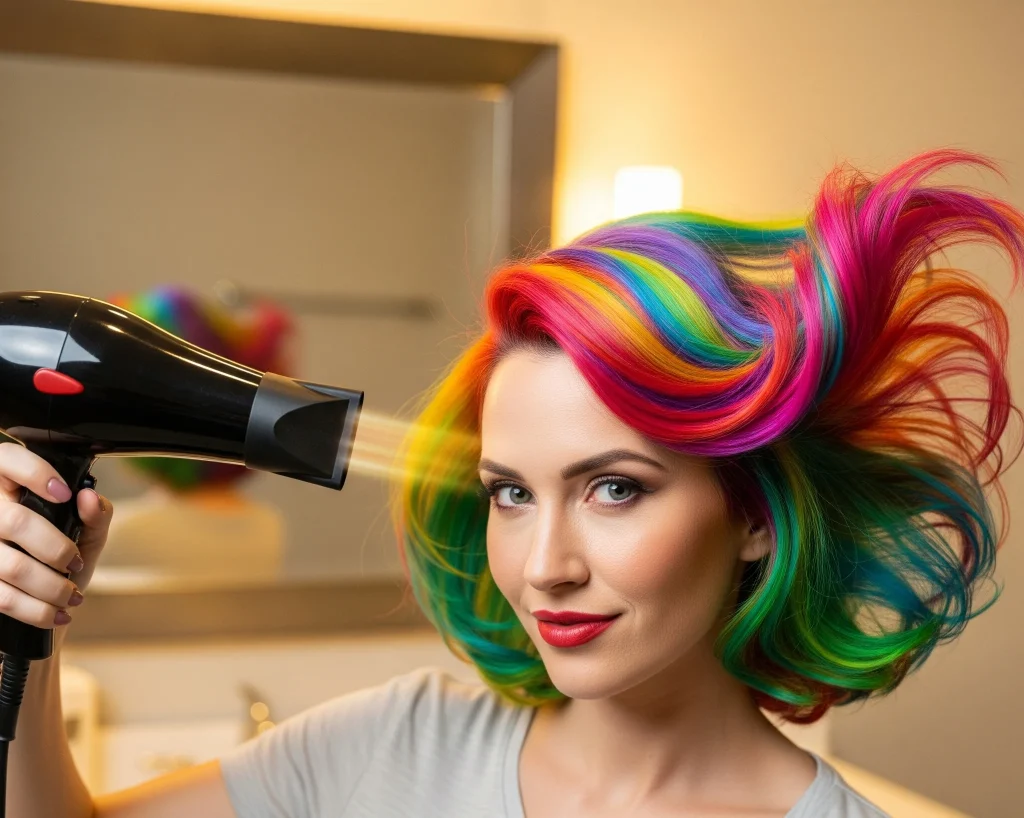
Avoid Excessive Heat Styling: Heat styling tools like flat irons, curling irons, and blow dryers can contribute to color fading by further opening the hair cuticle and causing thermal damage. When you do use heat tools, always apply a heat protectant spray beforehand and use the lowest effective temperature setting.
Hydration is Key: Well-hydrated hair is healthier and better able to retain color. Use deep conditioning treatments and hair masks regularly to keep your hair moisturized and strong.
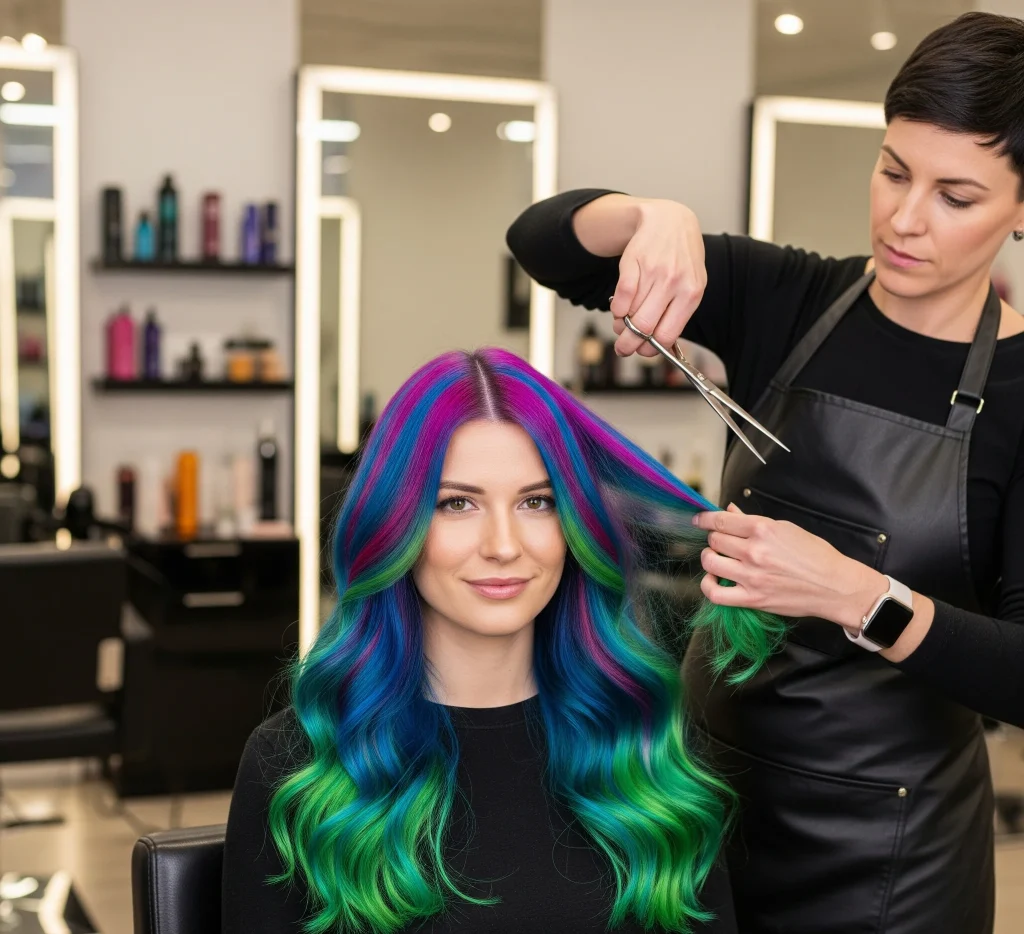
Regular Trims: Split ends and damaged hair tend to look dull and can make your color appear faded. Regular trims remove these damaged ends, keeping your hair looking fresh and vibrant.
Conclusion
Maintaining vibrant hair color in the face of sun exposure requires a proactive and consistent approach. By understanding how UV radiation impacts your hair and implementing a combination of physical protection, specialized UV-protective products, and mindful hair care practices, you can significantly extend the life and brilliance of your dyed hair. Embrace hats and scarves as fashion statements, invest in quality color-safe and UV-protective hair products, and adopt a gentle hair care routine. With these strategies, you can enjoy your beautiful hair color for longer, no matter how bright the sun shines. Remember, prevention is always better than correction when it comes to preserving your perfect shade.