
Best Way to Dry Hair Without Frizz: Expert Tips That Actually Work
Frizz, the eternal enemy of a good hair day. We’ve all been there: you spend time washing, conditioning, and styling your hair, only to have it puff up into a frizzy mess the moment it dries. It’s a frustrating experience that can make you want to hide your hair under a hat all day. But what if we told you that achieving smooth, frizz-free hair isn’t a myth? It’s a science, and with the right techniques and products, you can master the art of drying your hair without the unwanted frizz.

We’ll delve into the science of frizz, expert-approved techniques, and the best products to help you achieve the sleek, smooth hair of your dreams. Say goodbye to frizz and hello to gorgeous, manageable locks!
Understanding Frizz: What Causes It?
Before we dive into the solutions, it’s important to understand what causes frizz in the first place. Frizz is primarily caused by a lack of moisture in the hair and a raised cuticle layer. When your hair is dry and dehydrated, its outer layer, the cuticle, lifts up. This allows moisture from the air to penetrate the hair shaft, causing it to swell and appear frizzy.
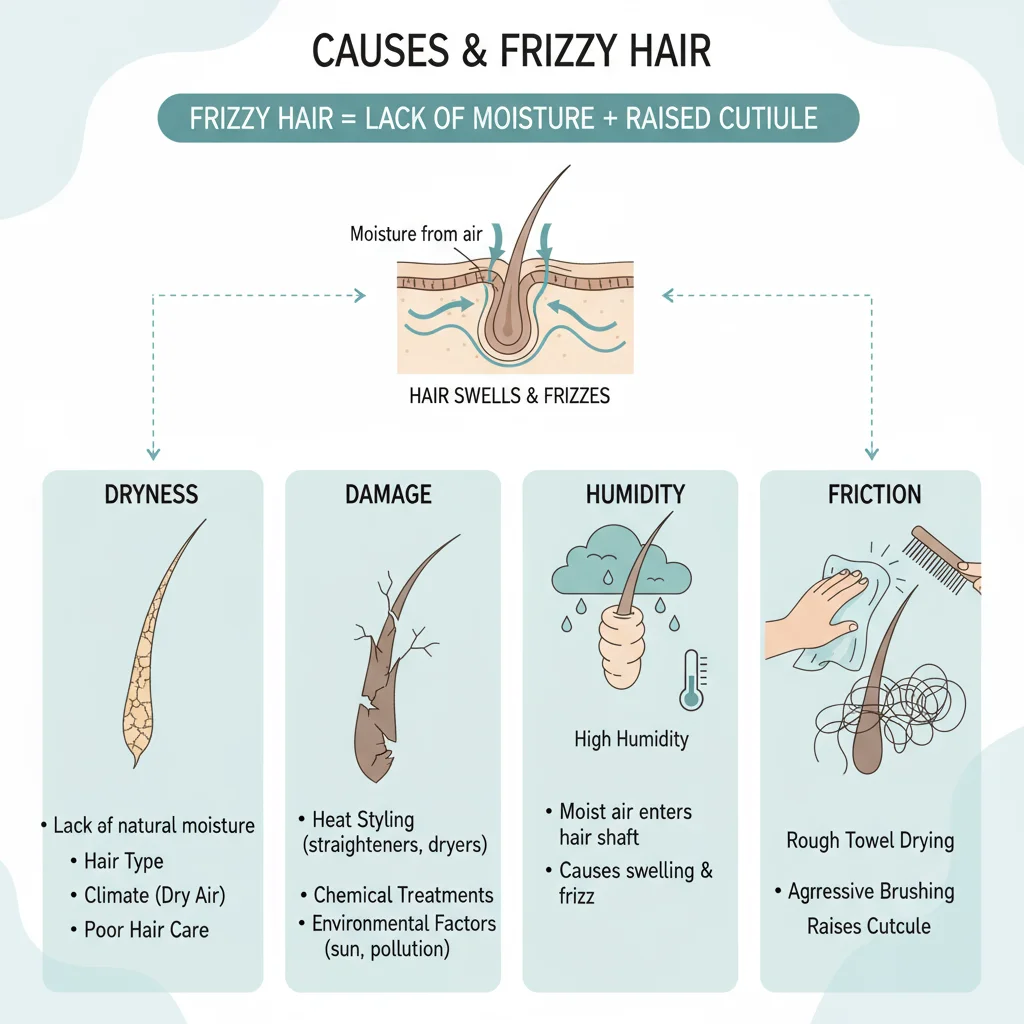
Here are some of the main culprits behind frizzy hair:
- Dryness: Hair that lacks moisture is more prone to frizz. This can be due to a variety of factors, including your hair type, the climate you live in, and your hair care routine.
- Damage: Damaged hair, whether from heat styling, chemical treatments, or environmental factors, has a compromised cuticle layer, making it more susceptible to frizz.
- Humidity: In humid environments, the air is full of moisture, which can easily penetrate the hair shaft and cause it to swell and frizz.
- Friction: Rubbing your hair with a rough towel or brushing it aggressively can raise the cuticle and lead to frizz.
By understanding the causes of frizz, you can take a more targeted approach to preventing it. The key is to keep your hair hydrated and the cuticle layer smooth and sealed.
Pre-Drying Preparation: The Foundation for Frizz-Free Hair
The journey to frizz-free hair begins even before you start drying. Proper preparation is crucial for minimizing frizz and ensuring a smooth finish. This involves selecting the right products and employing gentle techniques.
1. Shampoo and Conditioner Selection
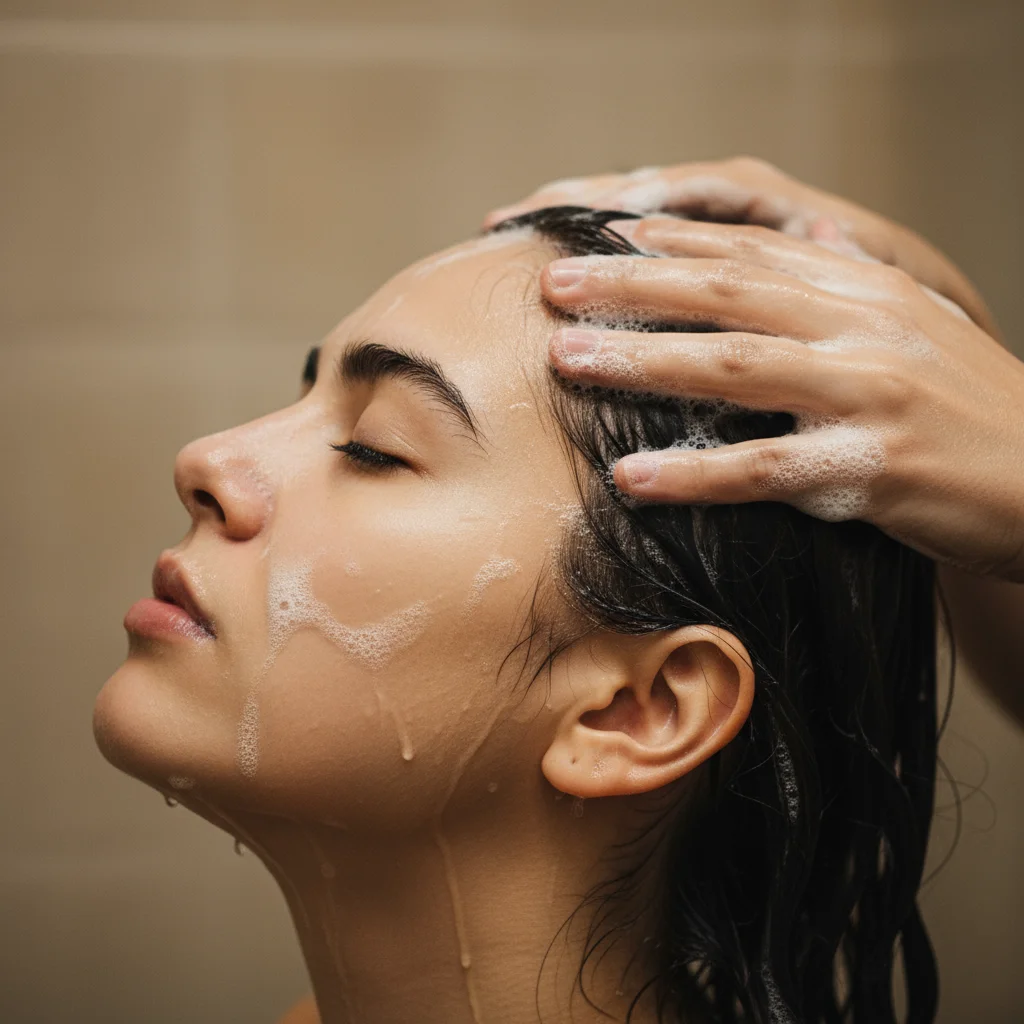
Choose shampoos and conditioners specifically formulated to combat frizz. Look for ingredients that provide intense hydration and help to smooth the hair cuticle. Ingredients like hyaluronic acid, argan oil, shea butter, and glycerin are excellent for moisturizing and sealing the hair.
2. Gentle Towel Drying
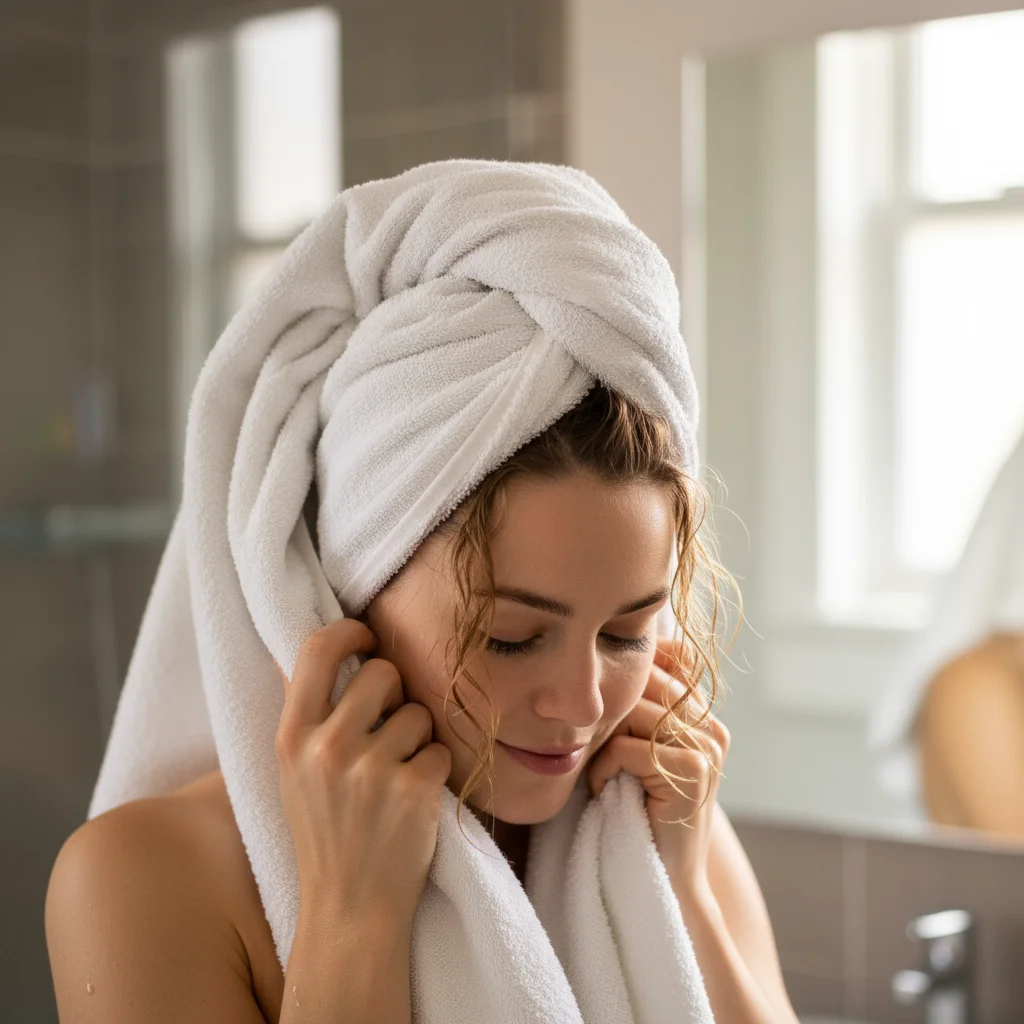
One of the biggest mistakes people make is aggressively rubbing their hair with a terry cloth towel. This creates friction, roughs up the cuticle, and leads to frizz. Instead, opt for a microfiber towel or an old cotton t-shirt. Gently squeeze and blot excess water from your hair. The goal is to absorb moisture without causing friction or disrupting the hair’s natural pattern.

3. Apply Leave-In Products
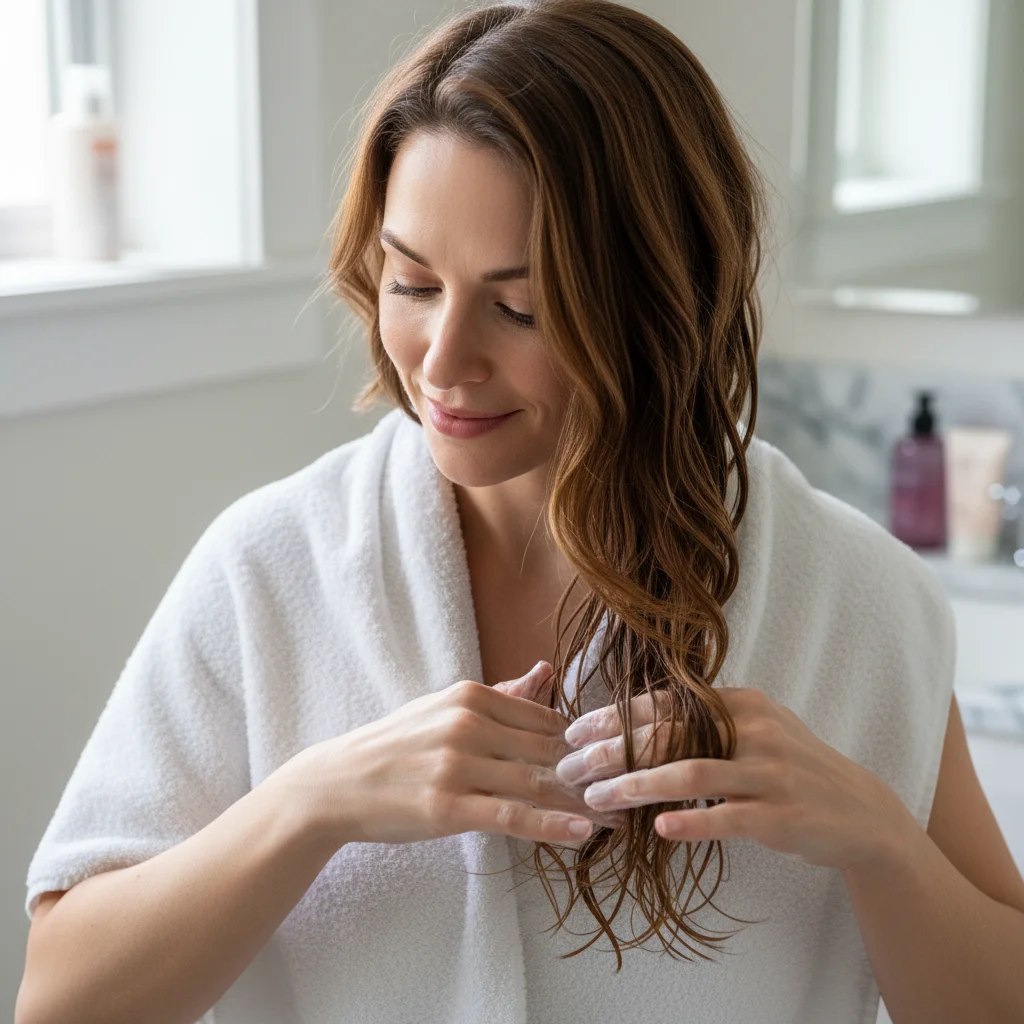
After towel drying, apply a leave-in conditioner, frizz-control serum, or styling cream. These products create a protective barrier around the hair shaft, lock in moisture, and help to smooth the cuticle. Distribute the product evenly through your hair, focusing on the mid-lengths and ends, which are typically more prone to dryness and frizz. For curly hair, this is also the stage to apply curl-defining creams or gels.
Air-Drying Techniques for Frizz-Free Results
Air-drying is often the gentlest way to dry your hair, as it avoids the heat damage associated with blow dryers. However, without proper technique, it can still lead to frizz. Here are some effective air-drying methods:
1. The “Plop” Method (Especially for Curly Hair)
Plopping is a popular technique for curly and wavy hair that helps to maintain curl definition and reduce frizz. After applying your leave-in products, lay a microfiber towel or cotton t-shirt flat. Flip your head over and gently gather your hair onto the center of the towel, scrunching it towards your scalp. Wrap the towel around your head, securing it in place. Leave it on for 15-30 minutes, or even longer, to absorb excess water and encourage curl formation. This method minimizes friction and allows your curls to dry in their natural shape.
2. Hands-Off Approach
Once you’ve applied your products and gently removed excess water, resist the urge to touch your hair while it air-dries. Constantly touching or running your fingers through your hair disrupts the cuticle and can lead to frizz. Let your hair dry undisturbed. If you need to separate sections, do so very gently with a wide-tooth comb or your fingers once your hair is almost completely dry.

3. Diffusing (Low Heat, Low Speed)
While technically a blow-drying method, diffusing is a heat-free or low-heat alternative that can be used for air-drying. A diffuser attachment disperses the airflow, preventing direct heat from hitting your hair and minimizing frizz. Use your blow dryer on a low heat and low speed setting. Gently cup sections of your hair in the diffuser bowl and lift them towards your scalp. This method is particularly beneficial for curly and wavy hair, as it helps to enhance natural texture and volume without causing frizz.
Blow-Drying Techniques for a Smooth Finish
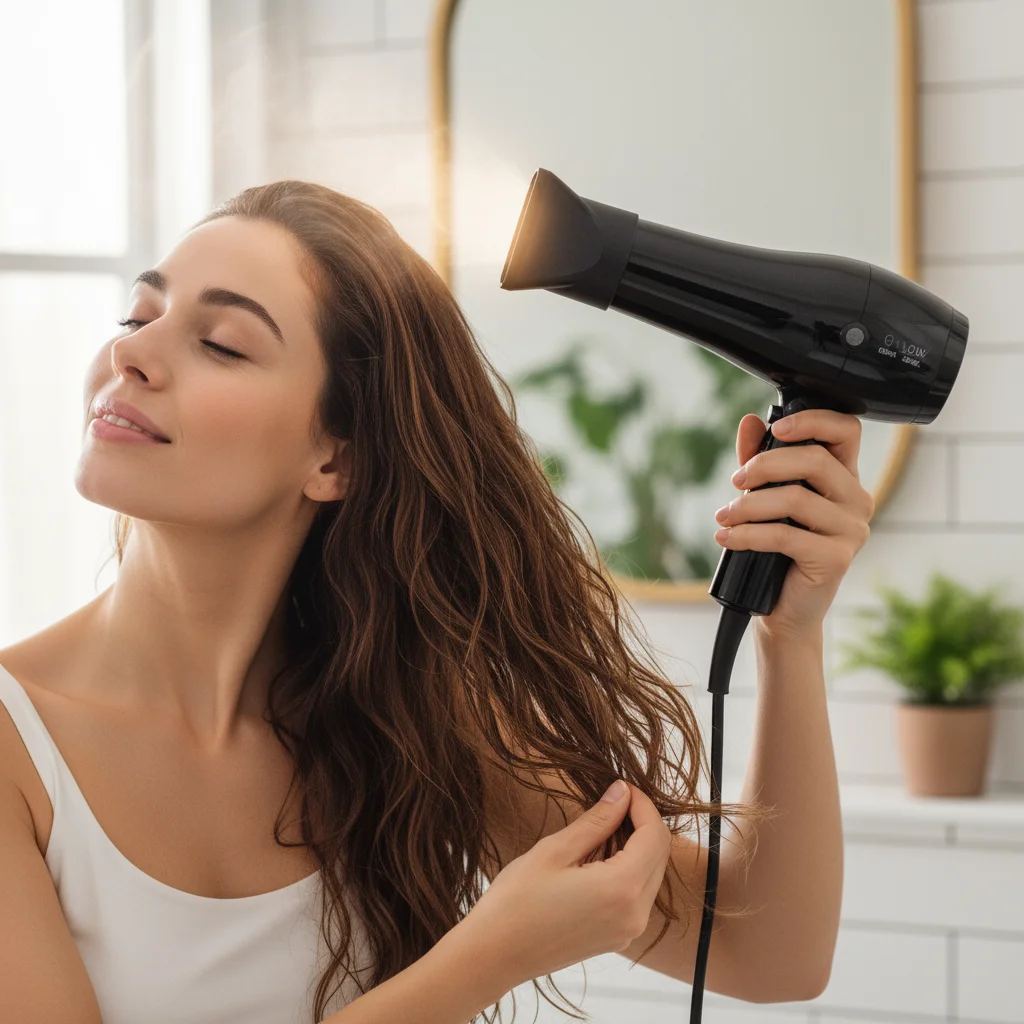
While air-drying is ideal for minimizing frizz, sometimes a blow dryer is necessary for speed or styling. The key to frizz-free blow-drying lies in using the right tools and techniques.
1. Use a Heat Protectant
Before applying any heat, always use a heat protectant spray or serum. This creates a barrier between your hair and the heat, minimizing damage and preventing the cuticle from lifting.
2. Section Your Hair
Working in sections makes blow-drying more manageable and ensures even drying. Clip up the top layers of your hair and start with the bottom sections. As you dry each section, release more hair.
3. Use the Right Nozzle and Settings
Attach a concentrator nozzle to your blow dryer. This directs the airflow, allowing you to focus the heat on specific sections and smooth the cuticle. Use a medium to low heat setting and a medium to high airflow. High heat can dehydrate your hair and lead to frizz.
4. Blow Dry Downwards
Always direct the airflow downwards, from roots to ends. This helps to smooth the cuticle and prevent it from lifting. Avoid blowing air upwards, as this will rough up the cuticle and cause frizz.
5. Finish with a Cool Shot
Once your hair is almost dry, switch to the cool shot setting on your blow dryer. This helps to seal the hair cuticle, lock in shine, and further reduce frizz. Direct the cool air downwards over each section of your hair.
Product Recommendations for Frizz-Free Hair
Beyond technique, the right products play a vital role in achieving frizz-free hair. Here are some categories of products to consider:
1. Anti-Frizz Shampoos and Conditioners
These products are formulated with hydrating ingredients that help to smooth the hair cuticle and prevent moisture loss. Look for ingredients like:
- Hyaluronic Acid: Known for its intense hydrating properties.
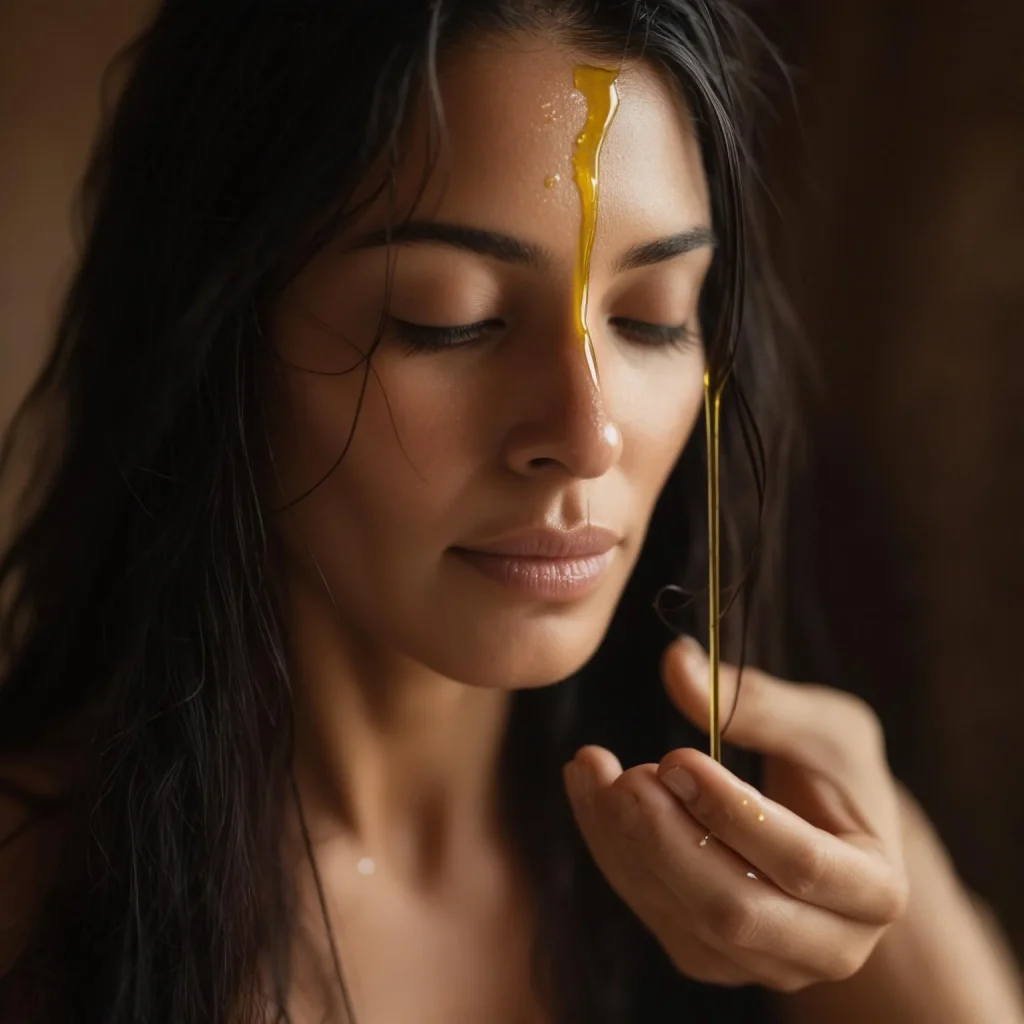
- Argan Oil: Rich in fatty acids and Vitamin E, it nourishes and smooths hair.
- Shea Butter: Provides deep moisture and helps to seal the cuticle.
- Glycerin: A humectant that draws moisture from the air into the hair.
2. Leave-In Conditioners and Serums
These are essential for providing ongoing hydration and protection. Apply them to damp hair before drying.
- Leave-in Conditioners: Offer lightweight moisture and detangling benefits.
- Anti-Frizz Serums: Often contain silicones or natural oils (like argan, camellia, avocado, coconut) that create a barrier to humidity and add shine.
3. Styling Creams and Gels
For those who air-dry, especially with curly hair, styling creams and gels can help define natural patterns and hold them in place without frizz.
4. Heat Protectants
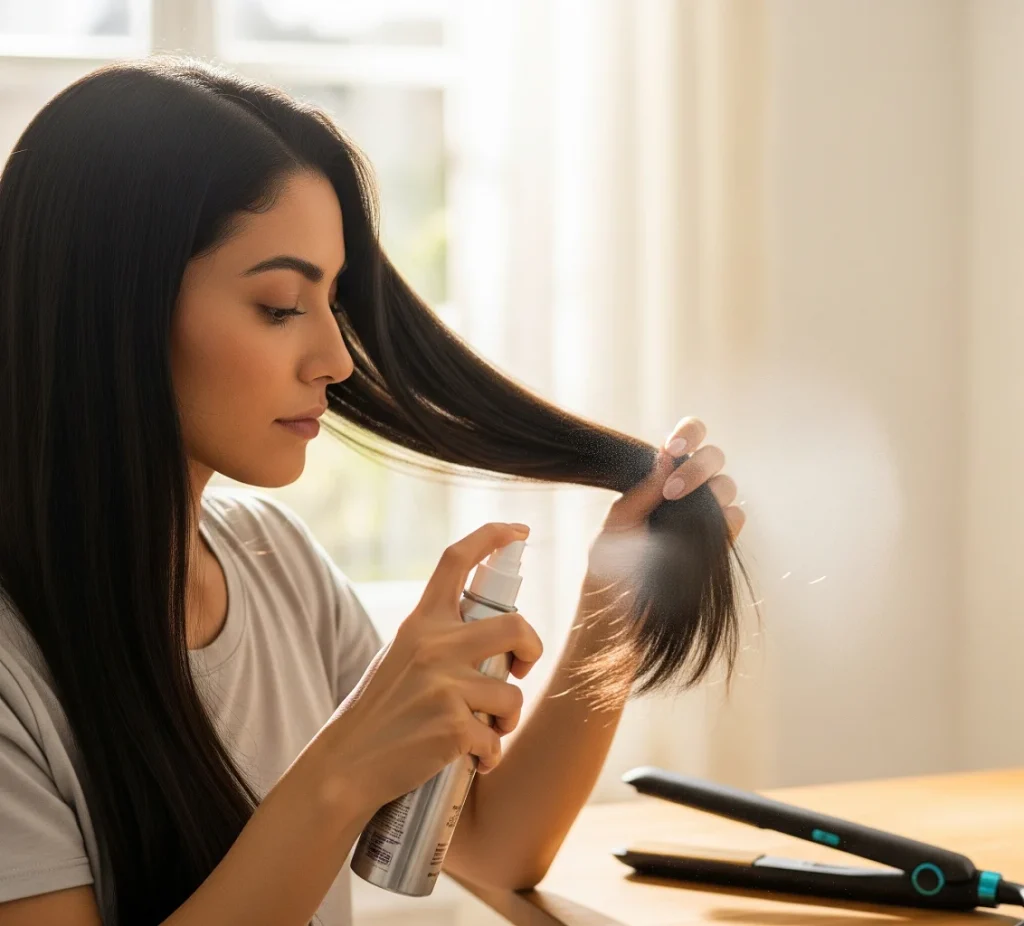
Non-negotiable for blow-drying. These sprays or creams shield your hair from heat damage, which is a major contributor to frizz.
5. Microfiber Towels
While not a product in the traditional sense, a microfiber towel is a game-changer. Its soft, absorbent fibers reduce friction and absorb water more efficiently than traditional terry cloth towels, leading to less frizz.
Quick Reference: Frizz-Free Hair Drying Tips
To summarize the key takeaways for achieving frizz-free hair, here’s a quick reference table:
| Category | Tip | Why it Helps |
|---|---|---|
| Preparation | Use frizz-control shampoo & conditioner | Hydrates hair and smooths cuticle from the start. |
| Gently blot with microfiber towel/cotton t-shirt | Reduces friction and prevents cuticle damage. | |
| Apply leave-in conditioner/serum to damp hair | Locks in moisture, creates a protective barrier, and smooths hair. | |
| Air-Drying | Try the “Plopping” method (especially for curly hair) | Preserves natural curl pattern, minimizes friction, and absorbs excess water gently. |
| Avoid touching hair while it dries | Prevents disruption of the cuticle and frizz formation. | |
| Use a diffuser on low heat/speed | Disperses airflow, reduces direct heat, and enhances natural texture without frizz. | |
| Blow-Drying | Always use a heat protectant | Shields hair from heat damage, a major cause of frizz. |
| Section hair and use a concentrator nozzle | Ensures even drying and directs airflow to smooth the cuticle. | |
| Direct airflow downwards (roots to ends) | Seals the cuticle and prevents it from lifting. | |
| Finish with a cool shot | Locks in shine, seals the cuticle, and further reduces frizz. | |
| Products | Look for hydrating ingredients (Hyaluronic Acid, Argan Oil, Shea Butter, Glycerin) | Provides essential moisture to keep hair smooth and prevent dehydration. |
| Consider anti-frizz serums with silicones or natural oils | Creates a barrier against humidity and adds shine. | |
| Use styling creams/gels for air-drying (curly hair) | Defines natural patterns and holds them in place without frizz. | |
| Invest in a microfiber towel | Reduces friction and absorbs water more efficiently than traditional towels. |
Conclusion
Achieving frizz-free hair is not an unattainable dream. It’s a combination of understanding what causes frizz, adopting gentle hair care practices, utilizing the right drying techniques, and incorporating effective products into your routine. By being mindful of how you treat your hair, from the moment you wash it to the final stages of drying, you can significantly reduce frizz and enjoy smoother, healthier-looking locks. Remember, consistency is key. Incorporate these expert tips into your daily hair care regimen, and you’ll be well on your way to saying goodbye to frizz for good.


