

How to Protect Your Hair in Summer: Expert Tips for Healthy, Hydrated Locks
Summer, with its long, sunny days and inviting waters, brings a unique set of challenges for our hair. While we embrace the warmth and outdoor activities, our hair often bears the brunt of increased exposure to harsh elements. Understanding these challenges and implementing a proactive hair care routine is crucial to maintaining healthy, vibrant locks throughout the season. This comprehensive guide will delve into the specific aggressors of summer and provide actionable strategies to protect and nourish your hair.
The Summer Assault: Understanding the Threats to Your Hair
The summer environment, while enjoyable for us, can be quite damaging to our hair. Several factors contribute to this seasonal stress:
Sun Exposure and UV Radiation
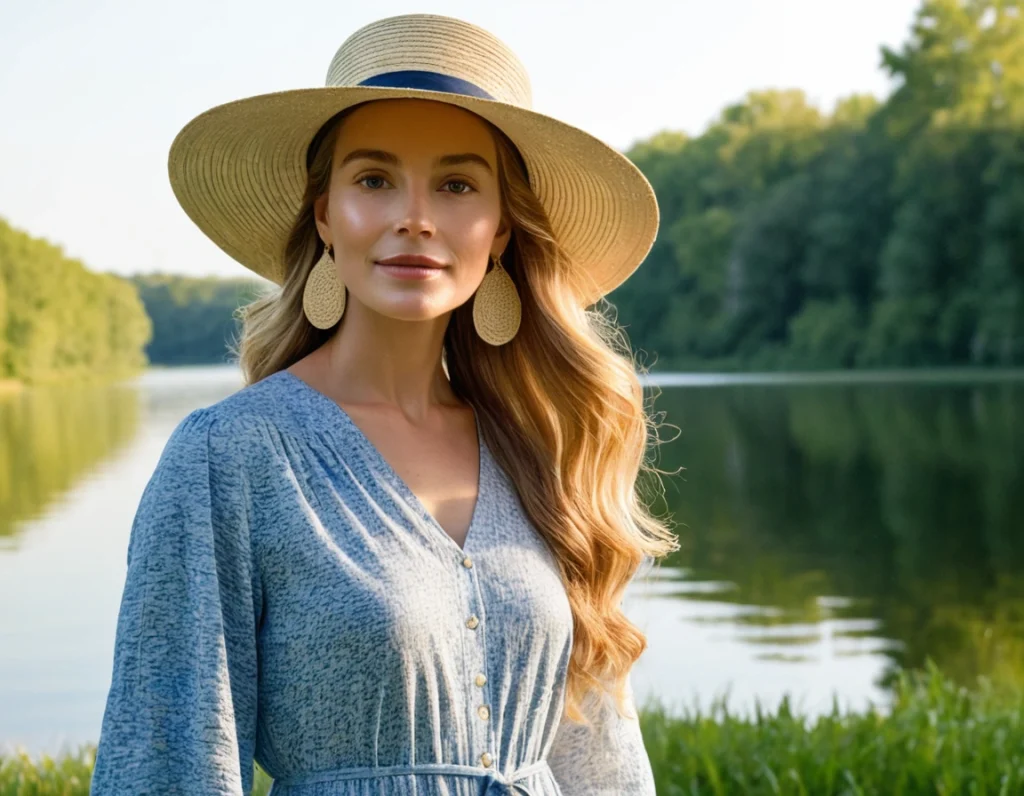
Just as the sun’s ultraviolet (UV) rays can harm our skin, they pose a significant threat to our hair. UV radiation breaks down the protein structure of the hair, specifically keratin, leading to weakened strands, faded color, and increased brittleness. Prolonged exposure can also dry out the hair, making it more susceptible to breakage and split ends. For those with color-treated hair, UV rays accelerate color fading, leaving hair looking dull and brassy.
Chlorine and Saltwater Damage
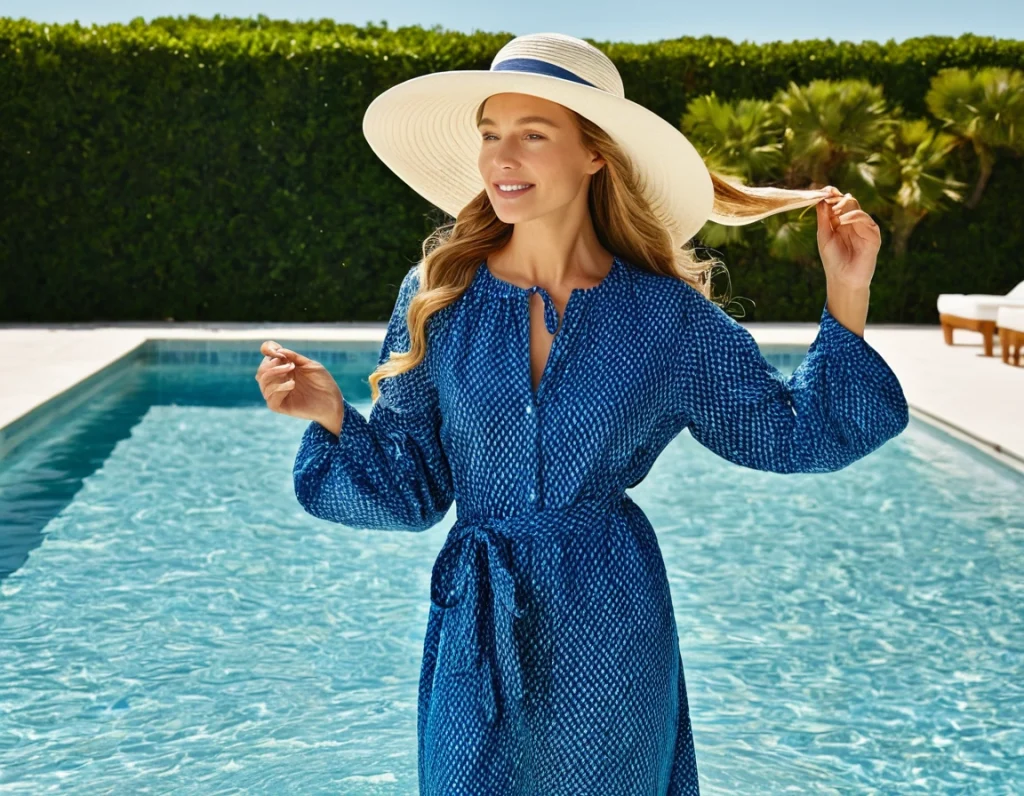
Swimming is a quintessential summer activity, but both chlorinated pool water and salty ocean water can wreak havoc on hair. Chlorine strips the hair of its natural oils, leaving it dry, brittle, and prone to breakage. It can also react with hair dyes, leading to discoloration, particularly in lighter shades. Saltwater, while natural, also dehydrates the hair by drawing out moisture, resulting in a rough texture and increased tangling.
Humidity and Frizz
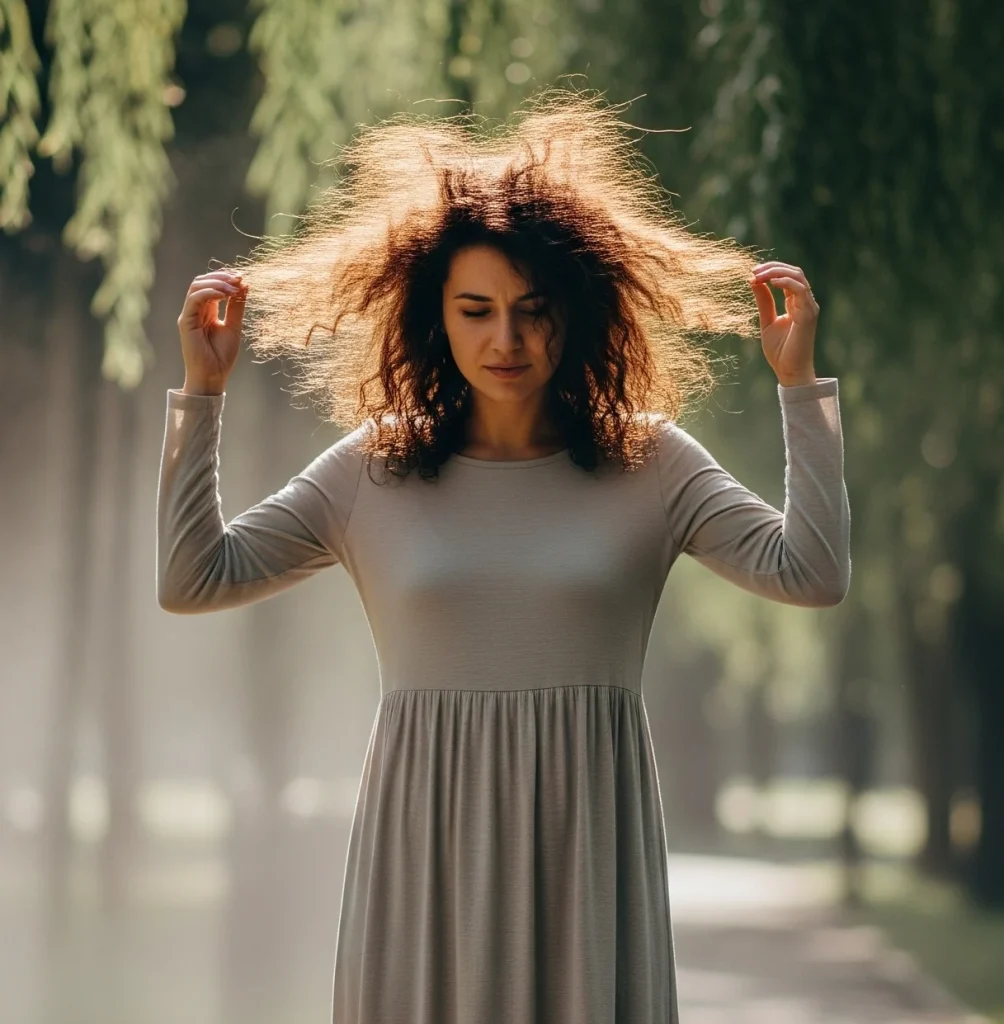
High humidity levels, a common characteristic of summer, can cause hair to absorb moisture from the air, leading to the dreaded frizz. This occurs because the outer layer of the hair, the cuticle, lifts to absorb the excess moisture, making the hair appear unruly and unmanageable. For those with naturally curly or wavy hair, humidity can amplify frizz and disrupt curl patterns.
Heat Styling and Sweat
While we often try to minimize heat styling in the summer, the combination of existing environmental heat and additional heat from styling tools can be particularly damaging. Excessive heat further dries out the hair and can lead to thermal damage. Additionally, increased sweating during warmer months can make the scalp feel greasy and lead to product buildup, potentially clogging hair follicles and hindering healthy hair growth.
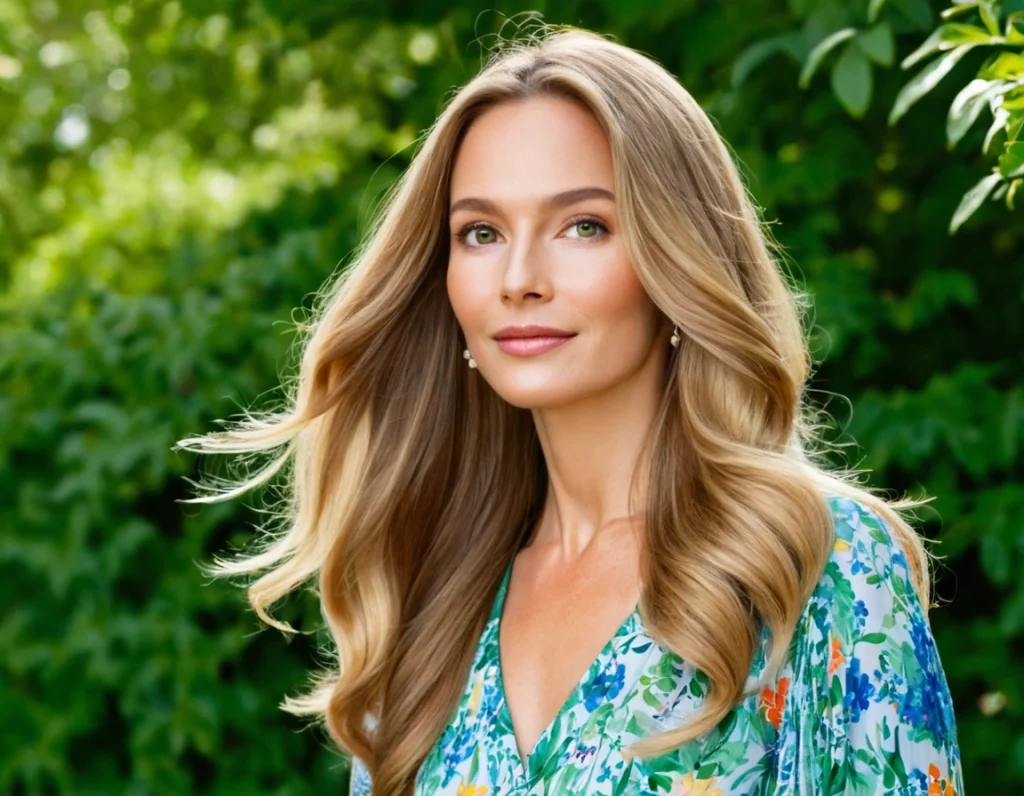
Fortifying Your Strands: Essential Summer Hair Care Strategies
Protecting your hair during the summer requires a multi-faceted approach that addresses the unique challenges of the season. Here are key strategies to incorporate into your routine:
1. Prioritize Hydration and Moisture
Moisture is paramount in summer hair care. The drying effects of sun, chlorine, and saltwater necessitate a focus on replenishing and sealing in hydration. Use a moisturizing shampoo and conditioner specifically designed to combat dryness. Consider incorporating a deep conditioning treatment or hair mask into your weekly routine to provide an intense boost of moisture. Leave-in conditioners and hair oils can also be beneficial for daily hydration and to create a protective barrier against environmental aggressors.
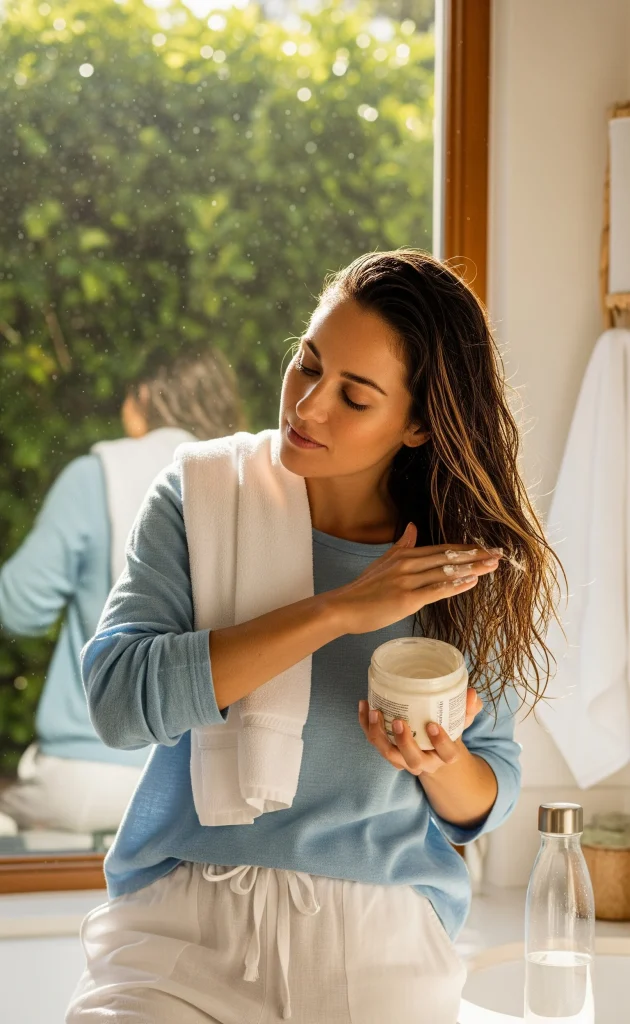
2. Embrace UV Protection for Hair
Just as you protect your skin from the sun, your hair also needs UV defense. Look for hair products that contain UV filters or SPF. These products create a protective barrier on the hair shaft, shielding it from damaging UV rays. Wearing a wide-brimmed hat when spending extended time outdoors is another effective way to physically block the sun’s harmful effects. This also offers the added benefit of protecting your scalp.
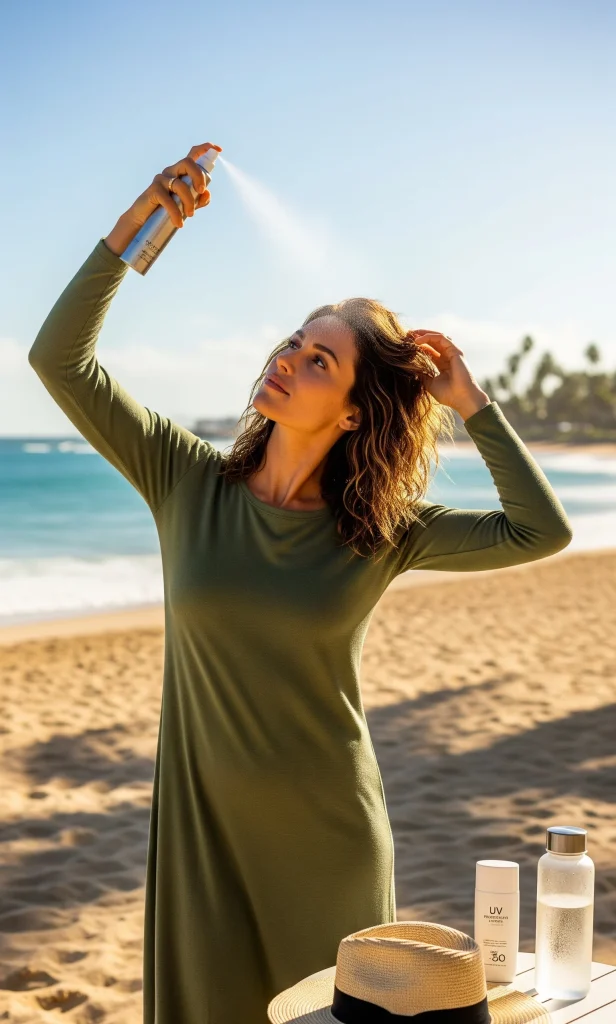
3. Pre-Swim Protection and Post-Swim Care
Before diving into a pool or the ocean, wet your hair with clean, fresh water. This helps to saturate the hair strands, making them less likely to absorb large amounts of chlorine or saltwater. Applying a leave-in conditioner or a small amount of natural oil (like coconut or olive oil) before swimming can also create a protective barrier. After swimming, rinse your hair thoroughly with clean water as soon as possible to remove chlorine or salt residue. Follow with a gentle, clarifying shampoo and a hydrating conditioner.
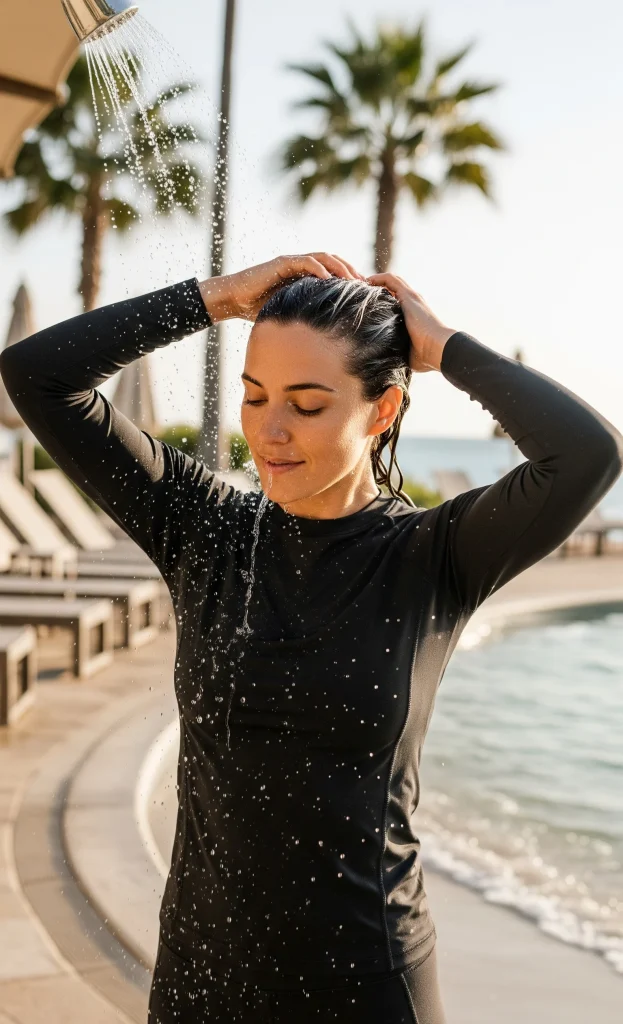
4. Minimize Heat Styling
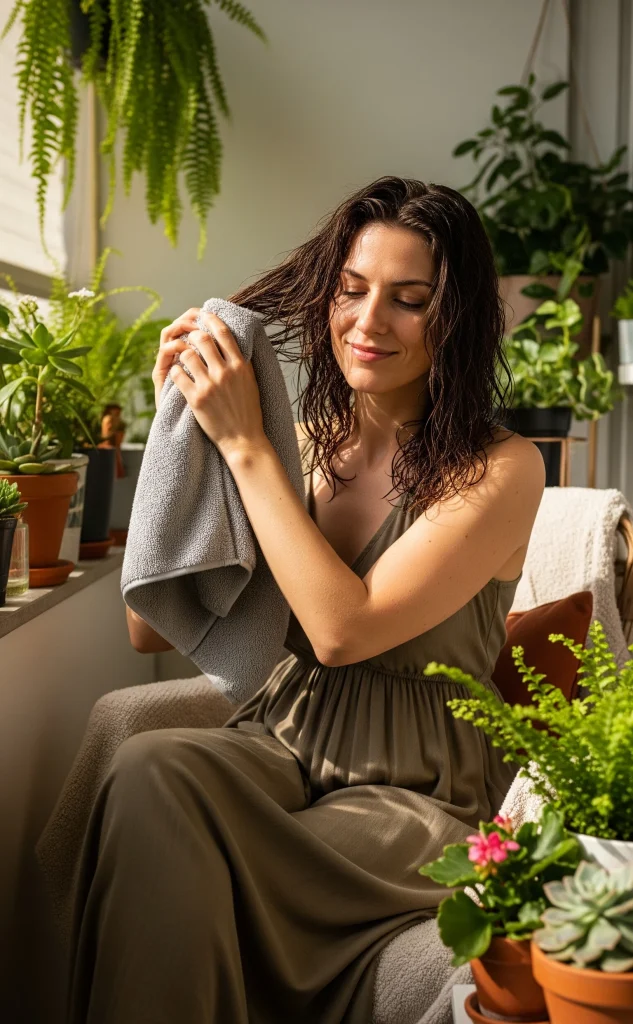
With the natural warmth of summer, try to reduce your reliance on heat styling tools like blow dryers, flat irons, and curling wands. Air-drying your hair whenever possible can significantly reduce heat-induced damage. If you must use heat tools, always apply a heat protectant spray beforehand and use the lowest effective heat setting.
5. Gentle Cleansing and Less Frequent Washing
While it might seem counterintuitive, washing your hair less frequently in the summer can be beneficial. Over-washing can strip your hair of its natural oils, leading to further dryness. Opt for gentle, sulfate-free shampoos that cleanse without being overly harsh. On non-wash days, consider using dry shampoo to refresh your roots and absorb excess oil.

6. Protective Hairstyles
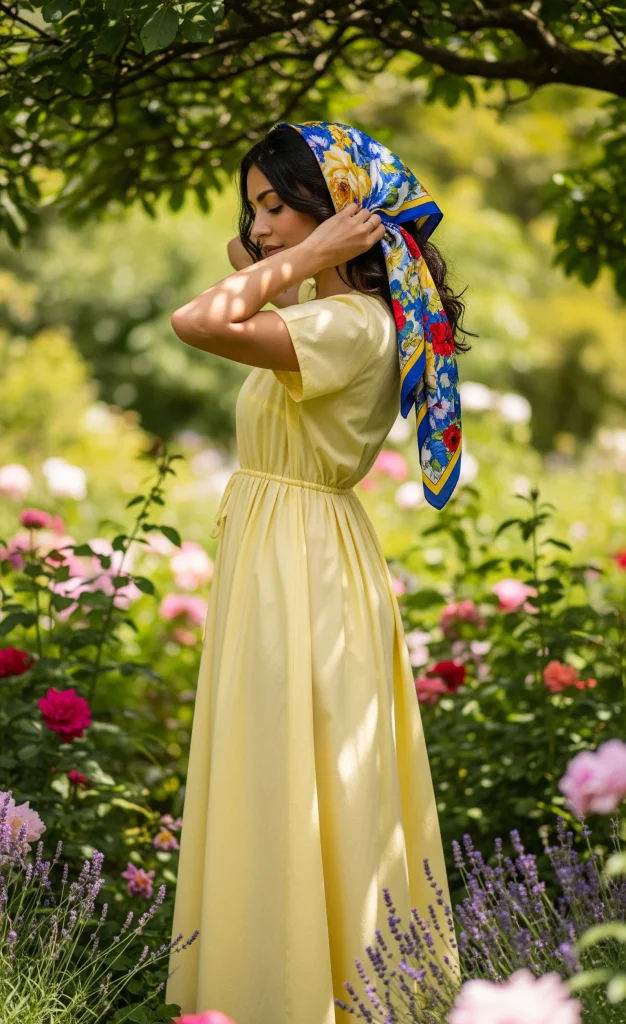
Loose, protective hairstyles can minimize exposure to the elements and reduce tangling and breakage. Braids, buns, and ponytails can keep your hair contained and protected, especially during outdoor activities. Avoid tight hairstyles that can cause tension and breakage, particularly when hair is wet.
7. Regular Trims
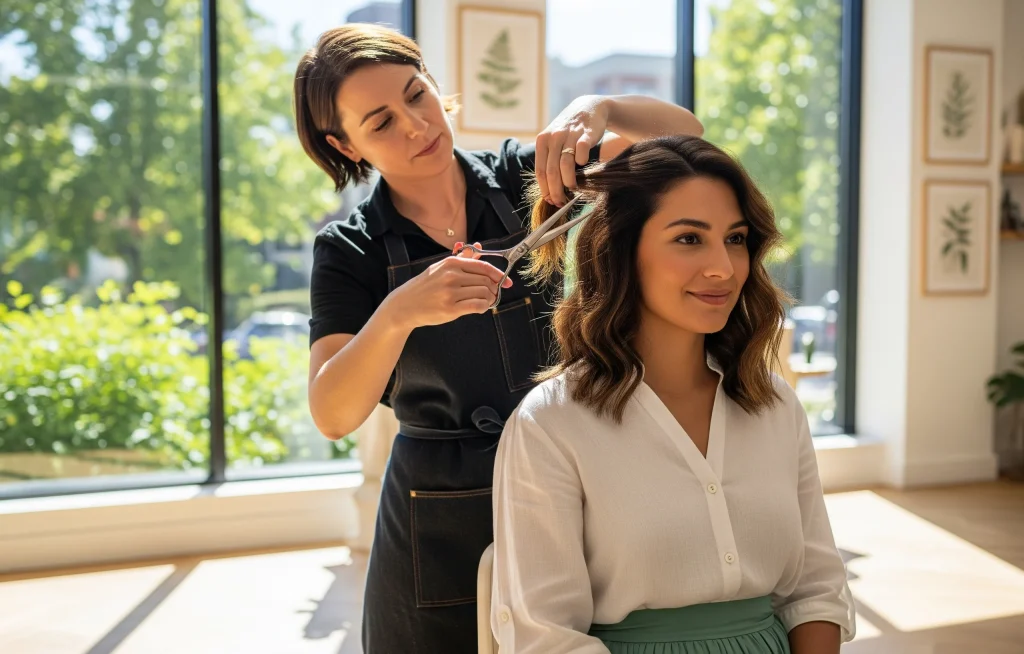
Regular trims throughout the summer can help to remove split ends and keep your hair looking healthy and neat. Split ends can travel up the hair shaft, causing further damage if not addressed.
Conclusion

Summer is a time for enjoyment and relaxation, and with the right hair care routine, your hair can thrive alongside you. By understanding the unique challenges of the season and implementing these protective and nourishing strategies, you can ensure your locks remain healthy, hydrated, and beautiful, ready to embrace all the joys of summer.