
Helpful Solutions For Curly Hair Split Ends
Curly hair, with its unique structure and natural dryness, is particularly susceptible to split ends. Unlike straight hair, the natural oils produced by the scalp struggle to travel down the coiled strands, leaving the ends more vulnerable to damage. This inherent dryness, combined with external factors like styling practices, environmental exposure, and chemical treatments, can lead to the fraying and splitting of the hair shaft’s outermost protective layer, the cuticle. Understanding the specific challenges faced by curly hair is the first step towards effectively preventing and treating these common hair concerns. This article will delve into the causes of split ends in curly hair and provide comprehensive, actionable solutions to maintain healthy, vibrant curls.
The Root Causes of Split Ends in Curly Hair
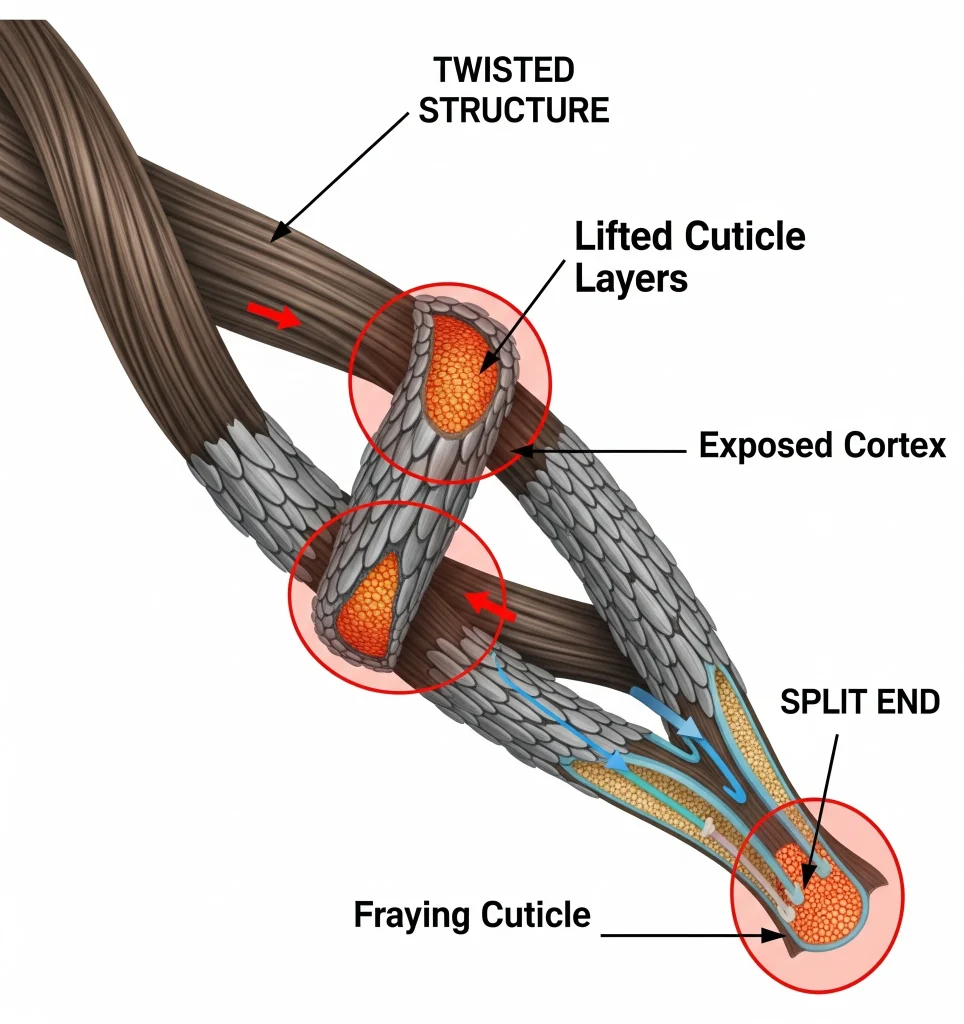
Split ends, scientifically known as trichoptilosis, occur when the hair’s protective outer layer, the cuticle, becomes damaged and frays, leading to the inner cortex to split. For curly hair, several factors exacerbate this issue:
1. Natural Hair Structure and Dryness
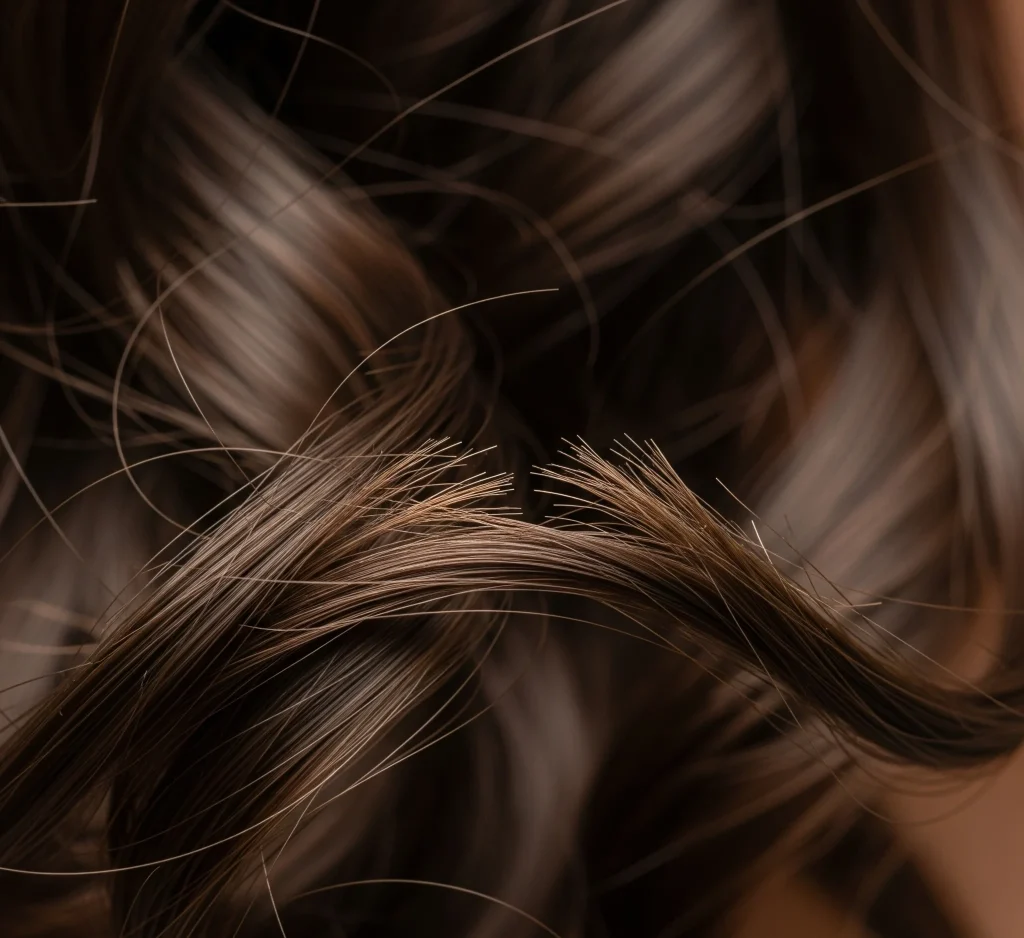
The inherent structure of curly hair, characterized by its twists and turns, makes it difficult for natural scalp oils (sebum) to travel down the entire length of the hair shaft. This results in the ends being perpetually drier than the roots, making them more brittle and prone to splitting. The cuticle layers in curly hair also tend to lift more easily when dry, further exposing the inner hair shaft to damage .
2. Mechanical Damage
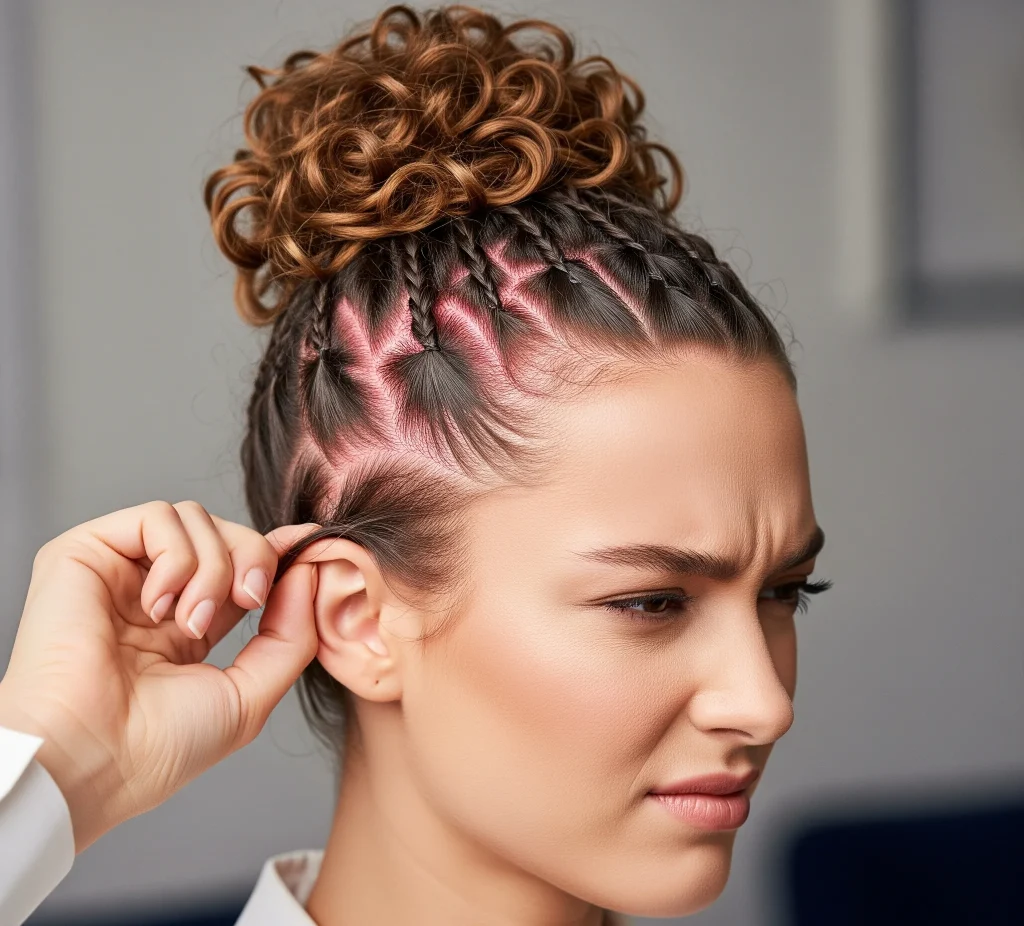
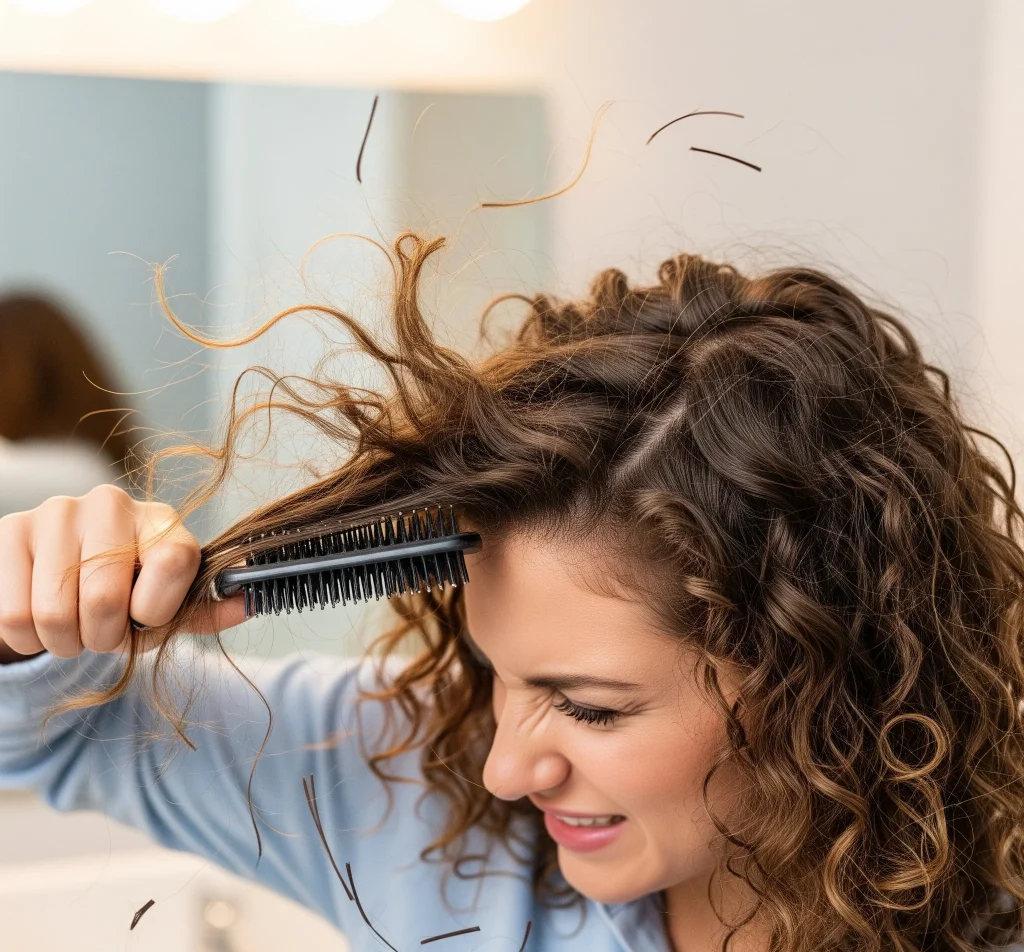
Aggressive detangling, especially when hair is dry, is a major culprit. Using fine-tooth combs or brushes on tangled curly hair can cause significant friction and breakage. Similarly, rough towel-drying, tight hairstyles, and even sleeping on cotton pillowcases can create friction that wears down the cuticle over time .
3. Heat Styling
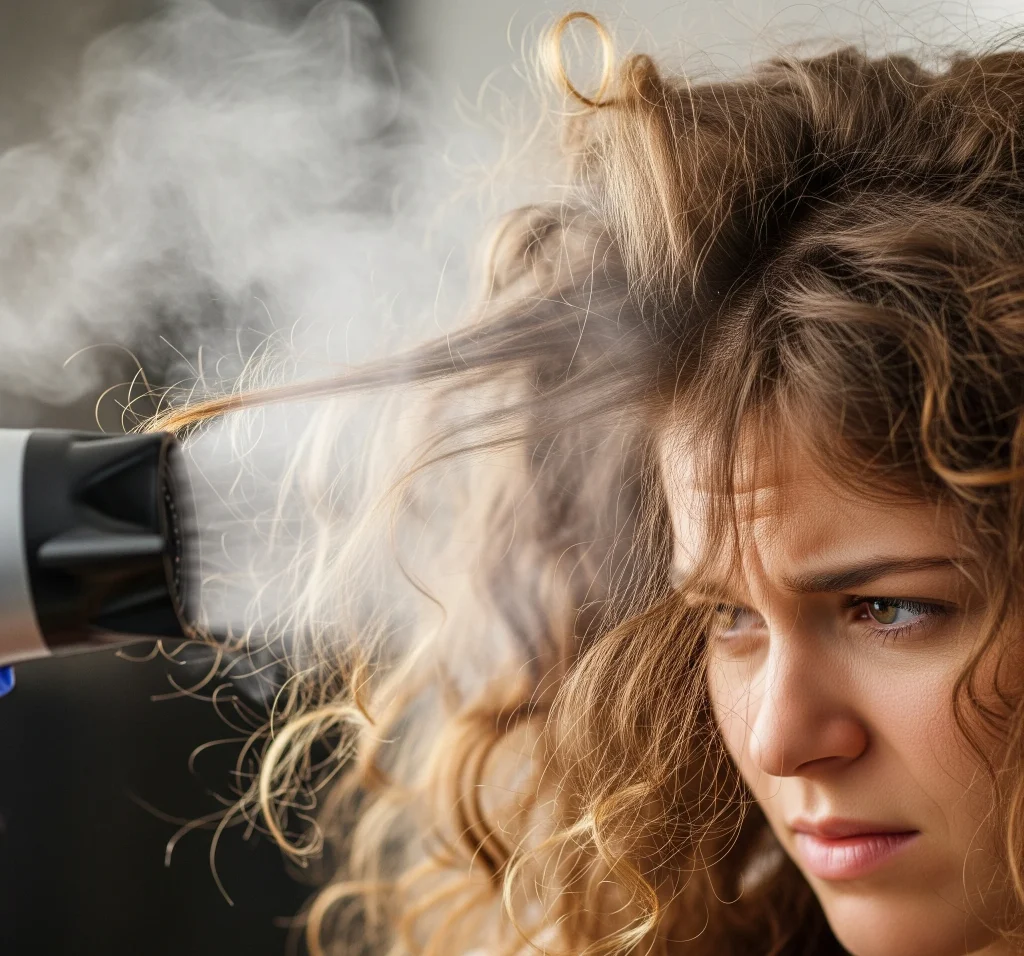
Frequent use of heat styling tools such as blow dryers, curling irons, and straighteners at high temperatures can strip moisture from the hair, leaving it dehydrated and vulnerable. The intense heat essentially cooks the hair, leading to weakened bonds and split ends .
4. Chemical Treatments
Chemical processes like coloring, perming, relaxing, or straightening curly hair can significantly alter its structure. These treatments often involve harsh chemicals that break down the hair’s natural bonds, making it more porous, fragile, and susceptible to damage and splitting. While these treatments can achieve desired aesthetic results, they often come at the cost of hair health if not followed by intensive care .

5. Environmental Factors
Exposure to harsh environmental elements like strong sun, wind, and pollution can also contribute to hair damage. UV rays can degrade hair proteins, while wind can cause tangles and friction, leading to split ends. Chlorine from swimming pools and saltwater can also strip hair of its natural oils, leaving it dry and brittle.

Proactive Prevention: Safeguarding Your Curls
Preventing split ends is far more effective than trying to repair them. A consistent and gentle hair care routine tailored for curly hair is crucial.
1. Regular Trims: The Non-Negotiable Step
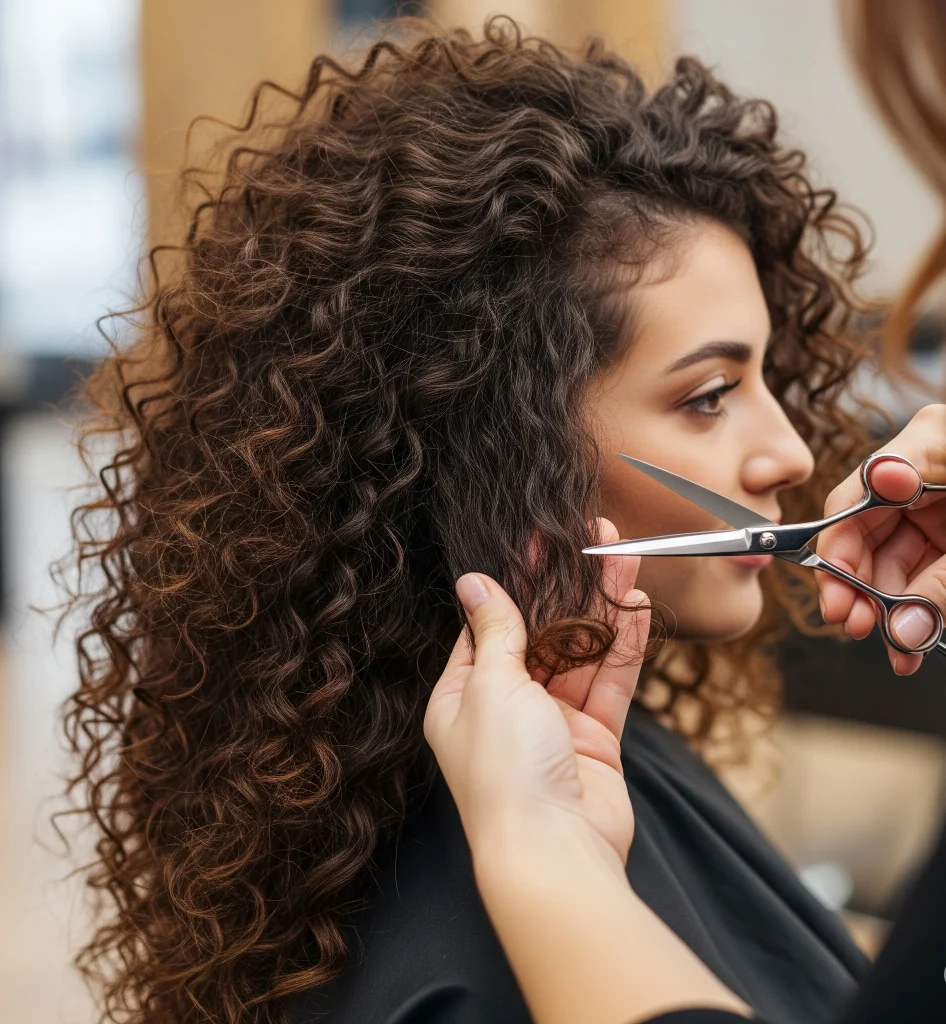
Regular trims are the most effective way to eliminate existing split ends and prevent them from traveling further up the hair shaft. While it might seem counterintuitive for those trying to grow their hair, frequent trims (every 6-8 weeks) actually promote healthier growth by removing damaged ends that would otherwise break off. A dusting, where only the very tips are snipped, can maintain length while keeping damage in check .
2. Gentle Detangling: A Patient Approach
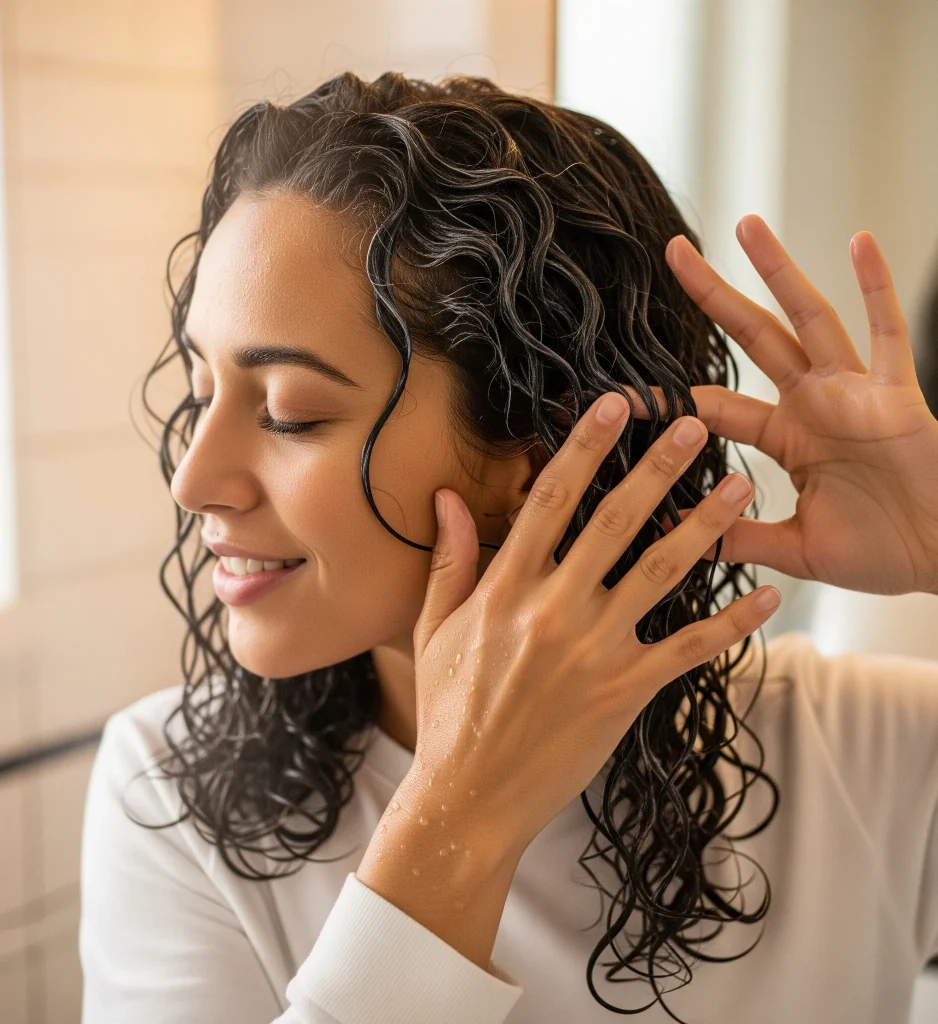
Detangling curly hair requires patience and the right tools. Always detangle when hair is wet and saturated with conditioner, which provides slip and reduces friction. Use your fingers first to gently work through larger knots, then follow with a wide-tooth comb. Start detangling from the ends and gradually work your way up to the roots. Avoid dry brushing, as this can cause significant breakage and exacerbate split ends .
3. Moisturize, Moisturize, Moisturize!
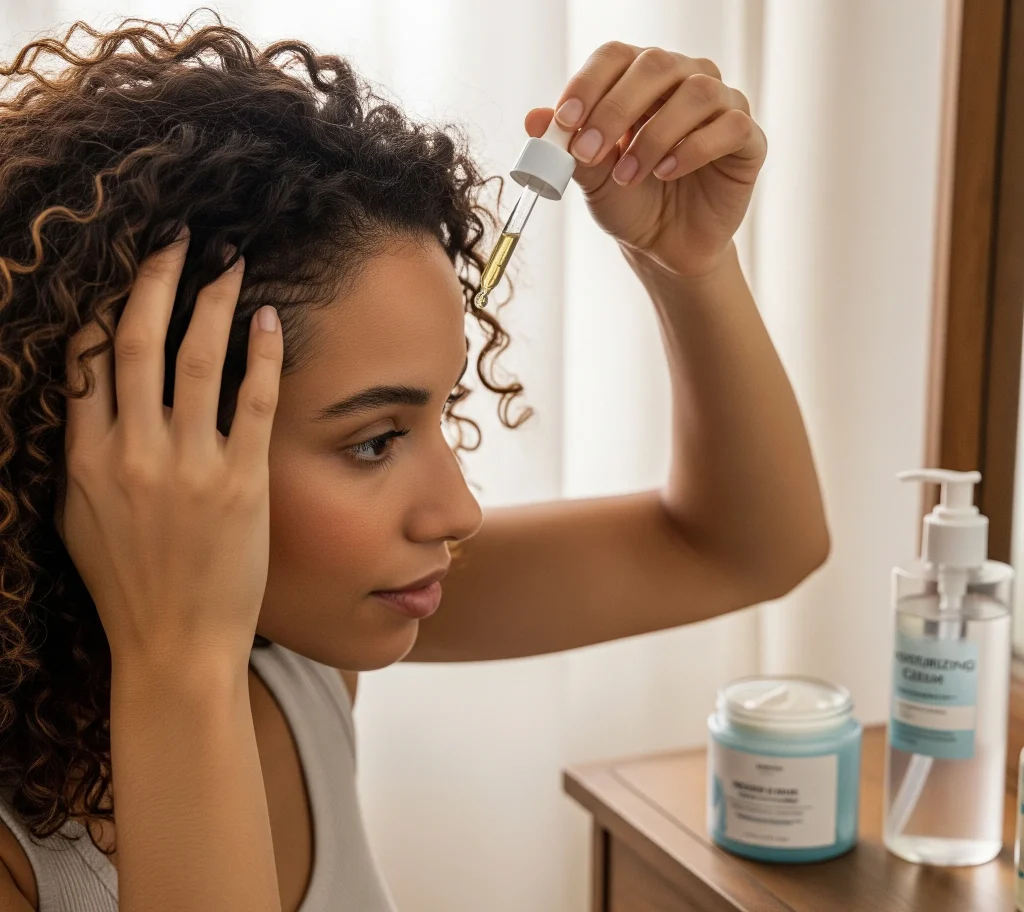
Moisture is paramount for curly hair health. Incorporate a robust moisturizing routine using leave-in conditioners, hair oils, and creams. The LOC (Liquid, Oil, Cream) method is a popular layering technique that helps seal hydration into the hair shaft. Light oils like argan, jojoba, or grapeseed oil can be applied to the ends to provide an extra layer of protection and act as a temporary split end mender .
4. Mindful Washing and Conditioning
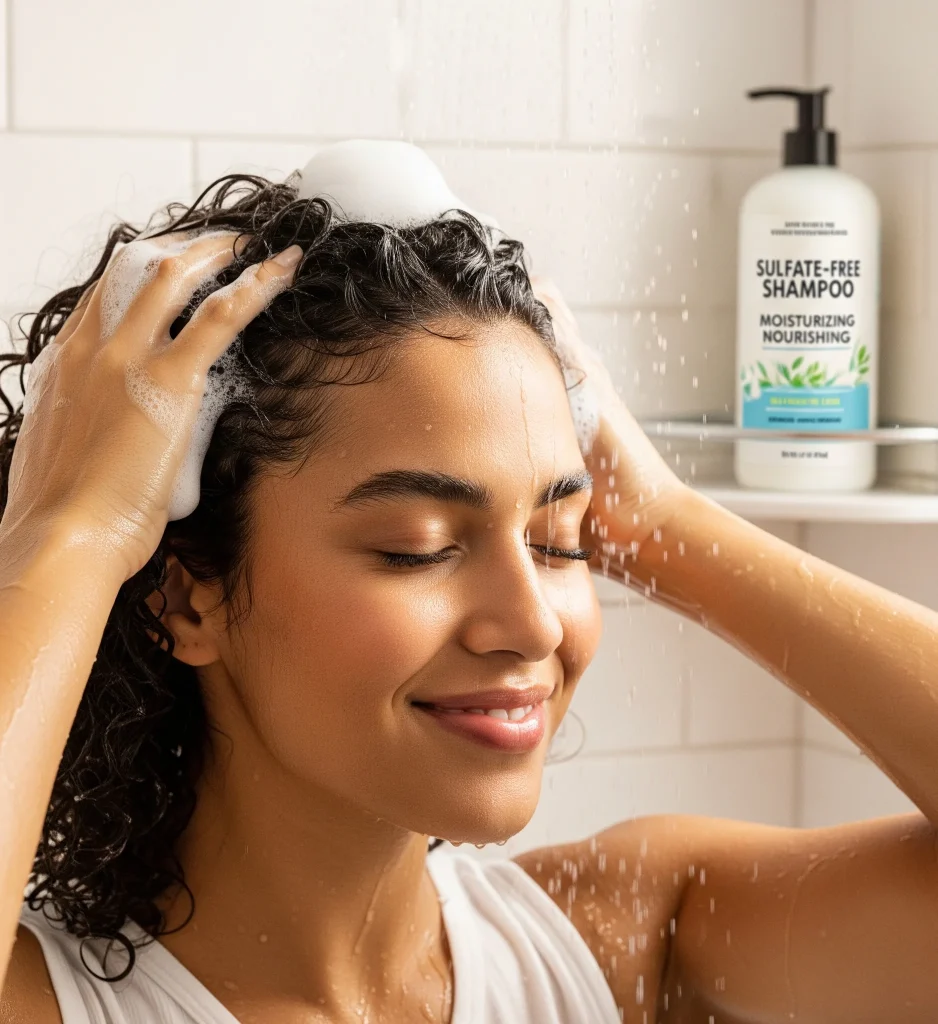
Use sulfate-free shampoos that won’t strip your hair of its natural oils. Over-washing can lead to dryness, making curls more prone to damage. Consider co-washing (washing with conditioner only) for some wash days to maintain moisture levels. Always follow with a deep conditioner or hair mask, focusing on products rich in shea butter, coconut oil, or hydrolyzed proteins to strengthen and hydrate the hair .
5. Heat Protection and Minimal Heat Styling
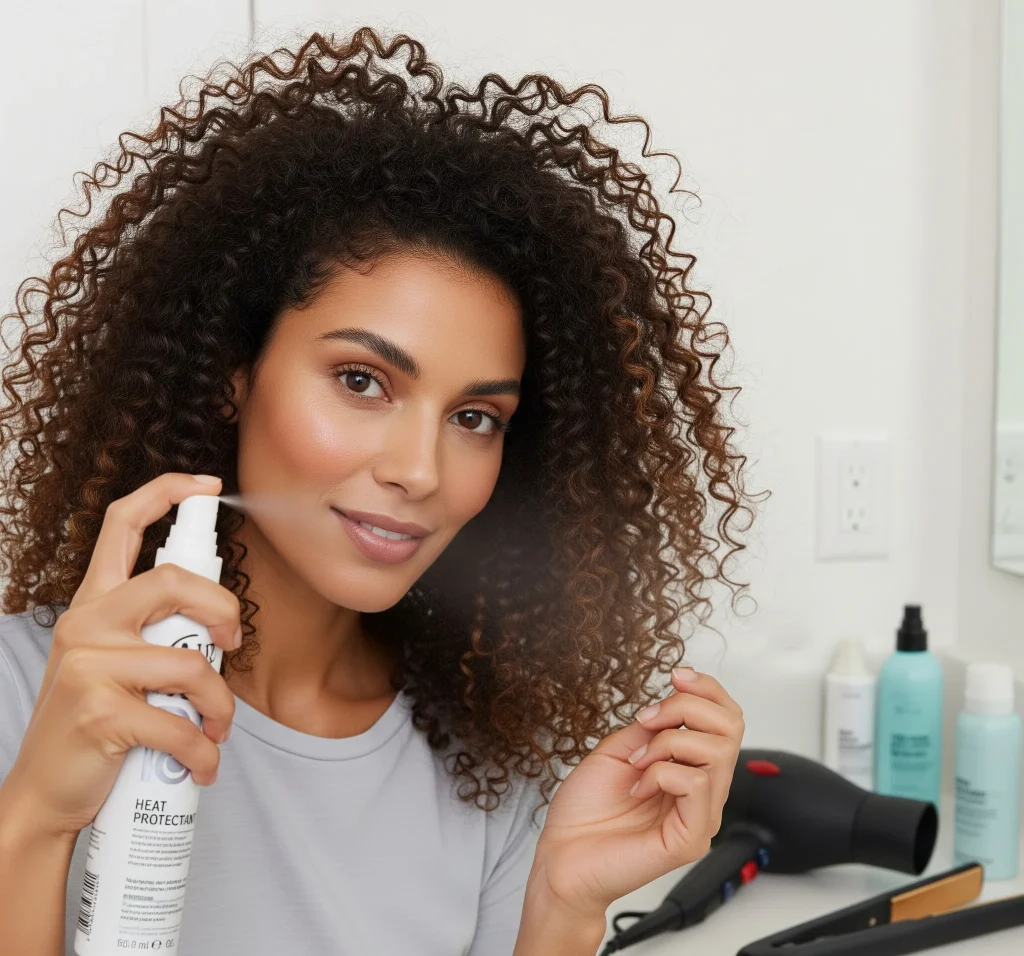
While avoiding heat entirely might not be feasible for everyone, minimizing its use is crucial. When using heat tools, always apply a heat protectant spray beforehand. Opt for lower heat settings and consider air-drying your hair partially before diffusing. If blow-drying, focus the heat on the roots, as the ends are the most fragile part of the hair .
6. Protective Styling and Nighttime Care
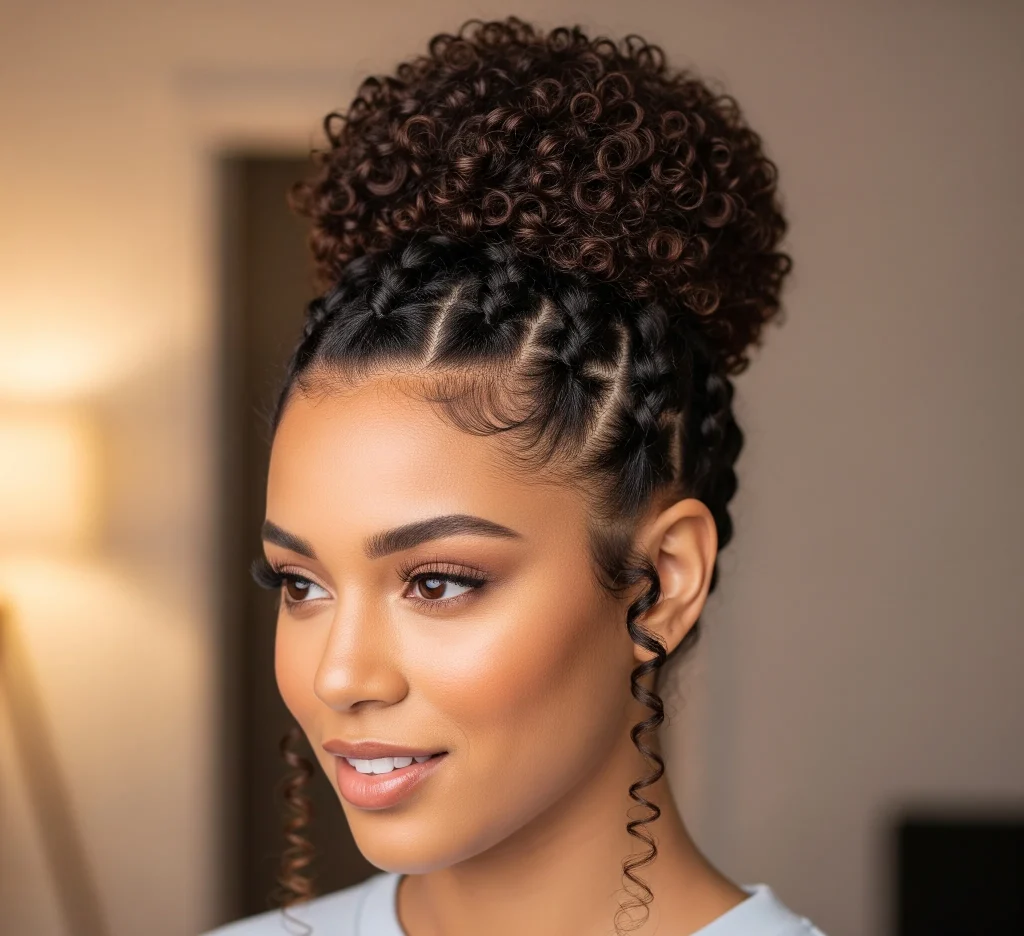
Protective hairstyles, such as braids, twists, or buns, can shield your ends from environmental damage and friction. At night, switch to a silk or satin pillowcase or wear a silk/satin bonnet. Cotton absorbs moisture and creates friction, leading to frizz and breakage. The
pineapple method (piling curls loosely on top of your head) can also help preserve curl definition and reduce tangling while you sleep .
Treating Existing Split Ends: Realistic Solutions
It’s important to understand that once a hair strand has split, it cannot be truly
repaired. Products marketed as ‘split end menders’ can temporarily seal the cuticle, making the hair appear smoother, but this is a cosmetic fix, not a permanent solution. The only definitive way to get rid of split ends is to cut them off.
1. Professional Trims
The most effective and recommended method for treating existing split ends is a professional haircut. A skilled stylist can identify and remove all damaged ends without sacrificing excessive length, ensuring a clean, healthy foundation for your curls.
2. Dusting and Search & Destroy Method
For those hesitant about frequent salon visits, ‘dusting’ involves snipping off only the very tips of the hair where splits are visible. The ‘search and destroy’ method is a more meticulous approach where individual split ends are identified and trimmed. Both methods require sharp hair shears to avoid further damage and should be done on dry, stretched hair for accuracy .
Conclusion
Managing split ends in curly hair is an ongoing journey that requires a combination of understanding, prevention, and timely intervention. While the unique structure of curly hair makes it inherently more prone to dryness and damage, adopting a consistent and gentle hair care regimen can significantly mitigate the occurrence of split ends. Prioritizing moisture, minimizing heat and chemical exposure, practicing careful detangling, and committing to regular trims are the cornerstones of maintaining healthy, vibrant, and split-end-free curls. Remember, healthy hair is beautiful hair, and with the right care, your curls can flourish.