
Managing Low Porosity Hair: Effective Care Tips
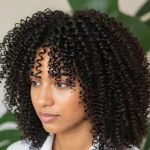
Hair porosity is a crucial characteristic that determines how well your hair absorbs and retains moisture and products. It refers to the condition of your hair’s outermost layer, the cuticle. Imagine your hair strands covered in tiny, overlapping scales, much like shingles on a roof. The way these scales lie dictates your hair’s porosity. Low porosity hair is characterized by a tightly bound cuticle layer with scales that lie flat and close together, leaving very little space for moisture to penetrate
This inherent structure makes low porosity hair resistant to water and hair care products. When you try to wet it, water often beads up on the surface instead of being absorbed. Similarly, conditioners, oils, and styling products tend to sit on top of the hair rather than sinking in, making them less effective . While this might sound challenging, understanding the unique nature of low porosity hair is the first step toward developing an effective care routine that keeps it healthy, hydrated, and vibrant. This comprehensive guide will delve into every aspect of managing low porosity hair, from identifying its characteristics to implementing tailored care tips and product recommendations.
Characteristics of Low Porosity Hair
Identifying low porosity hair is essential for effective management. Here are some common characteristics that distinguish low porosity hair from other hair types:
- Product Buildup: One of the most noticeable signs of low porosity hair is that products tend to sit on the hair rather than being absorbed. You might apply an oil or a leave-in conditioner, only to find it still on the surface of your hair hours later, sometimes even transferring to your fingers if you touch it . This happens because the tightly packed cuticles prevent the product from penetrating the hair shaft.
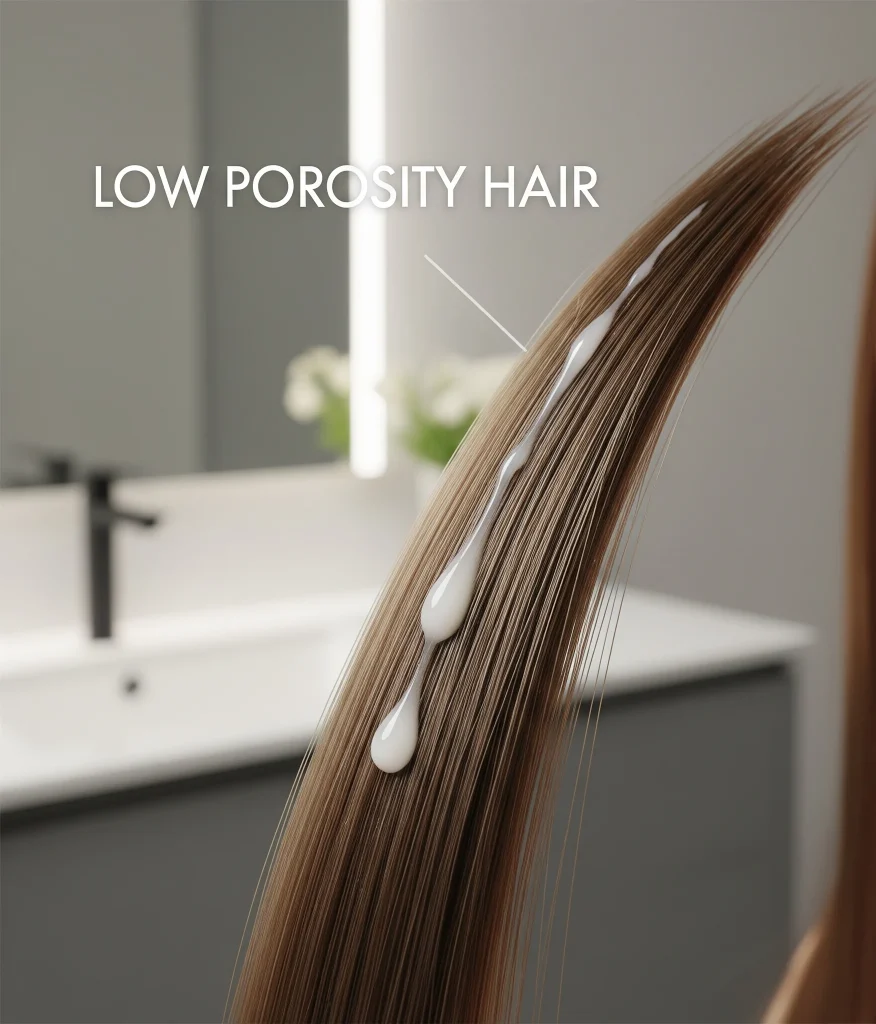
- Takes a Long Time to Get Wet and Dry: Due to its moisture-resistant nature, low porosity hair can be challenging to saturate with water. You might find yourself spending more time in the shower trying to get your hair thoroughly wet. Once wet, it also takes a significantly longer time to air-dry compared to normal or high porosity hair . This is because the water struggles to enter the hair shaft and, once inside, is held tightly, making evaporation slower.

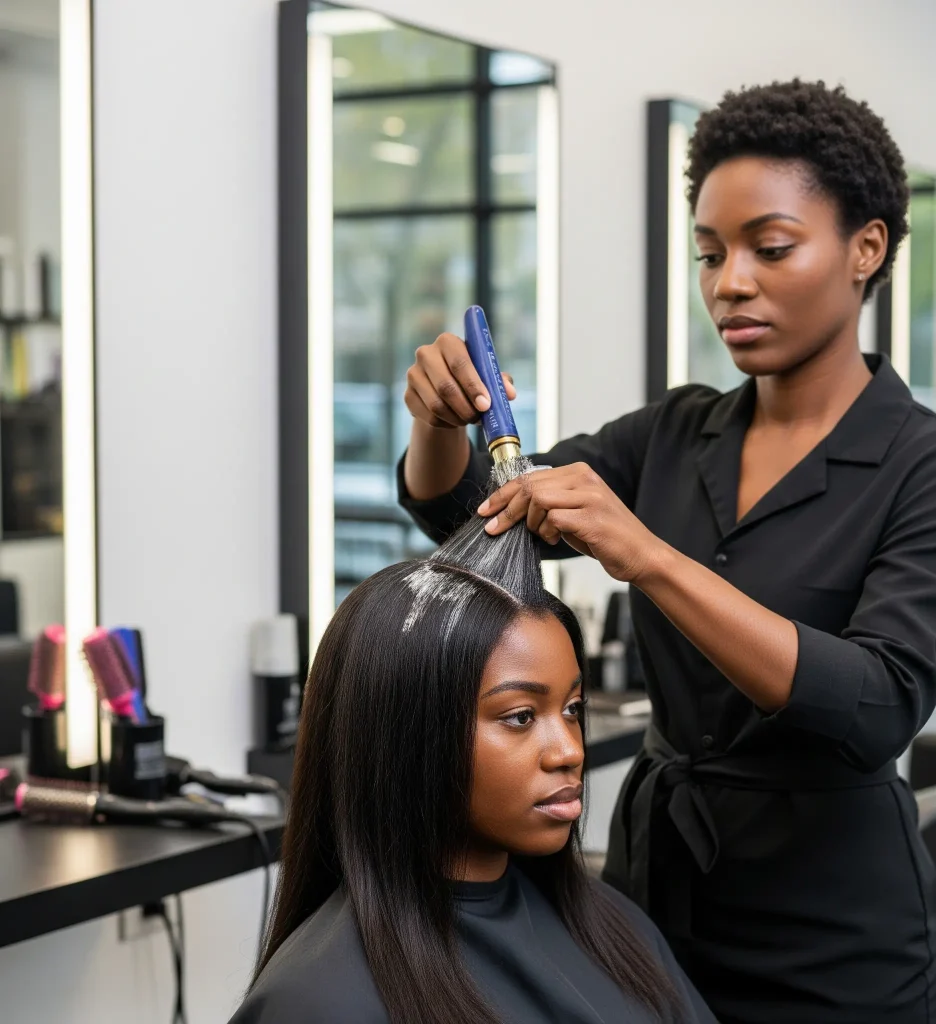
- Resistant to Chemical Processing: If you color, perm, or relax your hair, you might notice that low porosity hair is more resistant to chemical treatments. This is again due to the tightly closed cuticles, which make it difficult for chemical solutions to penetrate and alter the hair structure. This can lead to uneven results or require longer processing times.
- Lack of Elasticity: Low porosity hair can sometimes feel stiff or rigid and may lack elasticity. This can make it prone to breakage if not properly moisturized and handled with care.

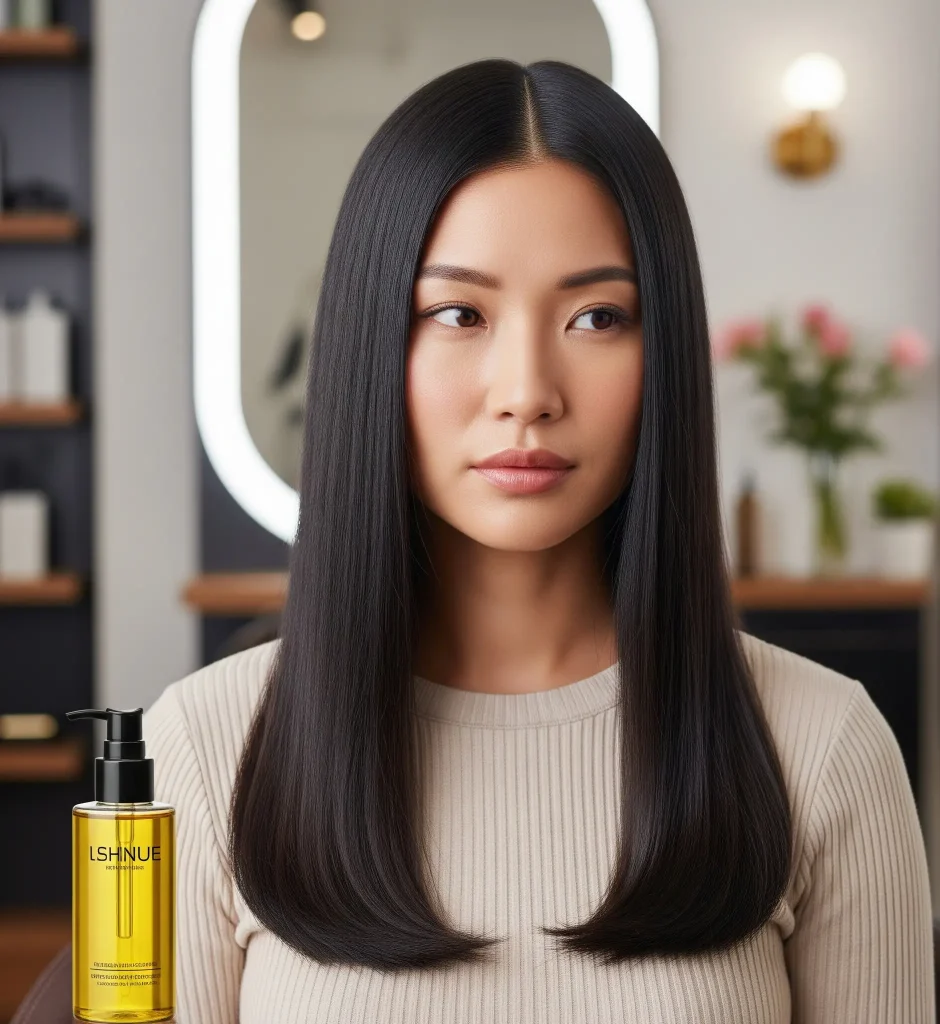
- Shiny Appearance: Paradoxically, low porosity hair often has a natural shine. This is because the smooth, flat cuticle reflects light effectively. While this can be a desirable trait, it doesn’t necessarily indicate good moisture levels within the hair shaft.
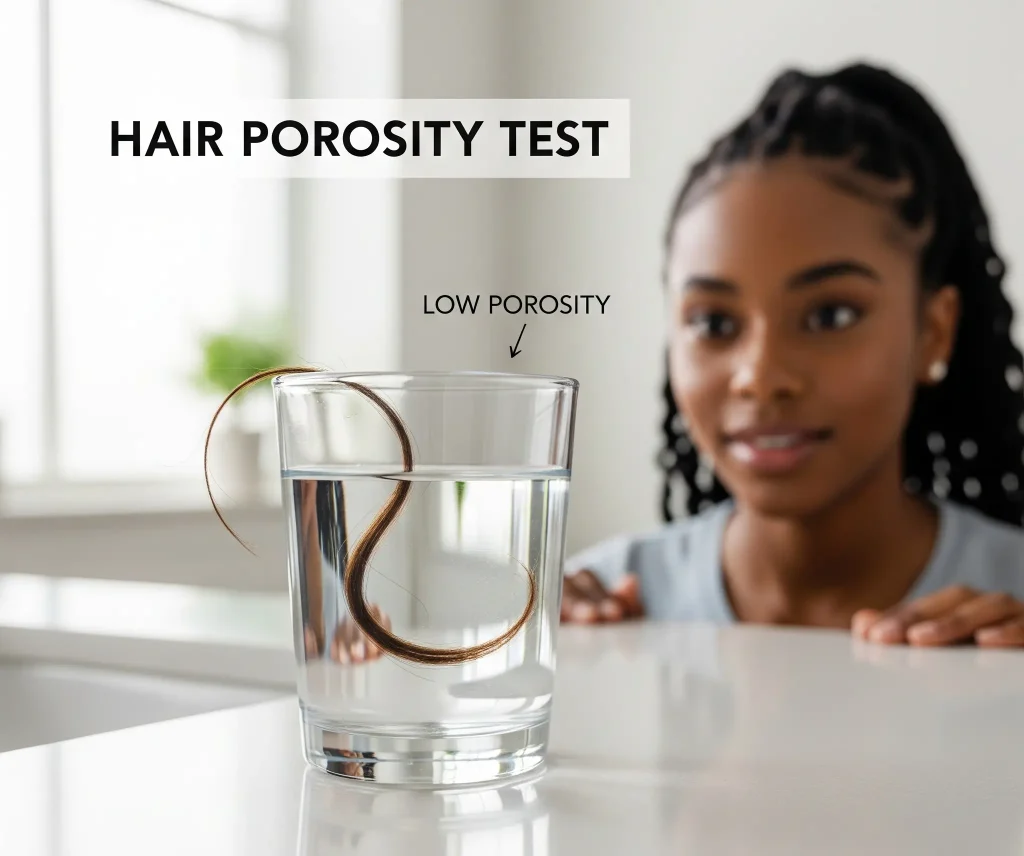
- Hair Floats in Water: A simple test, known as the float test, can help determine your hair porosity. If a strand of your clean hair floats on top of a glass of water for a while before slowly sinking, it’s a strong indicator of low porosity .
Understanding these characteristics is crucial for tailoring your hair care routine to the specific needs of low porosity hair. The next section will detail how to accurately determine your hair porosity.
How to Determine Your Hair Porosity
Knowing your hair porosity is fundamental to choosing the right products and developing an effective hair care regimen. While observing the characteristics mentioned above can give you clues, there are two simple tests you can perform at home to confirm your hair porosity:
1. The Float Test
This is the most common and straightforward method to determine hair porosity:
Steps:
- Clean Your Hair: Shampoo and rinse your hair thoroughly to remove any product buildup. Product residue can interfere with the test results, so ensure your hair is clean and free of oils or styling products.
- Air Dry: Allow your hair to air dry completely.
- Collect a Strand: Gently pluck a single strand of clean, dry hair from your head.
- Place in Water: Fill a clear glass or bowl with room temperature water. Carefully place the hair strand on the surface of the water.
- Observe: Watch the hair strand for a few minutes (up to 2-4 minutes).
Results:
- Floats: If your hair strand floats on top of the water for an extended period (or indefinitely) before slowly sinking, you likely have low porosity hair . This indicates that the cuticle is tightly sealed, preventing water from easily entering the hair shaft.
- Sinks Slowly: If the hair strand gradually sinks to the middle of the glass, you likely have medium porosity hair.
- Sinks Quickly: If the hair strand immediately sinks to the bottom, you have high porosity hair, meaning your cuticles are open and readily absorb moisture.
2. The Spray Test
This test provides a visual confirmation of how your hair reacts to moisture:
Steps:
- Isolate a Section: Take a small section of your clean, dry hair.
- Spray with Water: Lightly mist the section with water from a spray bottle.
- Observe: Watch how the water behaves on your hair.
Results:
- Beads on Surface: If the water droplets sit on the surface of your hair, beading up or rolling off, and take a long time to be absorbed, you have low porosity hair. This confirms the cuticle’s resistance to moisture penetration.
- Absorbs Quickly: If the water is quickly absorbed into your hair, it indicates higher porosity.
Performing these tests will give you a clear understanding of your hair’s porosity, which is a critical piece of information for customizing your hair care routine. The next section will discuss the specific challenges associated with managing low porosity hair.
Challenges of Low Porosity Hair
While low porosity hair has its advantages, such as often being naturally shiny and less prone to chemical damage, its unique structure presents several challenges that can make it difficult to manage. Understanding these hurdles is key to overcoming them and achieving healthy, hydrated hair.
- Difficulty in Moisture Absorption: The primary challenge of low porosity hair is its resistance to moisture. The tightly closed cuticles act as a barrier, making it hard for water, conditioners, and other hydrating products to penetrate the hair shaft. This can lead to chronically dry hair, even if you are diligently applying products, because the moisture isn’t actually getting into the hair .
- Product Buildup and Greasiness: Since products tend to sit on the surface of low porosity hair, they can easily accumulate, leading to significant product buildup. This buildup can make your hair feel heavy, greasy, and dull, and can also clog hair follicles, potentially hindering healthy hair growth . This means you might experience both dryness (inside the hair shaft) and greasiness (on the surface) simultaneously.
- Lack of Product Effectiveness: Many standard hair products are formulated for hair with more open cuticles. For low porosity hair, these products may not deliver their intended benefits because they cannot effectively penetrate the hair. This can lead to frustration as you try various products without seeing desired results.
- Long Drying Times: As mentioned earlier, once low porosity hair finally gets wet, it takes a considerably long time to dry. This can be inconvenient and, if not managed properly, can lead to issues like mildew smell or even fungal growth on the scalp if the hair remains damp for too long.
- Stiffness and Brittleness: Due to the difficulty in absorbing moisture, low porosity hair can often feel stiff and less pliable. This lack of elasticity can make it more susceptible to breakage, especially when styling or detangling, if the hair is not adequately moisturized from within.
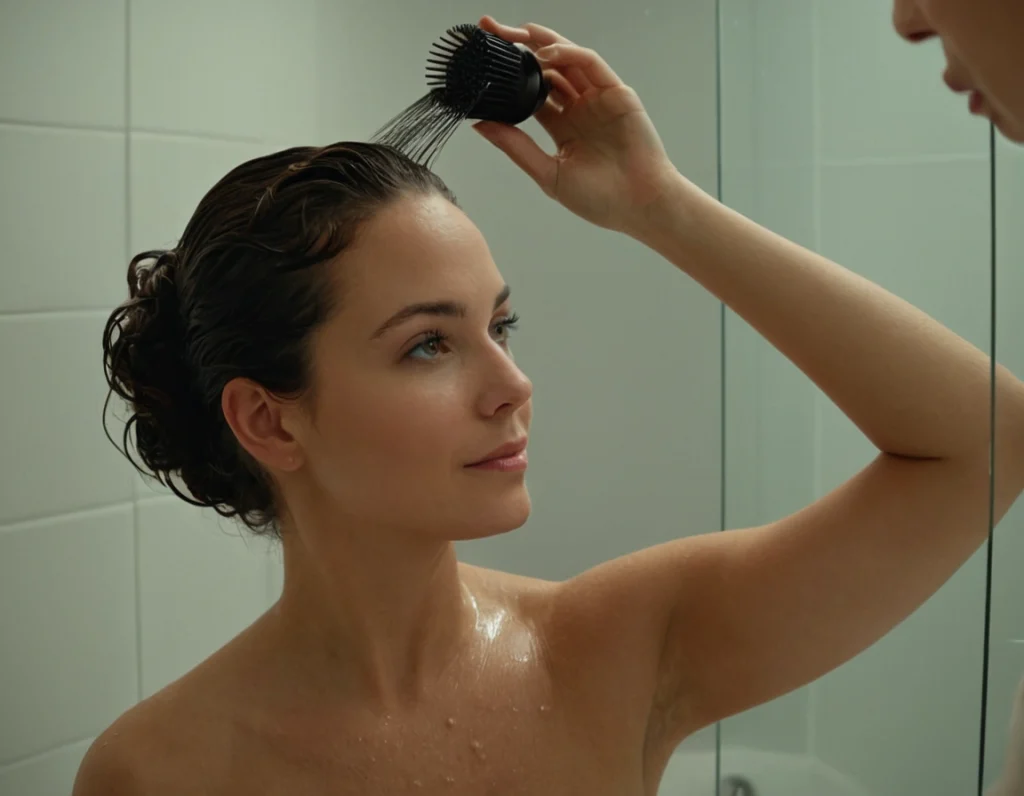
- Difficulty with Deep Conditioning: While deep conditioning is crucial for all hair types, it can be particularly challenging for low porosity hair. Without the proper techniques (like applying heat), deep conditioners may simply sit on the hair’s surface, providing minimal benefit .
These challenges highlight the need for a specialized approach to low porosity hair care. The following sections will provide effective strategies and tips to address these issues and help you achieve optimal hair health.
Essential Hair Care Tips for Low Porosity Hair
Managing low porosity hair effectively requires a tailored approach that focuses on maximizing moisture absorption and preventing product buildup. Here are essential care tips, broken down into key areas:
1. Cleansing (Shampooing)
Cleansing is a critical step for low porosity hair, as product buildup is a common issue. The goal is to thoroughly clean the hair and scalp without stripping away essential moisture.
- Use Clarifying or Sulfate-Containing Shampoos (Periodically): While many natural hair enthusiasts shy away from sulfates, they can be beneficial for low porosity hair. Sulfates are effective at removing heavy product buildup that can accumulate on the hair’s surface. Incorporate a clarifying shampoo into your routine every 1-2 weeks, or as needed, to remove residue and allow subsequent products to penetrate better. For regular washes, a gentle, sulfate-free shampoo can be used, but ensure it effectively cleanses without leaving a film.
- Focus on the Scalp: When shampooing, concentrate the product on your scalp, as this is where most of the oil and product buildup occurs. Gently massage your scalp to stimulate blood flow and loosen any debris. The lather will naturally cleanse the rest of your hair as you rinse.
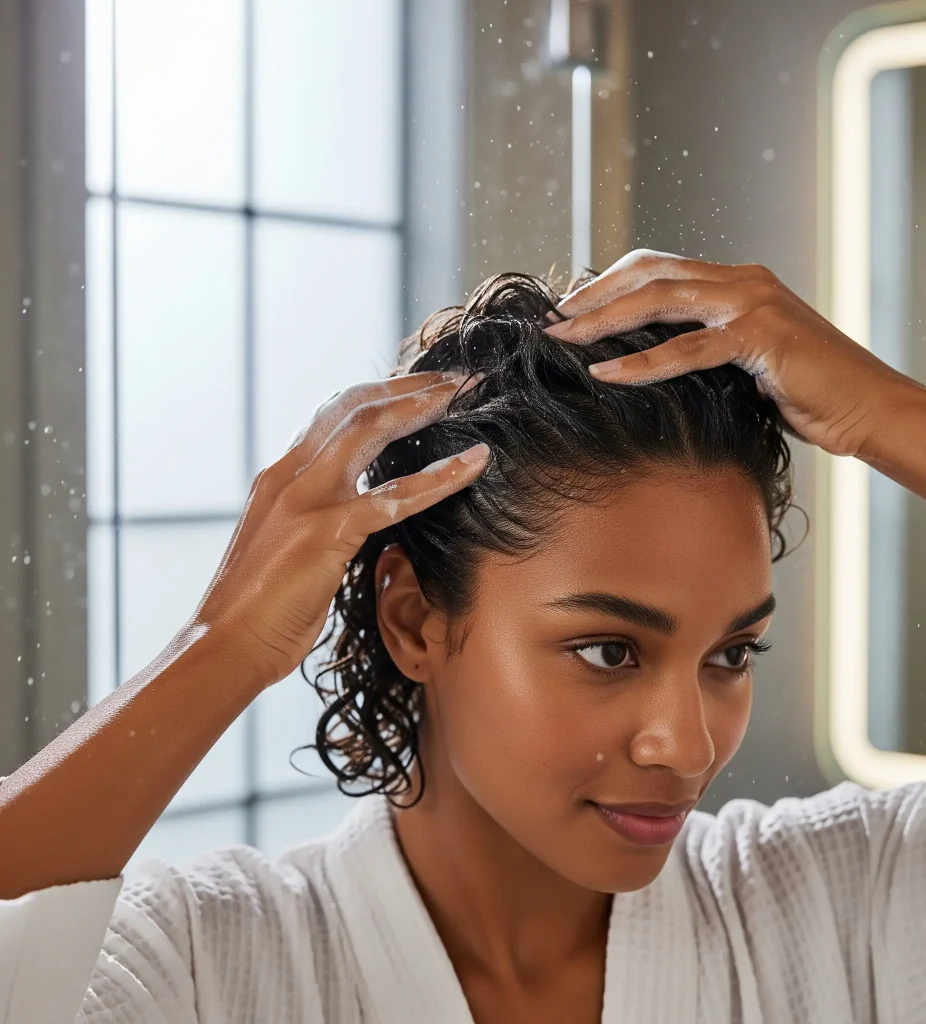
- Warm Water is Your Friend: Always use warm water when shampooing low porosity hair. Warm water helps to gently lift the hair cuticles, making it easier for the shampoo to cleanse and for moisture to penetrate in subsequent steps . Avoid excessively hot water, as it can be drying.
- Avoid Co-Washing (Mostly): Co-washing (using conditioner to wash hair) is generally not recommended for low porosity hair. Conditioners are not designed to effectively remove buildup, and using them as a primary cleanser can exacerbate the problem, leading to even more residue and weighed-down hair . Save co-washing for occasional refreshes if your hair feels particularly dry, but it shouldn’t be your primary cleansing method.
- Rinse Thoroughly: Ensure you rinse your hair thoroughly after shampooing to remove all traces of the product. Any leftover shampoo can contribute to buildup and dullness.
By adopting a strategic cleansing routine, you can create a clean canvas for your low porosity hair, allowing it to better absorb the nourishing products you apply next.
2. Conditioning (Regular & Deep Conditioning)
Conditioning is vital for low porosity hair to provide much-needed moisture and improve manageability. However, the key is to ensure the conditioner actually penetrates the hair shaft.
Regular Conditioning:
- Lightweight Formulas: Opt for lightweight, water-based conditioners that are less likely to sit on the hair and cause buildup. Look for ingredients like glycerin, aloe vera, and honey, which are humectants that draw moisture into the hair . Avoid heavy butters and oils in your daily conditioner, as these can coat the hair and prevent moisture absorption.
- Apply to Wet Hair: Always apply conditioner to thoroughly wet hair. This helps to distribute the product evenly and allows for better absorption. You can even dilute your conditioner with a small amount of water before applying it to make it more easily absorbable .
- Finger Detangle or Use a Wide-Tooth Comb: While the conditioner is in your hair, gently detangle with your fingers or a wide-tooth comb. This helps to work the product through your strands and minimize breakage.
- Rinse with Cool Water: After conditioning, rinse your hair with cool or lukewarm water. Cool water helps to close the hair cuticles, sealing in the moisture and leaving your hair smoother and shinier .
Deep Conditioning with Heat:
- Crucial for Penetration: Deep conditioning is arguably the most important step for low porosity hair. The application of heat is crucial here, as it helps to gently lift the tightly packed cuticles, allowing the deep conditioner to penetrate the hair shaft more effectively .
- Methods of Heat Application:
- Hair Steamer: A hair steamer is an excellent investment for low porosity hair. The moist heat from the steamer opens the cuticles and allows the deep conditioner to deeply penetrate the hair .
- Thermal Cap/Heated Cap: These caps provide consistent, gentle heat. Apply your deep conditioner, cover your hair with a plastic cap, and then place the thermal cap over it. Follow the instructions for the specific cap, typically 15-30 minutes.
- Warm Towel Method: After applying deep conditioner and covering your hair with a plastic cap, wrap a warm, damp towel around your head. You can re-warm the towel if it cools down. This method creates a mini-steam environment.
- Blow Dryer (Indirect Heat): After applying deep conditioner and covering your hair with a plastic cap, you can use a blow dryer on a low, warm setting to gently heat your hair through the cap for a few minutes .
- Product Choice for Deep Conditioning: For deep conditioners, focus on moisturizing formulas rather than protein treatments. While protein is essential for hair strength, too much protein can make low porosity hair stiff and brittle, as it can sit on the surface and lead to buildup . Look for deep conditioners rich in humectants and emollients that provide intense hydration.
- Rinse with Cool Water: Always finish your deep conditioning treatment with a cool water rinse to seal the cuticles and lock in the moisture.
By incorporating these conditioning techniques, especially deep conditioning with heat, you can significantly improve the moisture levels and overall health of your low porosity hair.
3. Moisturizing & Sealing
Moisturizing and sealing are crucial steps to ensure that the moisture you’ve worked so hard to get into your low porosity hair stays there. The goal is to use lightweight products that penetrate easily and then seal that moisture in without causing buildup.
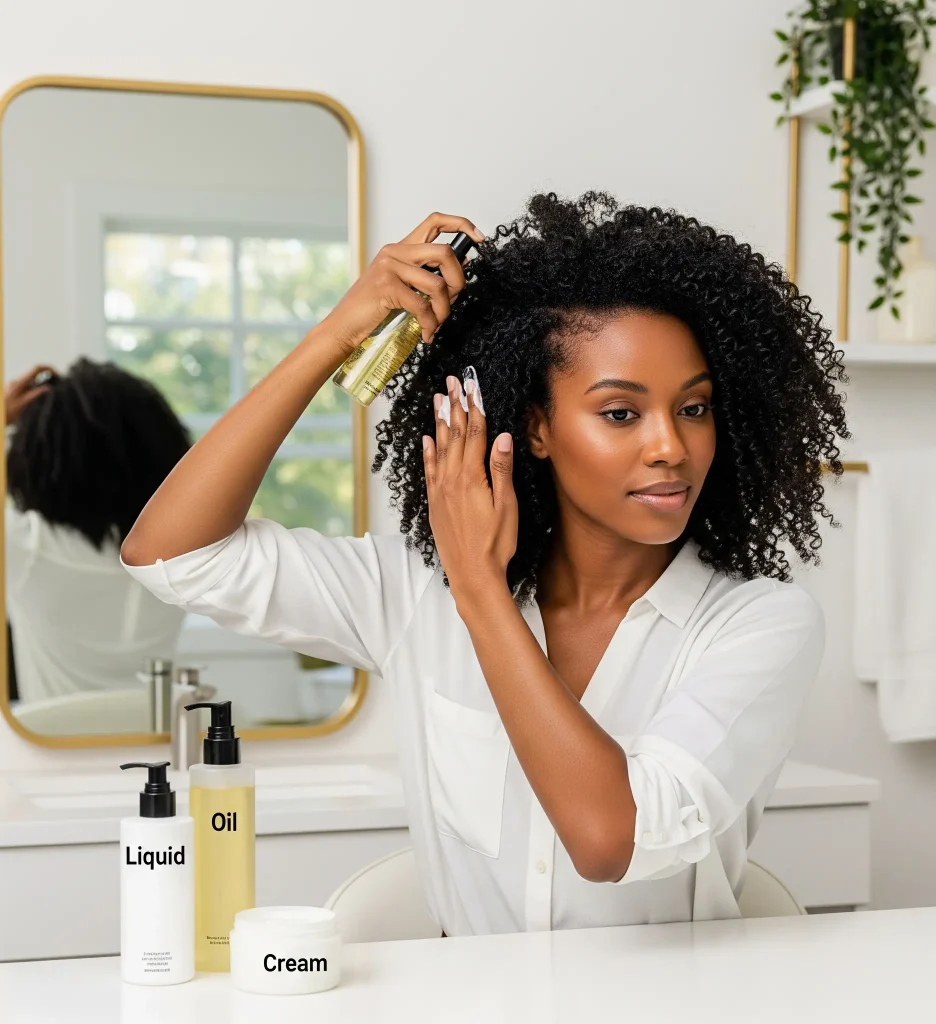
- Layer Lightweight Products: For low porosity hair, the LOC (Liquid, Oil, Cream) or LCO (Liquid, Cream, Oil) method can be effective, but with a focus on lightweight formulations. The idea is to layer products to provide and seal in moisture:
- Liquid (L): Start with a water-based leave-in conditioner or a hydrating mist. Water is the ultimate moisturizer, and a water-based product will provide the initial hydration. Look for products where water is the first ingredient .
- Oil (O): Follow with a lightweight oil to seal in the moisture. Heavy oils can sit on the surface of low porosity hair, so opt for lighter options like jojoba oil, grapeseed oil, sweet almond oil, or argan oil . These oils are closer in composition to your hair’s natural sebum and are less likely to cause buildup.
- Cream (C): If using a cream, choose a light, water-based styling cream or curl definer. Avoid heavy butters or thick creams that can weigh down your hair and contribute to buildup.
- Apply to Damp Hair: Always apply moisturizing products to damp, not soaking wet or completely dry, hair. Damp hair is more receptive to absorbing products, as the water helps to carry the ingredients into the hair shaft .
- Section Your Hair: Work in small sections when applying products. This ensures that every strand receives adequate attention and product distribution, preventing some areas from being over-saturated and others from being neglected.
- Gentle Application: Use gentle, downward strokes when applying products to help smooth down the cuticles and encourage absorption. Avoid rubbing vigorously, which can rough up the cuticle and lead to frizz.
- Less is More: With low porosity hair, it’s easy to over-apply products, leading to buildup. Start with a small amount and add more only if necessary. Remember, the goal is to moisturize, not to coat the hair heavily.
By carefully selecting and layering lightweight moisturizing and sealing products, you can ensure your low porosity hair remains hydrated and healthy without feeling greasy or weighed down.
4. Product Selection (Ingredients to Look For and Avoid)
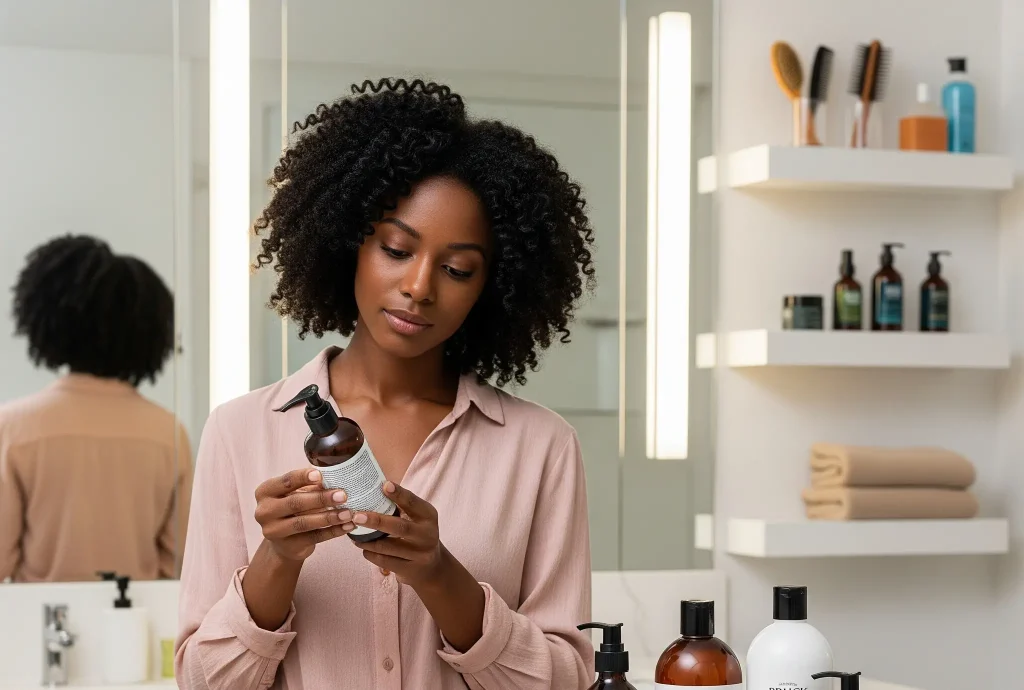
Choosing the right products is paramount for managing low porosity hair. The wrong ingredients can lead to frustrating buildup and a lack of moisture penetration. Focus on lightweight, water-based formulations and humectants.
Ingredients to Look For:
- Water (Aqua): Always look for water as the first ingredient in your products. This indicates a water-based formula that will be more easily absorbed by low porosity hair .
- Humectants: These ingredients attract and draw moisture from the air into your hair. Excellent humectants for low porosity hair include glycerin, honey, aloe vera, and hyaluronic acid .
- Lightweight Oils: When choosing oils, opt for those with smaller molecular structures that can penetrate the hair shaft more easily without leaving a greasy film. Examples include jojoba oil, grapeseed oil, sweet almond oil, argan oil, and baobab oil .
- Hydrolyzed Proteins: While too much protein can be problematic, hydrolyzed proteins (proteins broken down into smaller molecules) can be beneficial in moderation. They are small enough to penetrate the cuticle and can help strengthen the hair without causing stiffness. Look for ingredients like hydrolyzed wheat protein, hydrolyzed silk protein, or hydrolyzed keratin.
- Emollients: These ingredients help to soften and smooth the hair. Look for lightweight emollients that don’t cause buildup.
Ingredients to Avoid (or Use Sparingly):
- Heavy Oils and Butters: Avoid heavy oils like castor oil, coconut oil, and olive oil, as well as thick butters like shea butter and cocoa butter. These tend to sit on top of low porosity hair, leading to buildup and preventing moisture from entering.
- Silicones (Non-Water Soluble): Many silicones can create a barrier on the hair shaft, preventing moisture from penetrating. While some silicones are water-soluble and can be rinsed out easily, non-water-soluble silicones (often ending in -cone, -xane, -conol) can cause significant buildup. If you use products with silicones, ensure you regularly clarify your hair.
- Excessive Protein: While some hydrolyzed proteins are fine, avoid products with high concentrations of protein, especially if they are not hydrolyzed. Low porosity hair is often protein-sensitive, and too much protein can lead to stiffness, brittleness, and breakage.
By being mindful of product ingredients, you can select formulations that work synergistically with your low porosity hair, promoting hydration and health rather than contributing to buildup and dryness.
5. Heat Application (Steaming, Warm Water)
Heat is a powerful ally for low porosity hair. It helps to gently lift the tightly closed cuticles, allowing products to penetrate more effectively. Incorporating heat into your routine can significantly improve moisture absorption and product efficacy.
- Warm Water for Washing: Always start your wash day with warm water. As mentioned in the cleansing section, warm water helps to open the hair cuticles, making it easier for shampoo to cleanse and for conditioners and treatments to penetrate in subsequent steps . This creates a receptive environment for moisture.
- Steaming: Hair steaming is one of the most effective ways to infuse moisture into low porosity hair. The moist heat from a hair steamer gently lifts the cuticles, allowing water and conditioning treatments to deeply penetrate the hair shaft. You can use a dedicated hair steamer or create a DIY steam treatment by sitting in a steamy bathroom after a hot shower . Steam treatments are particularly beneficial during deep conditioning sessions.
- Heated Conditioning Caps: These caps provide consistent, gentle heat that helps to open the cuticles and enhance the penetration of deep conditioners. After applying your deep conditioner, cover your hair with a plastic cap and then place the heated cap over it. Follow the manufacturer’s instructions for the duration, typically 15-30 minutes .
- Warm Towel Method: If you don’t have a steamer or heated cap, the warm towel method is a great alternative. After applying your deep conditioner and covering your hair with a plastic cap, wrap a warm, damp towel around your head. The warmth from the towel will create a gentle steaming effect, helping the product to penetrate. You can re-warm the towel as it cools .
- Indirect Heat with a Blow Dryer: For a quick heat boost, after applying deep conditioner and covering your hair with a plastic cap, you can use a blow dryer on a low, warm setting to gently heat your hair through the cap for a few minutes . Be careful not to overheat your hair.
By strategically using heat, you can transform your low porosity hair care routine, making it easier for your hair to absorb the moisture and nutrients it needs to thrive.
6. Styling Tips
Styling low porosity hair can be a breeze once you understand its unique needs. The key is to work with its natural tendencies and avoid practices that can lead to product buildup or dryness.
- Style on Damp Hair: Low porosity hair is most pliable and receptive to styling when it’s damp, not soaking wet or completely dry. Applying styling products to damp hair helps them to spread evenly and penetrate better, leading to more defined and longer-lasting styles .
- Use Lightweight Styling Products: Just like with conditioners and moisturizers, opt for lightweight styling products. Gels, mousses, and light creams that are water-based and don’t contain heavy oils or butters are ideal. These products will provide hold and definition without weighing down your hair or causing buildup.
- Apply in Sections: Work in small sections when applying styling products. This ensures even distribution and allows you to thoroughly work the product into each strand. This is especially important for curly or coily low porosity hair to achieve well-defined curls.
- Avoid Excessive Heat Styling: While heat can be beneficial for product penetration, excessive heat styling (e.g., flat ironing, curling irons) can damage the hair and lead to dryness. If you must use heat tools, always apply a lightweight heat protectant first. Air drying or diffusing on a low-heat setting is generally preferred for low porosity hair.
- Protect Your Hair at Night: To preserve your style and prevent moisture loss, protect your hair at night. Use a satin or silk bonnet, scarf, or pillowcase. These materials reduce friction and help to retain moisture, unlike cotton, which can absorb moisture from your hair.
- Refresh with Mists: Instead of reapplying heavy products to refresh your style, use a light hydrating mist or a diluted leave-in conditioner. This will add moisture without causing buildup. You can even make your own refreshing mist with water and a few drops of a lightweight oil or humectant.
By following these styling tips, you can achieve beautiful, defined styles that last, without compromising the health and hydration of your low porosity hair.
Common Mistakes to Avoid
Even with the best intentions, it’s easy to make mistakes when caring for low porosity hair. Avoiding these common pitfalls can significantly improve your hair’s health and manageability.
- Using Heavy Products: This is perhaps the most common mistake. Applying heavy oils, butters, and thick creams to low porosity hair will inevitably lead to product buildup, greasiness, and a lack of moisture penetration. These products sit on the surface, suffocating the hair and preventing it from absorbing the hydration it needs.
- Skipping Clarifying Shampoos: Neglecting to regularly clarify your hair allows product buildup to accumulate, creating a barrier that makes it even harder for moisture to enter. This can lead to dull, lifeless hair and even scalp issues .
- Applying Products to Dry Hair: Low porosity hair struggles to absorb products when dry. Applying conditioners, leave-ins, or styling products to dry hair means they will likely just sit on the surface, leading to buildup and ineffective results . Always ensure your hair is damp or wet when applying products.
- Over-Applying Products: Thinking that more product will lead to better results is a common misconception with low porosity hair. Because of its resistance to absorption, over-applying products only exacerbates buildup and can make your hair feel heavy and greasy. A little goes a long way; start with a small amount and add more only if truly necessary.
- Ignoring Heat During Deep Conditioning: Deep conditioning without heat for low porosity hair is often a wasted effort. Without the gentle warmth to lift the cuticles, the nourishing ingredients in your deep conditioner will struggle to penetrate the hair shaft, providing minimal benefit .
- Using Too Much Protein: While protein is a vital component of healthy hair, low porosity hair can be sensitive to it. Too much protein, especially in non-hydrolyzed forms, can lead to stiffness, brittleness, and breakage, as it can sit on the hair’s surface and create a hard cast . Balance is key; if you use protein treatments, do so sparingly and follow up with a moisturizing deep conditioner.
- Not Rinsing Thoroughly: Any leftover product, whether shampoo, conditioner, or styling cream, can contribute to buildup and dullness. Ensure you rinse your hair thoroughly after each wash and conditioning step.
By being aware of and actively avoiding these common mistakes, you can optimize your low porosity hair care routine and foster healthier, more vibrant hair.
Recommended Products (General Categories/Ingredients)
Instead of specific brands, focusing on product categories and key ingredients will empower you to make informed choices for your low porosity hair. Remember, the goal is lightweight, water-based formulations that promote moisture absorption and prevent buildup.
- Shampoos:
- Clarifying Shampoos: Essential for periodic use (every 1-2 weeks) to remove buildup. Look for ingredients like Sodium Laureth Sulfate or Sodium C14-16 Olefin Sulfonate, which are effective cleansers. However, ensure they are balanced with moisturizing agents to prevent excessive stripping.
- Gentle, Sulfate-Free Shampoos: For regular washes, choose shampoos that are gentle yet effective. Look for formulas with humectants like glycerin or honey to add moisture during cleansing.
- Conditioners (Rinse-Out & Leave-In):
- Lightweight Rinse-Out Conditioners: Prioritize conditioners with water as the first ingredient. Look for humectants (glycerin, aloe vera, honey) and lightweight emollients. Avoid heavy oils and butters.
- Water-Based Leave-In Conditioners: These are crucial for providing initial hydration. Again, water should be the primary ingredient. Look for formulas that are thin in consistency and contain humectants.
- Deep Conditioners/Hair Masks:
- Moisturizing Deep Conditioners: Focus on intense hydration. Ingredients like glycerin, honey, aloe vera, and lightweight plant oils (jojoba, grapeseed, argan) are excellent. Avoid protein-heavy masks unless specifically formulated for low porosity hair and used sparingly.
- Oils:
- Lightweight Sealing Oils: Jojoba oil, grapeseed oil, sweet almond oil, argan oil, and baobab oil are ideal for sealing in moisture without weighing down low porosity hair. These oils are less likely to sit on the surface.
- Styling Products:
- Lightweight Gels and Mousses: For hold and definition, opt for water-based gels and mousses that don’t contain heavy oils or silicones. These will provide structure without causing buildup.
- Hydrating Mists: A simple mixture of water and a humectant (like a few drops of glycerin or aloe vera juice) can be an excellent refreshing mist for daily use.
Key Ingredients to Prioritize:
- Water (Aqua)
- Glycerin
- Honey
- Aloe Vera
- Jojoba Oil
- Grapeseed Oil
- Sweet Almond Oil
- Argan Oil
- Hydrolyzed Proteins (in moderation)
By understanding these general categories and ingredients, you can confidently navigate the vast world of hair products and select those that will truly benefit your low porosity hair.
Conclusion
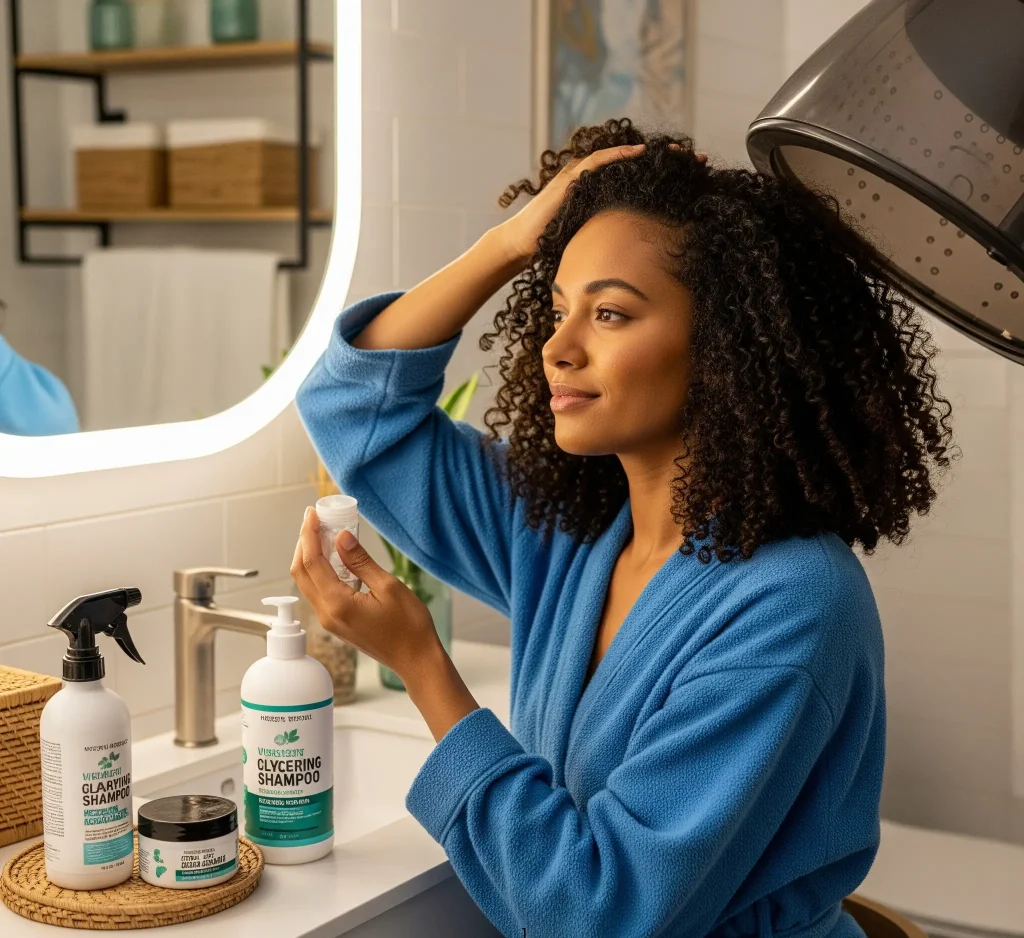
Managing low porosity hair might seem challenging at first, given its unique structure and resistance to moisture. However, with the right knowledge and a tailored approach, you can transform your hair care routine and unlock the full potential of your strands. The key lies in understanding that low porosity hair requires products and techniques that facilitate moisture penetration rather than simply coating the hair.
By embracing warm water, strategic heat application during deep conditioning, and lightweight, water-based products rich in humectants, you can effectively hydrate your hair from within. Regular clarifying to prevent buildup, mindful product selection, and gentle styling practices are equally crucial. Remember, consistency is vital, and what works for one person may need slight adjustments for another. Experiment with the tips provided, pay attention to how your hair responds, and be patient with the process.
Low porosity hair, once properly understood and cared for, can be incredibly healthy, shiny, and resilient. By implementing these effective care tips, you’ll be well on your way to achieving vibrant, moisturized, and manageable hair that truly thrives.