

How to Take Care of Hair in Autumn – A Complete Guide
As the vibrant hues of summer fade into the warm, earthy tones of autumn, a subtle yet significant shift occurs not only in our surroundings but also in the very nature of our hair. The crisp air, the gentle breezes, and the eventual drop in humidity, while delightful for many, can present unique challenges for our tresses. Just as we adapt our wardrobes and skincare routines to the changing seasons, our hair care regimen also demands a thoughtful and proactive adjustment. Ignoring these seasonal shifts can lead to a myriad of hair concerns, from increased dryness and brittleness to unwelcome shedding and a noticeable lack of luster. This comprehensive guide aims to illuminate the specific impacts of autumn on hair and provide a detailed roadmap for nurturing your locks, ensuring they remain healthy, resilient, and beautiful throughout the fall season.

II. Understanding Autumn’s Impact on Hair
Autumn brings with it a distinct set of environmental factors that can profoundly influence hair health. The transition from the humid warmth of summer to the cooler, drier air of fall is a primary culprit. As humidity levels drop, the air becomes less saturated with moisture, leading to a natural tendency for hair to lose its internal hydration. This can result in hair feeling rough, looking dull, and becoming more prone to static and frizz. Furthermore, the increased use of indoor heating systems as temperatures fall exacerbates this dryness, creating an environment that can strip hair of its essential oils and leave it parched and vulnerable.

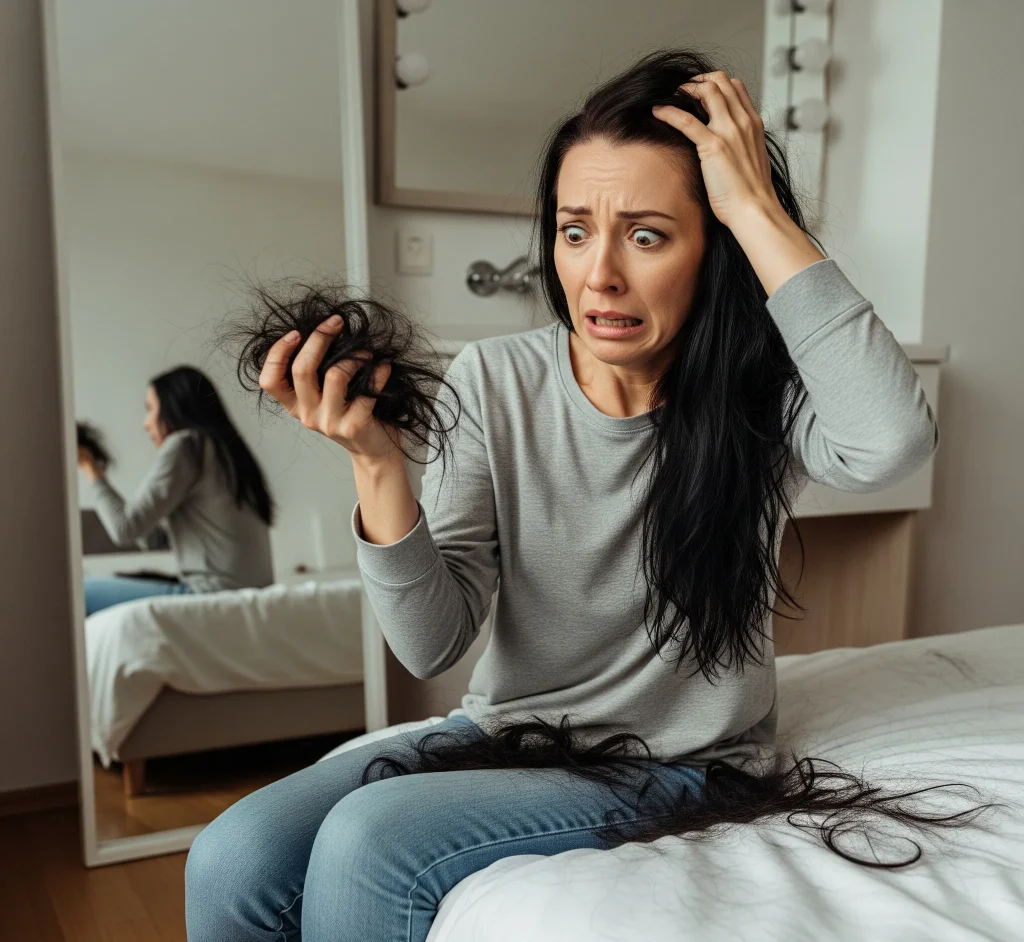
One of the most commonly observed phenomena during autumn is an increase in hair shedding, often referred to as seasonal telogen effluvium. While alarming to many, this is a largely natural physiological response. Our hair follicles operate on a cyclical basis, with phases of growth (anagen), transition (catagen), and rest (telogen). During summer, a higher proportion of hair follicles may enter the anagen phase, potentially as a protective mechanism against sun exposure. As autumn arrives, these follicles then transition into the telogen (resting) phase, leading to a synchronized shedding of hair approximately two to three months later. While a certain degree of shedding is normal, understanding its causes and distinguishing it from more severe hair loss is crucial for effective management.
Beyond dryness and shedding, the lingering effects of summer can also manifest in autumn. Prolonged exposure to intense summer sun, chlorine from swimming pools, and saltwater can leave hair damaged, brittle, and susceptible to breakage. The outer cuticle layer of the hair, which acts as a protective shield, can become compromised, leading to a rough texture and increased porosity. This makes hair more vulnerable to further damage from the autumn elements. Therefore, the autumn hair care routine must not only address the immediate seasonal changes but also work to repair and rejuvenate hair from the stresses of the preceding months.
III. Essential Autumn Hair Care Practices
Navigating the challenges autumn presents to our hair requires a strategic and proactive approach. By integrating specific practices into your routine, you can mitigate the adverse effects of the season and maintain healthy, lustrous locks.
A. Prioritize Moisture and Hydration
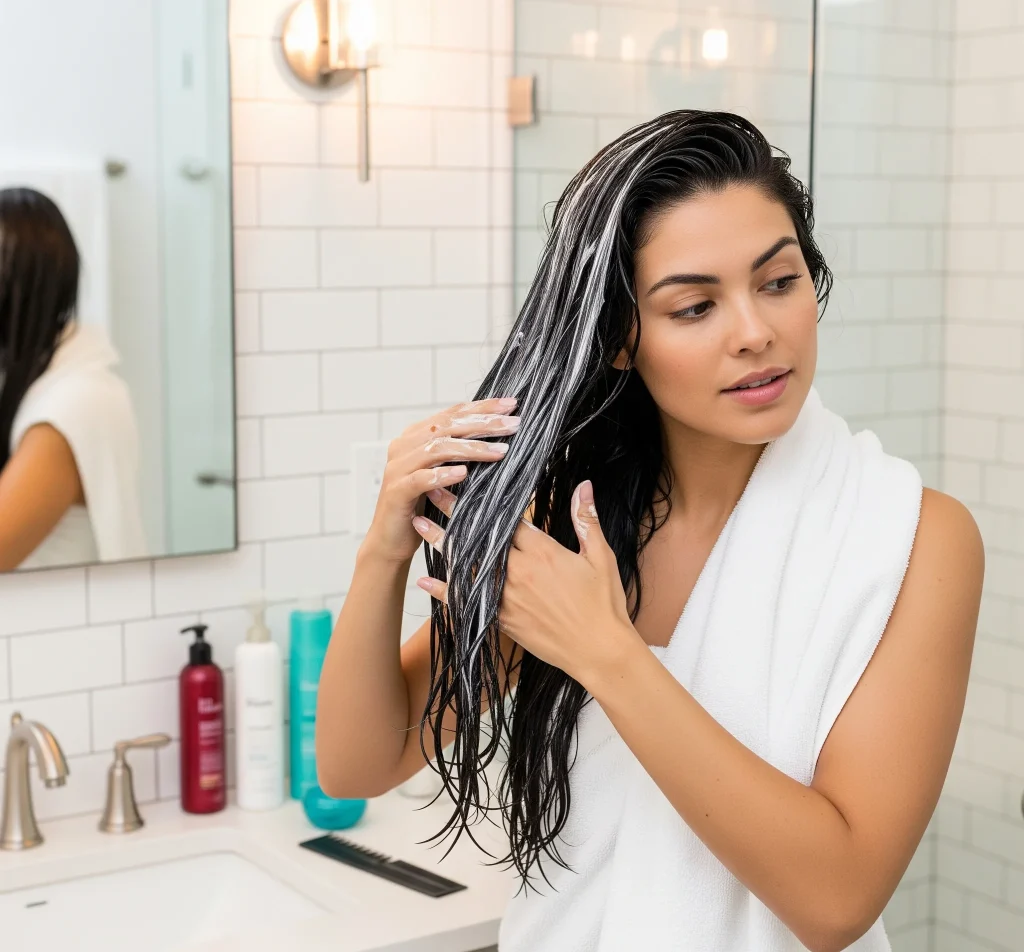
Given autumn’s tendency to strip hair of its natural moisture, hydration becomes paramount. Deep conditioning treatments and hair masks are your allies in this battle. These products are formulated with concentrated ingredients designed to penetrate the hair shaft, replenishing lost moisture and nutrients. Aim to incorporate a deep conditioning treatment at least once a week, or more frequently if your hair feels particularly dry or damaged. Look for ingredients like hyaluronic acid, shea butter, argan oil, and keratin, which are known for their hydrating and strengthening properties.
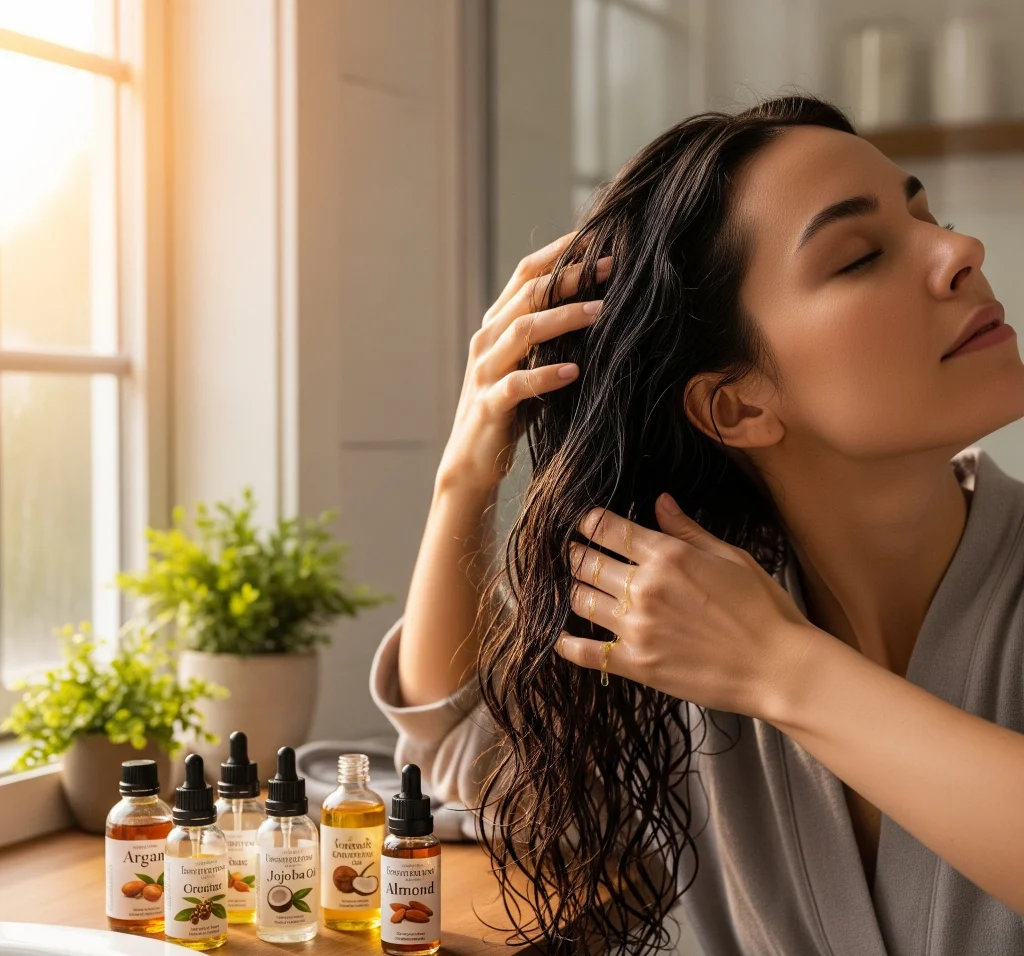
Beyond wash-out treatments, leave-in conditioners and hair oils offer continuous hydration and protection. A good leave-in conditioner can detangle, reduce frizz, and provide a protective barrier against environmental stressors. Natural oils such as argan oil, jojoba oil, coconut oil, and almond oil are excellent for sealing in moisture, adding shine, and nourishing the hair from the outside. Apply a small amount to the mid-lengths and ends of your hair, focusing on areas prone to dryness.
Furthermore, consider the environment within your home. As indoor heating systems kick in, they can significantly reduce ambient humidity, further drying out your hair and skin. Using a humidifier in your living space, especially in your bedroom, can help maintain optimal moisture levels in the air, indirectly benefiting your hair. And, as always, internal hydration is just as crucial as external care. Drinking plenty of water throughout the day supports overall bodily health, including the health of your hair follicles.
B. Gentle Cleansing and Product Selection
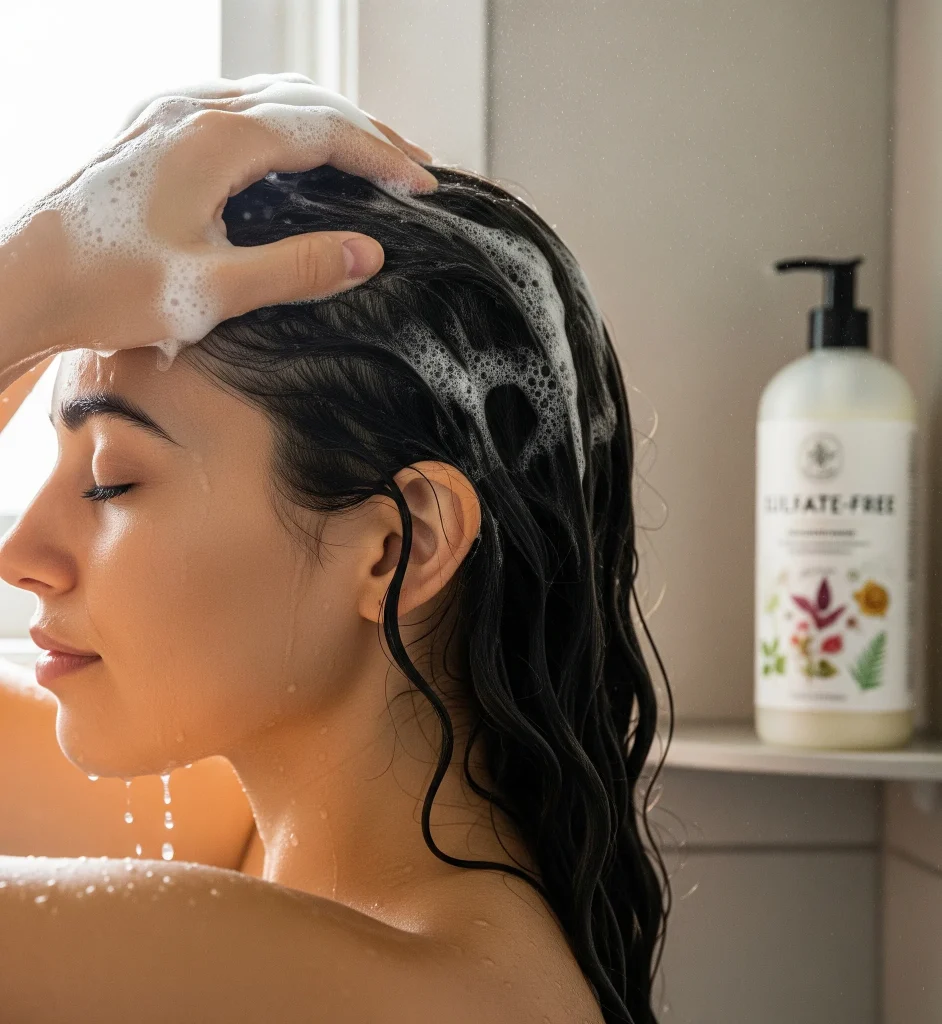
The products you use for cleansing play a critical role in autumn hair care. It’s advisable to switch from harsh, sulfate-laden shampoos, which can strip natural oils, to more nourishing, sulfate-free alternatives. These gentler formulations cleanse the hair without compromising its moisture barrier, making them ideal for the drier autumn months. Pair them with a rich, hydrating conditioner that complements the shampoo’s moisturizing properties.
While the focus is on gentle cleansing, clarifying shampoos still have their place. However, their usage should be strategic. A clarifying shampoo can help remove product buildup, hard water minerals, and environmental impurities that can weigh hair down and prevent moisturizing products from penetrating effectively. Use it sparingly, perhaps once every two to four weeks, to reset your hair and scalp, ensuring that subsequent moisturizing treatments can work their best. Always follow a clarifying wash with a deep conditioning treatment to restore moisture.
It’s also wise to scrutinize the ingredients in all your hair care products. Avoid those containing harsh alcohols, silicones that can build up, and strong artificial fragrances, as these can contribute to dryness and irritation, especially when your hair is already vulnerable to seasonal changes.
C. Protection from Environmental Factors
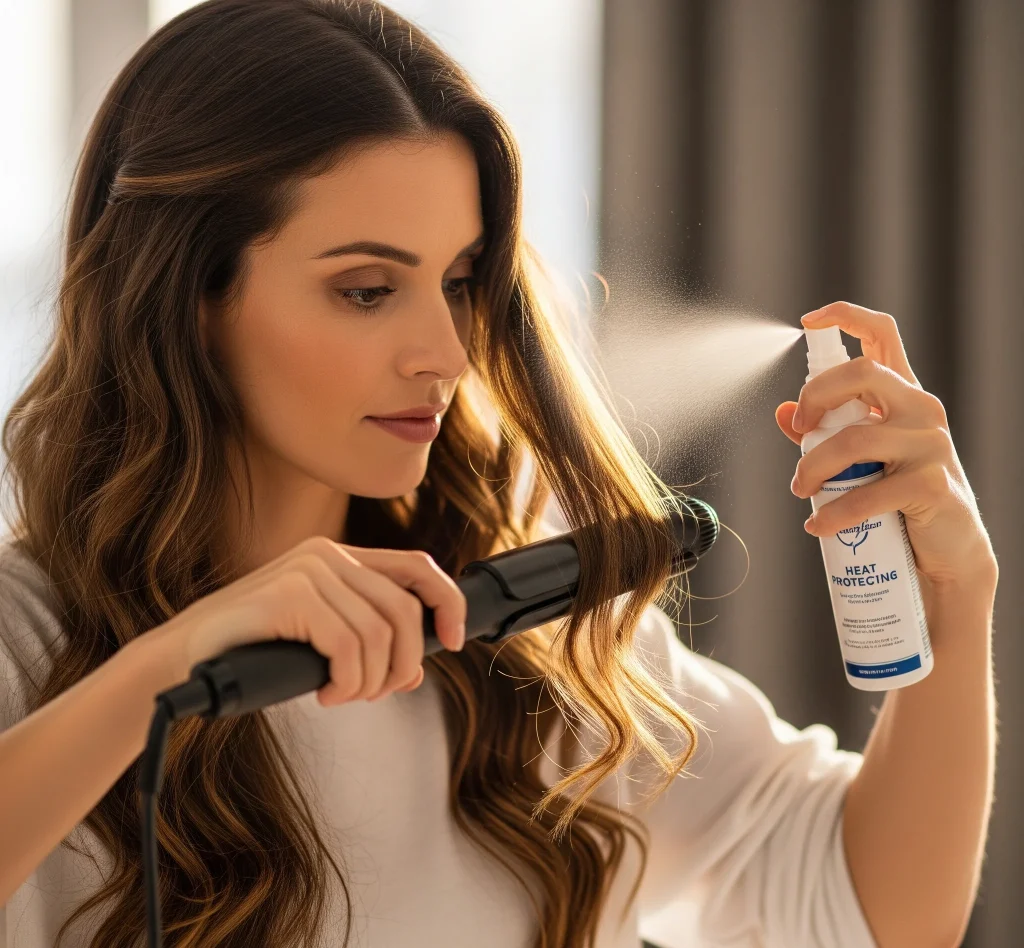
Heat styling, while convenient, can be particularly damaging to hair that is already prone to dryness. Minimize the use of heat tools like flat irons, curling irons, and blow dryers whenever possible. When you do use them, a high-quality heat protectant spray is non-negotiable. These products create a barrier between your hair and the heat, reducing thermal damage and helping to maintain moisture.

Beyond styling tools, the autumn weather itself can be harsh. The crisp, often windy air can cause tangles, breakage, and further moisture loss. Protecting your hair from these elements is essential. Consider wearing scarves, hats, or hoods when outdoors, especially on windy or particularly cold days. These accessories not only add a stylish touch to your autumn wardrobe but also provide a physical barrier against the drying effects of the wind and cold temperatures.
D. Regular Trims and Hair Health
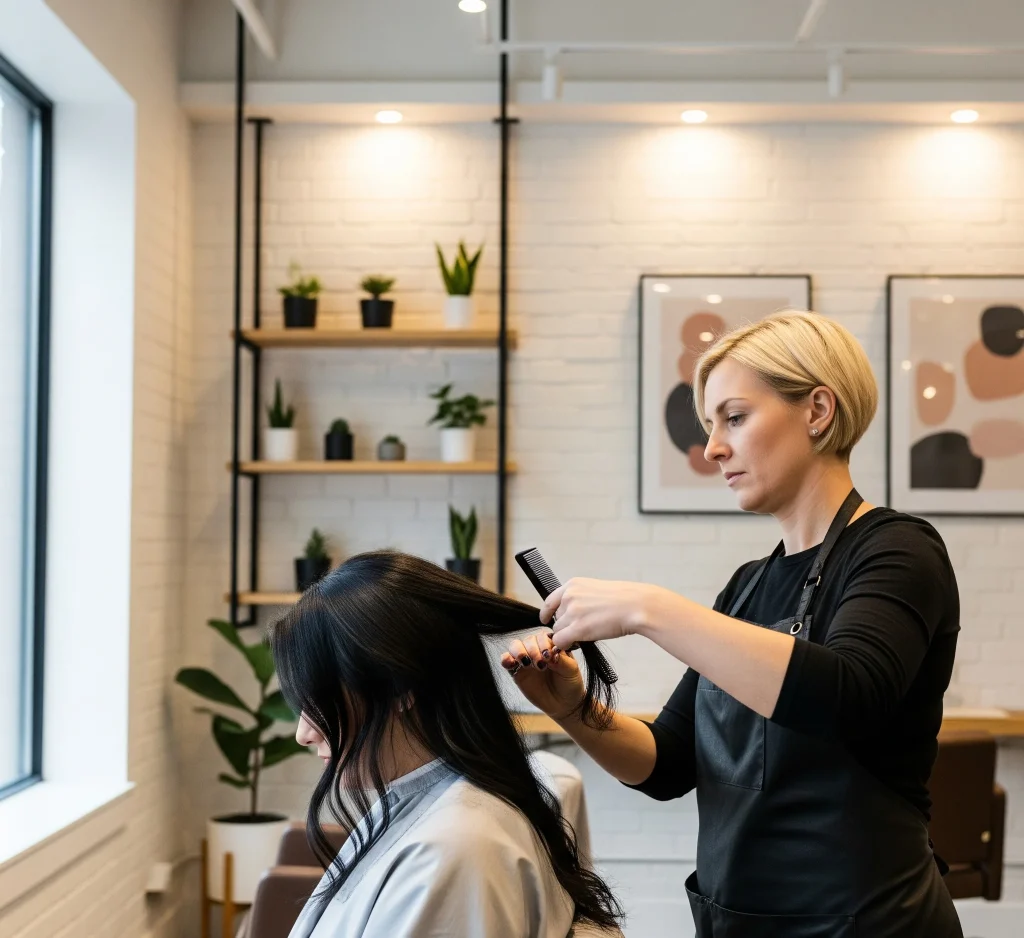
Regular trims are a cornerstone of healthy hair care, and their importance is amplified in autumn. The summer months, with their sun exposure and often more relaxed hair routines, can leave hair with split ends and increased susceptibility to breakage. A trim every 6-8 weeks can remove these damaged ends, preventing them from traveling further up the hair shaft and causing more extensive damage. This practice not only keeps your hair looking neat and healthy but also encourages stronger growth and reduces overall breakage.
E. Addressing Seasonal Hair Shedding
As mentioned, increased hair shedding in autumn is often a normal physiological response. However, there are steps you can take to support healthy hair growth and minimize excessive loss. Ensuring your diet is rich in hair-friendly nutrients is crucial. Vitamins such as Biotin (B7), Vitamin D, Vitamin E, and minerals like iron, zinc, and selenium all play vital roles in hair follicle health and growth. Incorporate foods like leafy greens, nuts, seeds, lean proteins, and fatty fish into your diet. If dietary intake is insufficient, consider supplements, but always consult with a healthcare professional before starting any new supplement regimen.
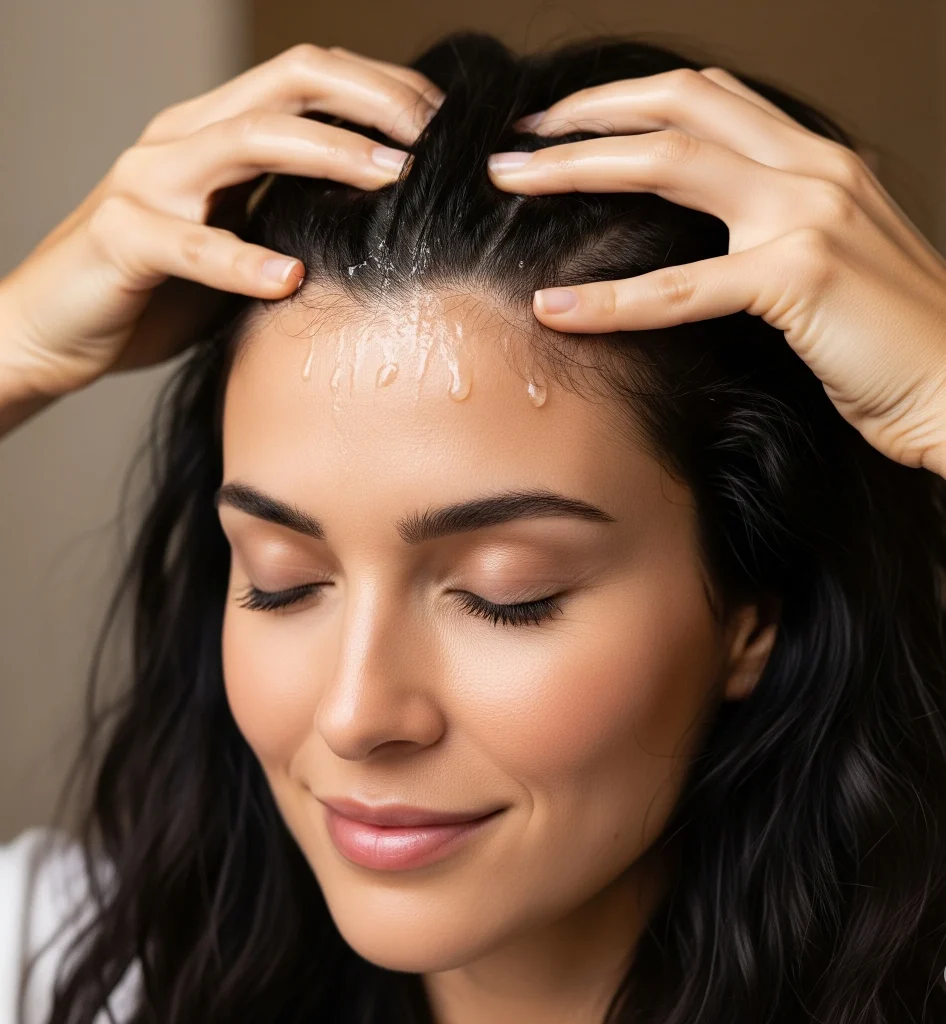
Scalp health is intrinsically linked to hair health. Regular, gentle scalp massages can stimulate blood circulation to the hair follicles, delivering essential nutrients and oxygen, which can promote healthier hair growth. You can use your fingertips or a specialized scalp massager. Incorporating a scalp serum or oil designed to nourish the scalp can further enhance these benefits. If you notice unusually severe or prolonged shedding, or if you have concerns about hair loss, it is always best to consult with a dermatologist or trichologist. They can help determine the underlying cause and recommend appropriate treatments.
F. Lifestyle and Diet
Beyond direct hair care practices, your overall lifestyle and dietary habits significantly influence the health and vitality of your hair. A balanced diet, rich in whole foods, fruits, vegetables, lean proteins, and healthy fats, provides the necessary building blocks for strong, healthy hair. Processed foods, excessive sugar, and unhealthy fats can negatively impact hair health.

Stress is a known contributor to hair loss and can exacerbate seasonal shedding. Practicing stress management techniques such as meditation, yoga, deep breathing exercises, or simply engaging in hobbies you enjoy can have a positive impact on your hair, as well as your overall well-being. Finally, adequate sleep is essential for cellular regeneration and repair throughout the body, including the hair follicles. Aim for 7-9 hours of quality sleep per night to support optimal hair health.
IV. Common Autumn Hair Care Mistakes to Avoid
Even with the best intentions, certain practices can inadvertently harm your hair during the autumn months. Being aware of these common mistakes can help you steer clear of potential damage.
Over-washing: While it might feel good to wash your hair frequently, especially if you’re prone to oiliness, over-washing can strip your hair of its natural oils, which are crucial for maintaining moisture and protection, particularly in drier autumn air. Aim to wash your hair every two to three days, or even less frequently if your hair allows, using lukewarm water instead of hot water.
Ignoring Scalp Health: The scalp is the foundation of healthy hair. Neglecting it can lead to issues like dryness, flakiness, and even impaired hair growth. Ensure your scalp is clean and moisturized. If you experience dryness or itchiness, consider using a gentle, hydrating scalp treatment or serum. Don’t forget to gently massage your scalp during shampooing to stimulate blood flow.
Using Summer Products: Hair care products formulated for summer often focus on sun protection, frizz control in humidity, and lighter hydration. These might not be sufficient for the intense moisturizing needs of autumn. Transition your product lineup to richer, more hydrating formulas designed to combat dryness and provide deeper nourishment.
Excessive Heat Styling: As mentioned earlier, heat styling can be particularly detrimental in autumn. The combination of dry air and high heat can lead to significant moisture loss and breakage. If you must use heat tools, always apply a heat protectant generously and opt for the lowest effective temperature setting. Explore heat-free styling options whenever possible to give your hair a much-needed break.
V. Conclusion

Autumn, with its unique environmental characteristics, demands a thoughtful and adaptive approach to hair care. By understanding the season’s impact—from increased dryness and brittleness to seasonal shedding—and implementing proactive strategies, you can safeguard the health and beauty of your hair. Prioritizing moisture through deep conditioning and oils, choosing gentle cleansing products, protecting your hair from environmental stressors, and maintaining regular trims are all crucial steps. Furthermore, supporting your hair from within through a balanced diet and stress management, while avoiding common pitfalls like over-washing and excessive heat styling, will contribute significantly to its vitality.
Embrace the changing season not as a challenge, but as an opportunity to refine your hair care routine. With a little extra attention and the right practices, your hair can remain strong, hydrated, and radiant, reflecting the beauty of autumn itself. Proactive care is the key to ensuring your locks thrive, no matter the weather, allowing you to enjoy healthy, vibrant hair throughout the fall and beyond.


