

How to Take Care of Dyed Hair
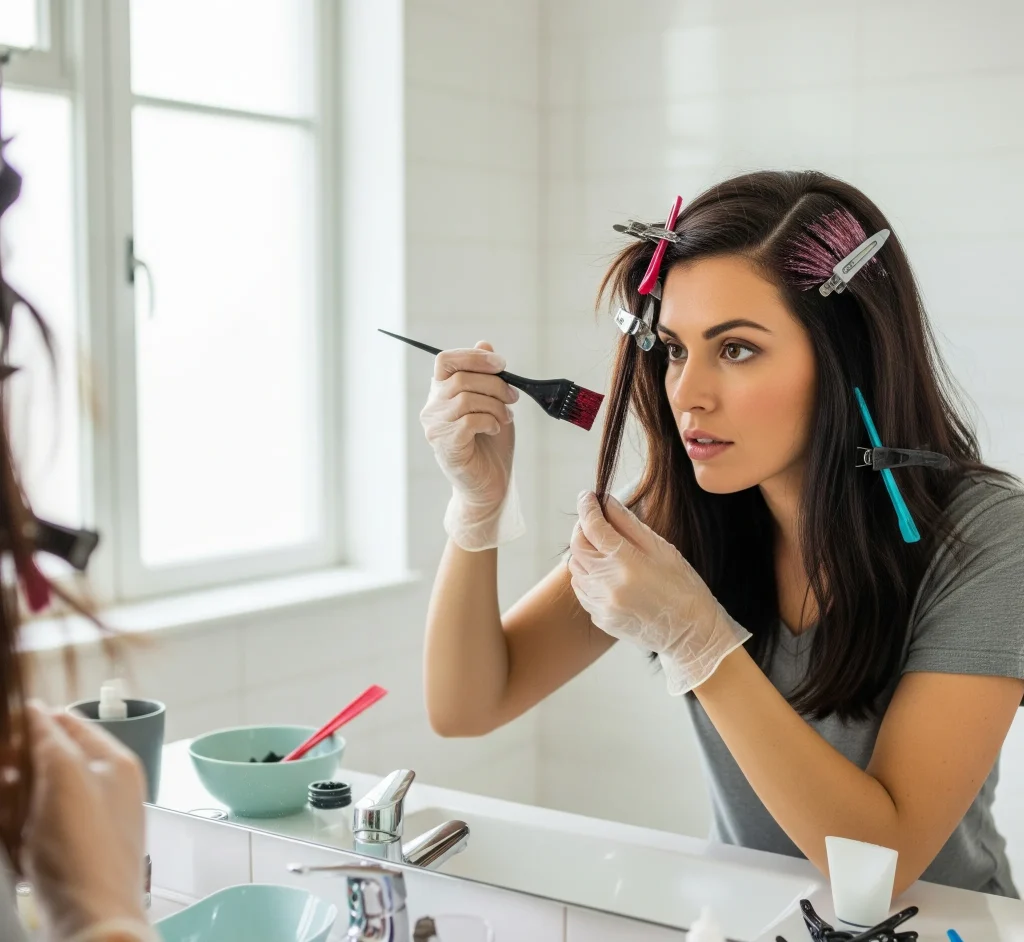
Coloring your hair can be an exciting way to express your personality and refresh your look. However, the chemical processes involved in dyeing can leave your hair vulnerable to damage, dryness, and color fading. To maintain the vibrancy of your new shade and keep your hair healthy, a dedicated care routine is essential. This comprehensive guide will walk you through the best practices for nurturing your dyed hair, ensuring it remains lustrous, strong, and beautiful for longer.
Understanding Dyed Hair
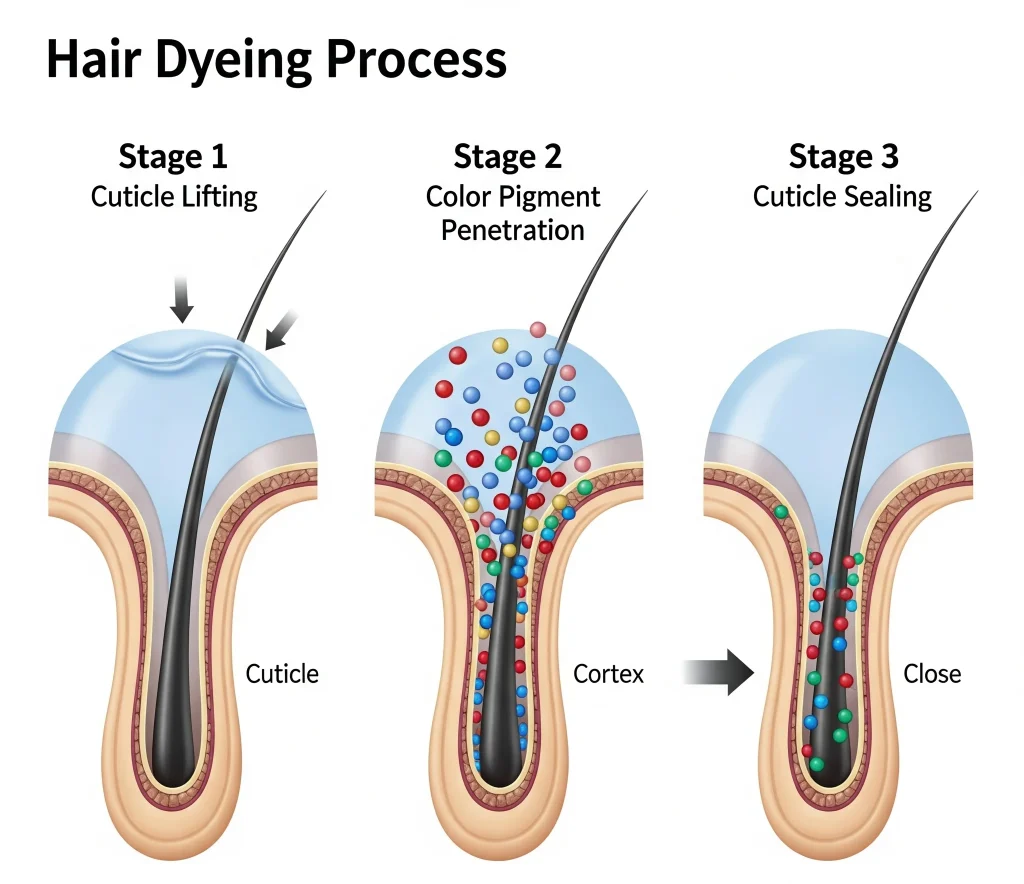
When hair is dyed, the outer layer, known as the cuticle, is lifted to allow the color pigments to penetrate the hair shaft. This process, while necessary for color application, can make the hair more porous and susceptible to moisture loss and environmental damage. The chemicals in hair dye can also strip away natural oils, leading to dryness and brittleness. Therefore, the primary goals of dyed hair care are to seal the cuticle, replenish moisture, protect against external aggressors, and prevent premature color fading.
Pre-Coloring Preparation
While this article focuses on post-dye care, it’s worth noting that preparing your hair before coloring can significantly impact its health and how well it holds the dye. Deep conditioning treatments in the weeks leading up to your color appointment can help improve hair porosity and ensure a more even color application. Healthy hair is better equipped to withstand the dyeing process and retain its new shade.
Immediate Post-Coloring Care
Waiting Period Before Washing
One of the most crucial steps immediately after dyeing is to wait before washing your hair. Most experts recommend waiting at least 48 to 72 hours. This waiting period allows the hair cuticle to fully close and seal in the new color molecules. Washing too soon can lead to significant color washout and a less vibrant result.
First Wash Considerations
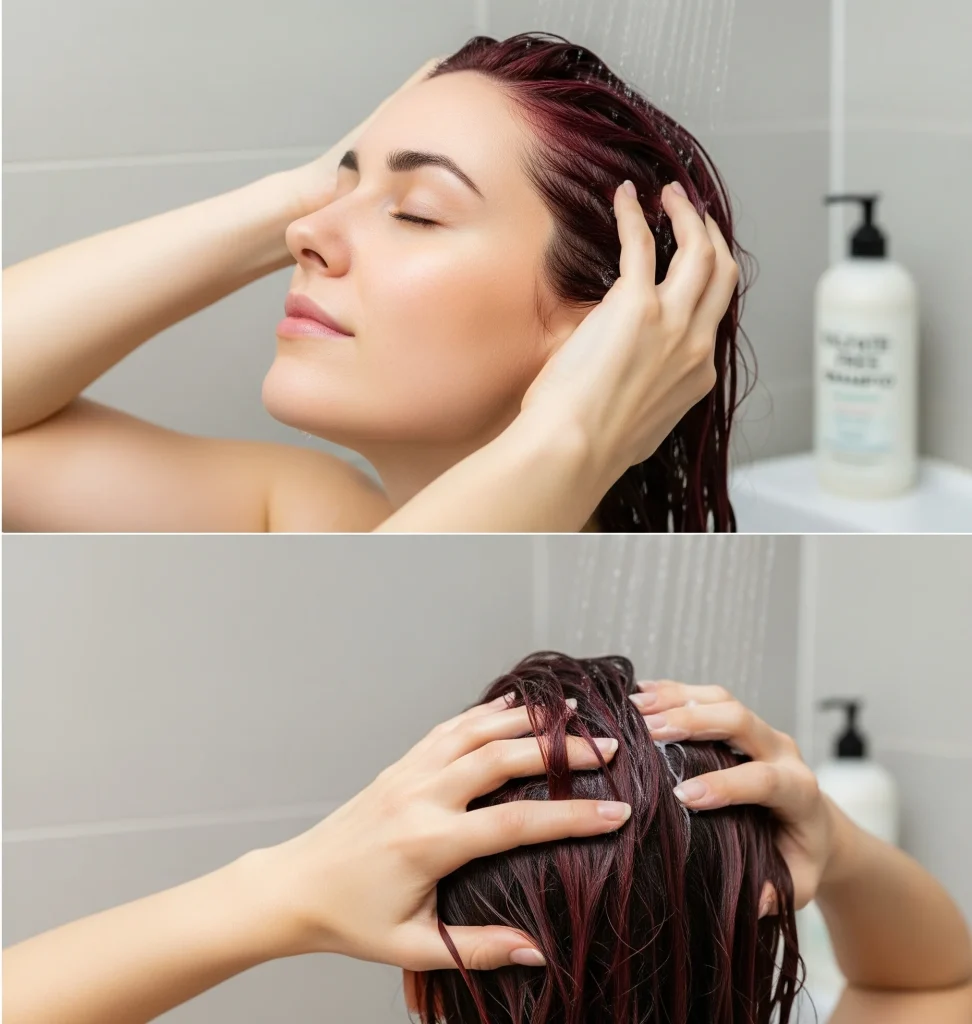
When you do perform your first wash, use lukewarm or cool water. Hot water can open the cuticle, causing color to leach out. Opt for a sulfate-free shampoo specifically formulated for color-treated hair. Sulfates are harsh detergents that can strip color and natural oils. Gently massage the shampoo into your scalp and rinse thoroughly. Follow with a color-safe conditioner, focusing on the mid-lengths and ends of your hair.
Daily and Weekly Maintenance
Choosing the Right Products
Investing in a high-quality, color-safe shampoo and conditioner is paramount. These products are designed with milder cleansing agents and ingredients that help preserve color and provide necessary hydration. Look for labels that explicitly state they are ‘sulfate-free’ and ‘color-safe.’
Washing Frequency and Temperature
Reduce the frequency of your hair washes. Washing every other day or even less frequently can help prolong your color. When you do wash, always use lukewarm or cool water. Cold water is even better for rinsing, as it helps to close the hair cuticle, locking in moisture and color.
Deep Conditioning and Hair Masks
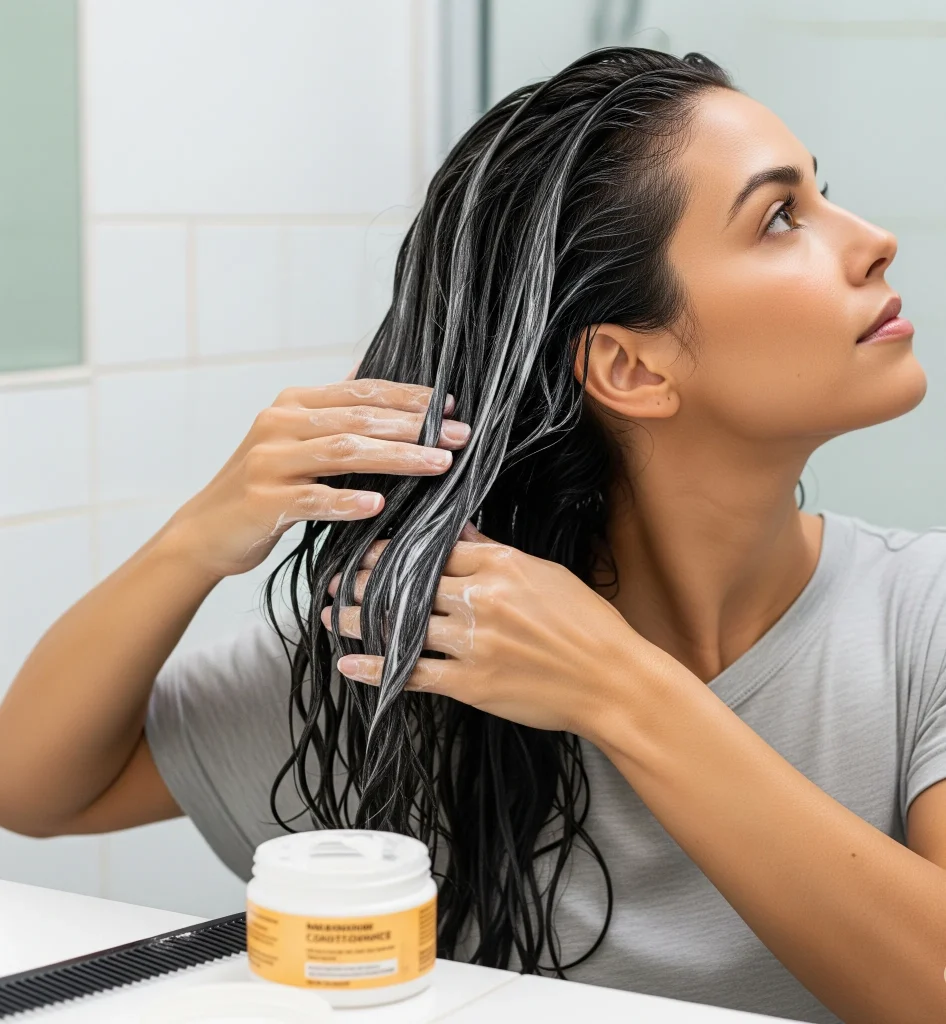
Dyed hair often requires extra moisture. Incorporate a deep conditioning treatment or a hair mask into your weekly routine. These products provide intense hydration and nourishment, helping to repair damage, improve elasticity, and keep your hair soft and shiny. Apply the mask to damp hair, leave it on for the recommended time (usually 5-20 minutes), and rinse thoroughly.
Leave-in Treatments and Serums
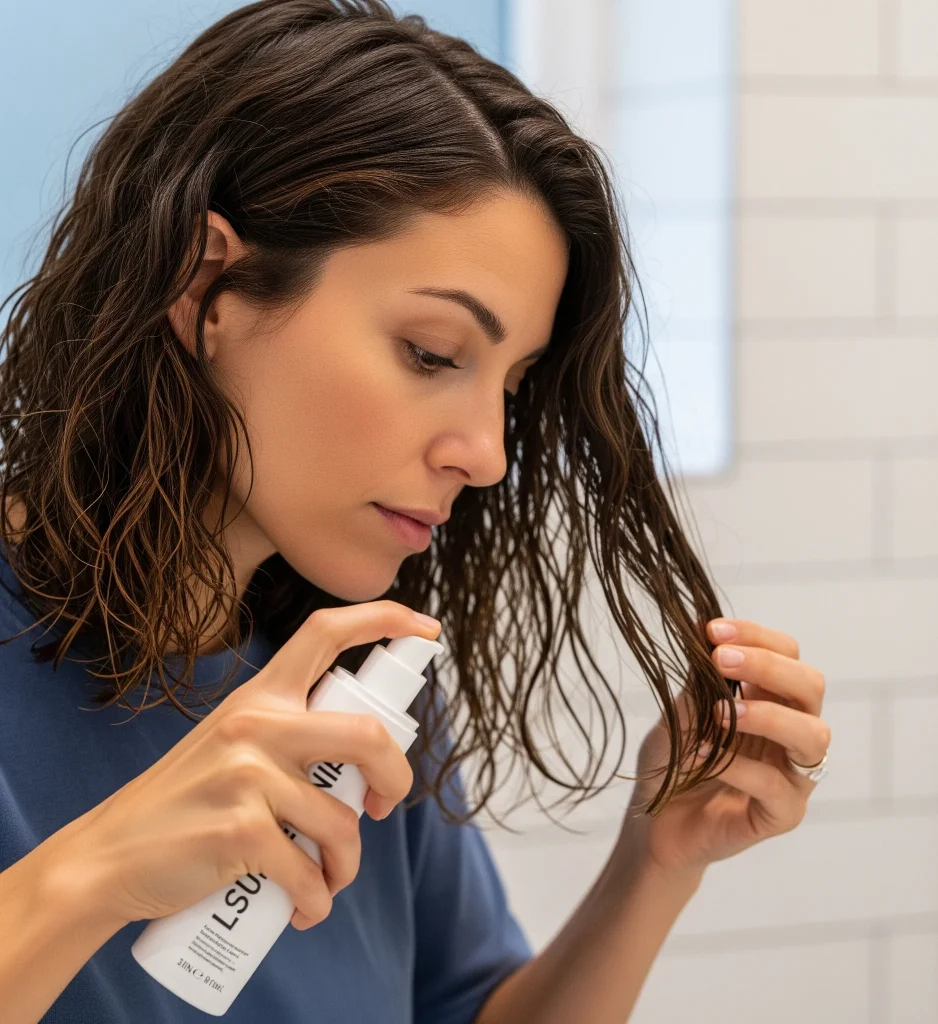
After washing, apply a leave-in conditioner or serum. These products offer an additional layer of protection against environmental damage, frizz, and heat. They also help to detangle hair, making it easier to comb and reducing breakage.
Protecting Your Dyed Hair
Heat Protection
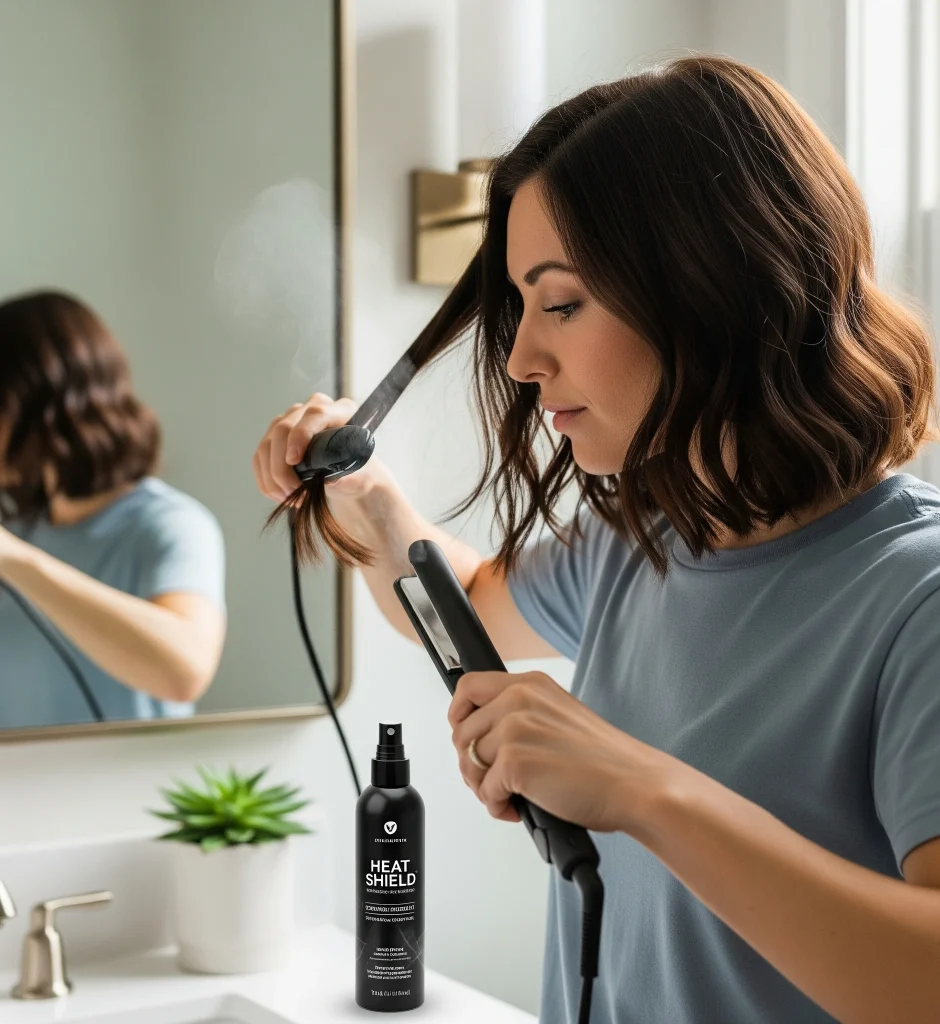
Heat styling tools like flat irons, curling irons, and blow dryers can cause significant damage to dyed hair and accelerate color fading. If you must use heat, always apply a heat protectant spray beforehand. This creates a barrier between your hair and the heat, minimizing damage. Whenever possible, opt for air-drying your hair.
UV Protection
Just like your skin, your hair can be damaged by the sun’s UV rays, leading to color fading and dryness. When spending extended time outdoors, consider wearing a hat or using hair products that contain UV filters. Some leave-in conditioners and sprays offer this added protection.

Chlorine and Saltwater Protection
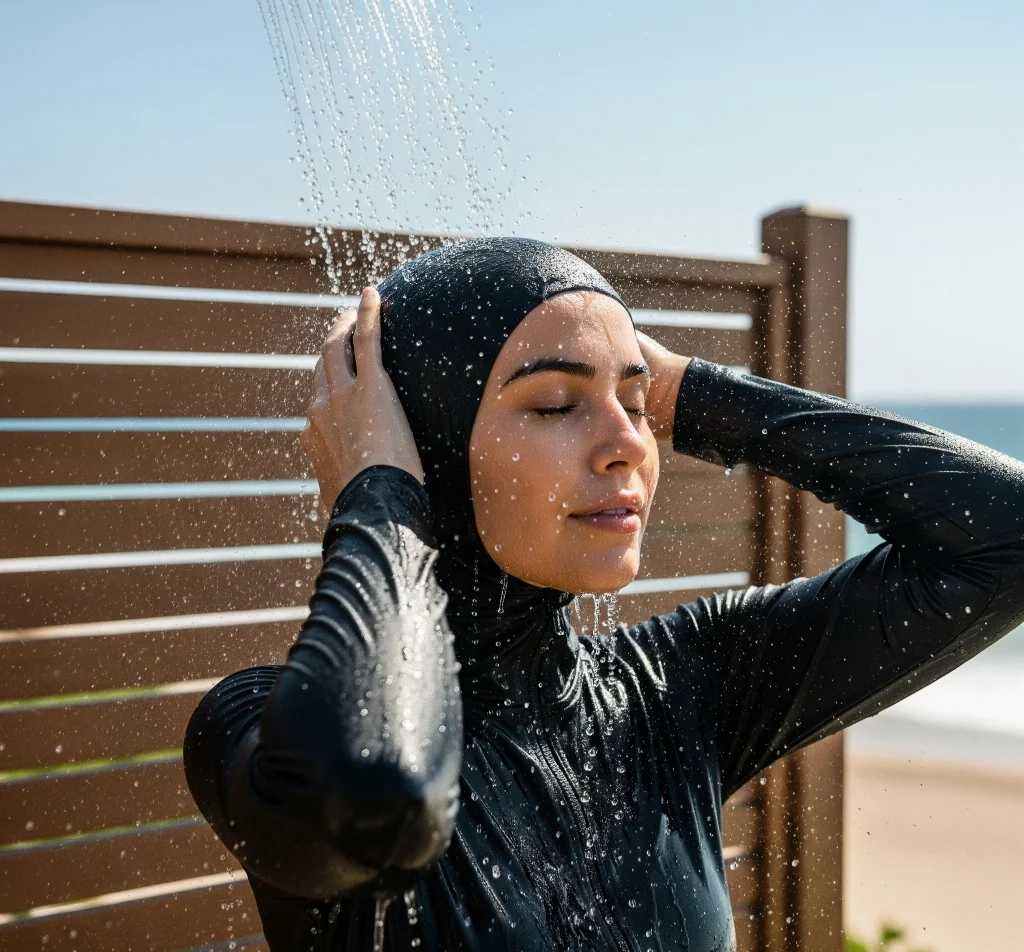
Chlorine in swimming pools and salt in ocean water can strip color and dry out dyed hair. Before swimming, wet your hair with clean water and apply a leave-in conditioner. This helps to create a barrier, preventing your hair from absorbing too much chlorine or salt. After swimming, rinse your hair thoroughly with fresh water as soon as possible.
Lifestyle and Diet
Healthy Diet
A balanced diet rich in vitamins, minerals, and proteins is crucial for overall hair health, including dyed hair. Foods high in Omega-3 fatty acids, such as salmon and avocados, can contribute to healthy, shiny hair. Biotin, found in eggs and nuts, is also known to support hair strength.

Hydration
Drinking an adequate amount of water is essential for keeping your hair hydrated from the inside out. Proper hydration contributes to the overall health and elasticity of your hair strands.

Regular Trims
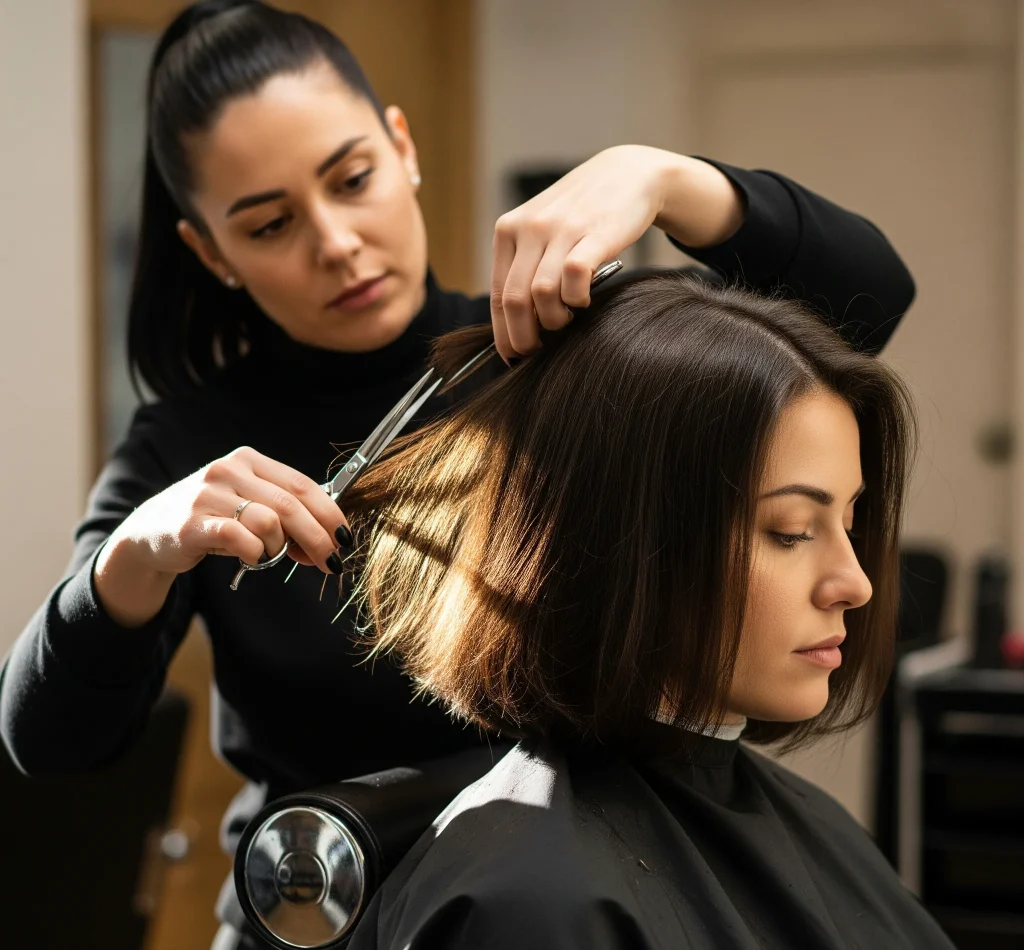
Regular trims are vital for maintaining the health of your dyed hair. Split ends can travel up the hair shaft, causing further damage and making your hair look dull. Aim for a trim every 6-8 weeks to keep your ends healthy and prevent breakage.
Conclusion
Caring for dyed hair requires a consistent and thoughtful approach. By understanding the unique needs of color-treated hair and implementing a dedicated care routine, you can significantly extend the life of your vibrant color and maintain the health and integrity of your strands. From choosing the right products and protecting your hair from environmental stressors to nourishing it from within, every step contributes to keeping your dyed hair looking its best. Embrace these practices, and enjoy your beautiful, healthy, and long-lasting hair color.


