How Your Hair Changes As You Age
As a natural and inevitable part of the human experience, aging brings about a myriad of changes throughout the body, and our hair is certainly no exception. While often associated with the visible signs of graying, the aging process impacts hair in far more complex ways, affecting its color, density, texture, and overall vitality. Understanding these transformations is key to appreciating the intricate biology behind them and to adopting appropriate care strategies.
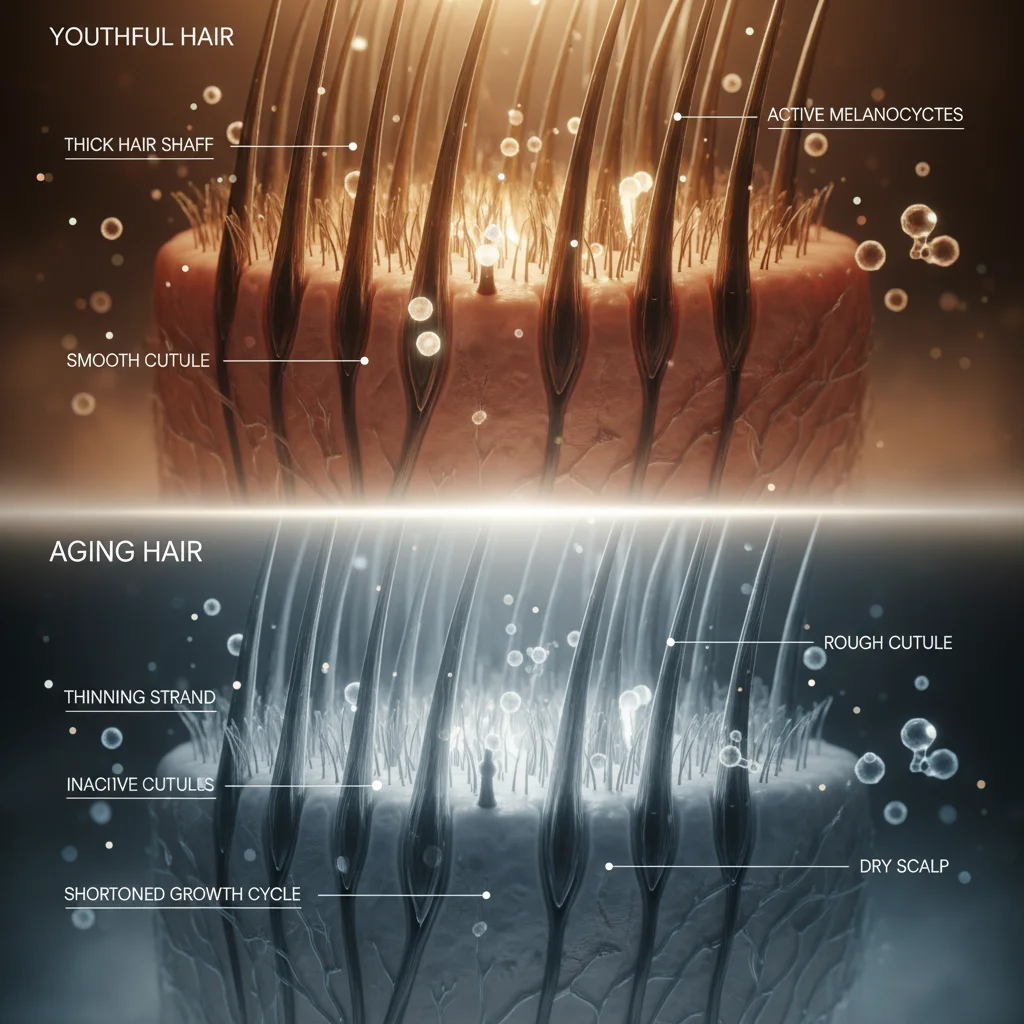
The Graying Phenomenon: A Loss of Pigment
Perhaps the most universally recognized sign of hair aging is the emergence of gray or white hair. This phenomenon, known as canities, is primarily due to a reduction in the production of melanin, the pigment responsible for hair color. Melanocytes, specialized cells located in the hair follicles, produce two types of melanin: eumelanin (responsible for black and brown hues) and pheomelanin (responsible for red and yellow hues). As we age, the activity of these melanocytes diminishes, and eventually, they may cease melanin production altogether.

Several factors contribute to this decline:
- Melanocyte Stem Cell Depletion: The hair follicle contains melanocyte stem cells that replenish the melanocytes. Over time, these stem cells can become depleted or lose their ability to mature into pigment-producing cells.
- Oxidative Stress: Accumulation of reactive oxygen species (free radicals) can damage melanocytes and their DNA, impairing their function.
- Genetic Predisposition: Genetics play a significant role in determining when and how rapidly an individual’s hair will gray. If your parents grayed early, you are more likely to do so as well.
- Hydrogen Peroxide Buildup: Hydrogen peroxide naturally accumulates in hair follicles as we age, which can bleach melanin and inhibit the enzymes involved in melanin synthesis.
It’s important to note that gray hair is not inherently different in structure from pigmented hair; it simply lacks color. The perception of gray hair often being coarser or more wiry is typically due to changes in the hair’s oil production and overall texture, rather than the absence of pigment itself.
Thinning and Hair Loss: A Decline in Density
Beyond color changes, a noticeable reduction in hair density and overall hair loss are common concerns associated with aging. This is primarily due to alterations in the hair growth cycle and the miniaturization of hair follicles.
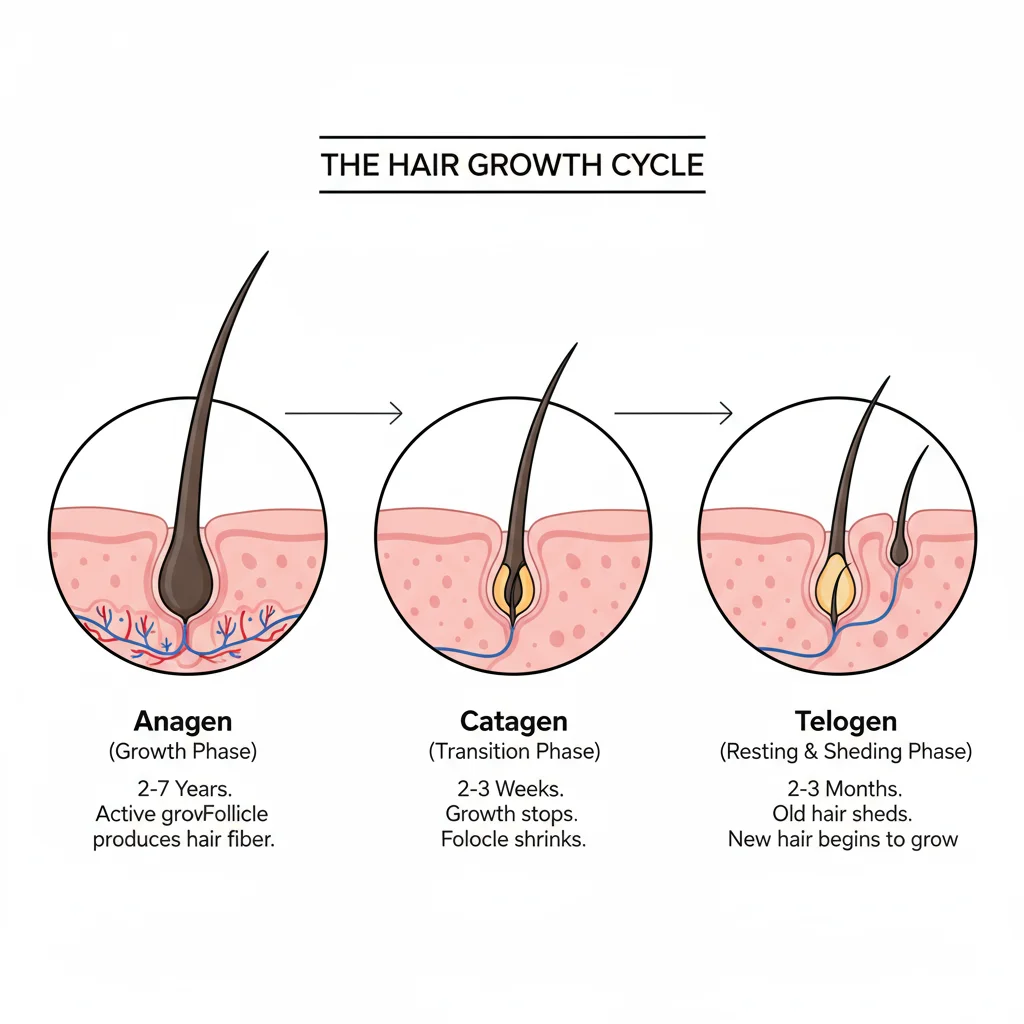
The hair growth cycle consists of three main phases:
- Anagen (Growth Phase): This is the active growth phase, lasting typically 2-7 years. Hair follicles are actively producing hair fibers.
- Catagen (Transition Phase): A short transitional phase lasting about 2-3 weeks, during which hair growth stops and the follicle shrinks.
- Telogen (Resting Phase): This phase lasts about 2-3 months, after which the old hair sheds, and a new hair begins to grow from the same follicle.
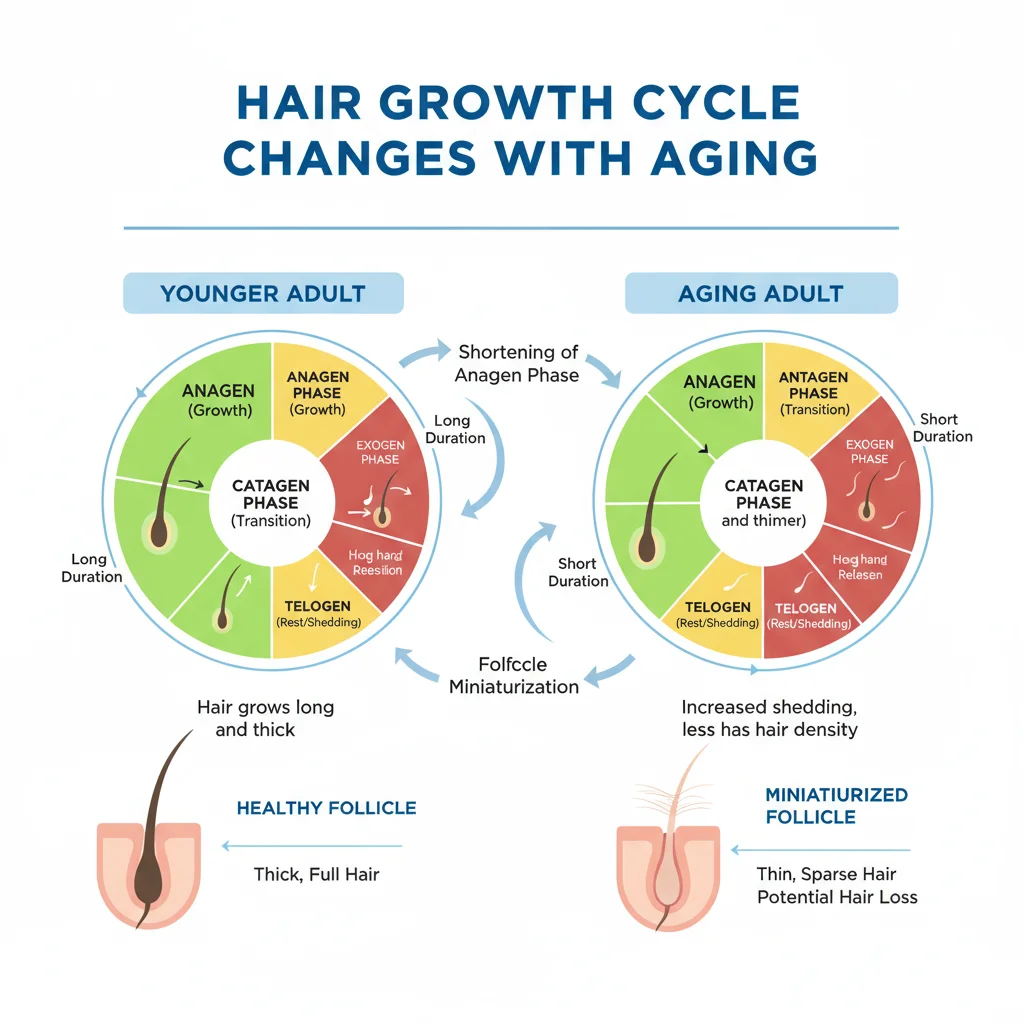
As we age, several changes occur in this cycle:
- Shortening of Anagen Phase: The growth phase becomes shorter, meaning hair doesn’t grow as long as it used to.
- Lengthening of Telogen Phase: The resting phase becomes longer, leading to more hair being in a resting state and less actively growing.
- Follicle Miniaturization: Hair follicles gradually shrink, producing thinner, finer, and shorter hairs. Eventually, some follicles may stop producing hair altogether.
This process is often influenced by:
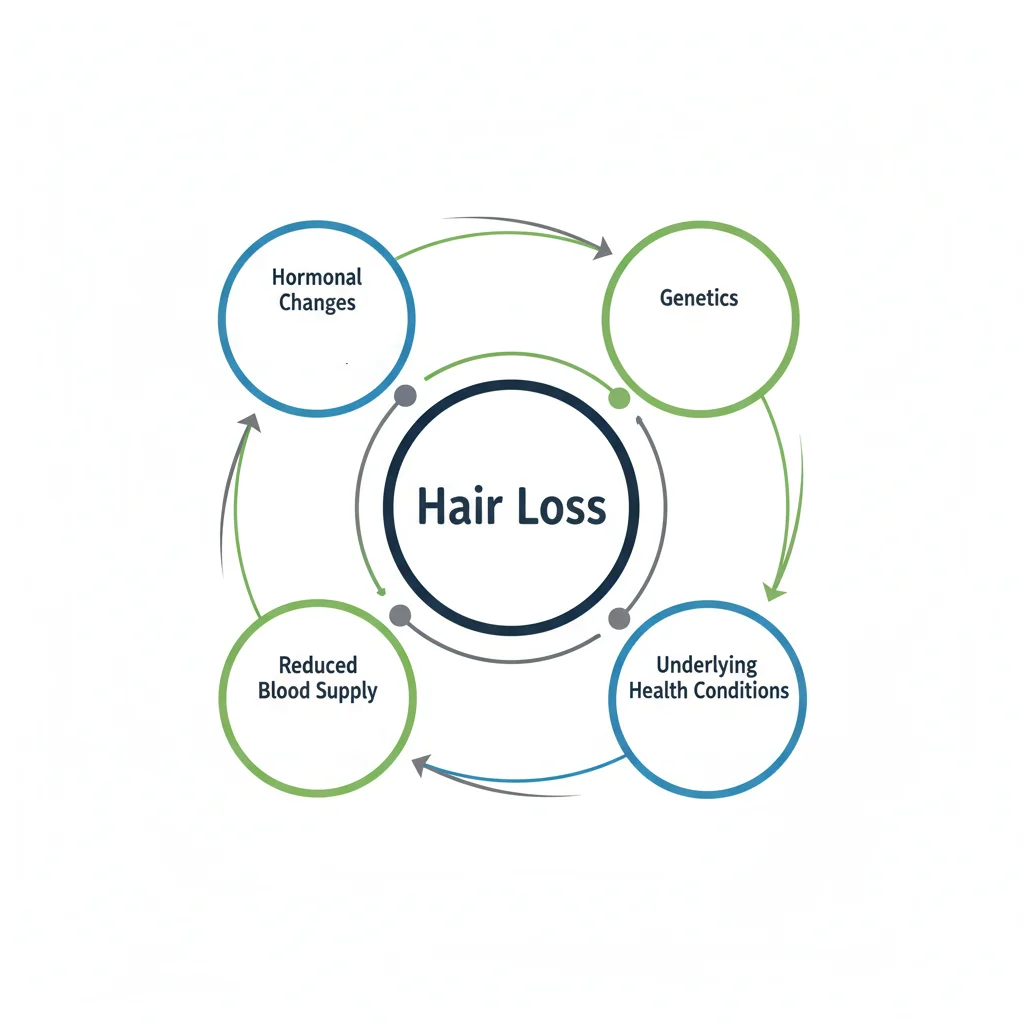
- Hormonal Changes: In men, dihydrotestosterone (DHT) plays a significant role in androgenetic alopecia (male pattern baldness). In women, hormonal shifts during menopause can also contribute to hair thinning.
- Genetics: A predisposition to hair loss is often inherited.
- Reduced Blood Supply: The blood supply to hair follicles can decrease with age, impairing nutrient delivery.
- Underlying Health Conditions: Certain medical conditions, medications, and nutritional deficiencies can exacerbate hair thinning and loss.
Here’s a simplified comparison of hair growth in youth versus old age:
| Feature | Youthful Hair Growth | Aging Hair Growth |
|---|---|---|
| Anagen Phase | Longer (2-7 years) | Shorter (often less than 2 years) |
| Telogen Phase | Shorter (2-3 months) | Longer (can be 6 months or more) |
| Hair Thickness | Thicker, stronger fibers | Finer, miniaturized fibers |
| Follicle Activity | High, consistent hair production | Decreased, some follicles become dormant |
| Overall Density | High | Reduced |
Changes in Hair Texture and Quality
Beyond color and density, the very feel and appearance of our hair can undergo significant transformations with age. Many individuals report their hair becoming drier, more brittle, and even changing in its natural curl or wave pattern.
These textural shifts are attributed to several factors:
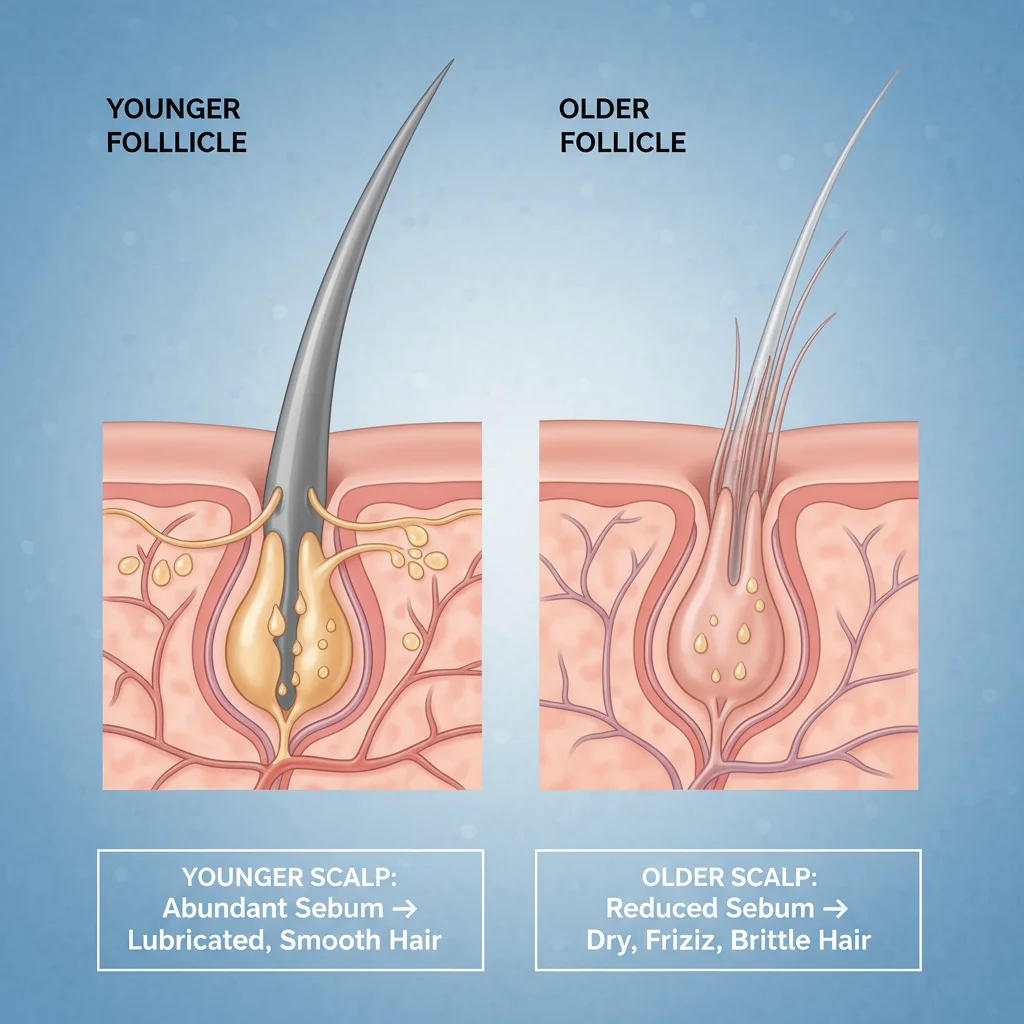
- Decreased Sebum Production: The sebaceous glands in the scalp produce sebum, a natural oil that lubricates and protects the hair and scalp. As we age, these glands become less active, leading to a reduction in sebum production. This results in drier hair that is more prone to frizz and breakage.
- Changes in Hair Structure: The hair shaft itself can become more porous and less elastic. The cuticle, the outermost protective layer of the hair, may become rougher, leading to a duller appearance and increased susceptibility to damage.
- Environmental Damage Accumulation: Years of exposure to environmental stressors such as UV radiation, pollution, and harsh styling practices can accumulate, weakening the hair structure over time.
- Nutritional Deficiencies: While not exclusively age-related, certain nutritional deficiencies can impact hair health. As dietary habits or nutrient absorption can change with age, this can indirectly affect hair quality.
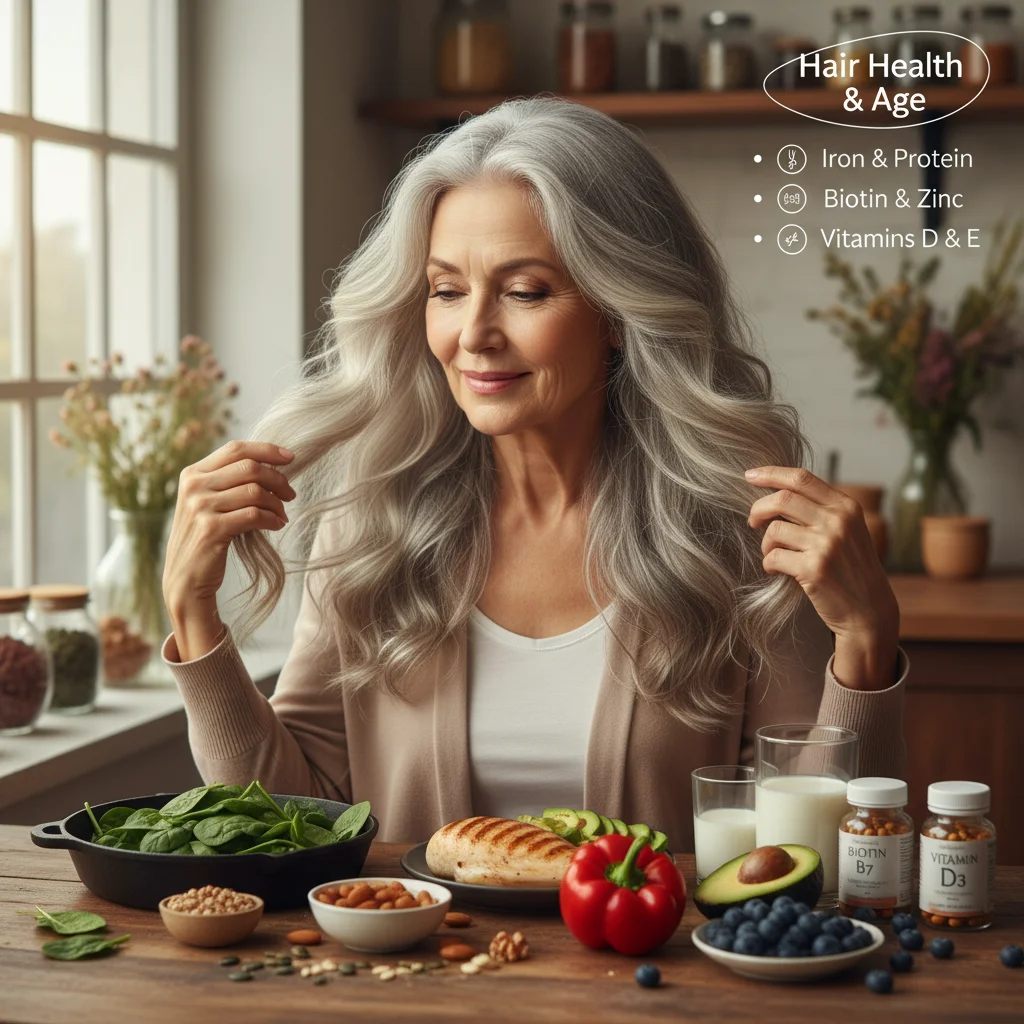
Consequently, hair that was once soft and lustrous may become:
- Drier: Due to reduced natural oils.
- More Brittle: Increased susceptibility to breakage and split ends.
- Coarser or Finer: The diameter of individual hair strands can change, making hair feel either coarser or, more commonly, finer.
- Less Manageable: Changes in texture can make hair harder to style and prone to tangling.
- Dull: A rougher cuticle can reflect less light, leading to a lack of shine.
Conclusion
The aging of hair is a multifaceted process influenced by a combination of genetic, hormonal, and environmental factors. From the inevitable graying caused by declining melanin production to the thinning and textural changes resulting from altered growth cycles and reduced sebum, our hair undergoes significant transformations as we journey through life. While some of these changes are unavoidable, understanding the underlying biological mechanisms empowers us to adopt proactive measures and adjust our hair care routines to maintain hair health and vitality for as long as possible. Embracing these natural changes, while also providing our hair with the care it needs, is key to navigating the aging process gracefully.