
Proteins for Curly Hair: Everything You Need to Know
Curly hair, with its unique structure and often delicate nature, requires a specialized approach to care. Unlike straight hair, the twists and turns of curly strands make them more prone to dryness, breakage, and frizz. While a myriad of products and techniques exist to manage and enhance curls, one fundamental component often overlooked, yet crucial for their health and vitality, is protein. Proteins are the very building blocks of hair, and understanding their role, how to identify protein needs, and how to effectively incorporate them into a curly hair regimen can transform limp, lifeless curls into bouncy, resilient, and defined coils. This comprehensive guide will delve into the science behind proteins and curly hair, explore the signs of protein deficiency, highlight beneficial protein types, and provide practical advice on achieving the optimal protein-moisture balance for truly thriving curls.
The Science of Curly Hair and Protein
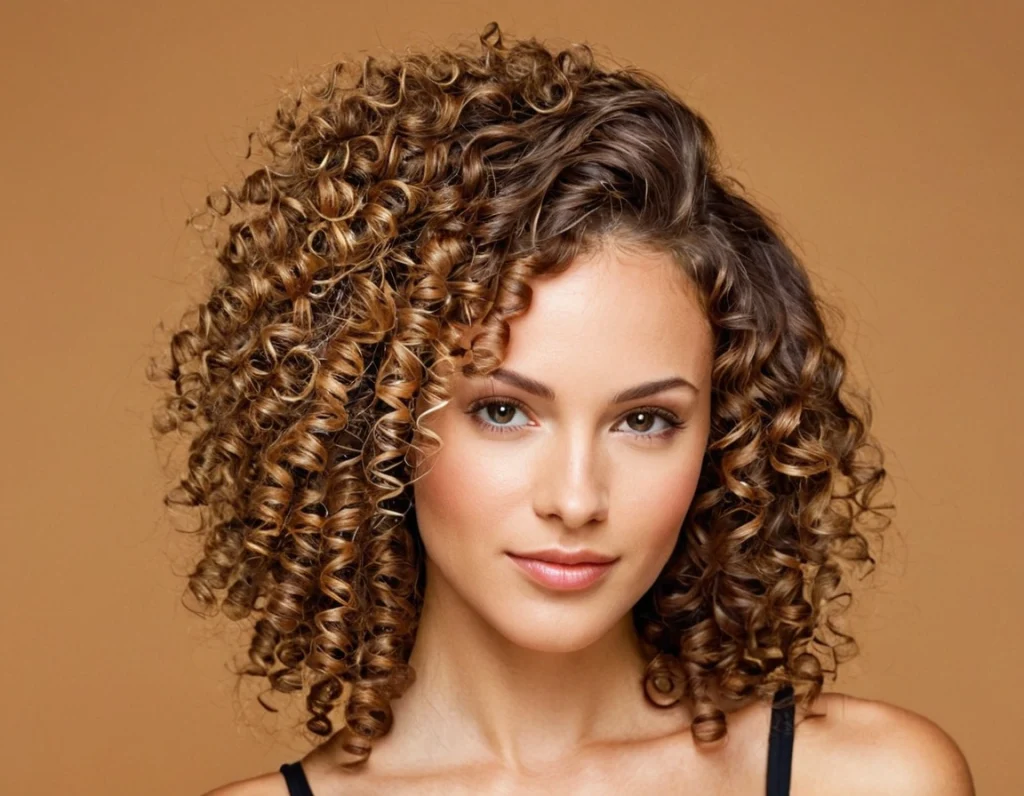
At its core, hair is primarily composed of a fibrous protein called keratin. This protein forms the structural framework of each hair strand, providing it with strength, elasticity, and integrity. The unique shape of curly hair, ranging from loose waves to tight coils, is largely determined by the asymmetrical distribution of keratin within the hair shaft and the shape of the hair follicle. Straight hair typically emerges from a round follicle, with keratin evenly distributed, resulting in a cylindrical strand. In contrast, curly hair grows from an oval or flattened follicle, leading to an uneven distribution of keratin and a more elliptical or ribbon-like hair strand. This irregular structure creates the characteristic bends and twists of curly hair.
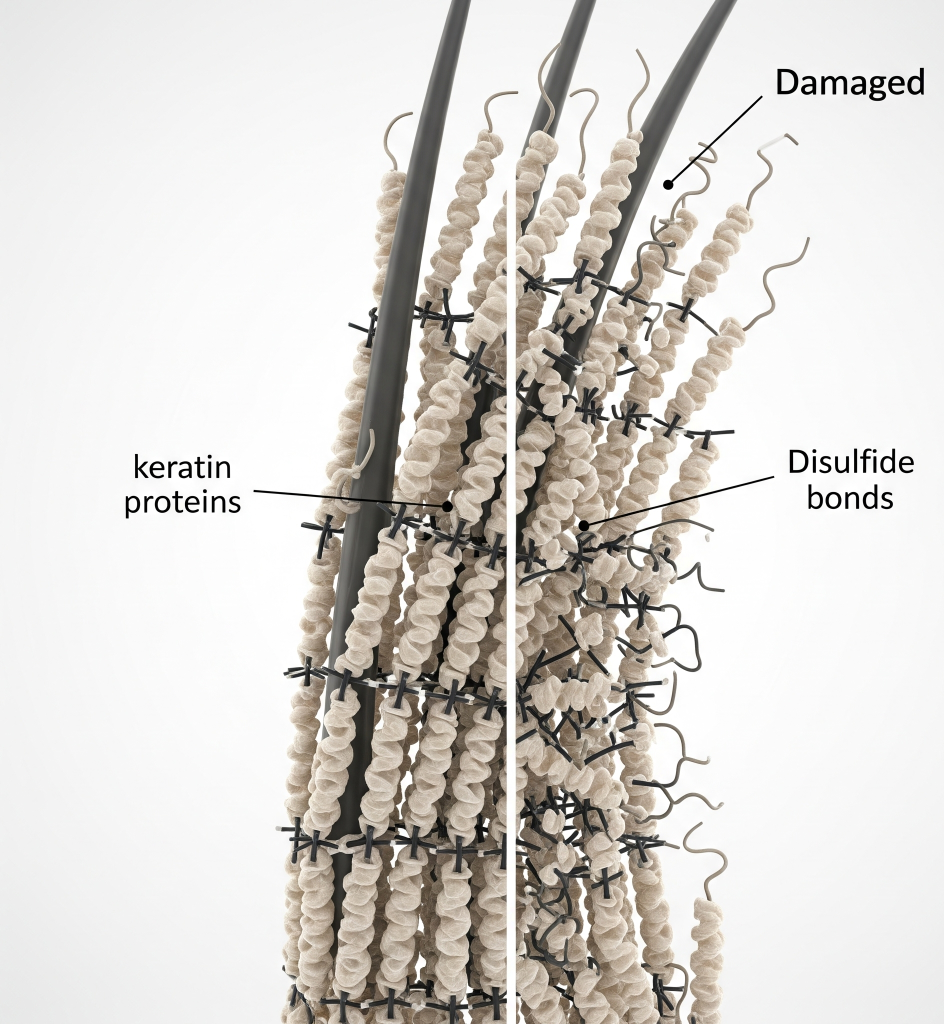
Beyond the macroscopic shape, the internal structure of hair also plays a significant role. Keratin proteins are made up of amino acids, which are linked together by various bonds, including disulfide bonds. These bonds contribute to the hair’s overall strength and shape. In curly hair, the arrangement and number of these bonds can differ, influencing the curl pattern and its resilience. When hair is damaged, whether through chemical processes, heat styling, or environmental factors, these protein bonds can break down, leading to a loss of structural integrity. This is where external protein treatments become vital, as they can help to temporarily reinforce these weakened areas, effectively patching up the gaps in the hair’s cuticle and cortex.
Why Curly Hair Needs Protein
Curly hair, by its very nature, is more susceptible to damage and dryness than straight hair. The twists and turns in each strand create natural points of weakness where the cuticle, the outermost protective layer of the hair, can lift and become compromised. This lifted cuticle allows moisture to escape more easily, leading to dryness, frizz, and a dull appearance. Furthermore, the natural oils produced by the scalp, which typically travel down straight hair strands with ease, struggle to navigate the intricate curves of curly hair, leaving the ends particularly vulnerable to dryness and breakage.
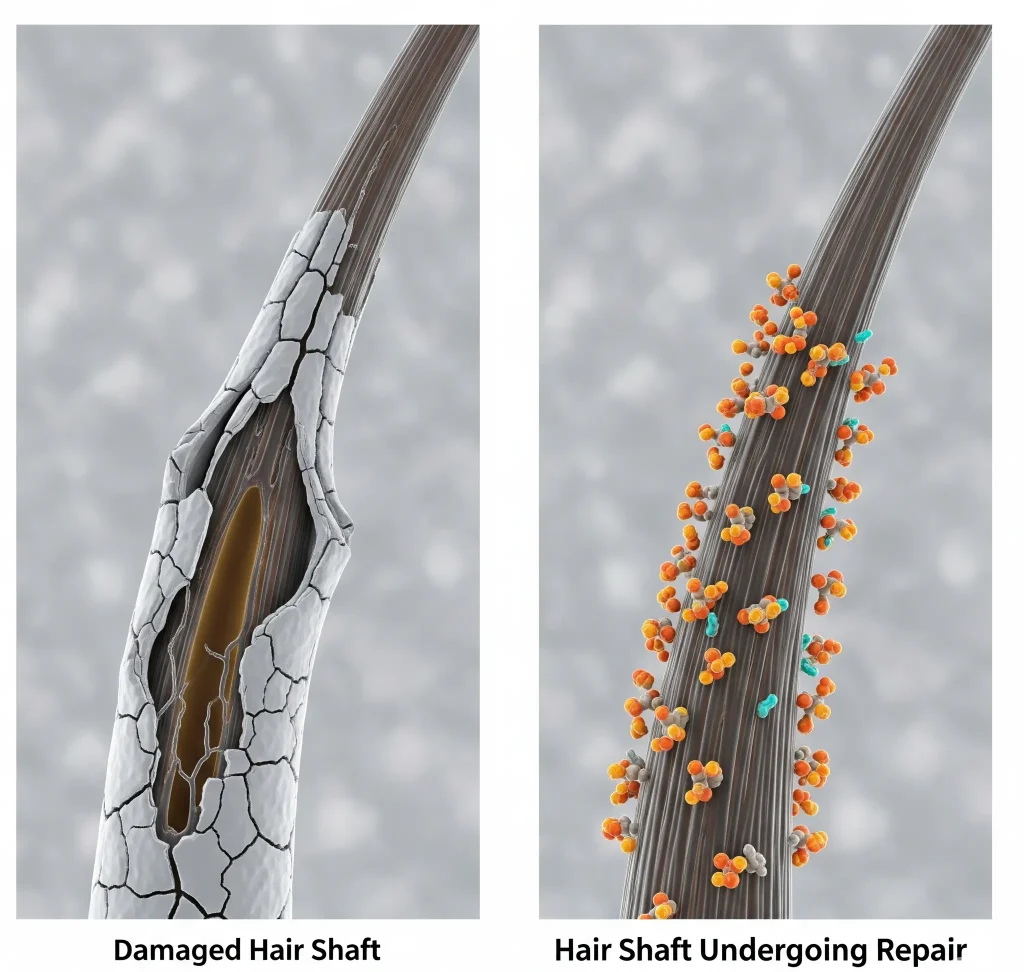
Protein treatments address these vulnerabilities by reinforcing the hair’s structure. When applied to the hair, proteins, especially hydrolyzed proteins (which are broken down into smaller molecules for better penetration), can temporarily fill in the gaps and cracks in the damaged cuticle. This process helps to smooth the hair’s surface, making it less porous and more capable of retaining moisture. By strengthening the hair shaft, proteins reduce breakage, improve elasticity, and enhance the overall resilience of the curls. This leads to more defined, bouncier, and healthier-looking curls that are less prone to frizz and environmental damage. In essence, protein acts as a vital building block and repair agent, helping curly hair maintain its inherent strength and beauty.
Signs of Protein Deficiency (and Damage)
Recognizing the signs of protein deficiency or damage in curly hair is crucial for effective treatment. Your hair often communicates its needs through its appearance and behavior. One of the most common indicators of insufficient protein is a lack of elasticity. Healthy hair should have a certain degree of stretch when wet; if your curls feel mushy, limp, or stretch excessively without returning to their original shape, it’s a strong sign they need protein. Conversely, hair that feels brittle, stiff, or breaks easily might also be signaling a need for protein, as damage can lead to protein loss.
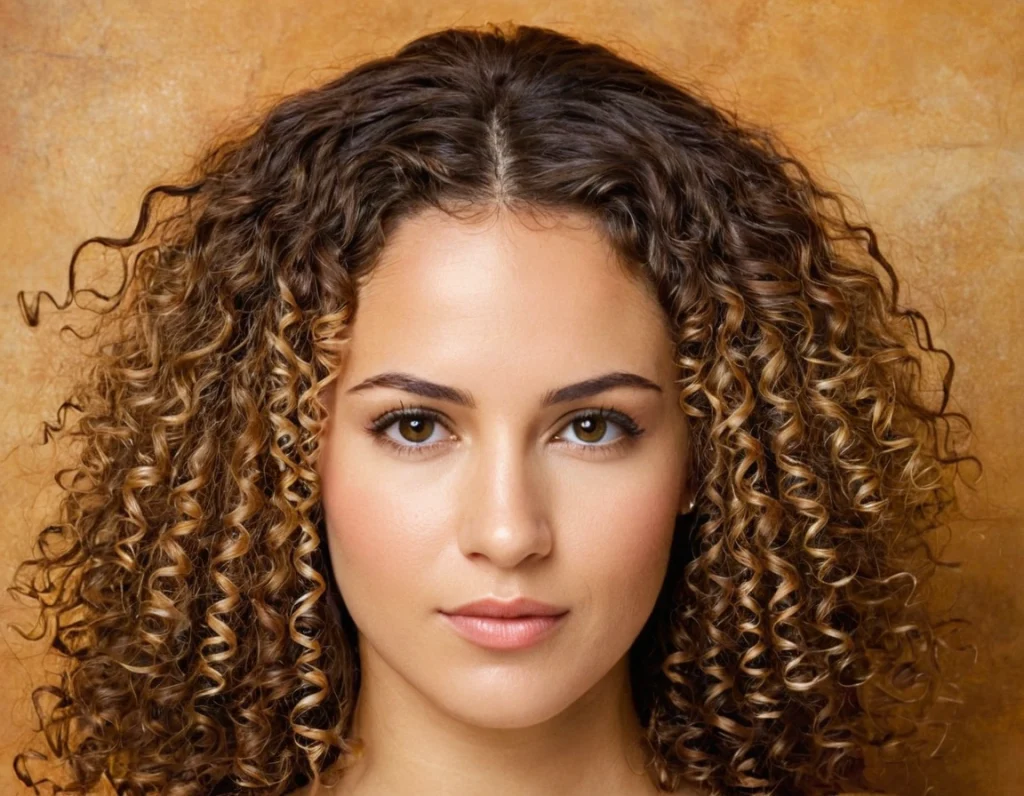
Other visual cues include a general lack of definition in your curl pattern. Curls that appear stringy, limp, or lose their bounce quickly after styling can indicate a weakened internal structure. Increased frizz, even after applying moisturizing products, can also be a symptom, as a compromised cuticle struggles to lay flat and retain moisture. Additionally, if your hair feels overly soft or gummy when wet, or if it takes an unusually long time to dry, these could be signs of moisture overload, which often goes hand-in-hand with protein deficiency. A simple strand test can help: take a wet strand of hair and gently stretch it. If it stretches a lot and doesn’t spring back, or if it breaks immediately, protein is likely needed. If it feels stiff and breaks quickly, it might be protein overload, which we will discuss later.
Types of Proteins Beneficial for Curly Hair
Not all proteins are created equal when it comes to hair care. For effective penetration and benefit, proteins used in hair products are typically hydrolyzed, meaning they have been broken down into smaller molecules or amino acids. This allows them to more easily enter the hair shaft and perform their restorative functions. Here are some of the most common and beneficial types of proteins found in curly hair products:
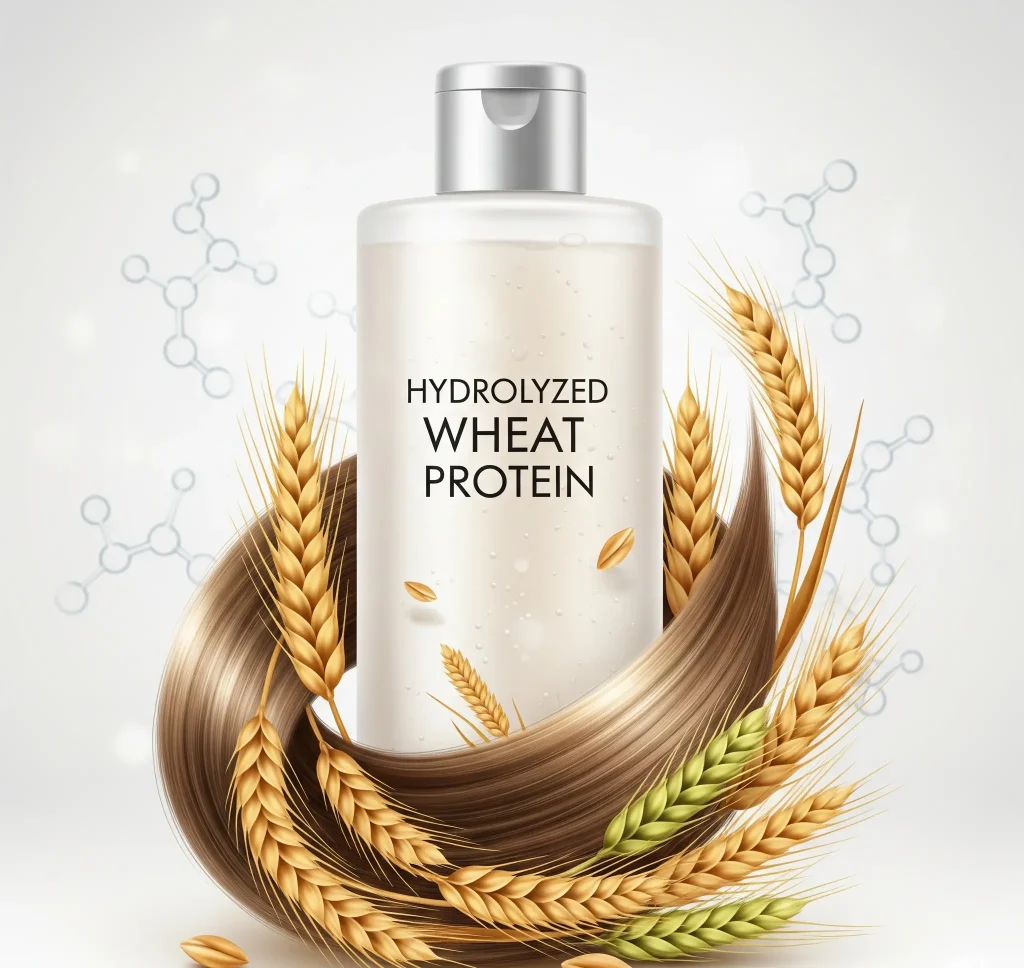
- Hydrolyzed Wheat Protein: Derived from wheat, this protein is known for its ability to penetrate the hair shaft and strengthen it from within. It helps to improve elasticity, reduce breakage, and add shine. Its relatively small molecular size makes it effective for many hair types.
- Hydrolyzed Soy Protein: Similar to wheat protein, hydrolyzed soy protein is also a popular choice due to its strengthening and repairing properties. It can help to improve hair texture, add body, and enhance manageability, particularly for fine or damaged curls.
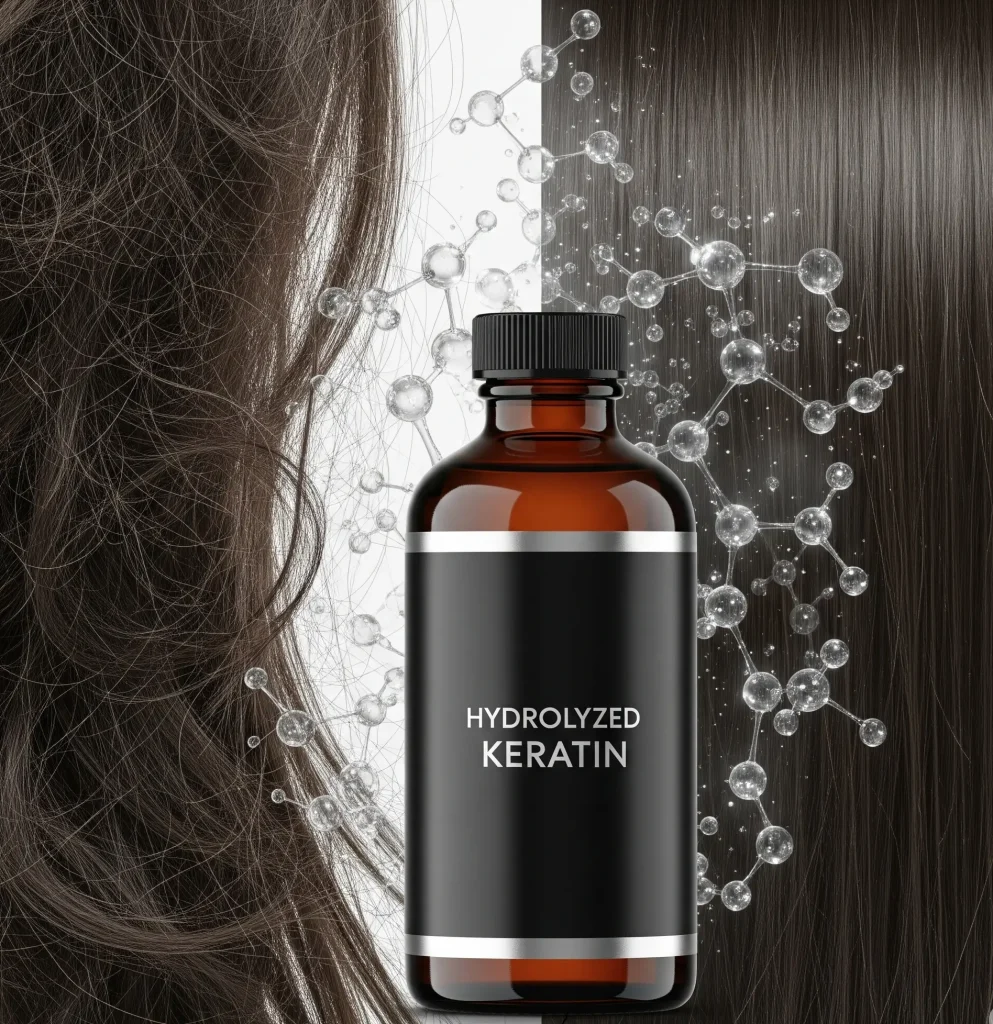
- Hydrolyzed Keratin: As keratin is the primary protein component of hair, hydrolyzed keratin treatments aim to replenish lost protein directly. It can significantly improve the strength, elasticity, and overall health of damaged hair, making it smoother and more resilient. However, due to its potency, it should be used with caution to avoid protein overload.
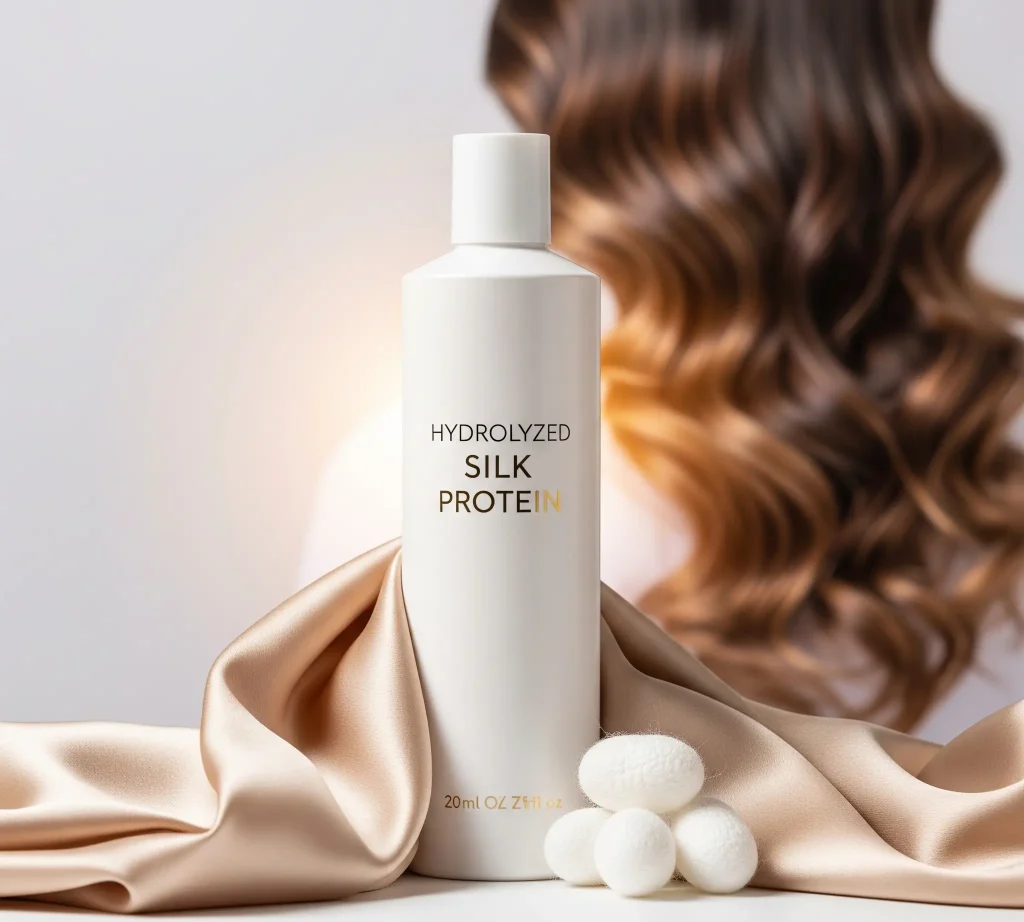
- Silk Protein (Hydrolyzed Silk): Known for its luxurious feel, silk protein helps to create a smooth, soft surface on the hair. It can improve elasticity, add shine, and provide a protective barrier against moisture loss. Its lightweight nature makes it suitable for most curl types.
- Rice Protein: This plant-based protein is excellent for adding volume and strength without weighing down the hair. It helps to fortify the hair shaft, making it more resistant to breakage and improving overall hair density.
- Collagen: While often associated with skin health, hydrolyzed collagen can also benefit hair by providing strength and elasticity. It helps to reinforce the hair structure and can contribute to a fuller appearance.
When choosing products, look for these ingredients on the label. The concentration and combination of these proteins will vary, so it’s often a matter of experimentation to find what works best for your specific curl type and needs.
How to Incorporate Proteins into Your Curly Hair Routine
Integrating protein into your curly hair routine requires a thoughtful approach to ensure you provide your curls with the right amount without causing imbalance. The frequency and intensity of protein treatments depend largely on your hair’s porosity, damage level, and overall health. Here’s a guide to help you incorporate proteins effectively:
1. Assess Your Hair’s Needs
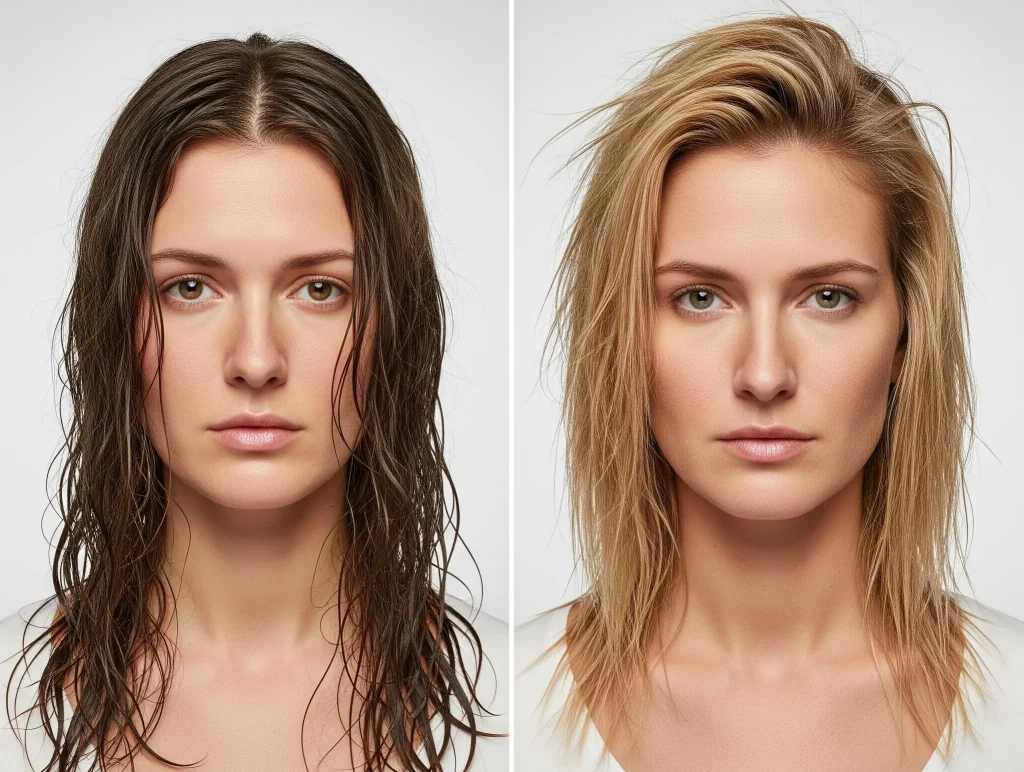
Before diving into protein treatments, perform a strand test as described earlier. If your hair feels mushy, overly stretchy, or lacks definition, it likely needs protein. If it feels stiff, brittle, or rough, you might be experiencing protein overload, which means you need to reduce protein and focus on moisture.
2. Choose the Right Products
Protein can be found in various hair products, from shampoos and conditioners to deep conditioners, leave-ins, and styling products. For those new to protein or with mildly damaged hair, starting with a protein-rich conditioner or a leave-in product is a good first step. For more significant damage, a dedicated protein treatment or deep conditioner used periodically might be necessary.
- Protein-Enriched Shampoos and Conditioners: These are suitable for regular use, especially if your hair has a moderate need for protein. They offer a gentle dose of protein to maintain strength and elasticity.
- Protein Deep Conditioners/Treatments: These are more concentrated and designed to provide a stronger protein boost. They are typically used every 2-4 weeks, depending on your hair’s needs. Always follow the product instructions for application time.
- Leave-in Conditioners and Styling Products with Protein: These provide a lighter, continuous supply of protein throughout the day, helping to protect and strengthen your curls between washes.
3. Application Tips
When using protein treatments, ensure your hair is clean and damp. Distribute the product evenly, focusing on the mid-lengths and ends, which are typically the most vulnerable areas. Allow the product to sit for the recommended time, then rinse thoroughly. For deep treatments, some people opt for gentle heat (e.g., a hooded dryer or a warm towel) to enhance penetration, but this is not always necessary.
4. Listen to Your Hair
The key to successful protein incorporation is observation. Pay attention to how your hair responds. If it feels stronger, more elastic, and your curls are more defined, you’re on the right track. If it starts to feel stiff, dry, or brittle, you might be using too much protein or using it too frequently. Adjust your routine accordingly.
Protein Overload: What it is and How to Avoid It
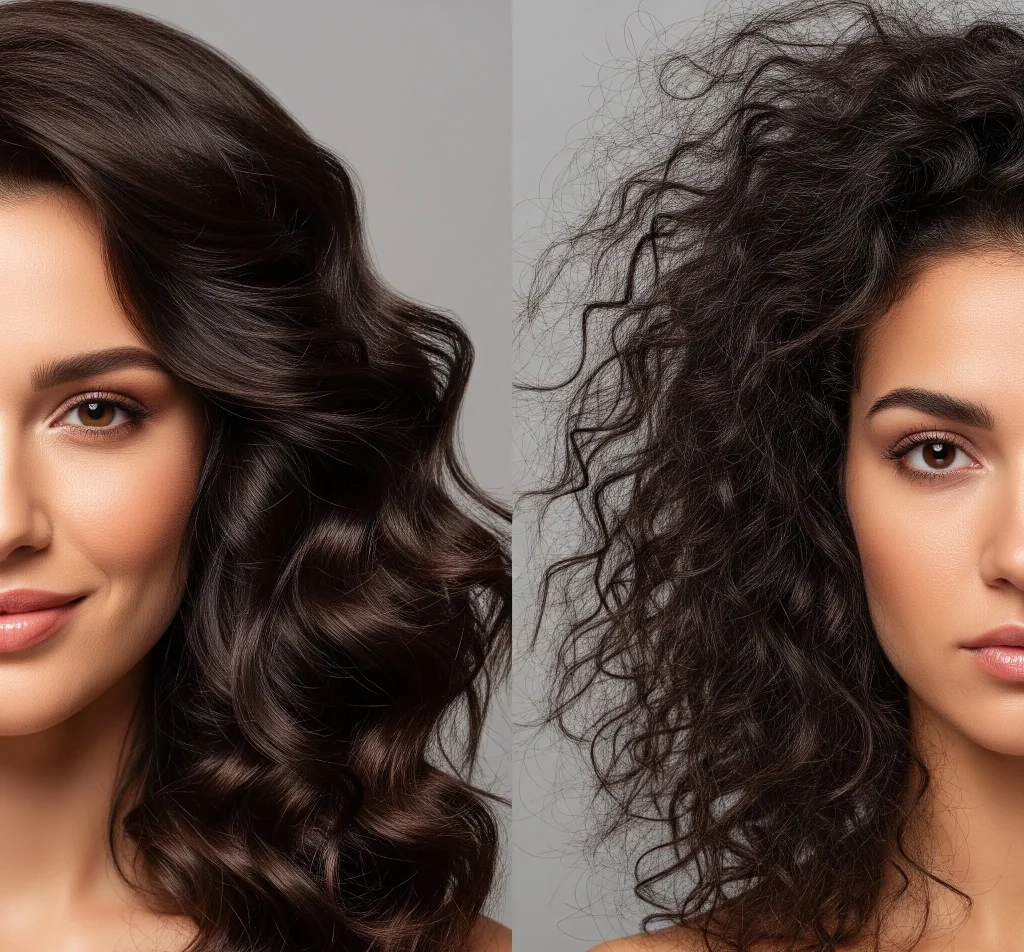
While protein is essential for healthy curly hair, it is possible to have too much of a good thing. Protein overload occurs when there is an excessive amount of protein in the hair, leading to an imbalance with moisture. Instead of strengthening the hair, too much protein can make it stiff, brittle, and prone to breakage. This happens because the hair becomes overly rigid, losing its natural flexibility and elasticity. The cuticle can become rough and raised, leading to a dull appearance and increased tangling.
Signs of Protein Overload
Recognizing protein overload is just as important as identifying protein deficiency. Common signs include:
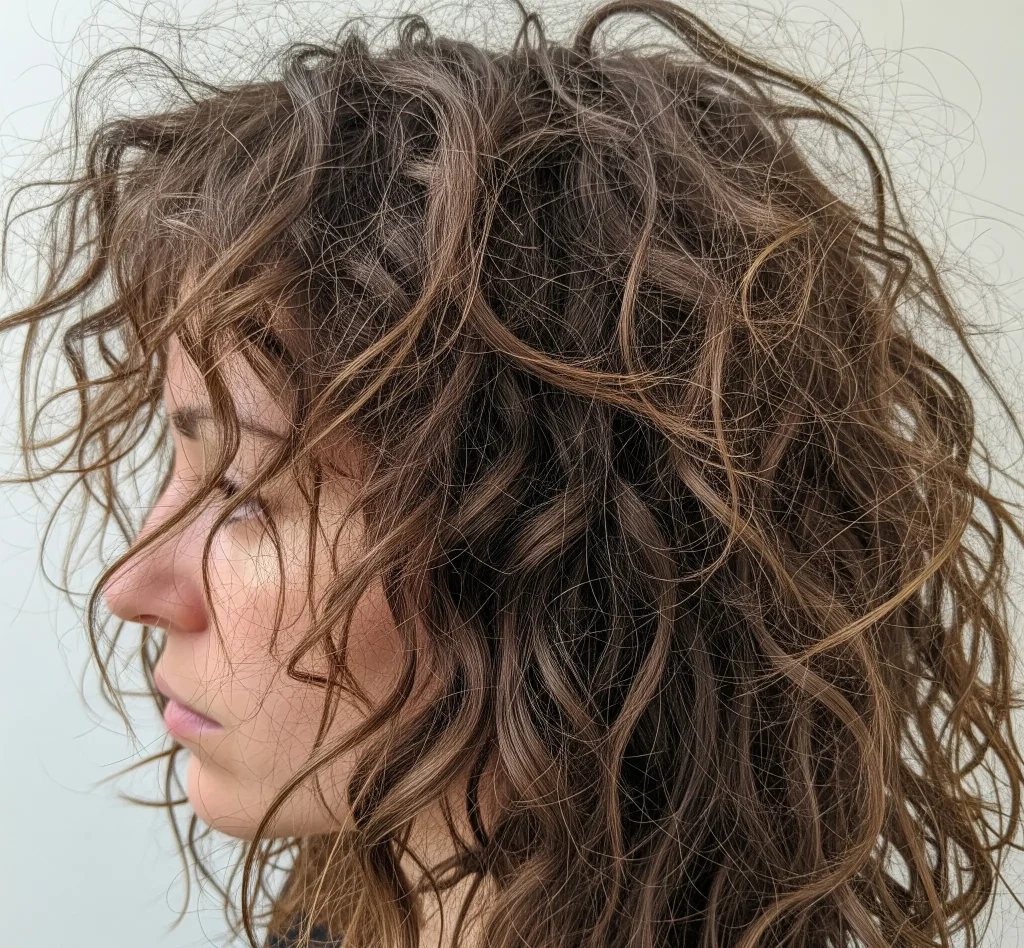
- Stiffness and Brittleness: Your hair feels rigid, straw-like, and lacks its usual softness. It might even make a crunching sound when you touch it.
- Increased Breakage: Despite feeling strong, the hair snaps easily, especially when wet or during styling.
- Dullness and Lack of Shine: The hair loses its natural luster and appears lifeless.
- Rough Texture: The hair feels coarse and rough to the touch, rather than smooth.
- Reduced Elasticity: While protein deficiency causes excessive stretch, protein overload can make hair feel like it has no stretch at all, breaking immediately when pulled.
- Difficulty Styling: Curls may not form properly, or they might feel dry and resistant to styling products.
How to Avoid and Remedy Protein Overload
Preventing protein overload involves understanding your hair’s needs and adjusting your routine accordingly. If you suspect protein overload, here’s how to address it:
- Reduce Protein Intake: Temporarily stop using products that contain protein. This includes shampoos, conditioners, leave-ins, and styling products. Check ingredient lists for terms like ‘hydrolyzed protein,’ ‘keratin,’ ‘amino acids,’ ‘collagen,’ ‘silk protein,’ ‘wheat protein,’ and ‘soy protein.’
- Focus on Moisture: Shift your routine to intensely moisturizing products. Use deep conditioners and hair masks that are rich in humectants (like glycerin and hyaluronic acid) and emollients (like shea butter, argan oil, and jojoba oil). These will help to restore the hair’s moisture balance and flexibility.
- Clarify Your Hair: A clarifying shampoo can help remove any excess protein buildup on the hair shaft. Use it gently and follow up with a very moisturizing conditioner.
- Gentle Handling: Be extra gentle with your hair while it recovers. Avoid excessive brushing, tight hairstyles, and heat styling, as the hair is more fragile during this period.
- Reintroduce Protein Gradually: Once your hair feels soft, flexible, and healthy again, you can slowly reintroduce protein-containing products. Start with products that have a lower concentration of protein or use them less frequently. The goal is to find a balance that keeps your curls strong without making them stiff.
Maintaining Protein-Moisture Balance
The ultimate goal for healthy curly hair is to achieve and maintain a delicate protein-moisture balance. This balance ensures that your hair is both strong and flexible, resilient yet soft, and capable of holding its curl pattern without becoming brittle or mushy. Think of it as a seesaw: too much protein and the hair becomes stiff; too much moisture and it becomes limp and weak. Both extremes lead to undesirable outcomes, making the hair difficult to manage and prone to damage.
Understanding Your Hair’s Needs
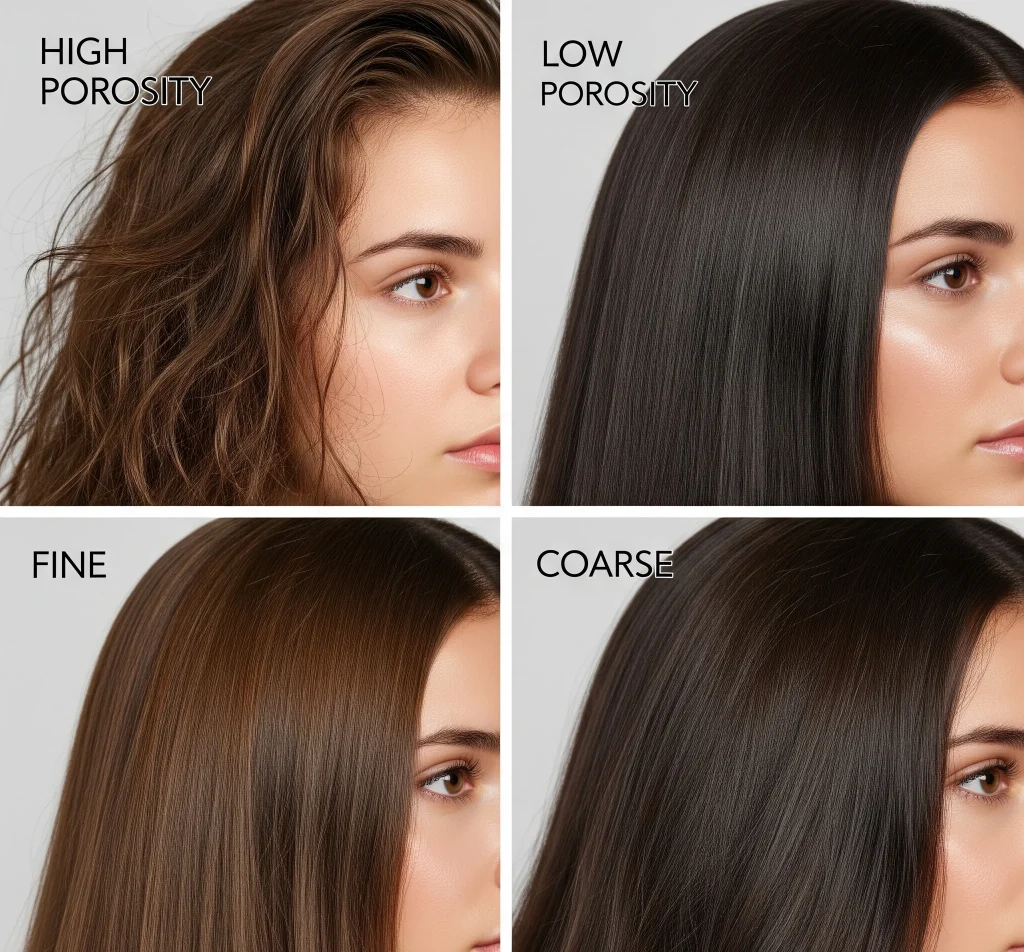
The first step in maintaining this balance is understanding your hair’s unique needs. Factors such as porosity, hair density, and the level of damage all play a role. High porosity hair, which has a more open cuticle, tends to lose moisture quickly and can benefit from more frequent protein treatments to help seal the cuticle. Low porosity hair, with its tightly closed cuticle, can be prone to product buildup and may require less frequent protein, as proteins can sit on the surface and cause stiffness. Fine hair often benefits from protein to add strength and volume, while coarse hair might need more moisture to maintain flexibility.
The Role of Products
Achieving balance involves selecting the right products and using them strategically. Your routine should include a mix of moisturizing and protein-rich products. For example, you might use a protein-free shampoo and conditioner for daily washing, but incorporate a protein deep conditioner once every few weeks. Alternatively, if your hair is very damaged, you might use a protein-rich leave-in daily and a moisturizing mask weekly.
The Stretch Test Revisited
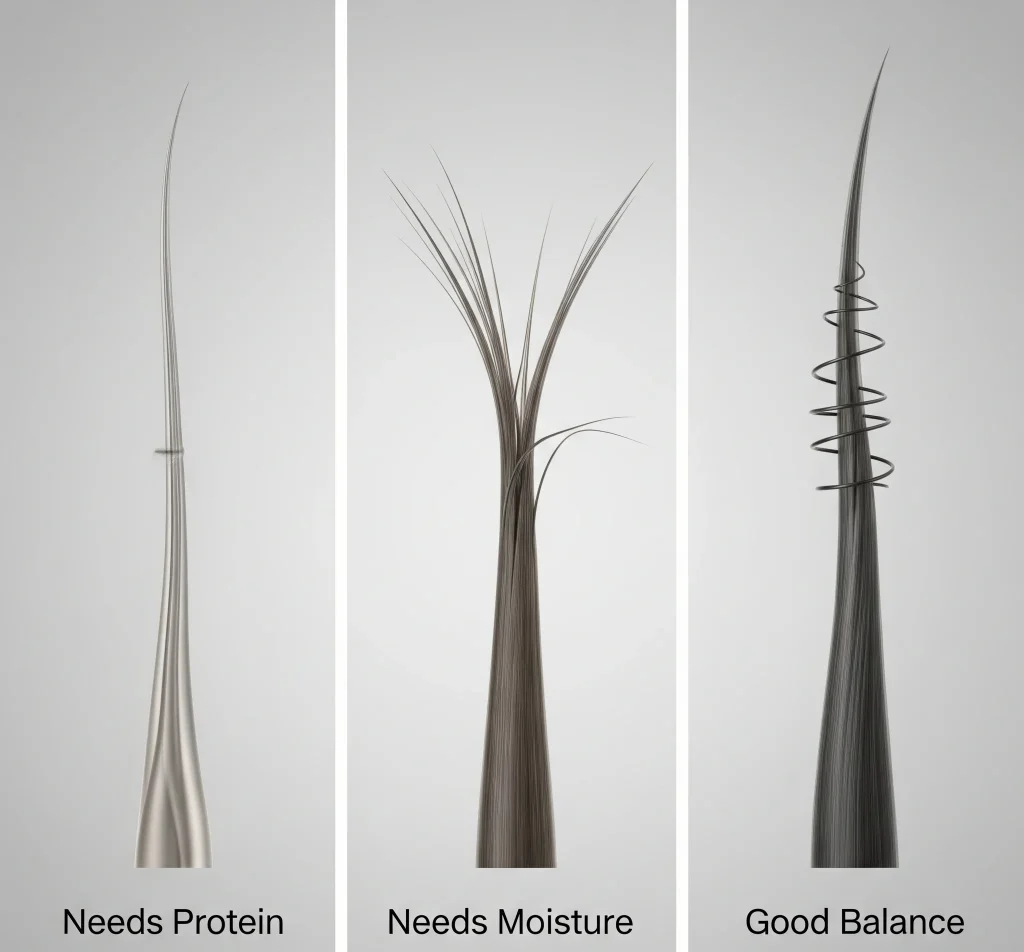
The strand stretch test remains an invaluable tool for assessing your hair’s current balance. If your hair stretches significantly and feels weak or mushy, it needs protein. If it feels stiff and breaks easily, it needs moisture. The ideal scenario is when your hair stretches slightly and then springs back to its original length, indicating a good balance of strength and elasticity.
Adjusting Your Routine
Maintaining balance is an ongoing process that requires continuous adjustment. Environmental factors, styling habits, and even diet can influence your hair’s needs. For instance, in humid climates, hair might require more protein to combat frizz, while in dry climates, more moisture might be necessary. If you frequently heat style or color your hair, you’ll likely need more protein to repair and protect against damage. Pay attention to how your hair feels and looks, and be prepared to modify your product choices and routine as needed to keep your curls happy and healthy.
Conclusion
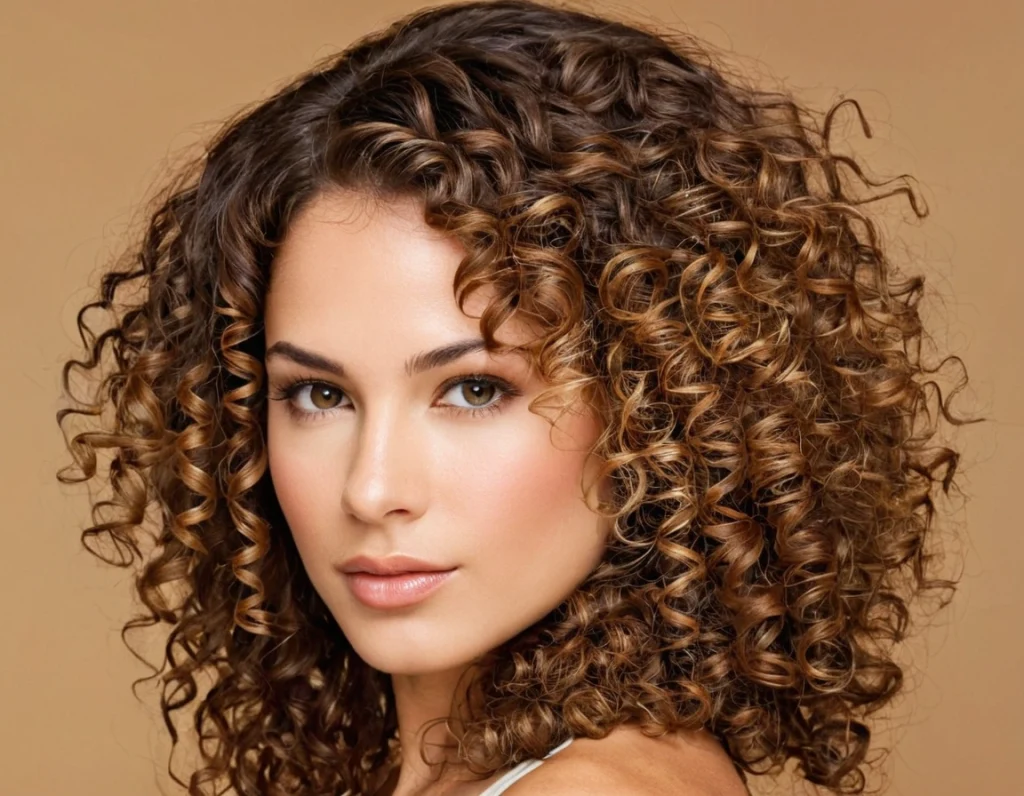
Proteins are undeniably a cornerstone of healthy curly hair care. From forming the very structure of each strand to providing strength, elasticity, and resilience, their role is multifaceted and indispensable. Understanding the science behind how proteins interact with the unique characteristics of curly hair empowers individuals to make informed decisions about their hair care routines. Recognizing the subtle and overt signs of protein deficiency or overload is paramount to addressing specific hair needs effectively.
The journey to vibrant, well-defined curls is often one of continuous learning and adjustment. By carefully incorporating beneficial proteins, such as hydrolyzed wheat, soy, keratin, silk, and rice proteins, and by diligently maintaining the crucial protein-moisture balance, curly-haired individuals can unlock the full potential of their natural texture. Remember, healthy hair is a reflection of consistent care and attention to its fundamental building blocks. With the right knowledge and a responsive approach, your curls can flourish, exhibiting the strength, bounce, and beauty they are inherently capable of.