
How to Keep Curly Hair Healthy
Curly hair, with its unique structure and natural beauty, often requires a specialized care routine to maintain its health, definition, and vibrancy. Unlike straight hair, the coiled nature of curly strands makes them more prone to dryness, frizz, and breakage. This comprehensive guide will delve into the essential practices and considerations for nurturing your curls, ensuring they remain healthy, hydrated, and beautifully bouncy.
Understanding Your Curls
The distinct shape of curly hair is determined by the oval or asymmetrical shape of its follicles. This structure means that natural oils produced by the scalp struggle to travel down the entire length of the hair shaft, leading to inherent dryness. Additionally, the raised cuticles of curly hair can allow moisture to escape more easily, contributing to frizz. Recognizing these fundamental characteristics is the first step toward developing an effective care regimen.
The Washing Regimen: Less is More
One of the most crucial aspects of curly hair care is the washing routine. Frequent shampooing can strip curly hair of its much-needed natural oils, exacerbating dryness and frizz. Therefore, a less-is-more approach is generally recommended.

Frequency
Aim to wash your curly hair only when necessary, typically every two to three days, or even less frequently for very dry or thick curls. Some individuals with extremely dry curls may find success with washing once a week or every two weeks. The goal is to cleanse the scalp and hair without over-drying the strands.
Product Selection
Choosing the right shampoo and conditioner is paramount. Opt for products specifically formulated for curly hair, which are often sulfate-free and rich in moisturizing ingredients. Look for components such as:
- Natural and Essential Oils: Coconut oil, jojoba oil, sunflower oil, avocado oil, argan oil, and baobab oil. These oils provide deep hydration and help seal the hair cuticle.
- Humectants: Glycerin helps draw moisture from the air into the hair.
- Proteins: Keratin and hydrolyzed silk can strengthen the hair shaft.
- Butters: Shea butter offers intense moisturization.
- Plant Extracts: Aloe vera and other botanical extracts provide soothing and hydrating benefits.
Avoid shampoos containing harsh sulfates, alcohols, and strong fragrances, as these can be drying and damaging to curly hair.
Washing Technique
When you do wash your hair, consider these techniques:
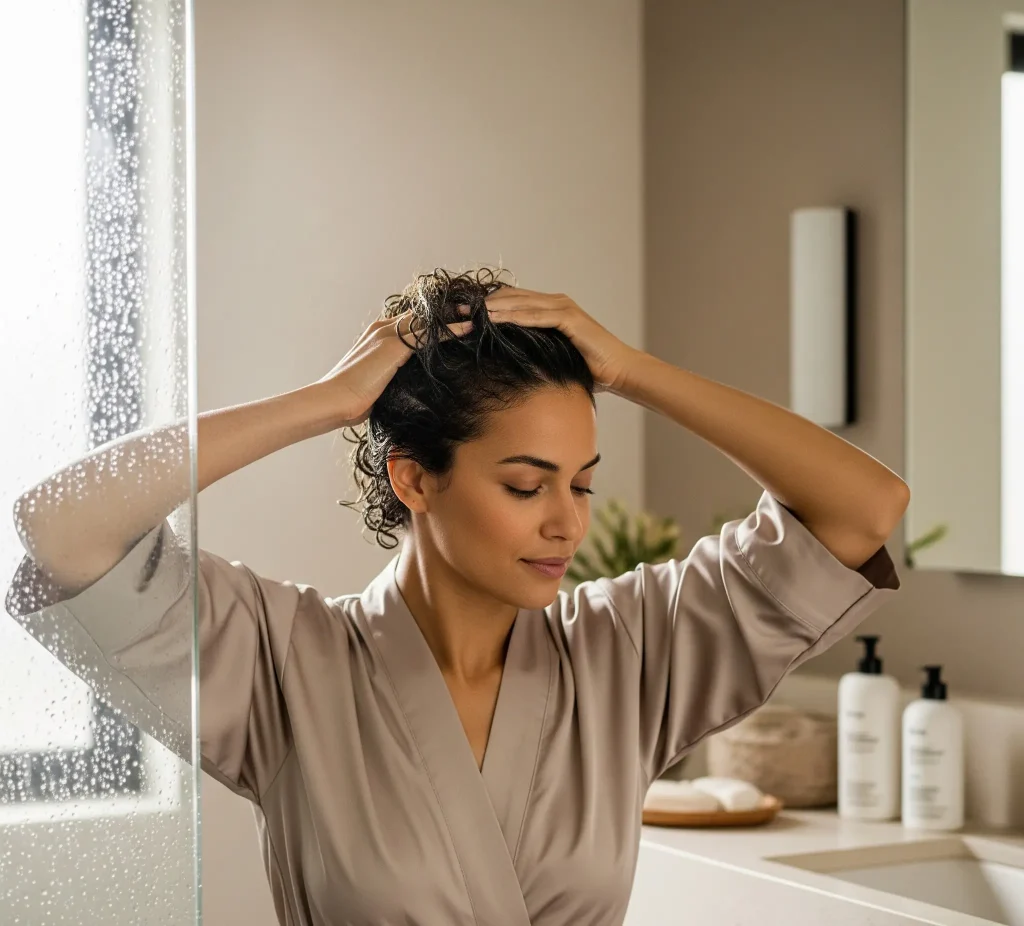
- Pre-shampoo Treatment: For very coarse or dry curls, applying a conditioner or natural oil before shampooing can help protect the hair from stripping during the cleansing process.
- Sectioning: If your hair is long or thick, washing it in sections can prevent tangling and ensure thorough cleansing.
- Scalp Focus: Concentrate shampoo on the scalp to remove buildup, and allow the lather to gently cleanse the rest of the hair as you rinse.
- Water Temperature: Use lukewarm or cool water for washing and rinsing. Hot water can lift the hair cuticle, leading to moisture loss and frizz. Cool water helps seal the cuticle, promoting shine and moisture retention.
Moisturizing: The Foundation of Healthy Curls
Moisture is the lifeblood of curly hair. Due to its structural characteristics, curly hair is inherently drier and requires consistent hydration to remain healthy and defined.
Conditioning
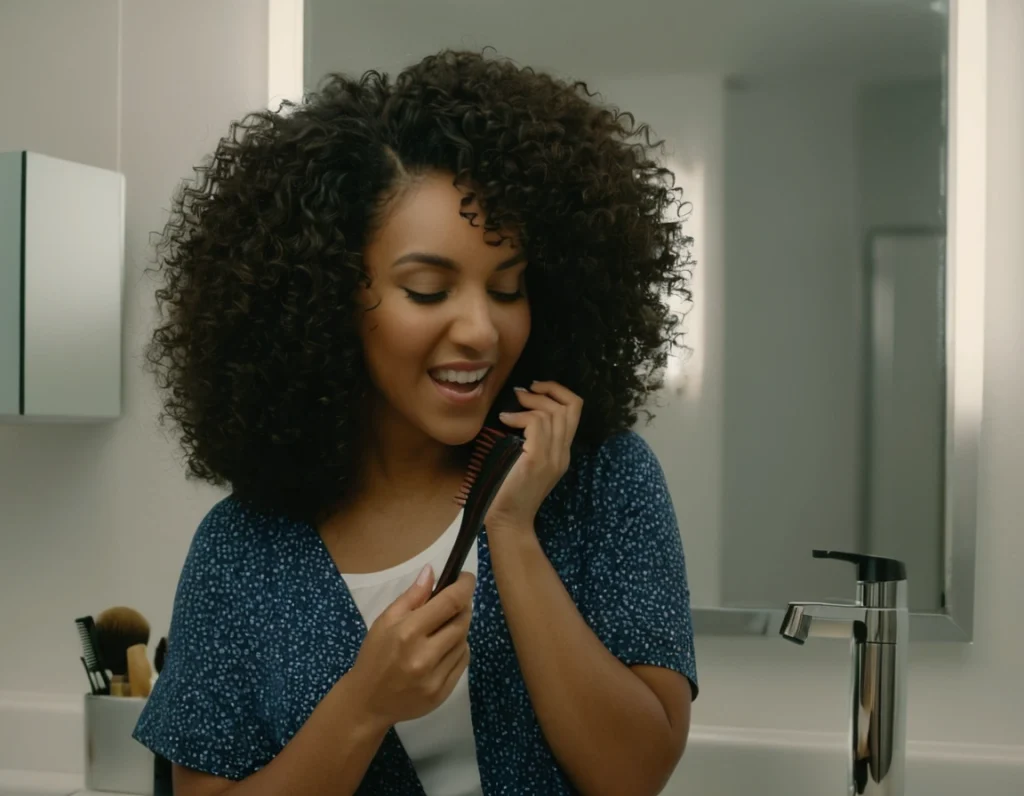
After shampooing, apply a generous amount of thick, moisturizing conditioner. Ensure you coat all your hair, not just the ends. Detangle your hair gently with your fingers or a wide-tooth comb while the conditioner is still in, working from the ends upwards to minimize breakage. Leave the conditioner on for a few minutes to allow for maximum absorption.
Leave-in Conditioners and Oils
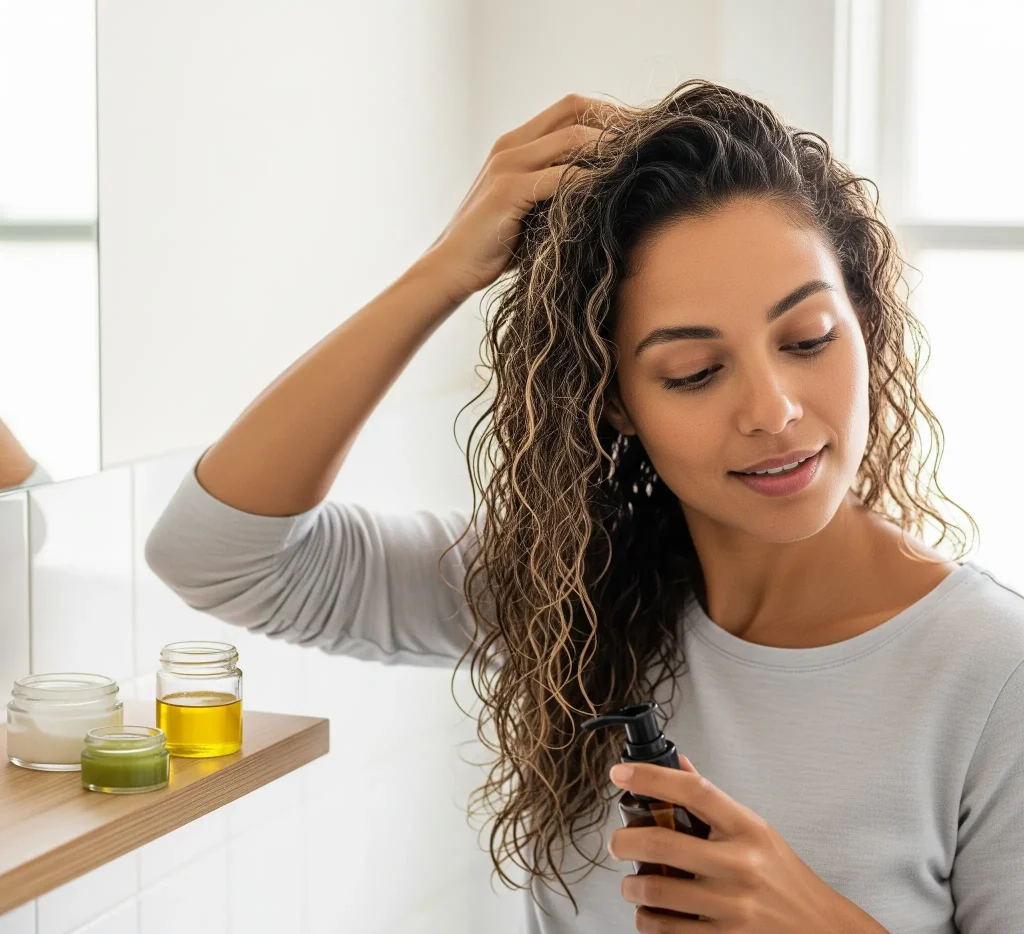
After rinsing, apply a leave-in conditioner or natural oil to damp hair. This step is crucial for locking in moisture and providing ongoing hydration. Experiment with different oils like coconut, olive, avocado, or jojoba to find what works best for your hair type. For very dry curls, layering a cream and then a gel can help seal in moisture.
Deep Conditioning and Hair Masks
Incorporate deep conditioning treatments or hair masks into your weekly or bi-weekly routine. These provide an intensive boost of hydration and nourishment. DIY masks with ingredients like honey, avocado, or banana can also be highly beneficial. Apply the mask, leave it on for the recommended time (or even overnight for very dry hair), and then rinse thoroughly.
Detangling with Care
Curly hair is prone to tangles and knots, making detangling a delicate process. Aggressive brushing or combing can lead to breakage and frizz.
Wet Detangling
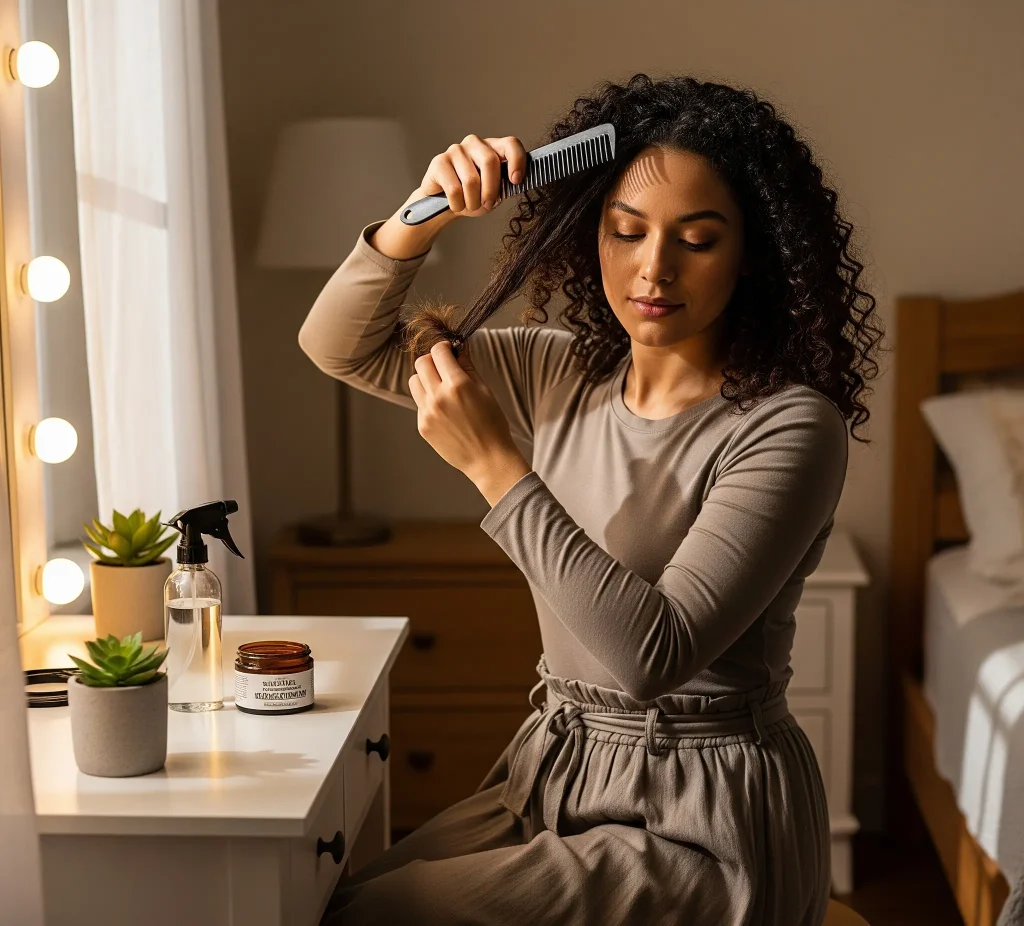
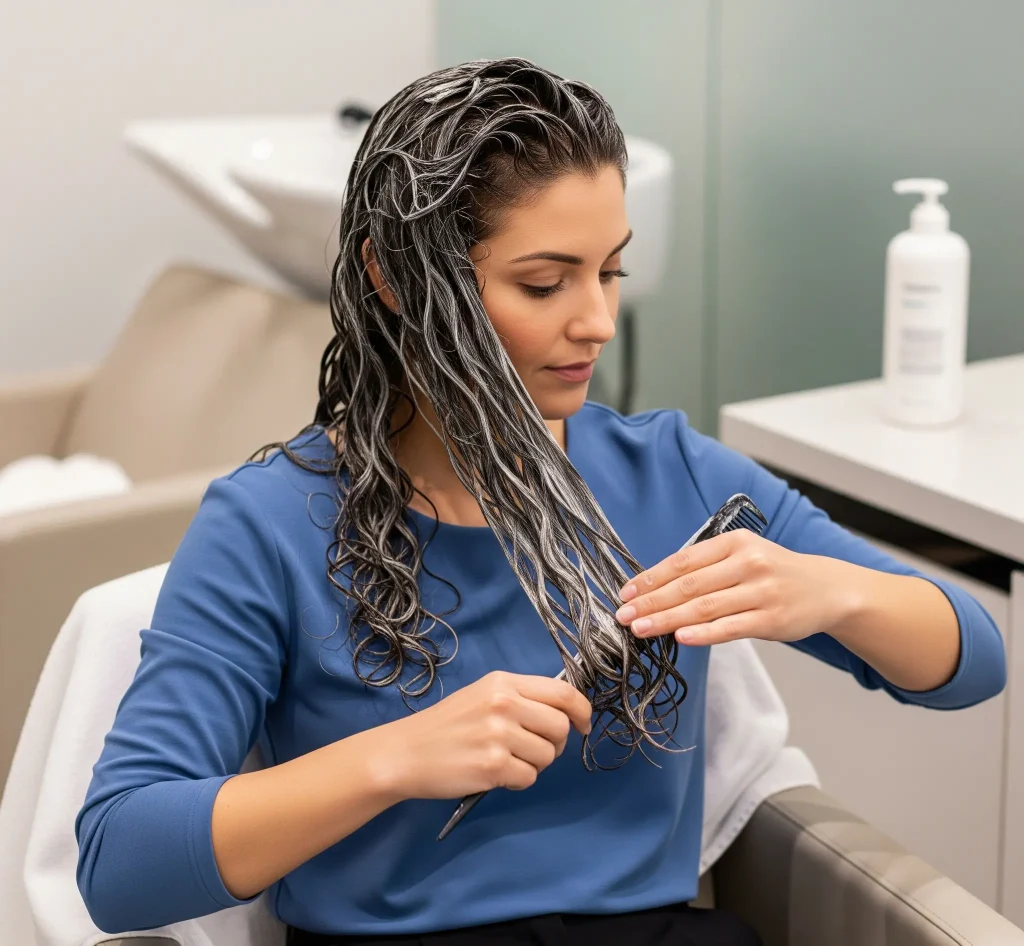
Always detangle your curly hair when it is wet and saturated with conditioner. The conditioner provides slip, making it easier to work through knots without causing damage. Use your fingers or a wide-tooth comb, starting from the ends and gradually working your way up to the roots.
Avoid Dry Brushing
Never brush or comb curly hair when it is dry, as this can disrupt the curl pattern, cause frizz, and lead to significant breakage.
Drying Techniques: Preserve the Curl Pattern
How you dry your curly hair significantly impacts its definition and frizz levels.
Air Drying
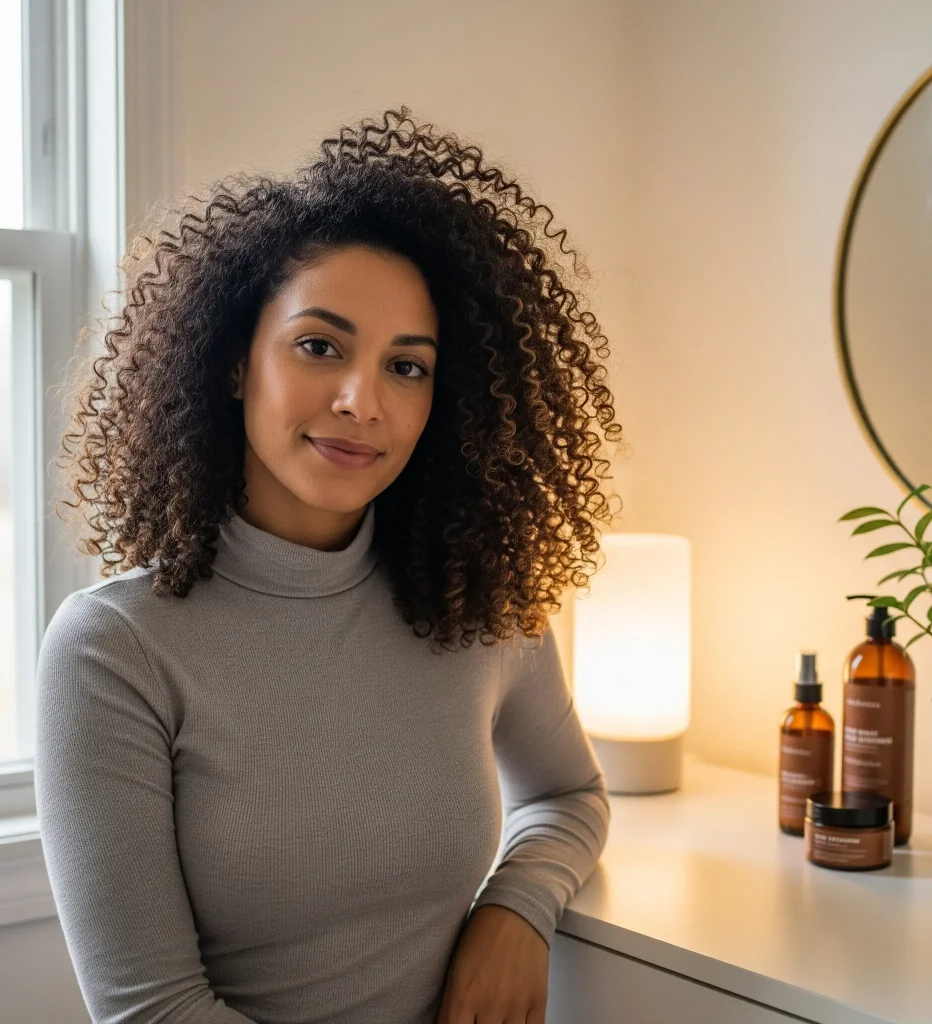
Air drying is often the preferred method for curly hair, as it minimizes heat exposure and helps maintain the natural curl pattern. After applying your leave-in products, gently scrunch your hair with a microfiber towel or an old cotton t-shirt to remove excess water. Avoid using a rough terry cloth towel, as its texture can cause friction and frizz.
Diffusing
If you use a blow dryer, attach a diffuser. A diffuser disperses the airflow, reducing direct heat and helping to define curls without causing frizz. Use a low heat setting and avoid over-drying your hair.
Hands Off!
Once you’ve applied products and begun the drying process, resist the urge to touch your hair frequently. Excessive touching can disrupt the curl clumps and lead to frizz.
Protecting Your Curls
Protecting your curls from external stressors is vital for their long-term health.
Sun Protection
Just like your skin, your hair can be damaged by the sun’s UV rays, leading to dryness and fading. Wear a wide-brimmed hat when spending extended time outdoors, and consider using hair products with UV filters.
Nighttime Care
Protecting your curls while you sleep can prevent tangles, frizz, and breakage. Consider these options:

- Pineapple Method: Gather your hair into a loose ponytail on top of your head, resembling a pineapple. This keeps curls from being flattened and reduces friction against your pillow.
- Silk or Satin Pillowcase/Scarf: Swap your cotton pillowcase for a silk or satin one, or wrap your hair in a silk or satin scarf. These materials reduce friction and prevent moisture loss, leading to less frizz and breakage.
- Loose Braids: For longer curly hair, loose braids can help preserve the curl pattern and prevent tangling overnight.
Heat Styling
Minimize the use of heat styling tools (straighteners, curling irons) as much as possible. If you must use them, always apply a heat protectant spray beforehand. Look for products containing silicones or keratin to create a barrier against heat damage.
What to Avoid
To keep your curly hair healthy, it’s equally important to know what to avoid:

- Sulfates, Harsh Alcohols, and Strong Fragrances: These ingredients can strip hair of natural oils and cause dryness.
- Over-shampooing: Excessive washing leads to dryness and frizz.
- Dry Brushing/Combing: This causes breakage and disrupts curl patterns.
- Tight Hairstyles: Constantly pulling your hair into tight ponytails or buns can cause tension and breakage.
- Hot Water: Washing with hot water opens the cuticle, leading to moisture loss.
The Role of Diet and Hydration
Healthy hair starts from within. A balanced diet rich in vitamins, minerals, and proteins supports hair growth and strength. Adequate hydration by drinking plenty of water is also essential for overall hair health.
Regular Trims
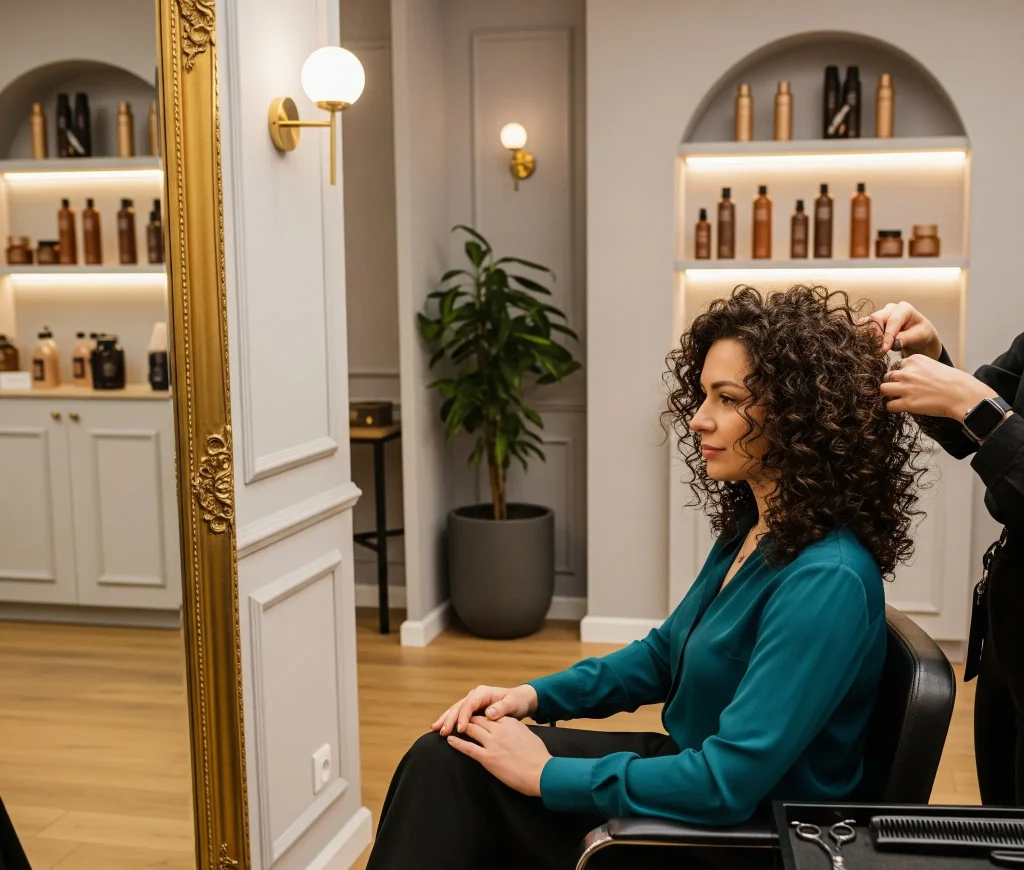
Regular trims, typically every 2-3 months, are essential for removing split ends and maintaining the shape and health of your curls. Find a stylist who specializes in cutting curly hair, as they understand how to cut curls to enhance their natural pattern.
Conclusion
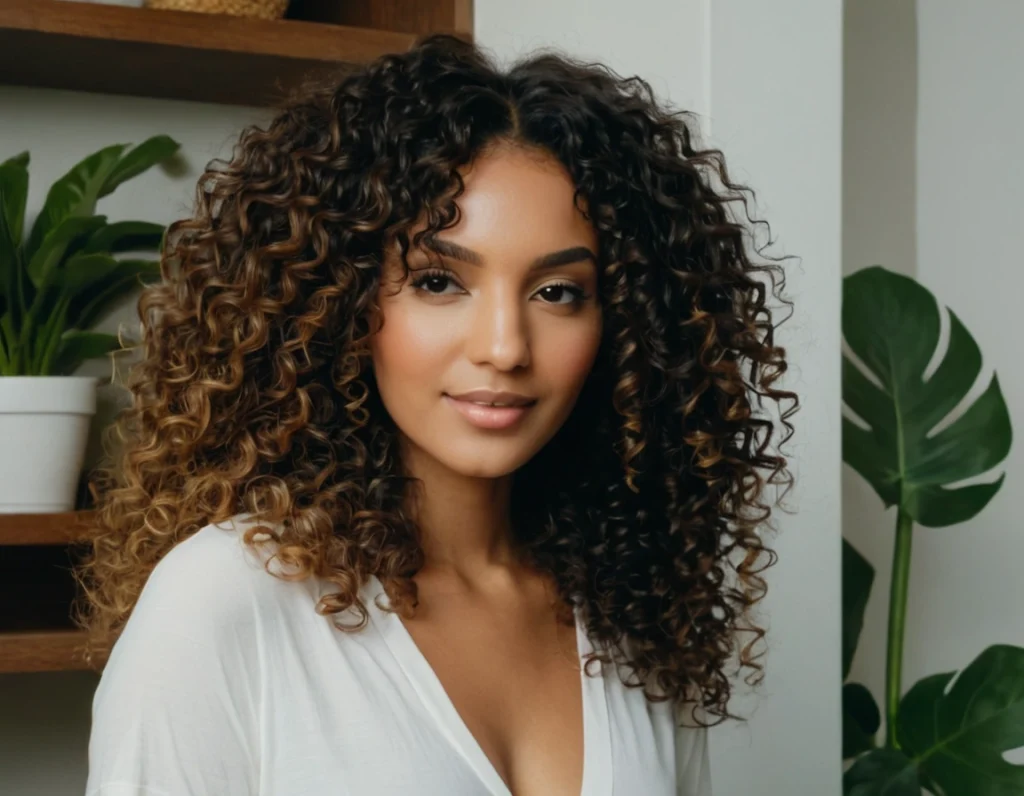
Caring for curly hair is a journey of understanding and consistent effort. By embracing a routine that prioritizes moisture, gentle handling, and protection, you can unlock the full potential of your curls. Experiment with different products and techniques to discover what works best for your unique hair type, and enjoy the beauty of healthy, defined, and vibrant curls.