
Choosing the Best Length for Curly Hair: A Comprehensive Guide
Introduction
Choosing the ideal hair length for curly hair is a nuanced decision that extends far beyond mere aesthetics. It’s a journey into understanding the unique characteristics of your curls, how they interact with different lengths, and how your lifestyle influences what works best for you. Unlike straight hair, curly hair possesses a distinct structure that can be significantly impacted by length, affecting everything from curl definition and volume to manageability and overall appearance. This comprehensive guide will delve into the intricate factors that should inform your decision, from the science of curl patterns and the art of complementing face shapes to the practicalities of daily maintenance and styling. By the end, you’ll be equipped with the knowledge to confidently choose a curly hair length that not only looks stunning but also harmonizes with your natural texture and personal routine.
Understanding Your Curls: The Foundation of Length Choice
Before embarking on the quest for the perfect curly hair length, it’s imperative to first understand the unique nature of your curls. Curly hair is not a monolith; it encompasses a vast spectrum of textures, patterns, and densities, each with its own set of characteristics and needs. The way your hair behaves at different lengths is intrinsically linked to its inherent curl pattern and overall structure.
The Hair Type Classification System (2a-4c)
The most widely recognized system for classifying curl patterns is the Andre Walker Hair Typing System, which categorizes hair into four main types: Type 1 (straight), Type 2 (wavy), Type 3 (curly), and Type 4 (coily). Within each curly and coily type, further sub-classifications (a, b, c) denote the tightness of the curl pattern. This system provides a useful framework for understanding your hair’s natural tendencies:
- Type 2 (Wavy Hair): Characterized by a loose S-shape pattern.
- 2a: Has a very subtle, barely-there wave, often close to straight. It’s easy to straighten or curl.
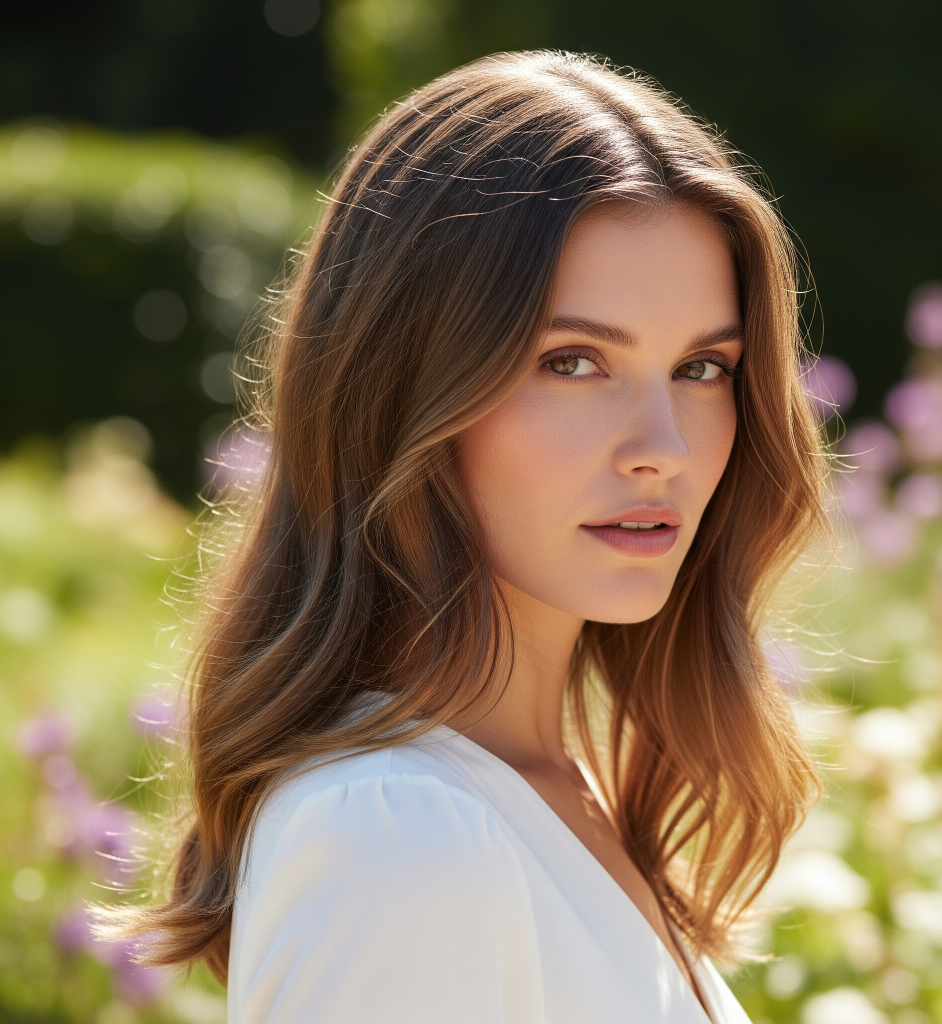
- 2b: Features more defined S-shaped waves that lie closer to the head. It can be prone to frizz.
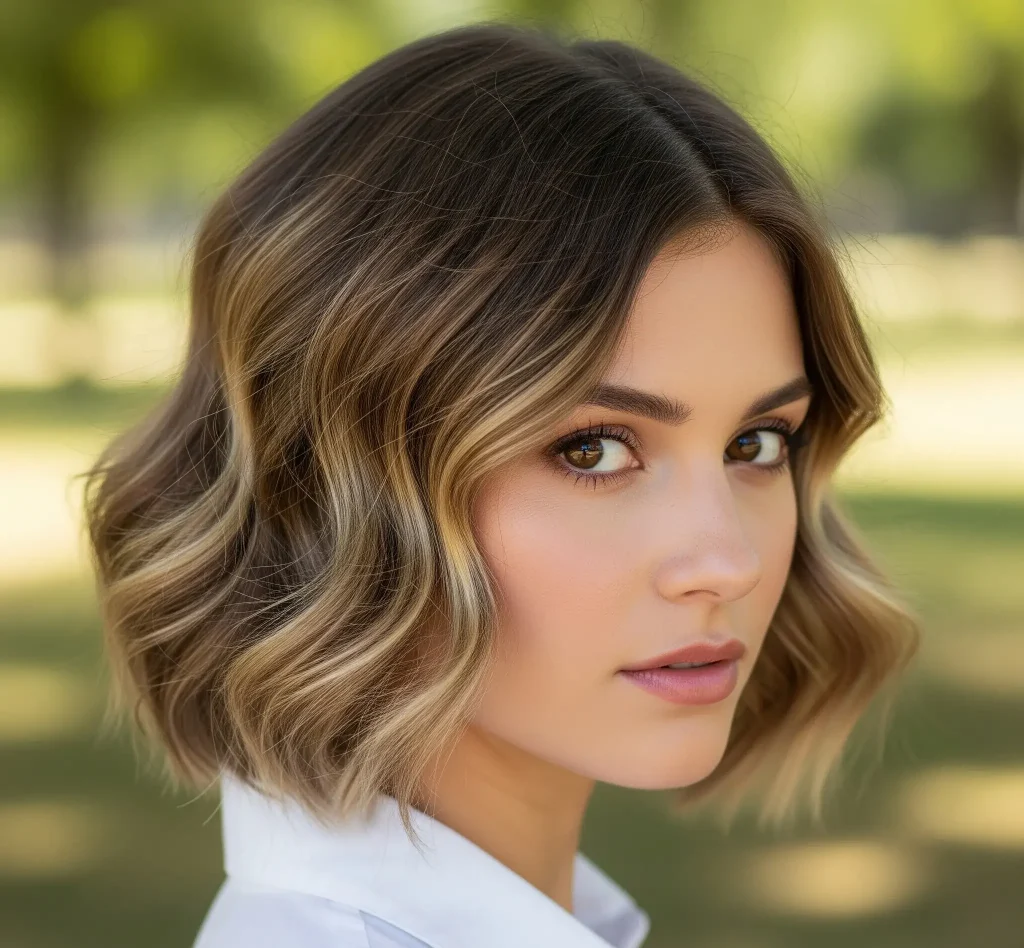
- 2c: Has distinct S-shaped waves that are more defined and can start closer to the roots. It often has some ringlets mixed in and is more prone to frizz.

- Type 3 (Curly Hair): Defined by distinct, springy curls that form a clear S-shape or loop.
- 3a: Characterized by large, loose curls, often the size of a sidewalk chalk stick.
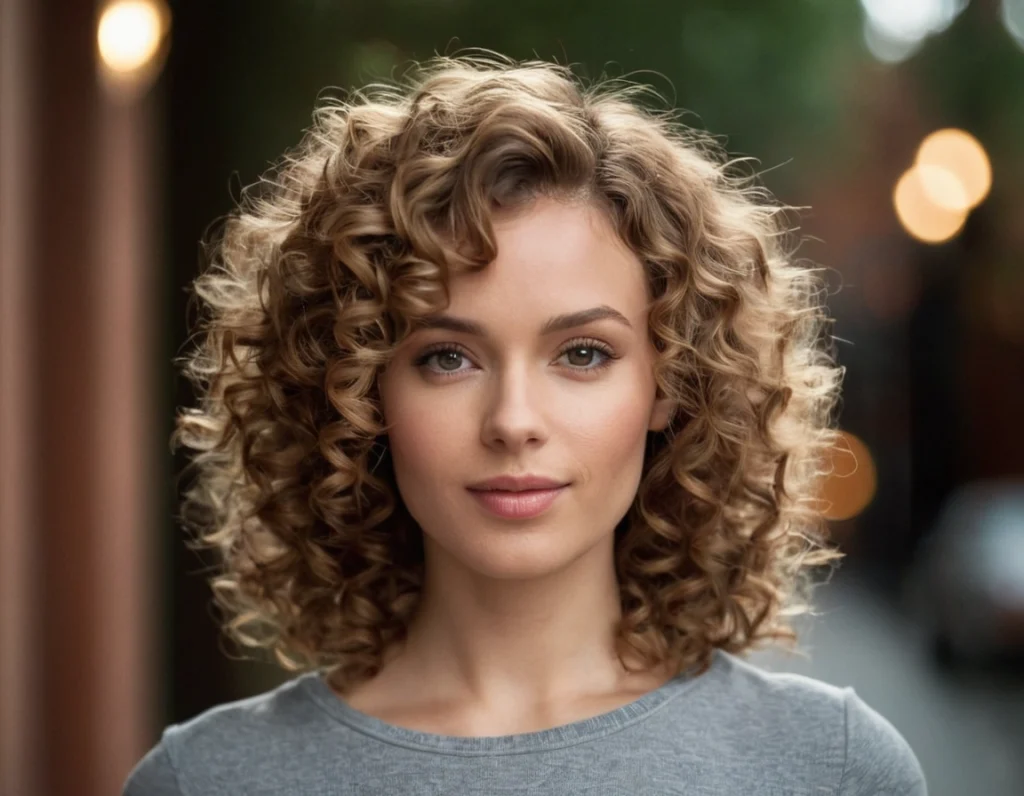
- 3b: Features medium, bouncy curls, often the size of a Sharpie marker.
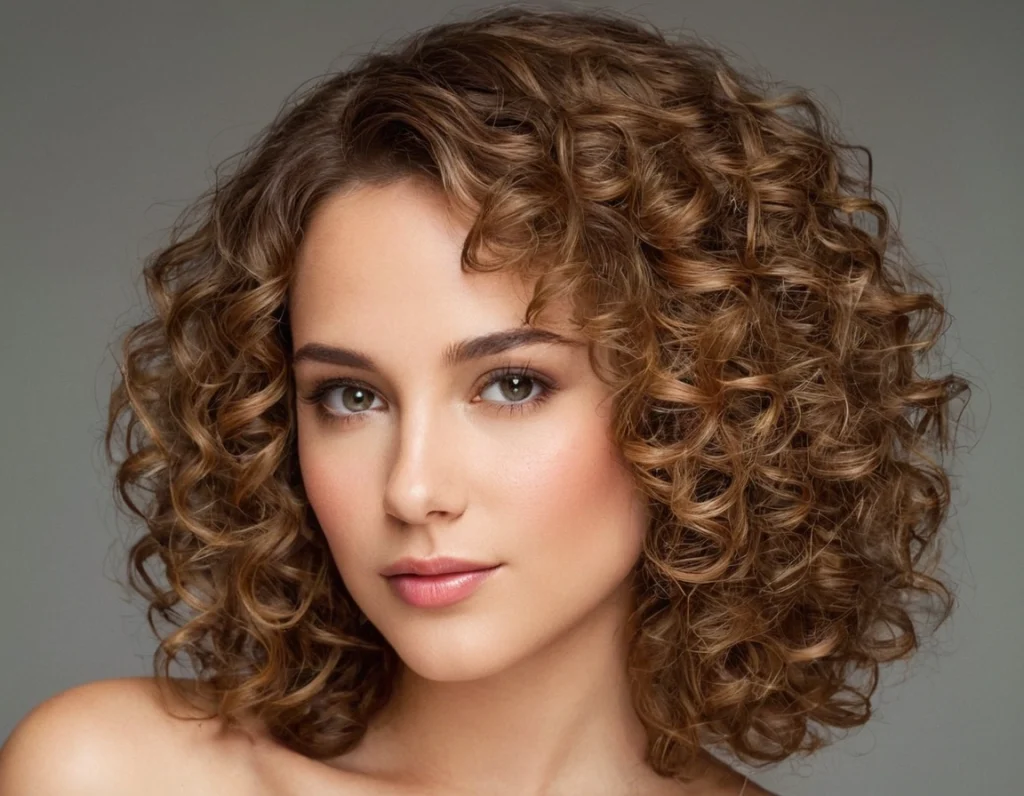
- 3c: Has tight, corkscrew curls, often the size of a pencil or straw, packed densely together.
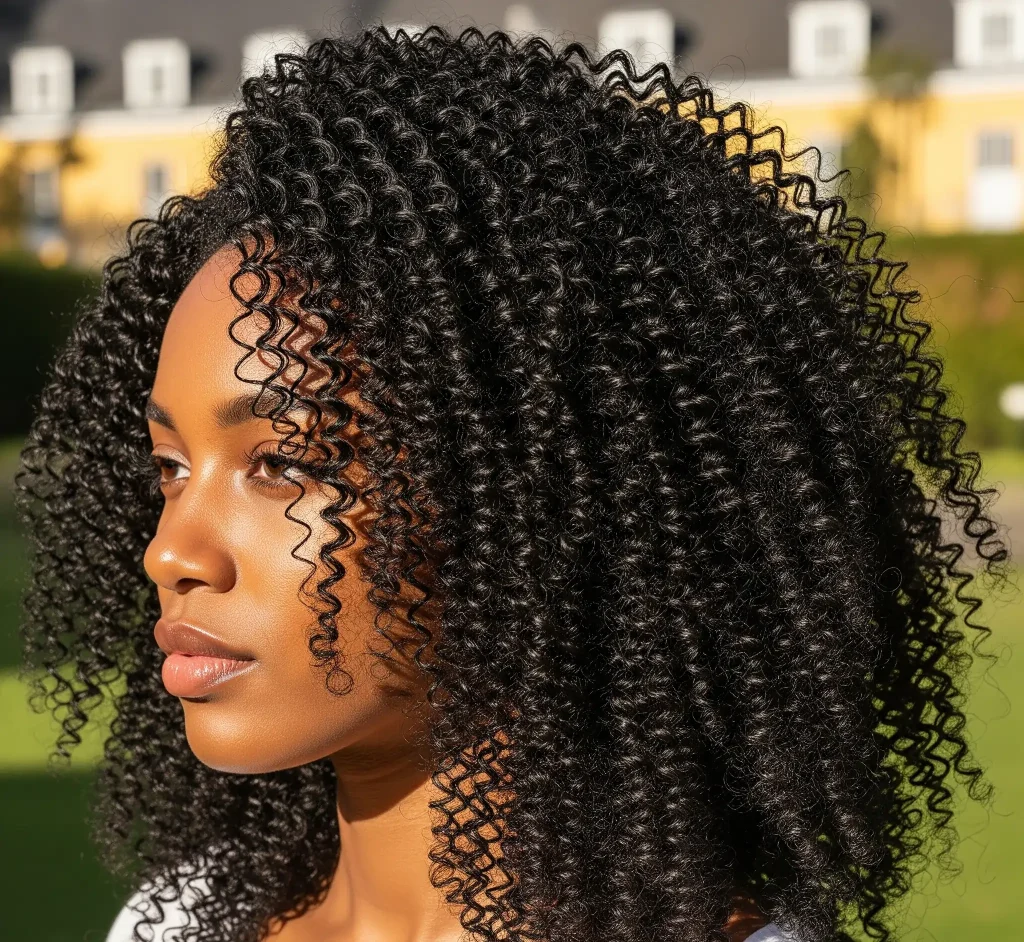
- Type 4 (Coily Hair): Known for its tightly packed, often Z-shaped or very small, tight coil patterns. It’s typically very delicate and prone to shrinkage.
- 4a: Has a dense, S-patterned coil that is often the size of a knitting needle.
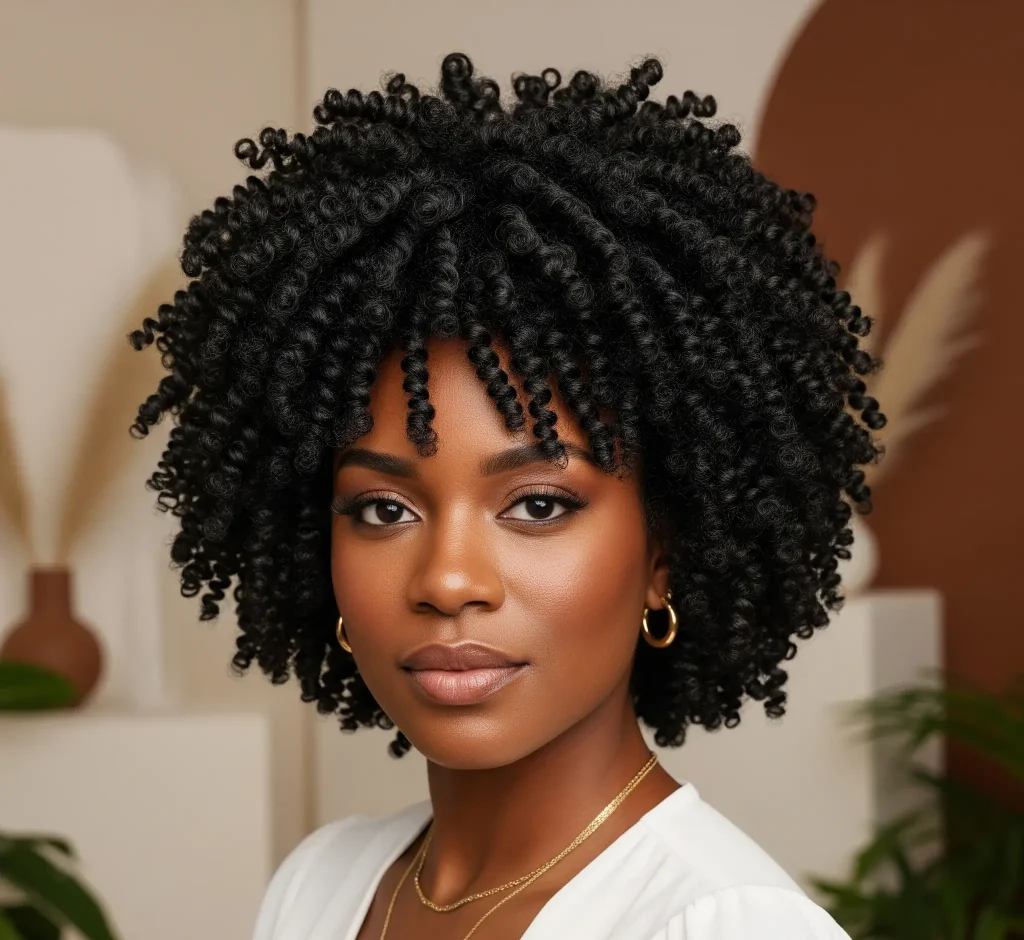
- 4b: Features a more defined Z-pattern, with sharp, angular bends and less of a visible curl pattern.
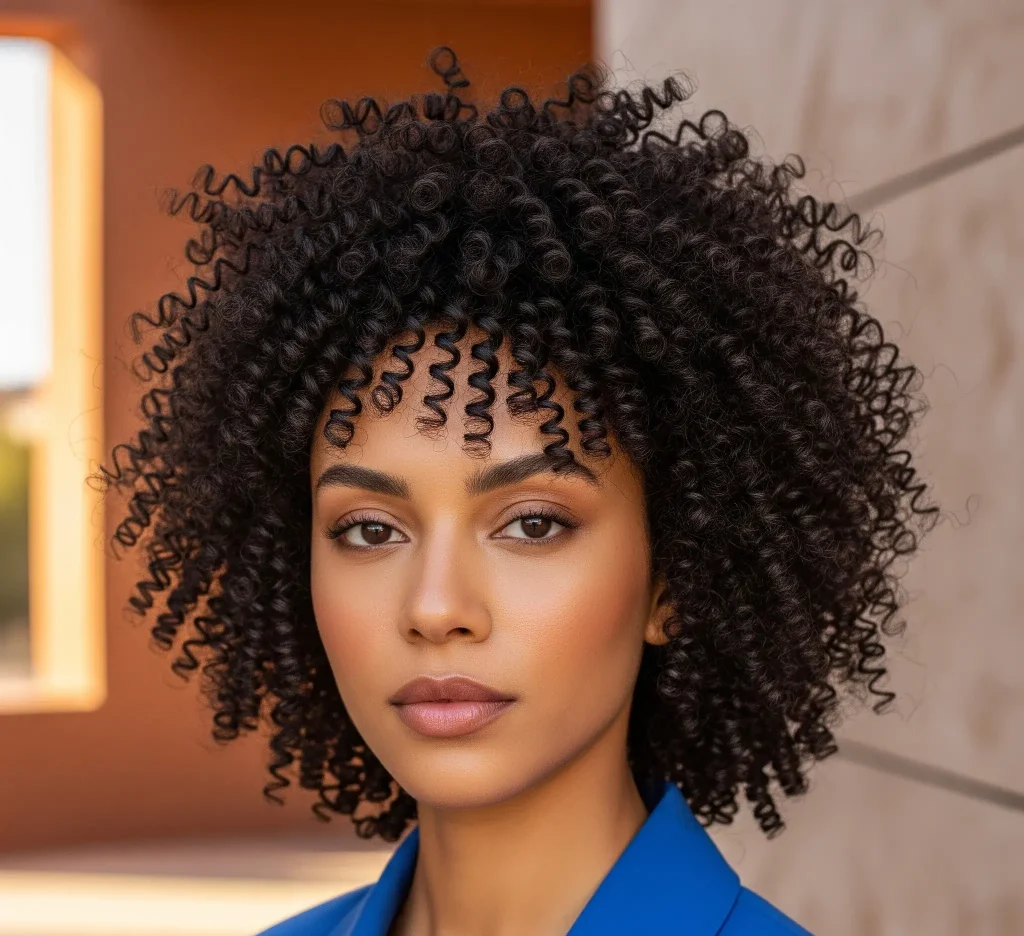
- 4c: Composed of very tight, often undefined Z-patterned coils that shrink significantly. It’s the most fragile hair type.

It’s important to note that many individuals have a combination of curl types on their head, and factors like hair density (fine, medium, coarse) and porosity also play a significant role in how your hair behaves and responds to products and styling.
How Length Impacts Curl Pattern and Volume
The length of your curly hair has a profound impact on its appearance and behavior, primarily due to the effects of gravity and weight. As curly hair grows longer, the added weight can pull down the curl pattern, causing it to stretch and appear looser or less defined [1]. This phenomenon is particularly noticeable in looser curl types (2a-3a), where longer lengths might result in waves appearing straighter or curls losing some of their bounce.
Conversely, some tighter curl patterns (especially 3c-4c) may actually require a certain amount of length to fully form their characteristic coils. If cut too short, these curls might spring up significantly, leading to a much shorter appearance than anticipated (known as shrinkage) or even losing their defined pattern altogether [2]. The natural elasticity and spring of curly hair mean that it will always appear shorter when dry than its actual length when wet.
Volume is another key aspect influenced by length. Shorter curly styles often appear to have more volume and lift at the roots because there’s less weight pulling the hair down. Layers are crucial for managing volume in curly hair, regardless of length. A well-executed layered cut can distribute weight, prevent the hair from looking bulky, and encourage curl formation, especially in medium to long lengths [3]. For those with mid-length hair, layers should ideally not be cut shorter than the jawline or ear level to maintain a flattering shape.
In summary, understanding your specific curl type and how it reacts to length is the first critical step in choosing a haircut that enhances your natural texture and aligns with your desired aesthetic.
Choosing Your Ideal Length: Factors to Consider
Beyond your inherent curl pattern, several external and personal factors should influence your decision on the best length for your curly hair. A holistic approach ensures your chosen style is not only aesthetically pleasing but also practical and sustainable for your lifestyle.
Face Shape: A Harmonious Match
Considering your face shape is a crucial element in selecting the most flattering hair length. The right haircut can enhance your features, balance proportions, and create a harmonious overall look. While curly, layered haircuts are often universally flattering, tailoring the length and style to your specific face shape can make a significant difference [4].
- Oval Face Shape: With balanced proportions, oval faces offer the most versatility. Short bobs, long layers, or anything in between will likely complement your features. Experimentation is encouraged.
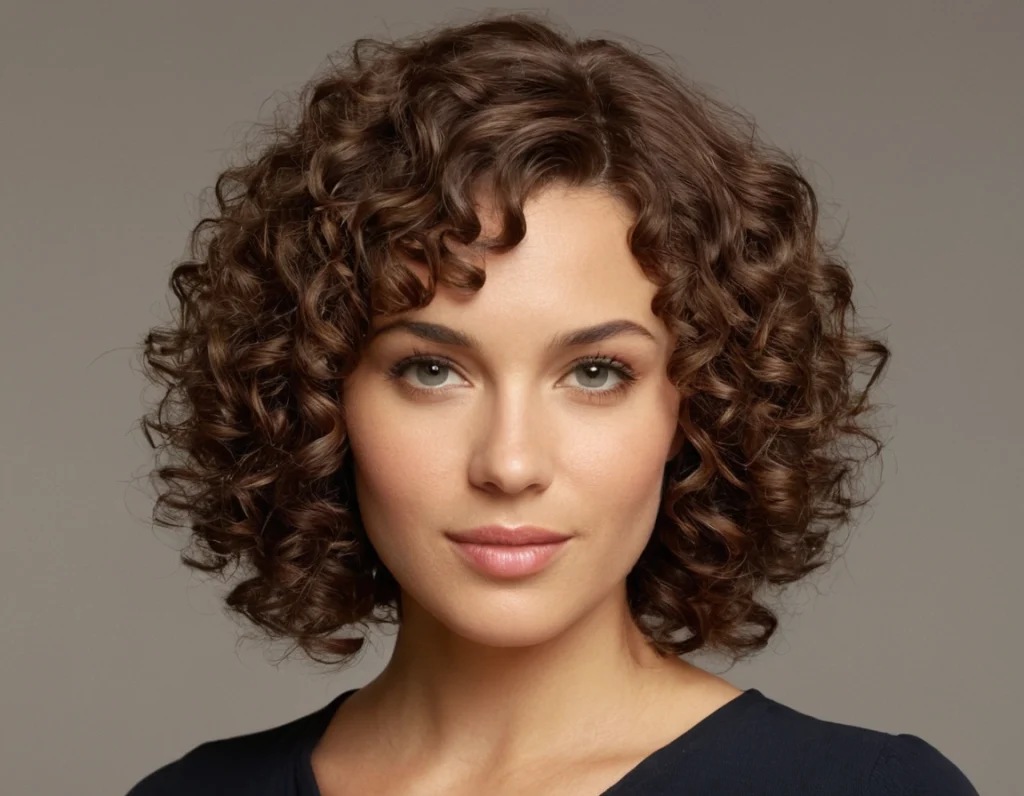
- Round Face Shape: Characterized by soft, circular lines, the goal is to add length and create the illusion of angles. Longer curly styles with layers below the chin can elongate the face. Side-swept bangs or a deep side part can also help.
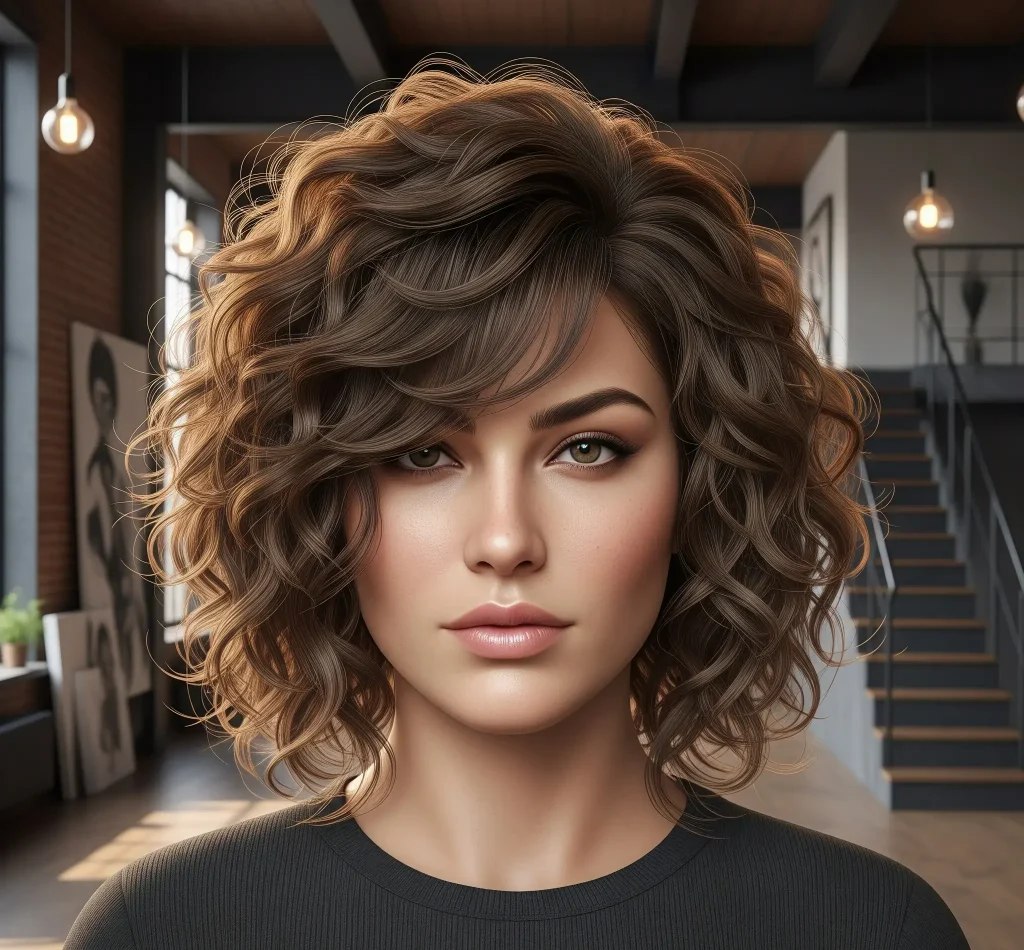
- Square Face Shape: Featuring a strong, angular jawline, the aim is to soften these lines. Medium to long curly styles with soft, rounded layers around the face work beautifully. A-line bobs or lobs that are longer in the front can also be flattering.
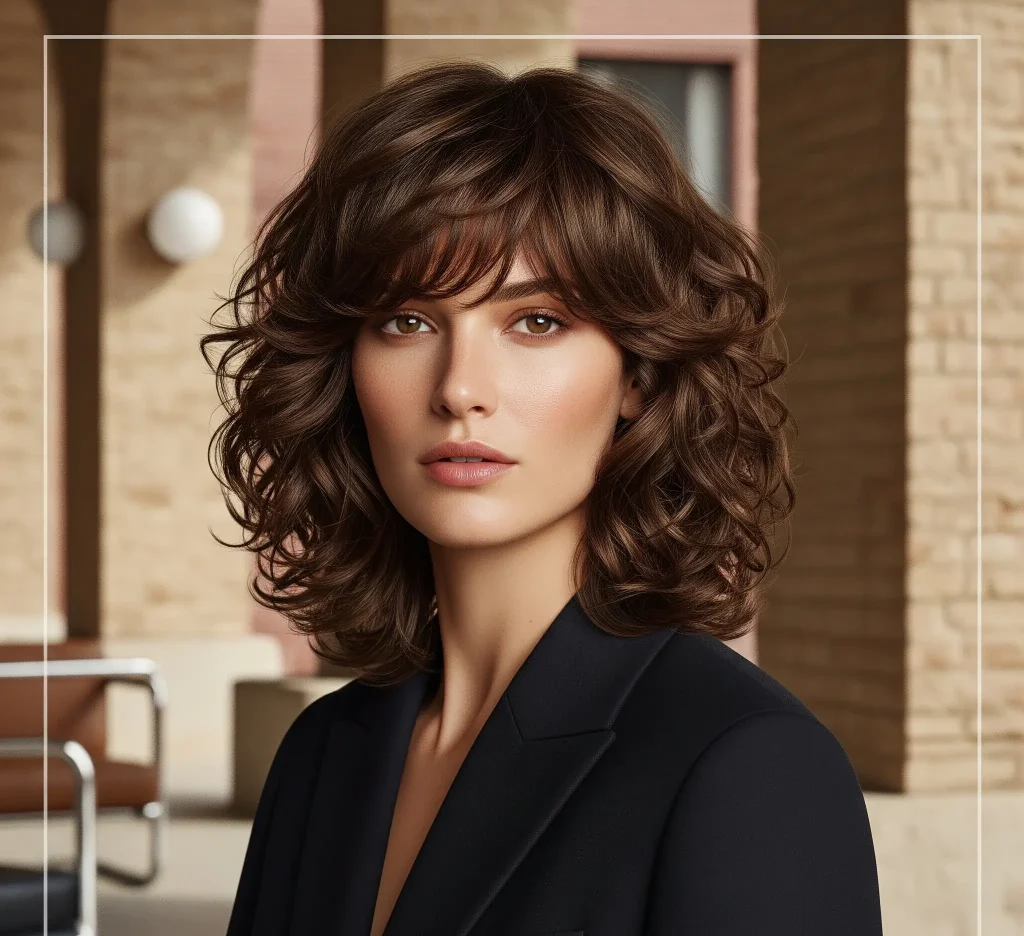
- Heart Face Shape: Wider at the forehead and temples, narrowing to a pointed chin. The objective is to balance the wider upper half. Chin-length or longer curly styles that add volume around the jawline can help. Curly bangs or face-framing layers can draw attention to the eyes.
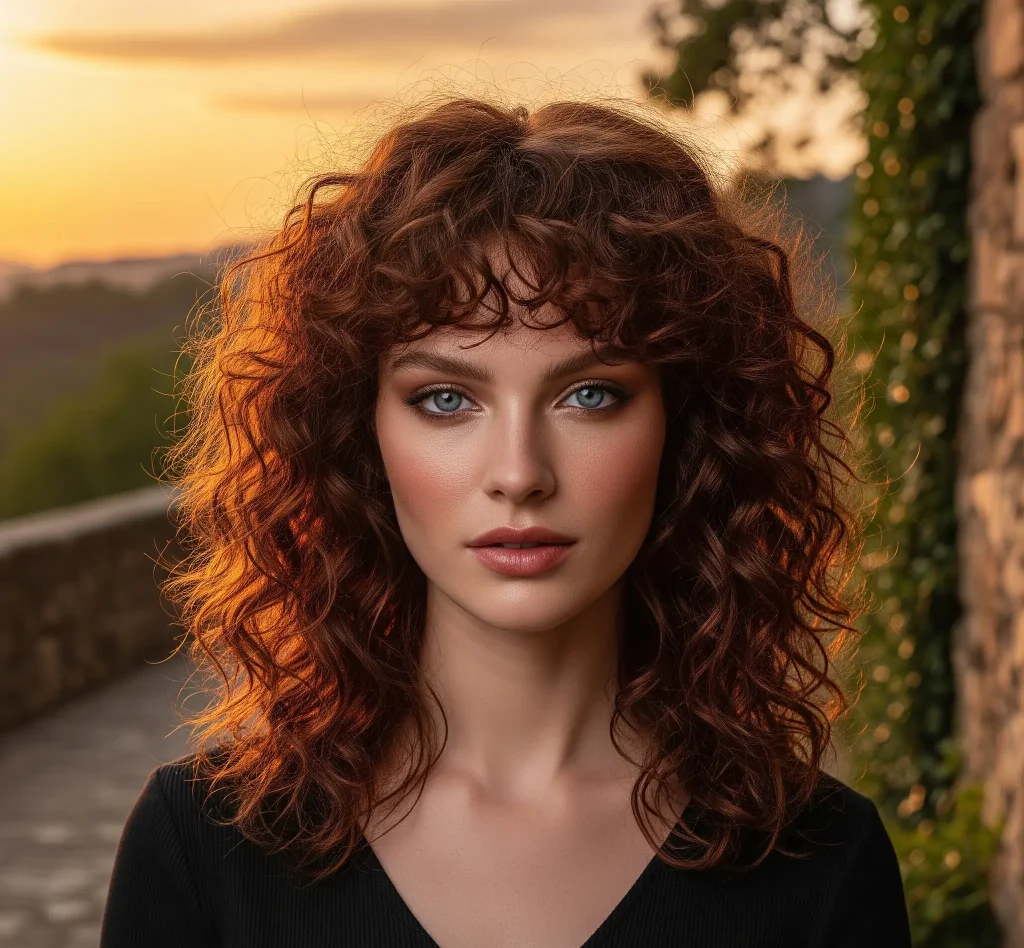
- Long/Oblong Face Shape: Longer than wide, often with a narrow chin and forehead. The key is to add width and reduce the appearance of length. Medium-length curly styles hitting around the collarbone or shoulders are ideal. Curly curtain bangs or full bangs can effectively shorten the face.
Lifestyle and Maintenance: Practical Considerations
Your choice of curly hair length is deeply intertwined with your lifestyle and the level of commitment you’re willing to invest in maintenance. Curly hair, regardless of its length, requires a specific care routine to thrive, but the demands can vary significantly with how long or short you choose to wear it.
- Daily Styling and Time Commitment:
- Shorter Curly Hair: Often a ‘wash-and-go’ option, drying faster and requiring less product. May need more frequent trims to maintain shape.
- Medium Curly Hair: Balances ease of care with styling versatility. Long enough for updos, yet not overly cumbersome.
- Long Curly Hair: Demands significant time for washing, conditioning, and drying. Requires more product and careful styling, but offers wide array of styling options.
- Product Usage and Hair Health: Longer hair generally requires more conditioner, leave-ins, and styling products. Consistent deep conditioning is vital for all lengths to maintain hydration and elasticity. Gentle detangling when wet is crucial to minimize damage.
- Environmental Factors: Humidity can lead to frizz, especially in longer hair due to its larger surface area. Dry climates may require more moisturizing. Consider your local climate’s impact on your hair.
Length-Specific Recommendations and Styling Tips
Once you’ve considered your curl type, face shape, and lifestyle, you can explore specific length recommendations and tailor your styling routine accordingly.
Short Curly Hair: Bold and Beautiful
Short curly hair exudes confidence and can be incredibly chic and low-maintenance. From pixie cuts to bobs, shorter styles make a bold statement and are often easier to manage daily. They are well-suited for fine to medium hair density, creating the illusion of more volume. For tighter curl patterns (3c-4c), a well-shaped short cut can beautifully showcase coils. Always find a stylist who cuts curly hair dry to avoid the ‘triangle’ shape.
Styling Tips for Short Curly Hair:
- Embrace Volume: Short cuts naturally offer more volume. Use lightweight mousses or gels to enhance definition without weighing down curls.
- Define Individual Curls: For a polished look, finger-coil or twist individual curls to enhance their shape.
- Play with Accessories: Headbands, clips, and scarves can add a fun touch.
Medium Curly Hair: Versatility and Balance
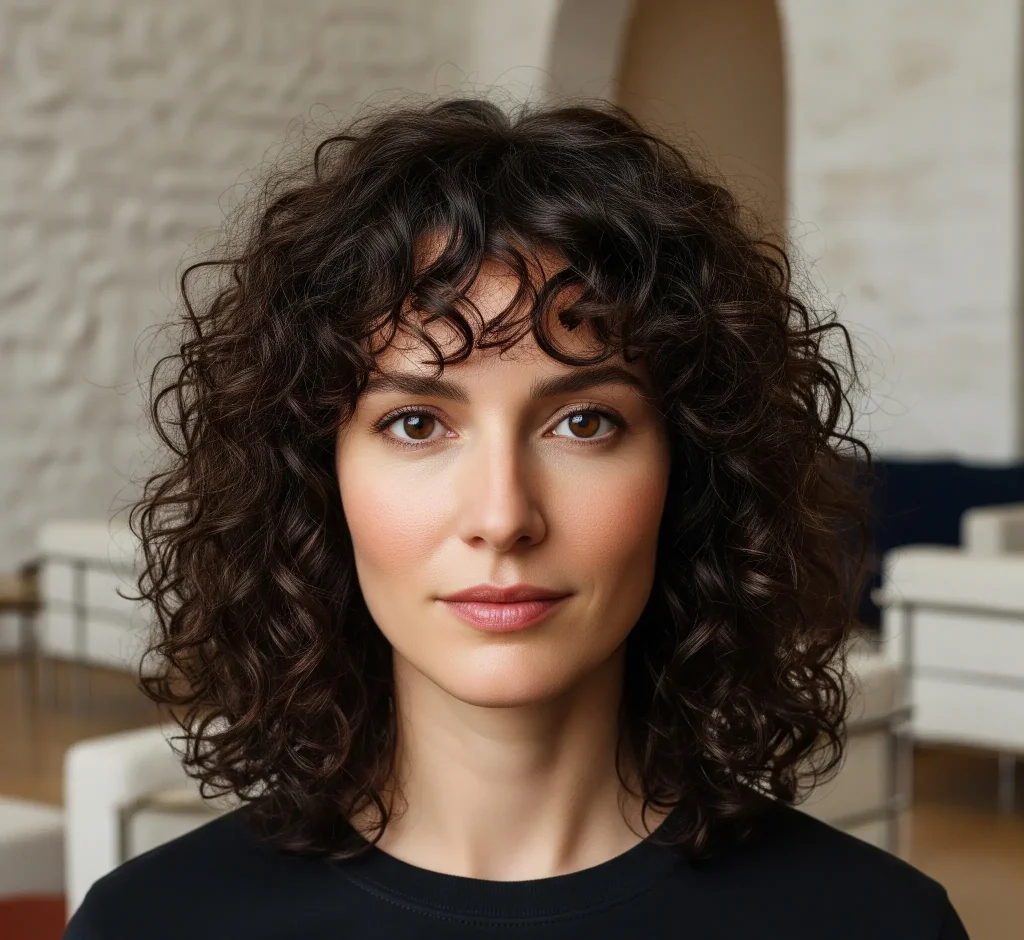
Medium-length curly hair, often falling between the chin and collarbone, offers the perfect balance of manageability and styling versatility. This length is long enough for ponytails or updos, yet not so long that it becomes overly heavy or time-consuming. Medium lengths are flattering on most face shapes and can be customized with layers to enhance volume and curl definition. It’s an excellent option for those who want to experiment without the full commitment of long hair.
Styling Tips for Medium Curly Hair:
- Half-Up Styles: Perfect for keeping hair out of your face while showcasing curls.
- Braids and Twists: Experiment with braids or twists along the hairline for added interest and control.
- Ponytails and Buns: Easily gathered into a low or high ponytail, or a messy bun for a quick and chic look.
Long Curly Hair: Flowing and Luxurious
Long curly hair is the epitome of romance and can be incredibly beautiful when well-cared for. This length allows for a wide range of styling possibilities, from intricate braids to cascading curls. However, it requires a significant commitment to maintenance, including regular deep conditioning treatments to keep ends healthy and prevent breakage. Be mindful of the weight, which can pull out curl patterns in looser types. Regular trims are essential to remove split ends and maintain health and shape.
Styling Tips for Long Curly Hair:
- Protective Styles: Consider braids, twists, or buns to minimize manipulation and protect ends, especially for length retention.
- Sectioning for Styling: Due to volume, sectioning hair before applying products and diffusing ensures even distribution and better definition.
- Deep Conditioning Treatments: Crucial for long curls to maintain moisture and prevent dryness and breakage.
- Pineapple Method for Volume: Particularly effective for long curls to maintain root volume and prevent flattening overnight.
General Styling Tips for All Curly Hair Lengths
Regardless of your chosen length, proper styling techniques are paramount to enhancing your natural curls and achieving your desired look:
- Hydration is Key: Curly hair thrives on moisture. Always start with well-hydrated hair, using a good leave-in conditioner or curl cream.
- Apply Products to Wet Hair: Applying styling products to soaking wet hair helps to lock in moisture and define curl clumps. You can use a spray bottle to re-wet sections as you go.
- Use a Diffuser: A diffuser attachment on your hairdryer can help dry curls gently, reduce frizz, and enhance volume. Use a low heat and low speed setting, and cup your curls in the diffuser.
- Minimize Touching: Once your curls are styled and drying, resist the urge to touch them. Excessive touching can disrupt the curl pattern and lead to frizz.
- Pineapple for Sleep: To preserve your curls overnight, gather your hair into a loose, high ponytail on top of your head (like a pineapple) using a satin scrunchie. This keeps curls from being flattened.
- Refresh in the Morning: In the morning, you can refresh your curls with a mix of water and a little leave-in conditioner or curl refresher spray. Gently scrunch or finger-coil any unruly sections.
Conclusion
Choosing the best length for your curly hair is a deeply personal decision that intertwines scientific understanding of curl patterns with artistic considerations of face shape and the practicalities of your daily life. There is no single ‘perfect’ length that suits everyone; instead, the ideal choice is one that celebrates your unique curl texture, enhances your natural beauty, and aligns seamlessly with your lifestyle.
By taking the time to understand your specific curl type (from 2a waves to 4c coils), recognizing how different lengths interact with your curl pattern and volume, and considering how various cuts can complement your face shape, you empower yourself to make an informed decision. Furthermore, honestly assessing your willingness to commit to the maintenance and styling demands of different lengths will ensure that your chosen haircut remains a source of joy and confidence, rather than frustration.
Ultimately, the journey to finding your best curly hair length is an ongoing exploration. Don’t be afraid to experiment, consult with experienced curly hair stylists, and most importantly, embrace the magnificent versatility and beauty of your natural curls. With the right knowledge and a little patience, you can achieve a look that is not only stunning but also truly feels like ‘you.’