Why Is The Top Of My Hair Not Curly?
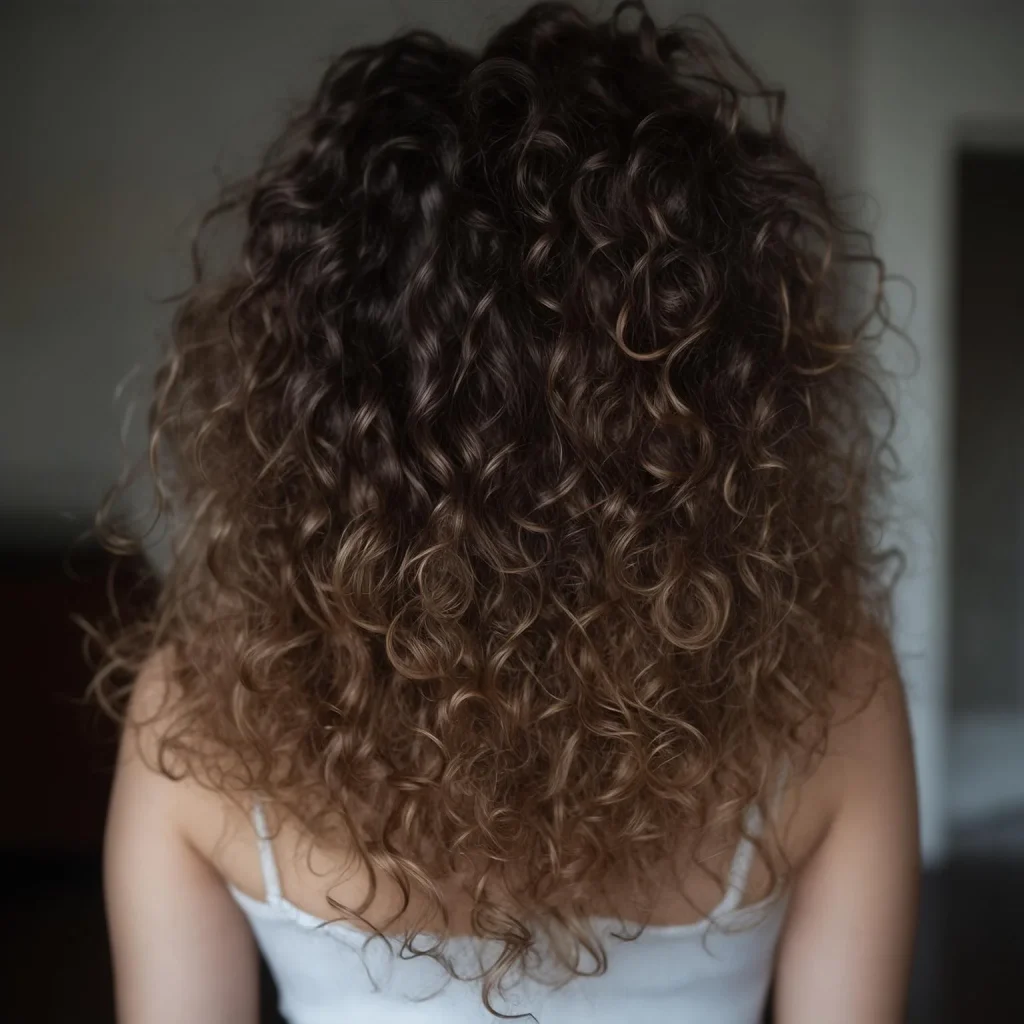
Many individuals with naturally curly or wavy hair often encounter a perplexing phenomenon: the hair at the top of their head appears significantly less curly, or even straight, compared to the more defined curls found underneath or at the ends. This common concern can lead to frustration and a constant battle for uniform curl definition. Understanding the underlying reasons for this disparity is the first step towards addressing it effectively. This comprehensive article delves into the science of hair, explores the various factors contributing to uneven curl patterns, and provides practical solutions to help achieve consistent curl from root to tip.
The Science Behind Hair Curl
To comprehend why certain sections of hair might resist curling, it’s crucial to first understand the fundamental science of hair structure and how curls are formed. Hair, at its core, is composed primarily of a protein called keratin. Each strand of hair emerges from a follicle embedded in the scalp. The shape of this follicle plays a pivotal role in determining the hair’s curl pattern.
Hair Follicle Shape and Curl
- Round Follicles: Typically produce straight hair.
- Oval Follicles: Tend to produce wavy hair.
- Elliptical or Asymmetrical Follicles: Are responsible for curly or coily hair. The more elliptical the follicle, the curlier the hair tends to be [1].
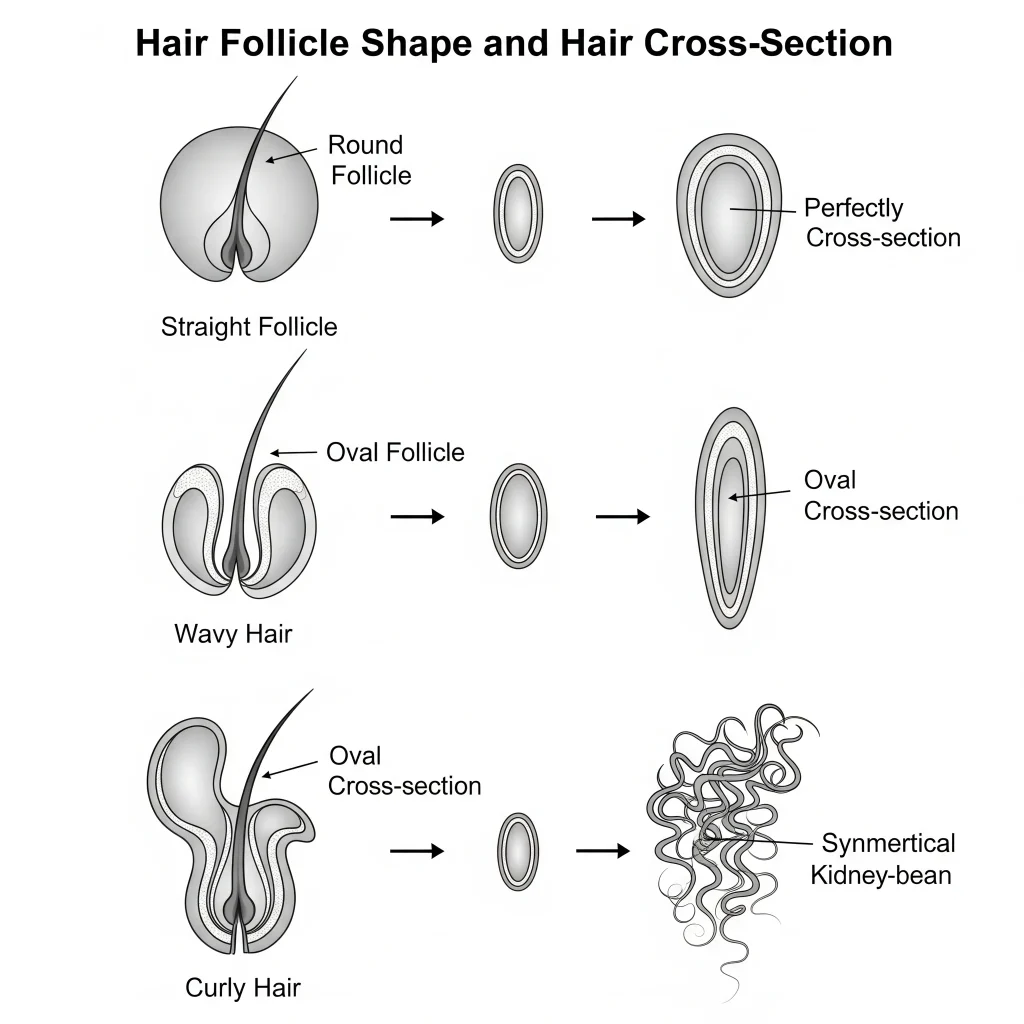
This inherent shape dictates the way keratin proteins are distributed within the hair strand. In straight hair, keratin is distributed evenly, resulting in a symmetrical, round cross-section. In curly hair, the distribution is uneven, leading to an asymmetrical, oval, or elliptical cross-section. This uneven distribution causes the hair strand to grow in a helical, or spiral, shape.
Chemical Bonds and Hair Shape
Beyond the follicle shape, the chemical bonds within the hair shaft also contribute significantly to its structure and ability to hold a curl. The three primary types of bonds are:
- Hydrogen Bonds: These are temporary bonds that are easily broken by water and heat. When hair gets wet, hydrogen bonds break, allowing the hair to be reshaped. As the hair dries, these bonds reform, locking the hair into its new shape. This is why curly hair can temporarily straighten when wet and why heat styling can alter curl patterns [2].
- Salt Bonds: Similar to hydrogen bonds, these are also temporary and affected by pH changes.
- Disulfide Bonds: These are strong, permanent chemical bonds between sulfur atoms in the keratin protein. Disulfide bonds are responsible for the hair’s overall strength and permanent shape. Chemical treatments like perms and relaxers work by breaking and reforming these bonds to permanently alter the hair’s curl pattern [3].
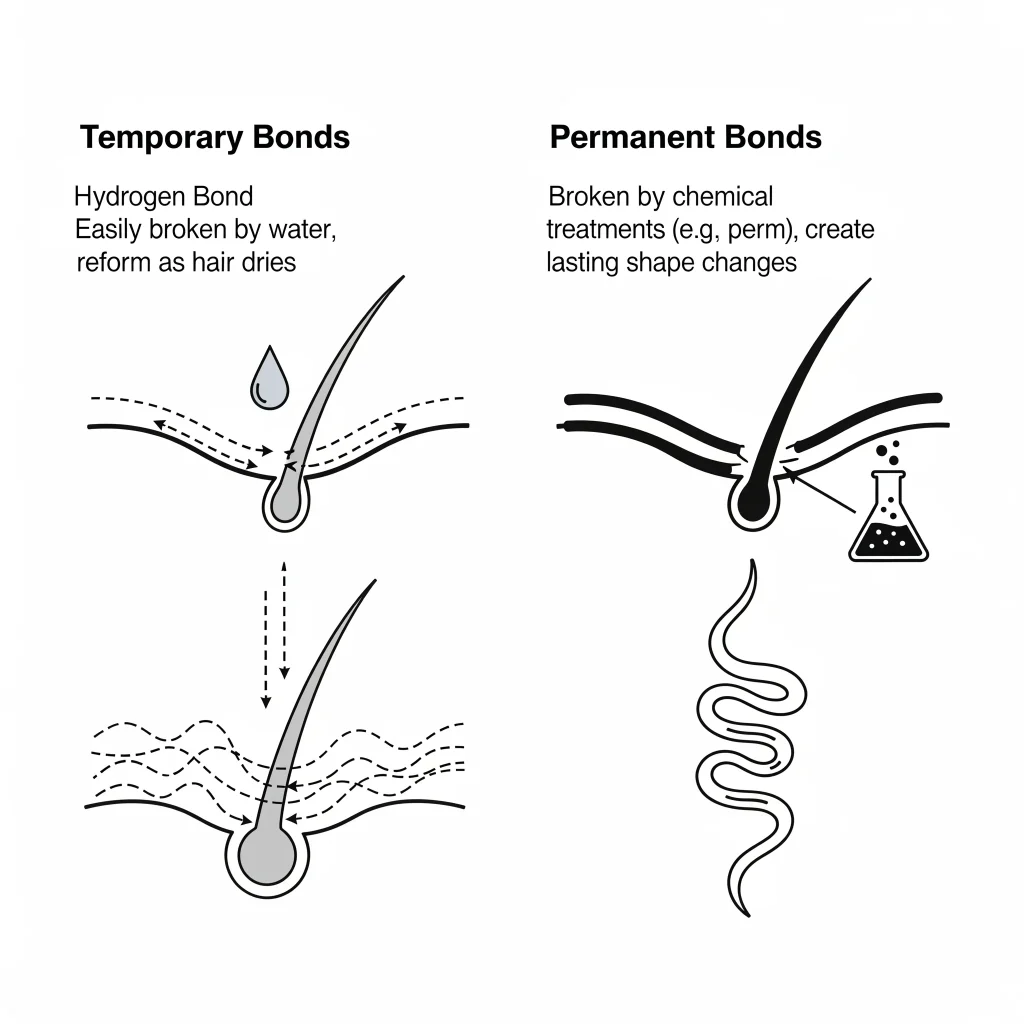
In curly hair, the disulfide bonds are unevenly distributed along the hair shaft, contributing to its coiled structure. The combination of the follicle’s shape and the arrangement of these chemical bonds determines the unique curl pattern of an individual’s hair.
Why the Top of Your Hair Might Not Be Curly: Common Causes
While the fundamental science of curl formation is consistent across the entire head, several factors can lead to a disparity in curl definition, particularly at the top. This section explores the most common reasons why your crown might be less curly than the rest of your hair.
1. Damage and Breakage
One of the most prevalent culprits behind straight or less curly hair at the top is damage. The hair on the crown is often the most exposed to environmental stressors and styling practices.
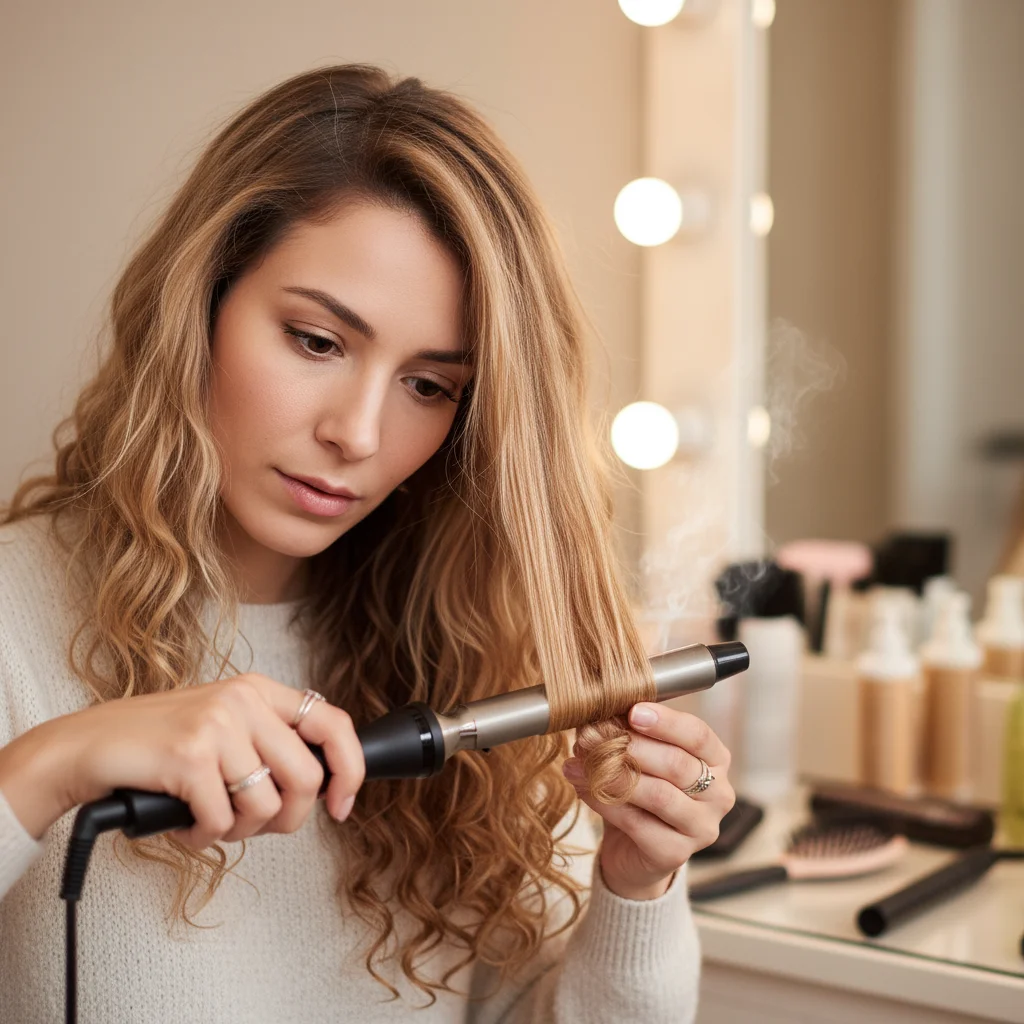
- Heat Damage: Frequent use of heat styling tools (flat irons, curling irons, blow dryers) without proper heat protectant can severely damage the hair’s protein structure, breaking down hydrogen and disulfide bonds. This leads to a loss of elasticity and curl memory, making the hair appear straight or limp [4]. The top layer is particularly susceptible as it’s often the first point of contact for heat.
- Chemical Damage: Over-processing from hair dyes, bleaches, perms, or relaxers can compromise the hair’s integrity, leading to weakened strands and altered curl patterns. If chemical treatments are applied unevenly or too frequently to the top section, it can result in a straighter appearance.
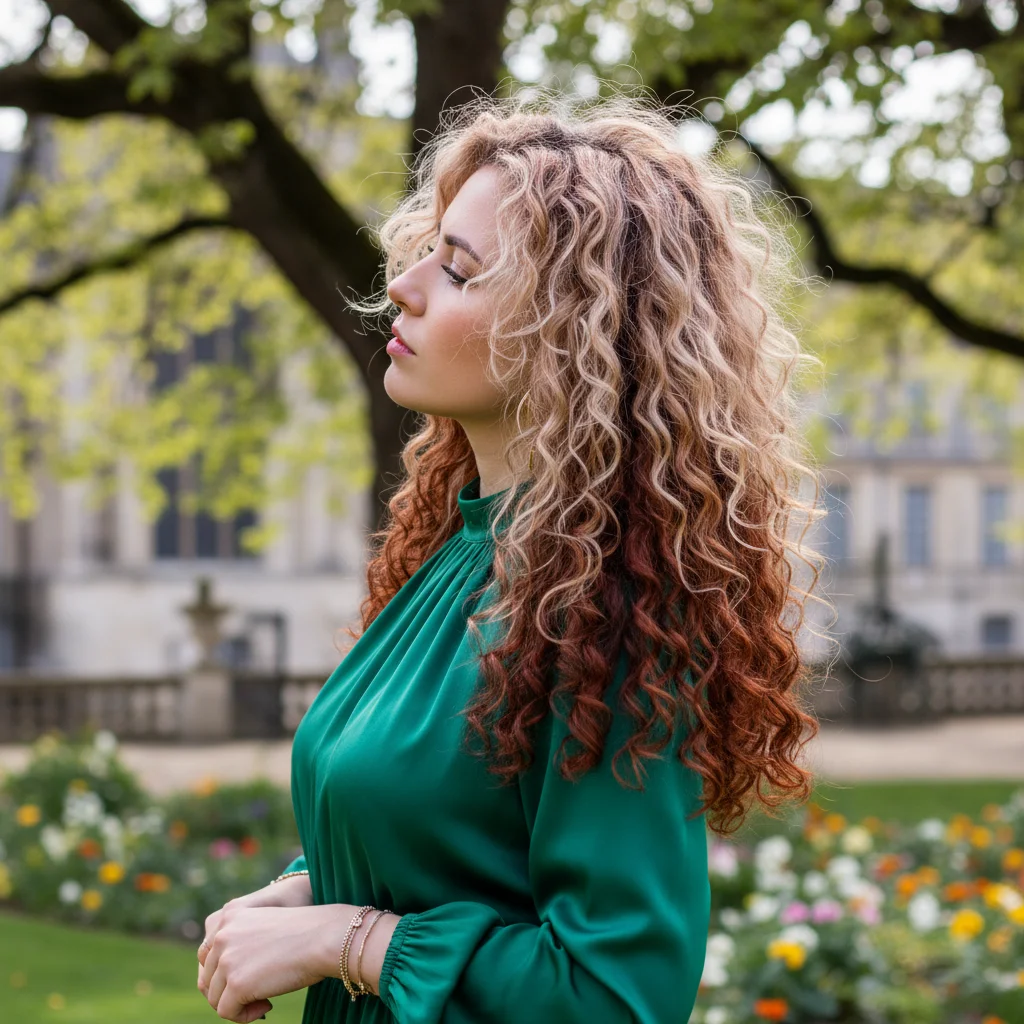
- Mechanical Damage: Aggressive brushing, tight hairstyles (ponytails, buns), and friction from hats or headbands can cause breakage and weaken the hair shaft. This constant stress can disrupt the natural curl pattern, especially at the roots and along the hairline.

2. Product Buildup and Heavy Products
Using too many products, or products that are too heavy for your hair type, can weigh down curls, especially at the roots where product tends to accumulate.
- Product Residue: Silicones, heavy butters, and oils can build up on the hair shaft and scalp, creating a barrier that prevents moisture from penetrating and can straighten out the natural curl pattern. This is often more noticeable at the top of the head where products are applied more directly during styling.
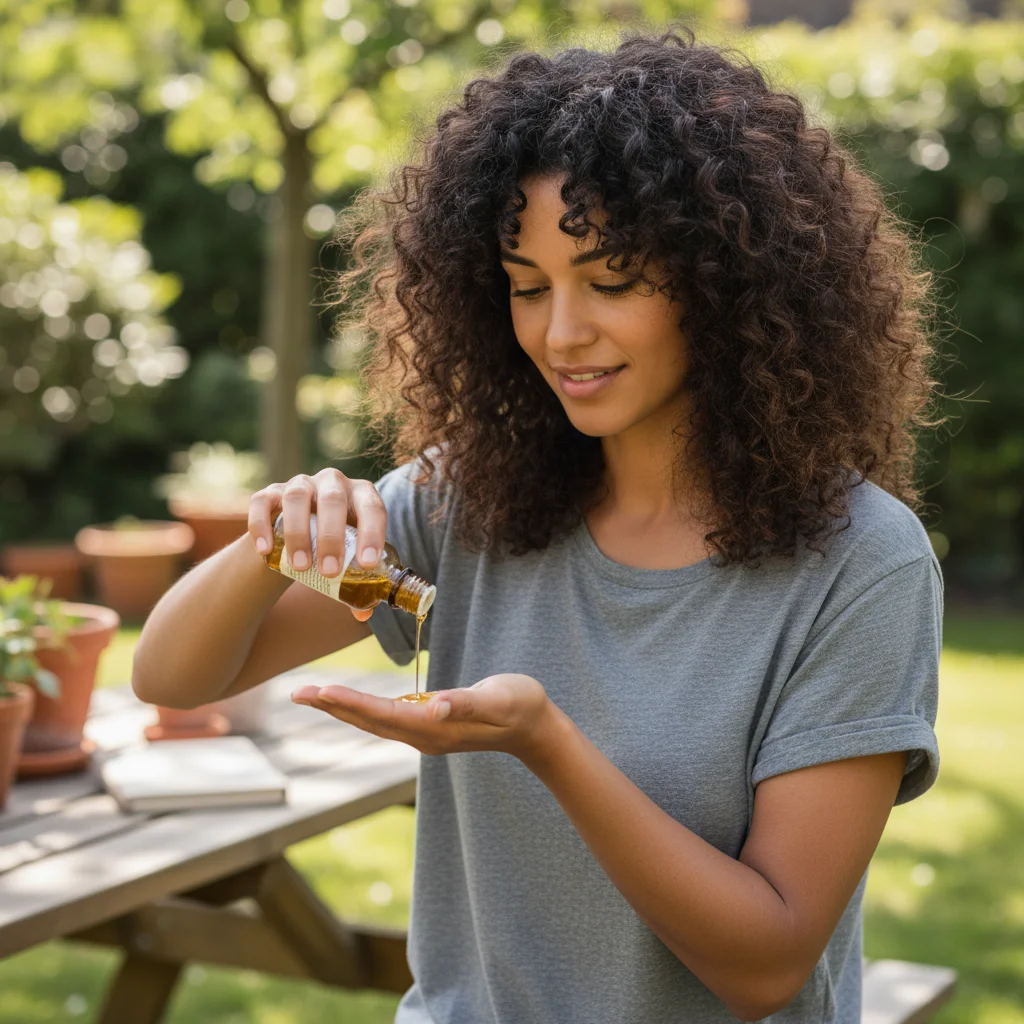
- Over-conditioning: While conditioning is essential for curly hair, over-conditioning or not rinsing thoroughly can leave residue that weighs down the hair, leading to limp, undefined curls at the crown.
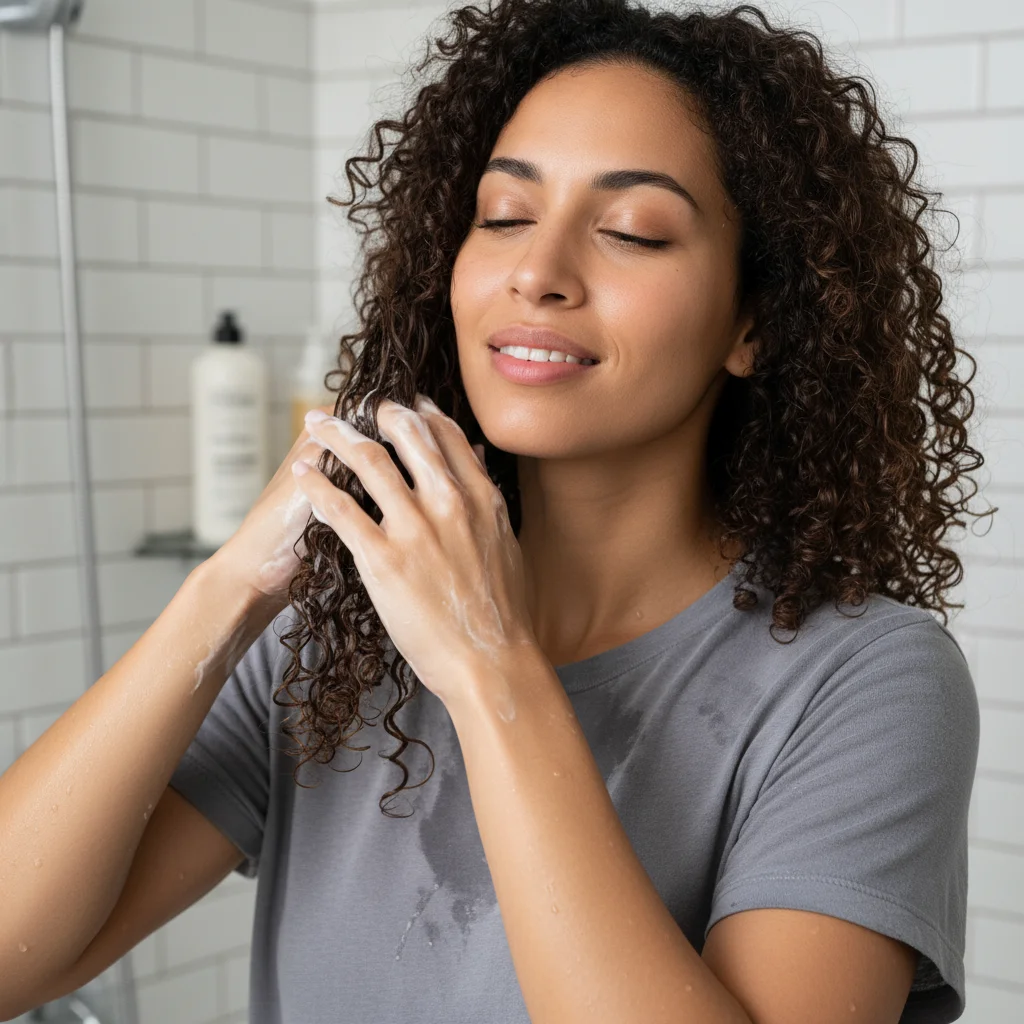
3. Styling Techniques and Habits
The way you style and dry your hair significantly impacts curl formation.
- Gravity: Simply put, gravity pulls your hair down. When hair is wet and heavy with water and product, the weight can stretch out curls, particularly at the roots and crown, before they have a chance to fully form. Air drying without proper root-lifting techniques can exacerbate this.
- Lack of Root Focus: Many people focus product application and scrunching on the mid-lengths and ends, neglecting the roots. If the roots aren’t properly hydrated and encouraged to curl, they will remain flatter.
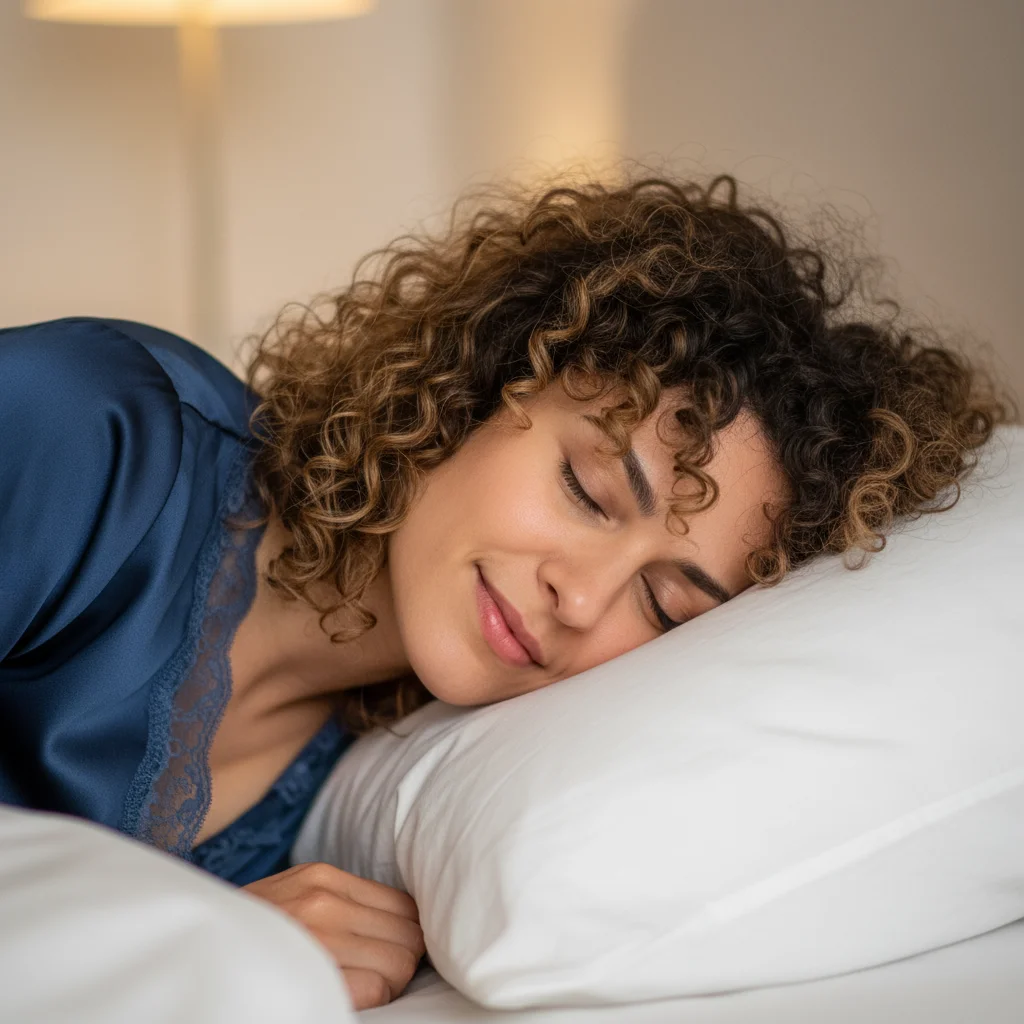
- Sleeping Habits: Sleeping on cotton pillowcases can cause friction, leading to frizz and stretched-out curls, especially on the top and sides of the head. Similarly, sleeping with wet hair can flatten curls at the crown.
4. Hormonal Changes and Health Factors
Hormonal fluctuations can influence hair texture and curl pattern.
- Puberty, Pregnancy, Menopause: Significant hormonal shifts during these life stages can alter the hair follicle, leading to changes in curl pattern, sometimes resulting in straighter hair at the top or overall [5].

- Medications and Health Conditions: Certain medications or underlying health conditions can also impact hair texture and growth, potentially affecting curl definition.

5. Natural Hair Variations
It’s also important to acknowledge that not all hair on your head will have the exact same curl pattern.
- Different Curl Types: It’s common to have multiple curl patterns on one head. The hair at the crown might naturally be a looser curl type (e.g., wavy) compared to the tighter curls at the nape of your neck. This is simply a genetic variation.
- Hair Density: The density of hair can vary across the scalp. Areas with lower density might appear less curly as there are fewer strands to clump together and form defined curls.
Solutions and Treatments for Uneven Curl Patterns
Addressing uneven curl patterns, particularly at the crown, often involves a combination of targeted styling techniques, product adjustments, and hair care practices. The goal is to encourage curl formation, minimize damage, and promote overall hair health.
1. Optimize Your Hair Care Routine
- Clarify Regularly: To combat product buildup, incorporate a clarifying shampoo into your routine once a month or as needed. This will remove residue that can weigh down curls and allow your hair to better absorb moisture and styling products.
- Lightweight Products: Opt for lightweight shampoos, conditioners, and styling products that are specifically formulated for curly hair. Avoid heavy butters, oils, and silicones if product buildup is a concern. Look for products that provide moisture and hold without feeling greasy or sticky.
- Proper Conditioning: Ensure you are thoroughly rinsing out your conditioner, especially from the roots. If your hair feels weighed down, try applying conditioner primarily to the mid-lengths and ends.
- Deep Conditioning: Regular deep conditioning treatments (1-2 times a week) can help repair damage, improve elasticity, and enhance curl definition. Focus on applying the treatment to the areas that are less curly.
2. Targeted Styling Techniques
Pro Tip: The key to encouraging curls at the crown is to work against gravity and provide support to your roots while your hair dries.
- Root Clipping: This is an excellent technique to encourage volume and curl at the roots. After applying your styling products to wet hair, use small duckbill clips or root clips at the base of your curls, lifting them away from the scalp. Allow your hair to air dry or diffuse with the clips in place. Remove them once your hair is dry.
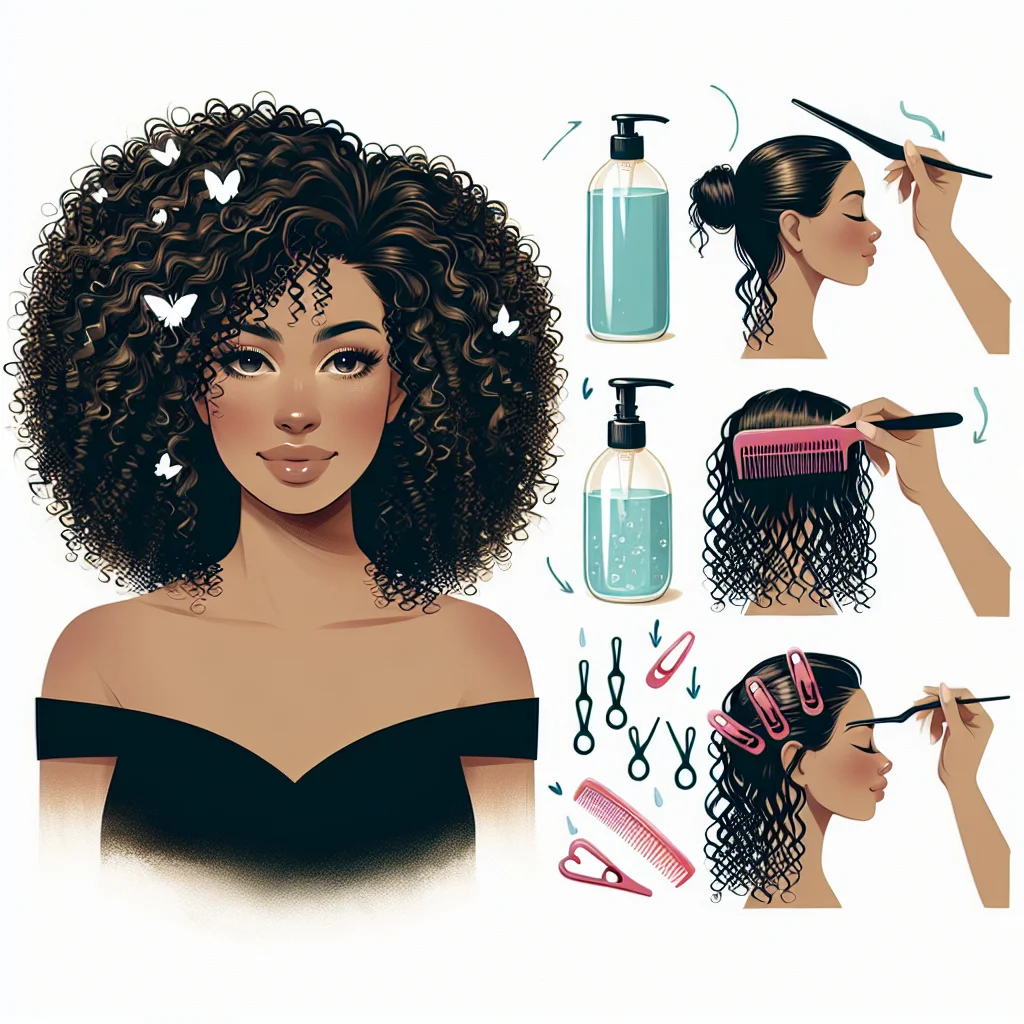
- Finger Coiling/Twisting: For stubborn straight sections, especially at the top, try finger coiling or twisting individual strands around your finger while your hair is wet and saturated with product. This helps to manually encourage the curl pattern. You can also use a curly hairbrush or comb to help distribute product and define clumps.
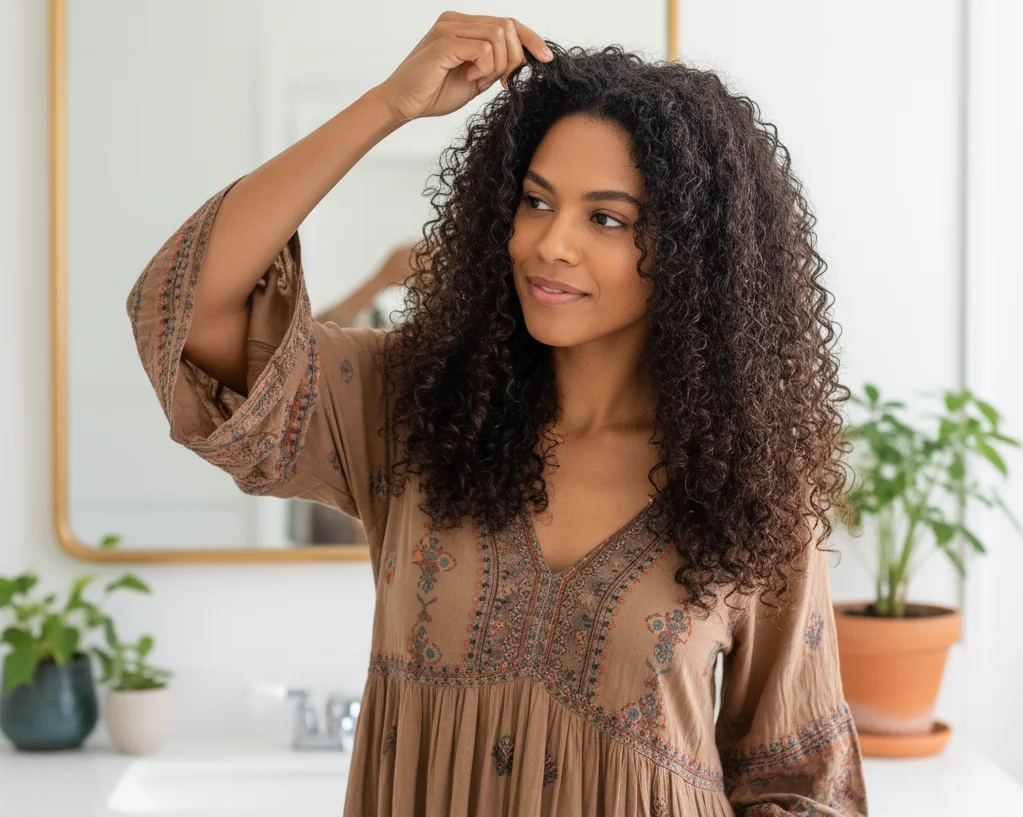
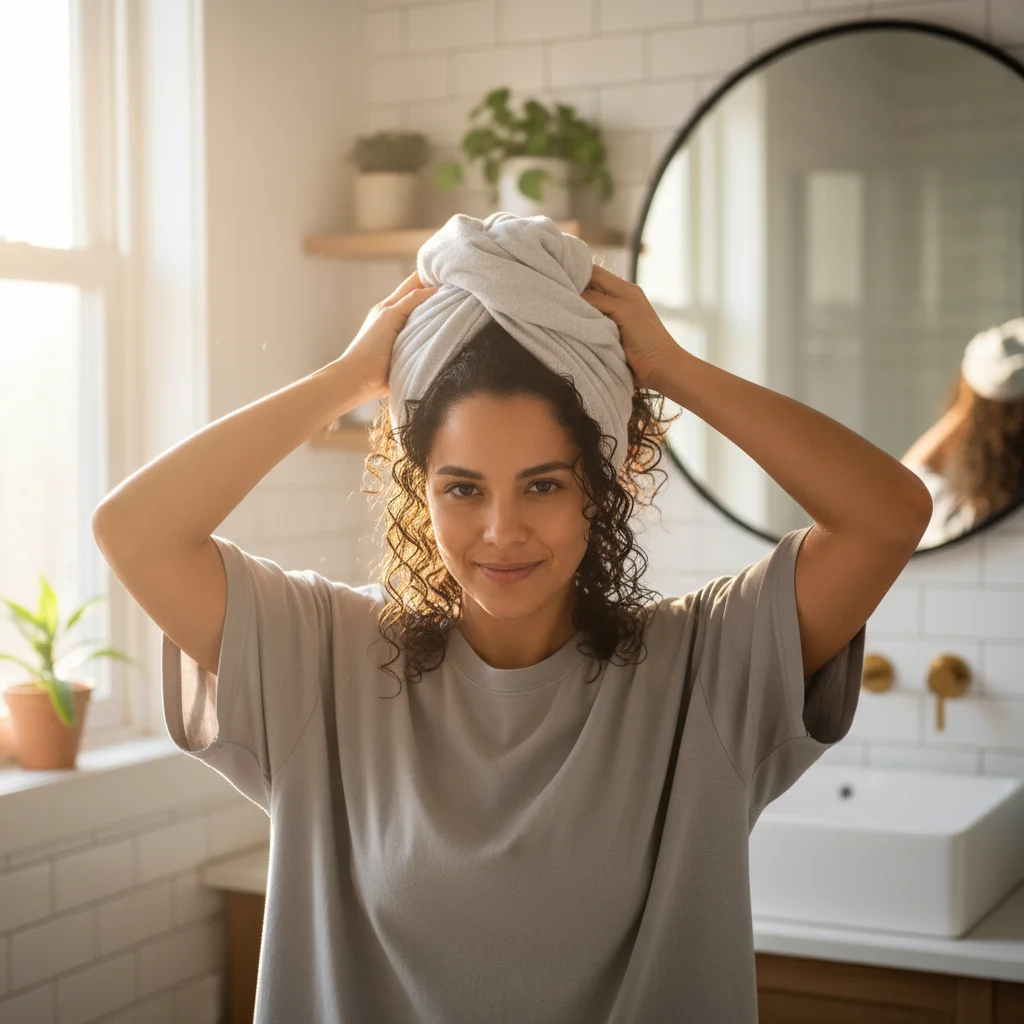
- Plopping: This drying method helps to absorb excess water from your hair without disturbing the curl pattern, and it also helps to lift the roots. After washing and applying products, gently scrunch your hair into a cotton t-shirt or microfiber towel and wrap it around your head. Leave it for 15-30 minutes before air drying or diffusing.
- Diffusing with Head Upside Down: When diffusing, flip your head upside down to allow gravity to work in your favor, lifting the roots and encouraging curl formation at the crown. Use a diffuser attachment on a low heat and low speed setting to minimize frizz and heat damage.
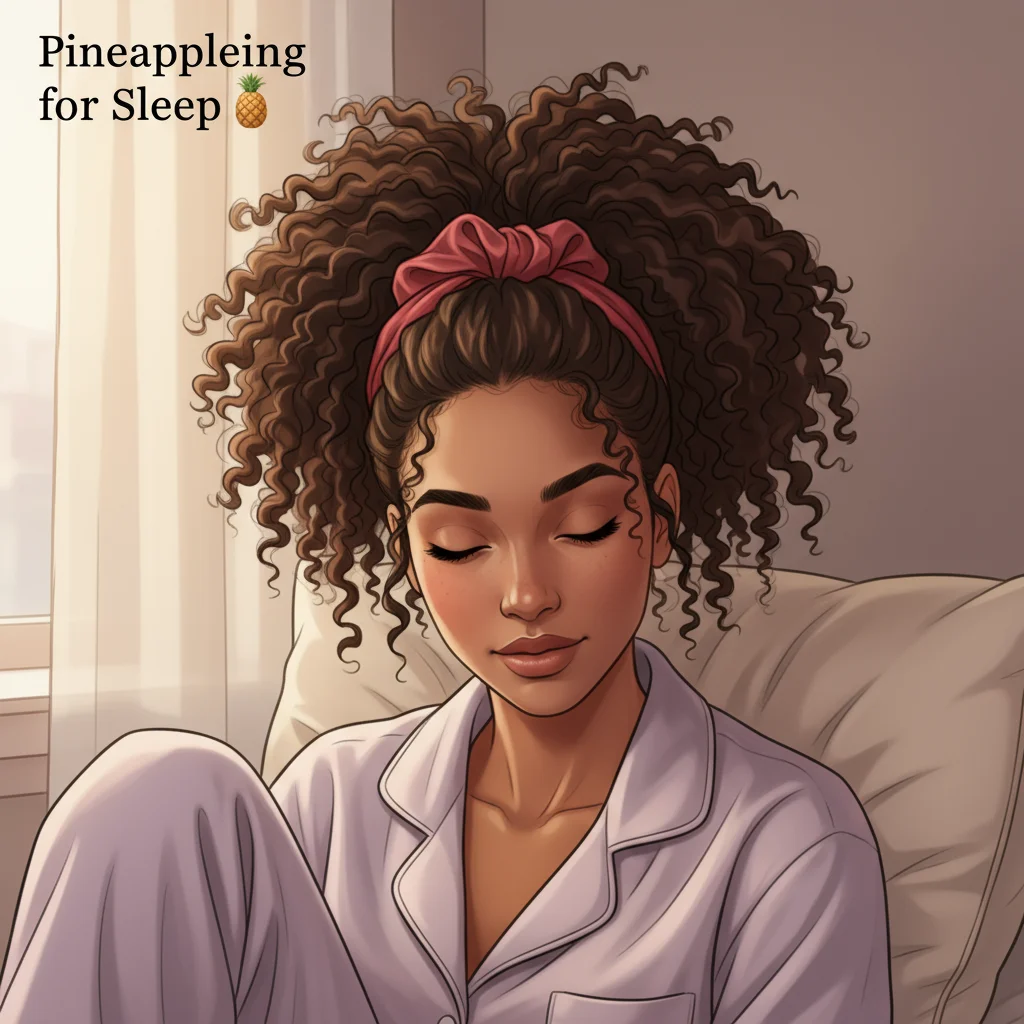
- Pineappleing for Sleep: Before bed, gather your hair into a loose, high ponytail on top of your head (like a pineapple) using a satin scrunchie. This protects your curls from friction while you sleep and helps preserve their shape, especially at the crown.
- Satin Pillowcase: Switching to a satin or silk pillowcase can significantly reduce friction and prevent frizz and tangles, helping to maintain your curl pattern overnight.
3. Addressing Damage
- Minimize Heat Styling: Reduce the frequency of heat styling and always use a good quality heat protectant when you do. Consider air drying more often or using heatless styling methods.
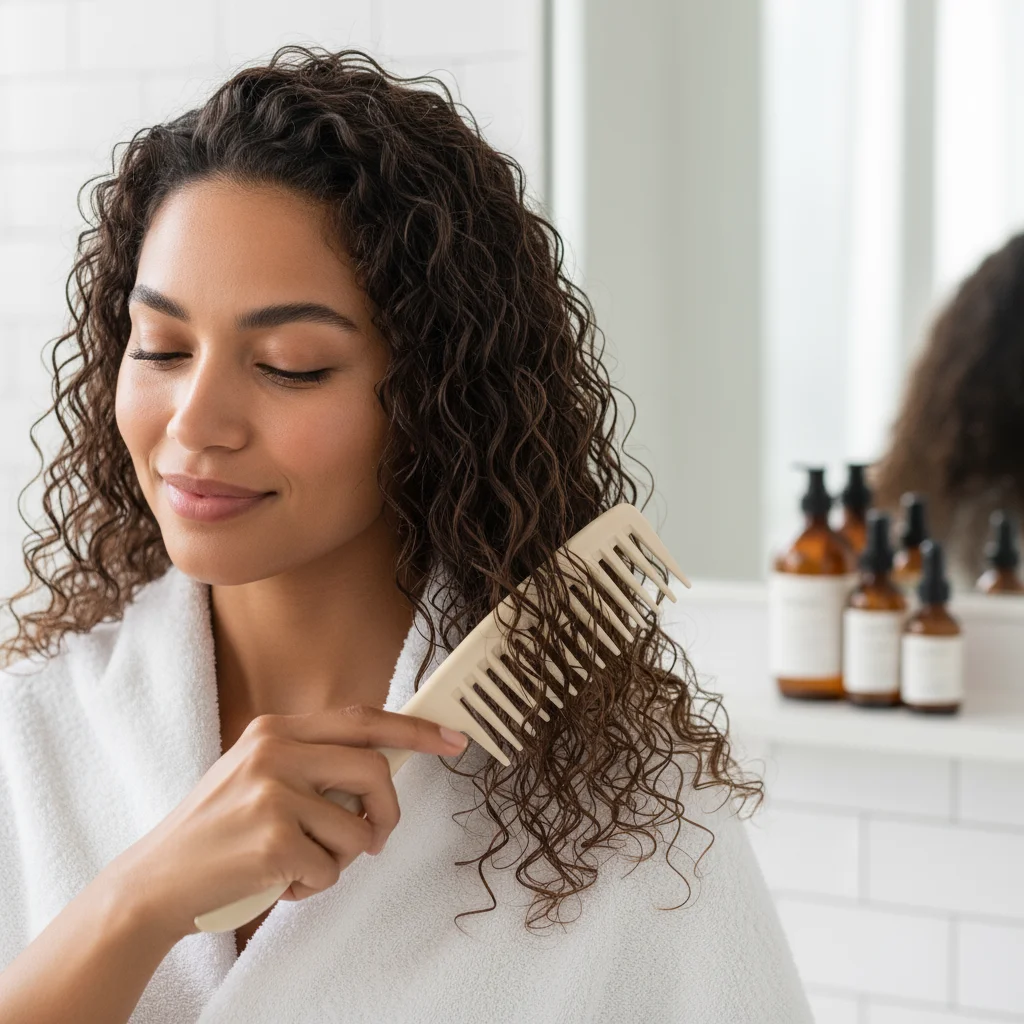
- Gentle Handling: Be gentle with your hair, especially when wet. Use a wide-tooth comb or your fingers to detangle, starting from the ends and working your way up. Avoid aggressive brushing.
- Regular Trims: Regular trims (every 3-4 months) help remove damaged ends and prevent breakage from traveling up the hair shaft, which can impact curl definition.
- Bond-Building Treatments: If your hair has significant chemical damage, consider incorporating bond-building treatments (e.g., Olaplex, K18) into your routine. These products help to repair and strengthen the hair from within, improving its overall health and ability to curl.

4. Consult a Professional
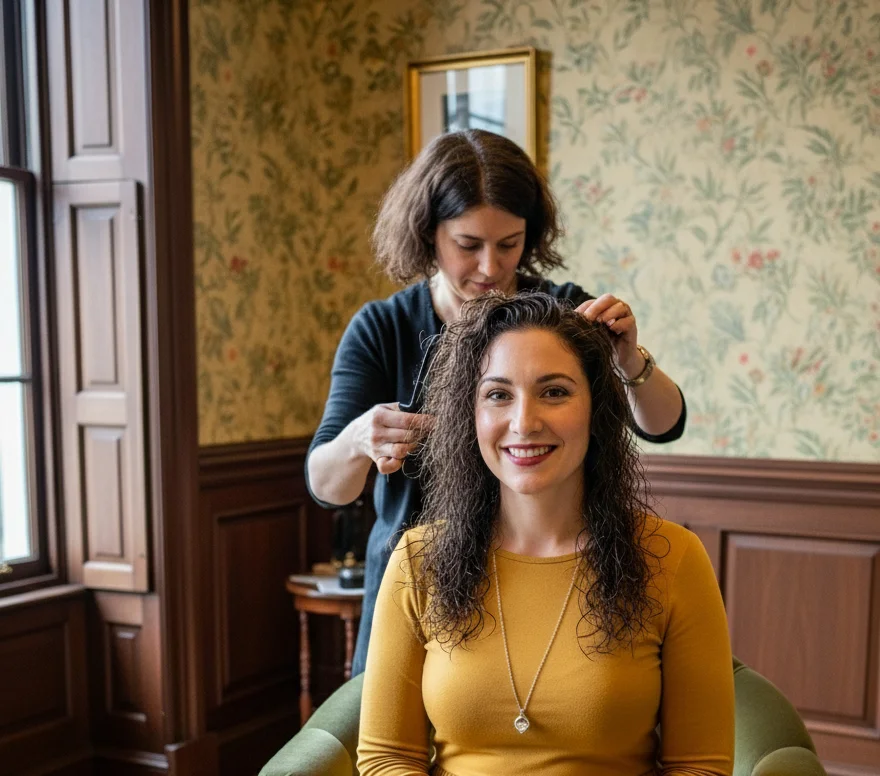
If you’ve tried various methods and are still struggling with uneven curl patterns, consider consulting a hairstylist specializing in curly hair. They can assess your hair type, identify specific issues, and recommend personalized solutions, including:
- Curly Cut: A specialized cut designed to enhance and balance your natural curl pattern.
- Product Recommendations: Professional stylists can recommend products tailored to your hair’s unique needs.
- Styling Demonstrations: They can demonstrate proper styling techniques to help you achieve consistent curls.
By understanding the science behind your curls and implementing these targeted strategies, you can significantly improve the curl definition at the top of your head and achieve a more uniform and vibrant curl pattern throughout your hair.
Conclusion
The phenomenon of having less curly hair at the top of your head than the rest is a common concern for many individuals with textured hair. It stems from a complex interplay of factors, including hair follicle shape, chemical bonds, external damage, product usage, styling habits, and even hormonal influences. Understanding these underlying causes is the first crucial step toward achieving more uniform curl definition.
By adopting a holistic approach that combines optimized hair care routines, targeted styling techniques, and proactive damage prevention, you can significantly improve the health and appearance of your curls. Remember that consistency is key, and patience is a virtue when working with natural hair. If challenges persist, seeking guidance from a curly hair specialist can provide personalized insights and solutions.
Ultimately, embracing your natural hair texture, even with its unique variations, is part of the journey. However, with the right knowledge and practices, you can encourage your curls to flourish from root to tip, achieving the consistent, vibrant curl pattern you desire.
References
[1] The Scientific Truth Behind Curly Hair – Kerastase: https://www.kerastase.com/kerastase-club/most-asked/hair-guide/the-scientific-truth-behind-curly-hair
[2] Why Does Your Hair Curl In The Summer? A Chemist Explains The … – UMBC: https://umbc.edu/stories/why-does-hair-curl-in-the-summer/
[3] Science Sunday – Chemistry of Curly Hair – The Chic Chemist: https://thechicchemist.com/science-sunday-chemistry-of-curly-hair/
[4] Quantifying hair shape and hair damage induced during reshaping of hair – ResearchGate: https://www.researchgate.net/profile/Roger-Mcmullen/publication/289528406_Quantifying_hair_shape_and_hair_damage_induced_during_reshaping_of_hair/links/568ec4fd08aead3f42f06e74/Quantifying-hair-shape-and-hair-damage-induced-during-reshaping-of-hair.pdf
[5] Can a person be born with straight hair and develop very curly hair … – Quora: https://www.quora.com/Can-a-person-be-born-with-straight-hair-and-develop-very-curly-hair-as-they-get-older-If-so-how-does-this-happen