
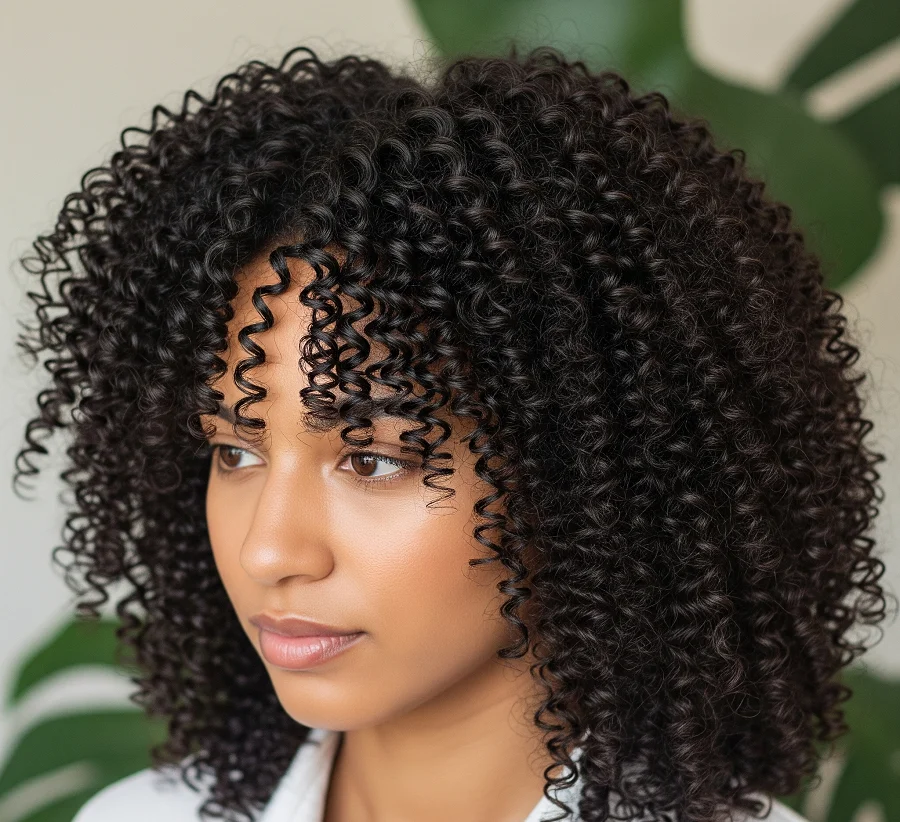
How To Get Defined Curls: A Step-by-Step Guide
Defined curls are a coveted hair goal for many with naturally wavy, curly, or coily hair. Achieving well-defined curls not only enhances the natural beauty of your hair but also minimizes frizz and makes styling easier. We’ll delve into the science behind curl formation, the importance of hydration, and practical styling methods that yield consistent, stunning results. Whether you’re new to embracing your natural texture or looking to refine your existing routine, this guide provides actionable insights to help you achieve the defined curls you’ve always desired.
Understanding Your Curls: Type and Porosity
Before embarking on your journey to defined curls, it’s essential to understand your hair’s unique characteristics. Curl patterns vary widely, and hair porosity plays a significant role in how your hair absorbs and retains moisture. Knowing these aspects will enable you to tailor your routine and product choices for optimal results.
Curl Types
Curl types are generally categorized using a numbering system (1-4) with sub-categories (A, B, C) to denote the tightness of the curl pattern. Understanding your curl type helps in selecting appropriate products and styling techniques.
Wavy Hair (Type 2)
2A – Wavy

Loose, S-shaped waves
- Easily straightened
- Minimal frizz
2B – Wavy

More defined S-shaped waves
- Closer to the head
- Some frizz
2C – Wavy

Defined S-shaped waves from roots
- Prone to frizz
Curly Hair (Type 3)
3A – Curly

Large, loose curls
- Size of sidewalk chalk stick
3B – Curly

Springy, well-defined curls
- Size of Sharpie marker
3C – Curly

Tight, corkscrew curls
- Size of pencil
Coily Hair (Type 4)
4A – Coily

Densely packed S-shaped coils
- Size of knitting needle
4B – Coily

Z-shaped coils
- Less defined
- Cotton-like texture
4C – Coily

Tightly coiled Z-shaped pattern
- Very dense
- Prone to shrinkage
Hair Porosity
Hair porosity refers to your hair’s ability to absorb and retain moisture. It’s determined by the state of your hair’s cuticle, the outermost layer of the hair shaft. Knowing your porosity helps in choosing products that provide adequate hydration without weighing down your curls.
1. Low Porosity
Tightly packed cuticles, difficult moisture penetration, slow drying

Product Needs
- Lightweight products
- Heat for better absorption
2. Medium Porosity
Good moisture absorption and retention, easy to style

Product Needs
- Balanced products
- Regular deep conditioning
3. High Porosity
Raised cuticles, quick moisture absorption and loss, prone to frizz

Product Needs
- Heavy moisturizers
- Protein treatments
- Sealers
Porosity Test
- Take a few strands of clean, product-free hair
- Drop them into a glass of room-temperature water
- Observe for a few minutes:
- Low Porosity: Hair floats at the top
- Medium Porosity: Hair floats in the middle
- High Porosity: Hair sinks to the bottom
Understanding these fundamental aspects of your hair is the first crucial step towards building an effective curl care routine that truly caters to your hair’s needs.
The Pre-Styling Routine: Foundation for Defined Curls
The journey to defined curls begins even before you apply styling products. A proper wash, conditioning, and detangling routine sets the foundation for healthy, well-formed curls. This phase focuses on cleansing, hydrating, and preparing your hair to absorb and hold definition.
Cleansing: The Right Shampoo
For curly hair, harsh shampoos can strip away natural oils, leading to dryness and frizz. Opt for sulfate-free and gentle cleansing shampoos that clean without dehydrating your strands. Co-washing (using conditioner to wash your hair) is also a popular method for curlies, especially those with very dry or coily hair, as it helps retain moisture.

- Frequency: Curly hair generally doesn’t need daily washing. 2-3 times a week is often sufficient to maintain moisture levels and prevent dryness. Adjust based on your hair’s needs and lifestyle.
- Application: Focus on cleansing your scalp thoroughly with your fingertips. Let the shampoo run down the length of your hair as you rinse, avoiding harsh scrubbing of the strands themselves.
Conditioning: Hydration is Key
Conditioning is arguably the most critical step for curly hair. Curls are naturally drier than straight hair due to the way natural oils travel down the hair shaft. A good conditioner provides essential moisture, helps detangle, and smooths the cuticle, preparing your curls for definition.
- Deep Conditioning: Incorporate a deep conditioner or hair mask into your routine at least once a week. These treatments provide intense hydration and nourishment, which is vital for curl health and elasticity.
- Leave-in Conditioner: A leave-in conditioner is a non-negotiable for many curly hair routines. It provides an extra layer of moisture and protection, making your curls more manageable and less prone to frizz throughout the day.
Detangling: Gentle Care for Fragile Curls
Curly hair is prone to tangles and knots, but aggressive detangling can lead to breakage and disrupt curl patterns. Always detangle your hair when it’s wet and saturated with conditioner, as this provides slip and reduces friction.

- Tools: Use a wide-tooth comb, a detangling brush designed for curly hair (like a Denman brush), or your fingers. Avoid fine-tooth combs or brushes on dry curly hair.
- Technique: Start detangling from the ends of your hair and work your way up to the roots. Be patient and gentle, slowly working through knots. This prevents pulling and breakage, preserving your curl integrity.
- Sectioning: For thicker or longer curly hair, sectioning your hair before detangling can make the process much easier and more effective. Pin up sections you’re not working on to keep them out of the way.
Styling for Definition: Products and Application Techniques
Once your hair is clean, conditioned, and detangled, it’s time to apply styling products that will help define your curls, reduce frizz, and provide hold. The key is to apply products evenly and use techniques that encourage curl clumping.
Choosing the Right Styling Products
The market is flooded with curly hair products, and selecting the right ones can feel overwhelming. The best products for you will depend on your curl type, porosity, and desired results. Generally, a good styling routine for defined curls involves a combination of a leave-in, a curl enhancer, and a strong-hold product.
| Product Type | Purpose | Best For |
|---|---|---|
| Leave-in Conditioner | Base moisture, detangling | All curl types |
| Curl Cream/Lotion | Moisturize, enhance curl pattern | Type 2 and 3A/B curls |
| Curl Gel/Custard | Strong hold, definition, frizz control | Type 3C and 4 curls |
| Mousse/Foam | Volume, soft hold | Fine hair, lighter hold preference |
Application Techniques for Maximum Definition
How you apply your products is just as important as the products themselves. These techniques help to encourage curl clumping and ensure even distribution.
Essential Application Techniques:
- Wet Application: Always apply styling products to soaking wet hair for even distribution and curl clumping
- Raking: Use fingers to distribute product from root to tip and separate curl clumps
- Praying Hands: Smooth product down hair length between palms to reduce frizz

- Scrunching: Cup hair sections and scrunch upwards to encourage natural curl pattern

- Brush Styling: Use Denman brush for enhanced definition on looser curls
- Finger Coiling: Twist small sections around finger for very defined individual curls

🔄 Product Layering Order
- Leave-in Conditioner (moisture and detangling)
- Curl Cream/Lotion (moisture and curl enhancement)
- Gel/Mousse (hold and frizz control)
Experiment with different combinations to find what works best for your hair!
Drying Techniques: Preserving Definition
How you dry your hair is crucial for preserving the definition you’ve worked so hard to create. Air drying and diffusing are the most common methods, each with its own benefits.
- Plopping: Use a cotton t-shirt or microfiber towel to absorb excess water without disturbing curl pattern. Wrap for 15-30 minutes to reduce frizz and enhance definition.
- Diffusing: Use low heat and speed settings. Gently cup hair sections in diffuser bowl and lift towards scalp. Adds volume and speeds drying time.
- Air Drying: Simplest method but may lead to less definition. Avoid disturbing hair during drying process.
Maintenance: Keeping Curls Defined Between Washes
Maintaining defined curls between wash days is key to a long-lasting style. These tips will help refresh your curls and minimize frizz.
- Pineappleing: Gather hair in loose, high ponytail before bed to protect curl pattern
- Satin Protection: Use satin pillowcase or bonnet to reduce friction and preserve curls
- Refreshing: Lightly mist with water and leave-in mixture, then scrunch to reactivate curls
- Humidity Protection: Use anti-humidity products in humid climates
⚠️ Common Mistakes to Avoid
- Over-washing (strips natural oils)
- Using harsh sulfate shampoos
- Brushing dry curly hair
- Using terry cloth towels
- Over-handling wet hair
- Not using enough water during styling
- Skipping deep conditioning treatments
Conclusion
Achieving defined curls is a journey of understanding your hair, choosing the right products, and mastering application and drying techniques. It requires patience and experimentation, but the rewards are beautifully formed, frizz-free curls that celebrate your natural texture. By following this step-by-step guide, you’re well-equipped to embark on your defined curl journey. Remember, consistency is key, and embracing your unique curl pattern is the ultimate goal. With dedication, you can unlock the full potential of your curls and enjoy healthy, vibrant, and defined hair every day.


