Angled Bob Haircuts: Fresh Styles for Every Hair Type
The angled bob has emerged as one of the most versatile and sophisticated haircuts in contemporary hairstyling, offering a perfect blend of classic elegance and modern edge.
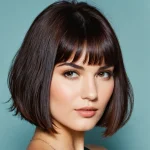
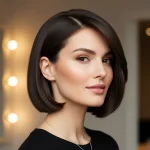
The angled bob has emerged as one of the most versatile and sophisticated haircuts in contemporary hairstyling, offering a perfect blend of classic elegance and modern edge. This distinctive cut, characterized by its shorter back and gradually longer front sections, creates a dynamic silhouette that flatters virtually every face shape and hair texture. Unlike traditional blunt bobs that maintain uniform length throughout, the angled bob introduces dimension and movement through its carefully crafted asymmetrical design.
The beauty of the angled bob lies in its adaptability. Whether you have pin-straight strands, bouncy curls, or anything in between, this cut can be customized to enhance your natural hair texture while providing a fresh, contemporary look. The strategic angle creates visual interest and can be adjusted to complement your facial features, lifestyle, and personal style preferences.
Understanding the Angled Bob Structure
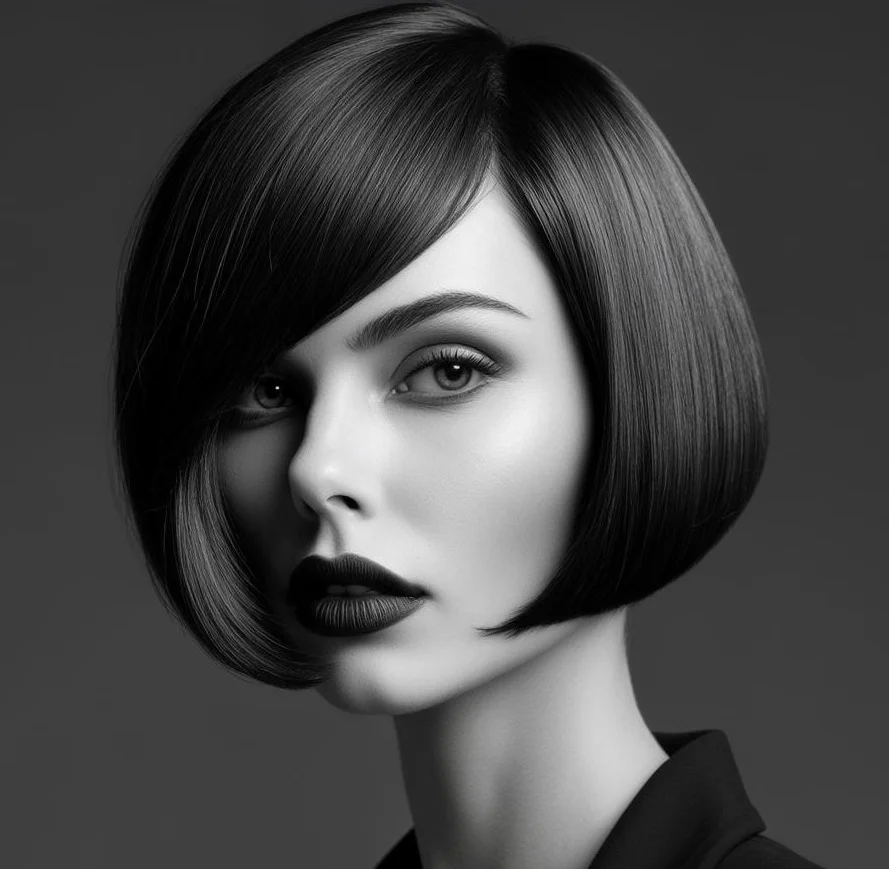
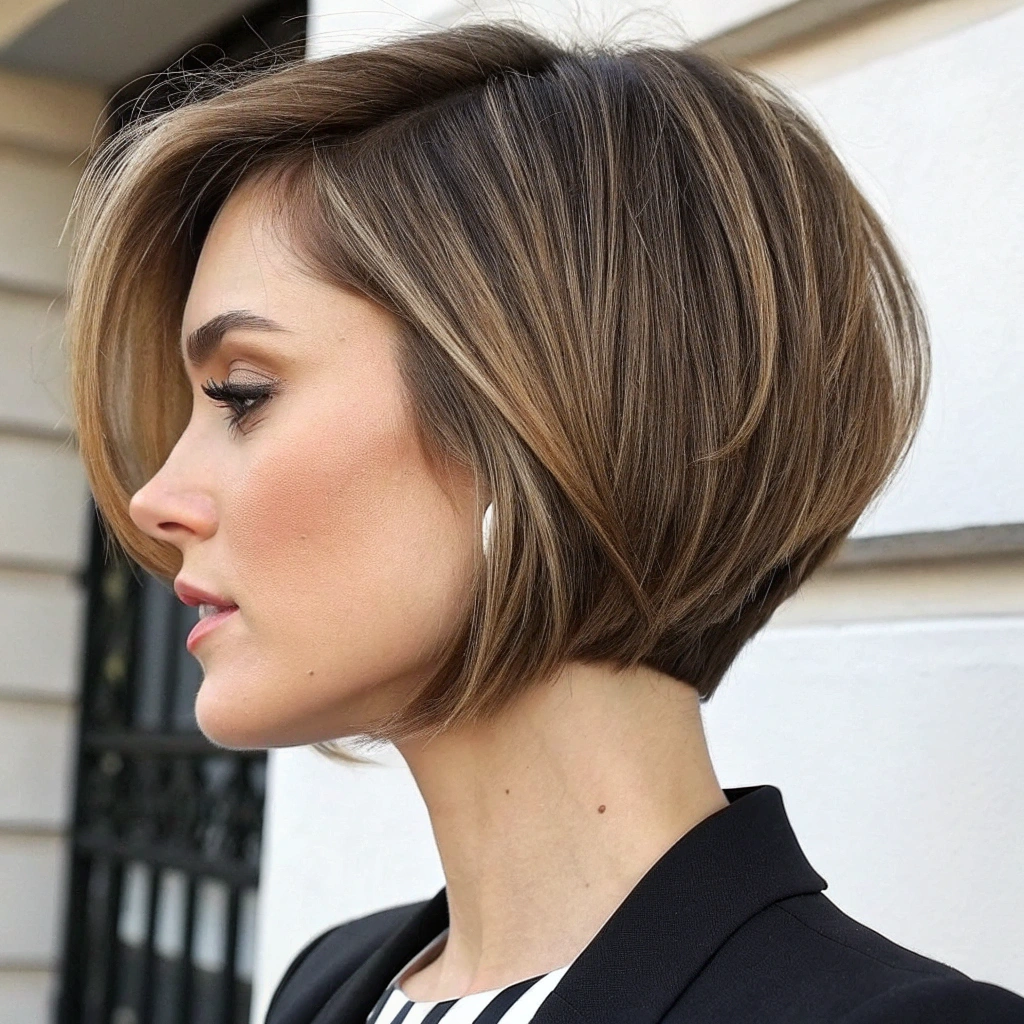
The angled bob, also known as an A-line bob or inverted bob, is defined by its distinctive geometric shape. The cut typically features hair that is shortest at the nape of the neck and gradually increases in length toward the front, creating a sharp, clean line that frames the face beautifully. This architectural approach to haircutting creates a triangular silhouette when viewed from the side, with the longest pieces often reaching anywhere from the jawline to the collarbone.
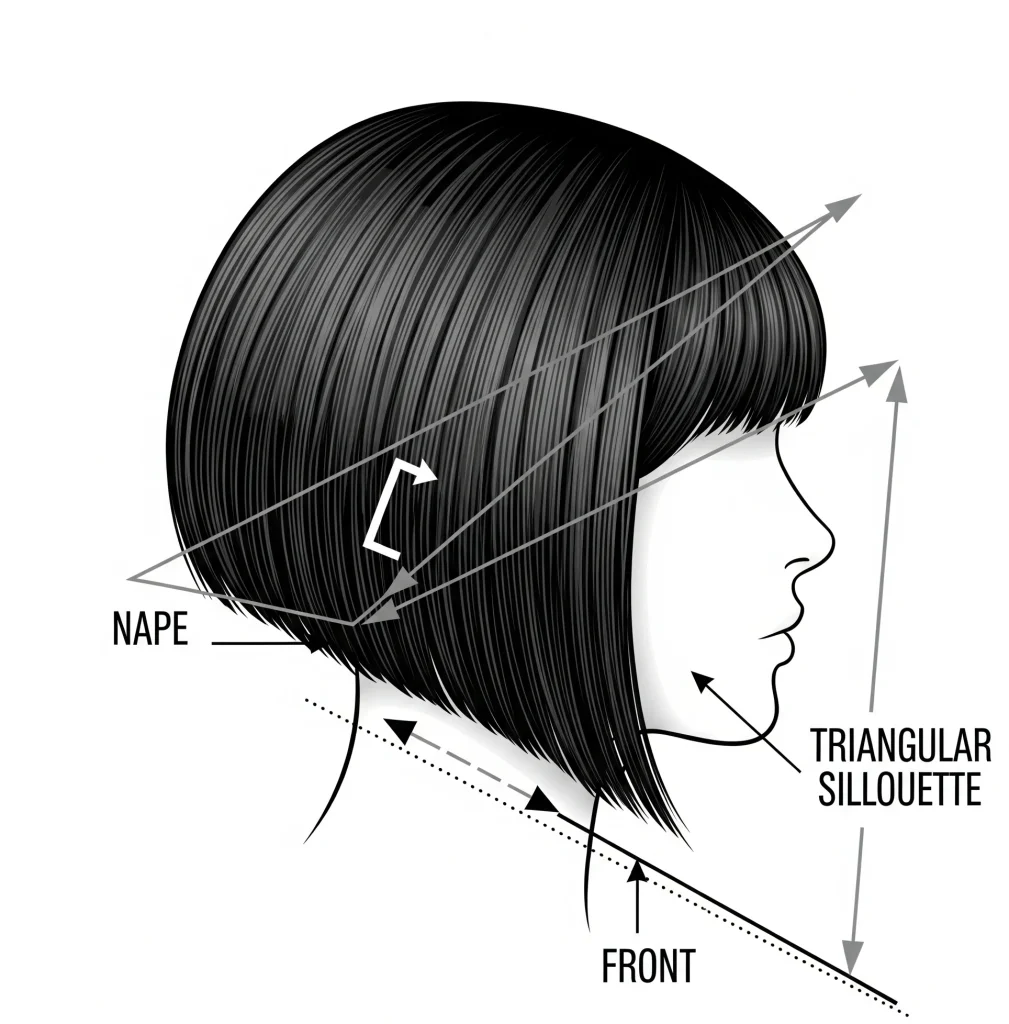
The angle itself can vary dramatically depending on the desired effect. A subtle angle creates a gentle, sophisticated look that works well in professional settings, while a more dramatic angle produces a bold, fashion-forward statement. The degree of the angle is typically determined by factors such as face shape, hair texture, and personal preference.
Professional stylists achieve this look through precise sectioning and cutting techniques. The hair is typically divided into horizontal sections, with each layer cut at a specific angle to create the desired slope. The back sections are cut shorter, often with the hair lifted at a 45-degree angle or higher, while the front sections are cut with less elevation to maintain length.
The Perfect Angled Bob for Straight Hair
Straight hair provides the ideal canvas for showcasing the clean, geometric lines of an angled bob. The naturally smooth texture allows the cut’s architectural elements to shine through without interference from curl patterns or wave formations. For those with straight hair, the angled bob offers numerous styling possibilities and maintenance advantages.
The precision of straight hair makes it particularly well-suited for sharp, dramatic angles. The cut appears crisp and defined, with each strand falling perfectly into place to create the intended silhouette. This hair type allows for both subtle and extreme angles, giving clients flexibility in choosing their desired level of drama.
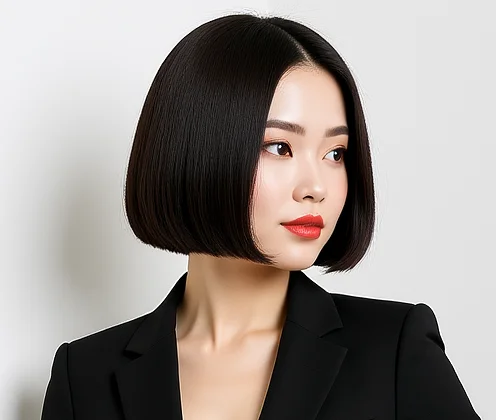
Pro Tip for Fine Straight Hair: An angled bob can create the illusion of thickness and volume. The shorter back sections remove weight from the hair, allowing the remaining strands to appear fuller and more voluminous.
For fine straight hair, an angled bob can create the illusion of thickness and volume. The shorter back sections remove weight from the hair, allowing the remaining strands to appear fuller and more voluminous. Stylists often recommend adding subtle layers throughout the cut to enhance movement and prevent the hair from appearing flat or lifeless.
Those with thick straight hair benefit from the angled bob’s ability to remove bulk while maintaining style and sophistication. The graduated length helps distribute weight more evenly, preventing the heavy, triangular shape that can occur with blunt cuts on thick hair. The angle also provides natural movement and prevents the hair from appearing too dense or overwhelming.
Styling straight angled bobs is relatively straightforward. A simple blow-dry with a round brush can enhance the cut’s natural shape, while flat ironing can create an ultra-sleek, polished finish. For added texture and movement, light waves or curls can be added to the longer front sections, creating contrast with the shorter back.
Embracing Waves with Angled Bob Cuts
Wavy hair brings a natural softness and romantic quality to the angled bob, creating a beautiful contrast between the cut’s structured lines and the hair’s organic movement. The combination of geometric precision and natural texture results in a hairstyle that is both polished and effortlessly chic.
The key to success with wavy angled bobs lies in working with, rather than against, the hair’s natural texture. Skilled stylists understand how waves will fall and move, adjusting the cut accordingly to ensure the angle remains visible and flattering even when the hair is styled in its natural state.
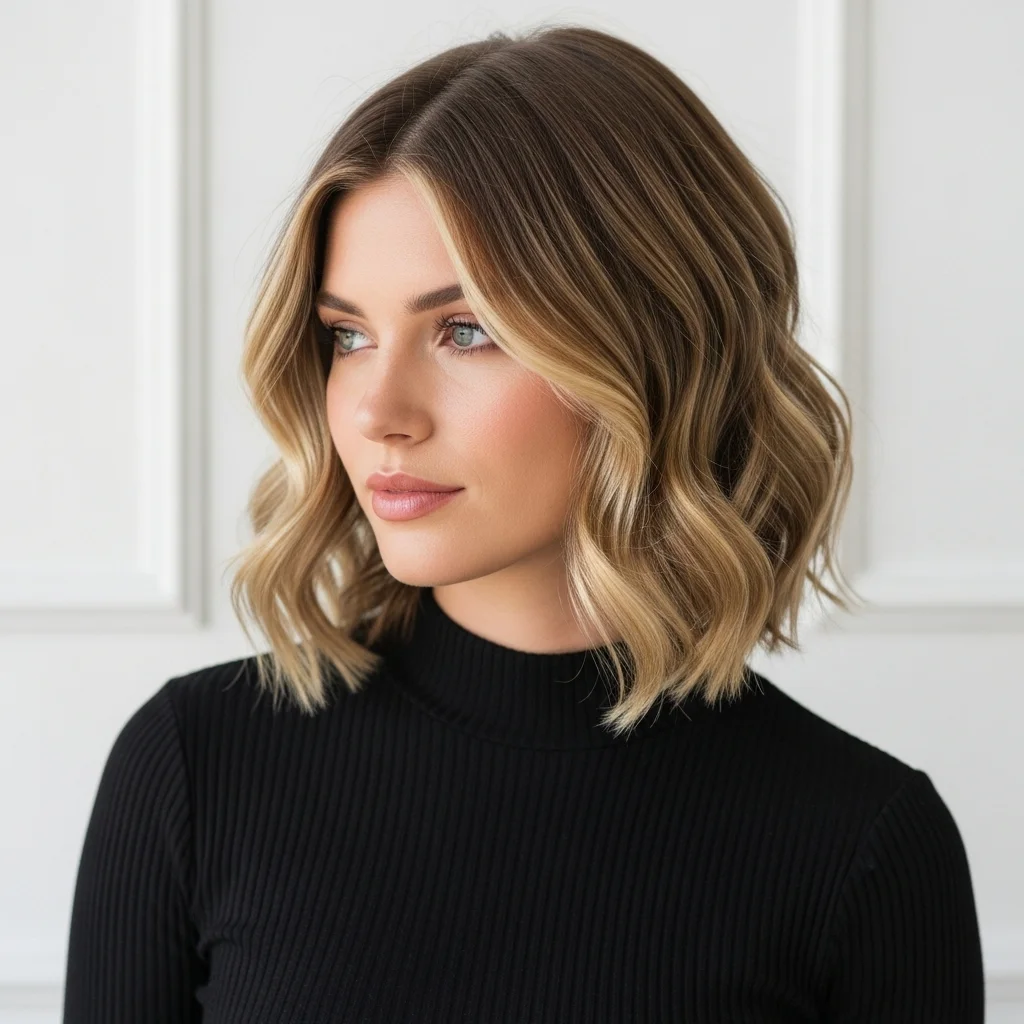
For loose waves, the angled bob creates beautiful cascading movement that enhances the hair’s natural flow. The shorter back sections allow the waves to have more bounce and volume, while the longer front pieces create elegant, face-framing curves. This combination is particularly flattering for those with oval or heart-shaped faces.
Tighter waves require careful consideration of the cutting technique. The stylist must account for how the hair will spring up when cut, ensuring that the final result maintains the desired angle and proportion. Often, this means cutting the hair slightly longer than intended, allowing for the natural shrinkage that occurs with curly and wavy textures.
Styling wavy angled bobs can be approached in multiple ways. For a polished look, waves can be smoothed and defined using styling creams and diffusing techniques. For a more casual, tousled appearance, the hair can be scrunched with texturizing products and air-dried. The versatility of this combination makes it ideal for those who want options in their daily styling routine.
Curly Hair and the Angled Bob Revolution
Curly hair presents unique opportunities and challenges when it comes to angled bob cuts. The natural volume and texture of curls can create stunning dimension within the angled structure, but requires specialized cutting techniques and styling approaches to achieve optimal results.
The most important consideration for curly angled bobs is the cutting method. Traditional wet cutting techniques often fall short with curly hair, as the true length and shape only become apparent when the hair is dry and styled in its natural state. Many experienced curl specialists prefer dry cutting techniques, where the hair is cut in its natural, unstyled state to ensure accurate length and proportion.
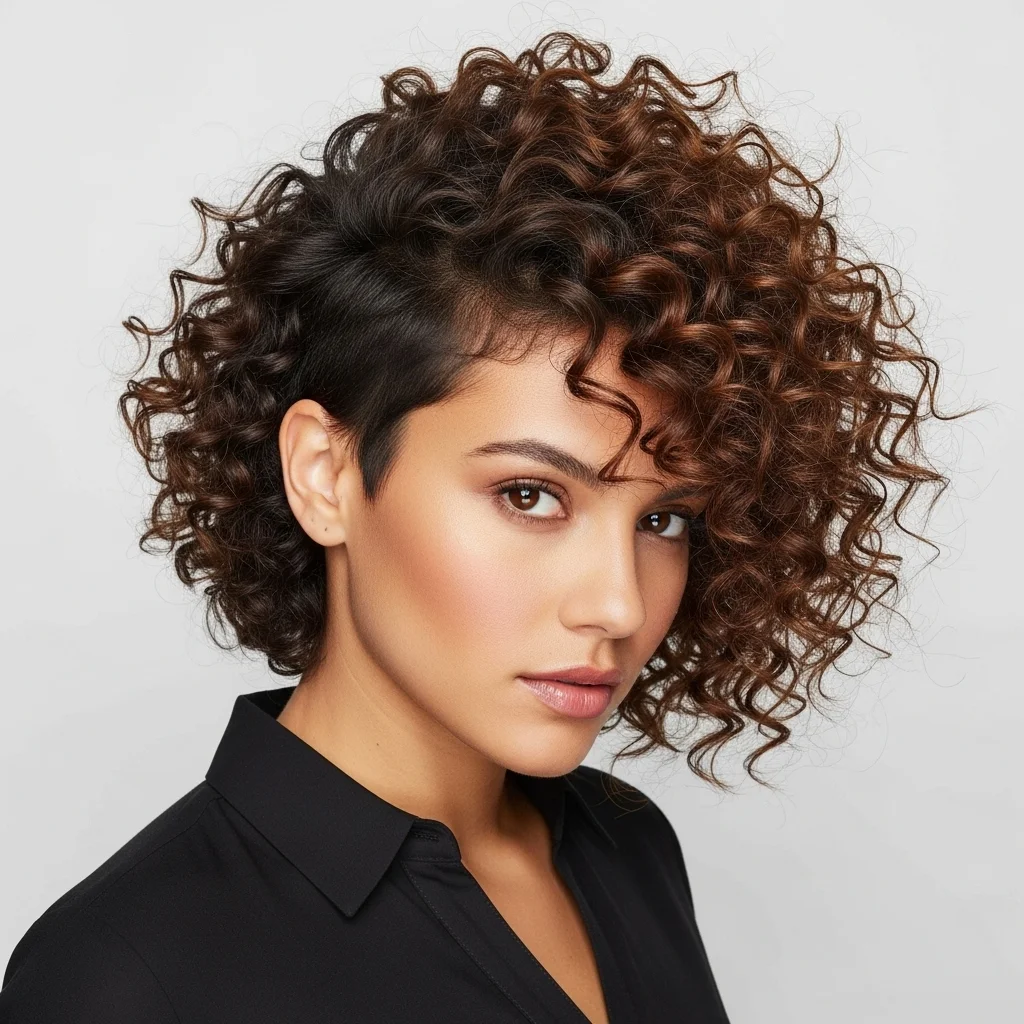
Curly Hair Insight: The natural volume of curls helps to showcase the angle while providing beautiful texture and movement. The shorter back sections prevent the hair from becoming too triangular or bottom-heavy.
Curly angled bobs work particularly well for those with medium to coarse curl patterns. The natural volume of curls helps to showcase the angle while providing beautiful texture and movement. The shorter back sections prevent the hair from becoming too triangular or bottom-heavy, a common concern with curly hair cuts.
For fine curly hair, the angled bob can provide much-needed structure and shape. The cut helps to define the curl pattern while removing excess weight that can drag curls down and make them appear limp. The angle creates visual interest and prevents the hair from appearing too round or shapeless.
Styling curly angled bobs requires products and techniques specifically designed for textured hair. Leave-in conditioners, curl creams, and gels help to define and hold the curl pattern while maintaining the cut’s intended shape. Diffusing or air-drying are typically preferred over traditional blow-drying, which can disrupt the natural curl formation.
Fine Hair Solutions with Angled Bobs
Fine hair often struggles with volume and body, making the angled bob an excellent choice for creating the illusion of thickness and fullness. The strategic removal of weight and the geometric shape work together to maximize the appearance of density while providing movement and style.
The key to successful angled bobs on fine hair lies in the layering technique. Subtle layers throughout the cut help to create separation and movement, preventing the hair from appearing flat against the head. These layers should be carefully placed to enhance rather than thin out the hair further.
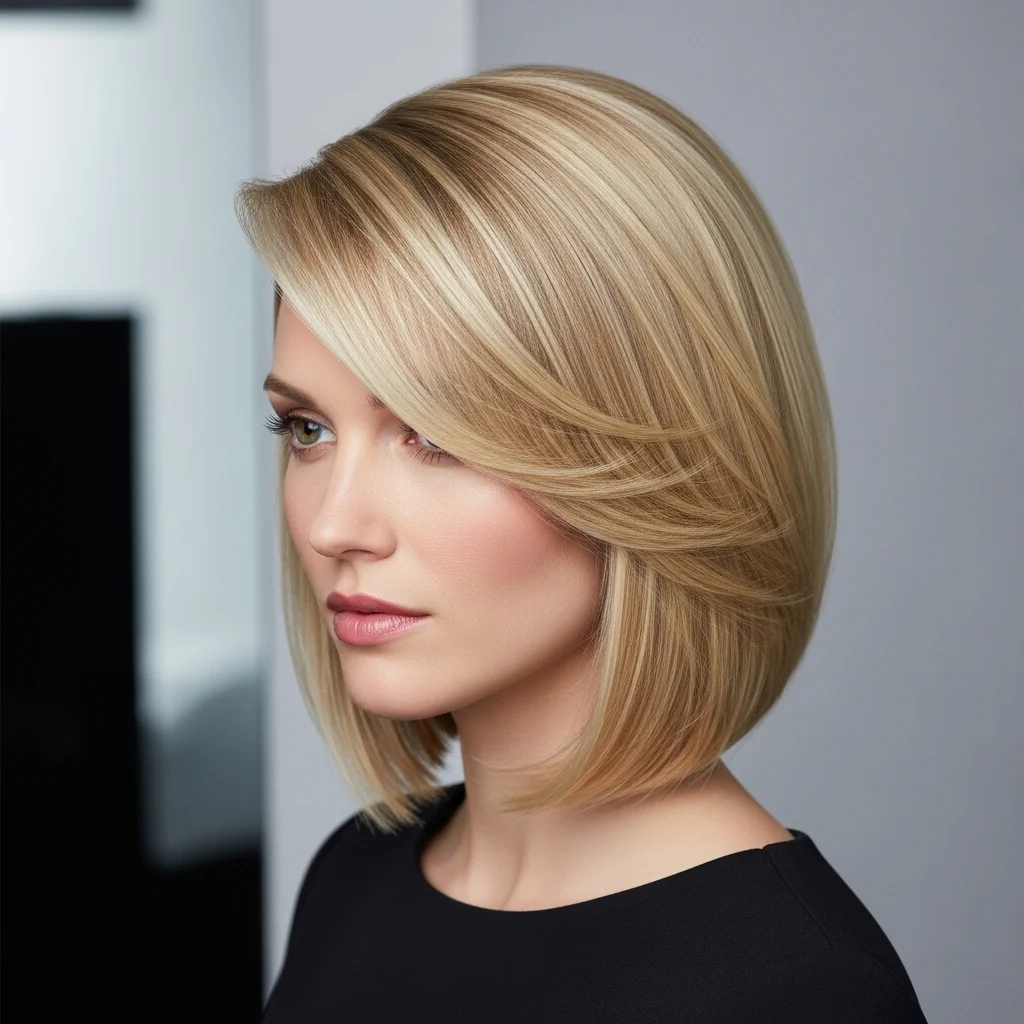
For fine hair, the angle of the bob should be moderate rather than extreme. Too dramatic an angle can make fine hair appear even thinner, particularly in the back sections where the hair is shortest. A gentle slope provides the benefits of the angled cut while maintaining sufficient density throughout.
Styling products play a crucial role in maximizing the potential of fine hair angled bobs. Volumizing mousses and root-lifting sprays can provide lift and body, while lightweight styling creams add texture without weighing the hair down. Heat styling tools, when used properly, can also enhance volume and shape.
The maintenance schedule for fine hair angled bobs is typically more frequent than for other hair types. Fine hair tends to lose its shape more quickly, and the precision of the angled cut requires regular touch-ups to maintain its intended appearance. Most stylists recommend appointments every 4-6 weeks for optimal results.
Thick Hair and Angled Bob Mastery
Thick hair presents its own set of advantages and considerations when it comes to angled bob cuts. The abundance of hair provides excellent foundation for creating dramatic angles and bold shapes, but requires careful weight distribution to prevent the cut from becoming too heavy or overwhelming.
The primary benefit of angled bobs for thick hair is the strategic weight removal. Traditional blunt cuts on thick hair can create a triangular or pyramid shape that is unflattering and difficult to style. The angled bob redistributes this weight, creating a more balanced and manageable silhouette.
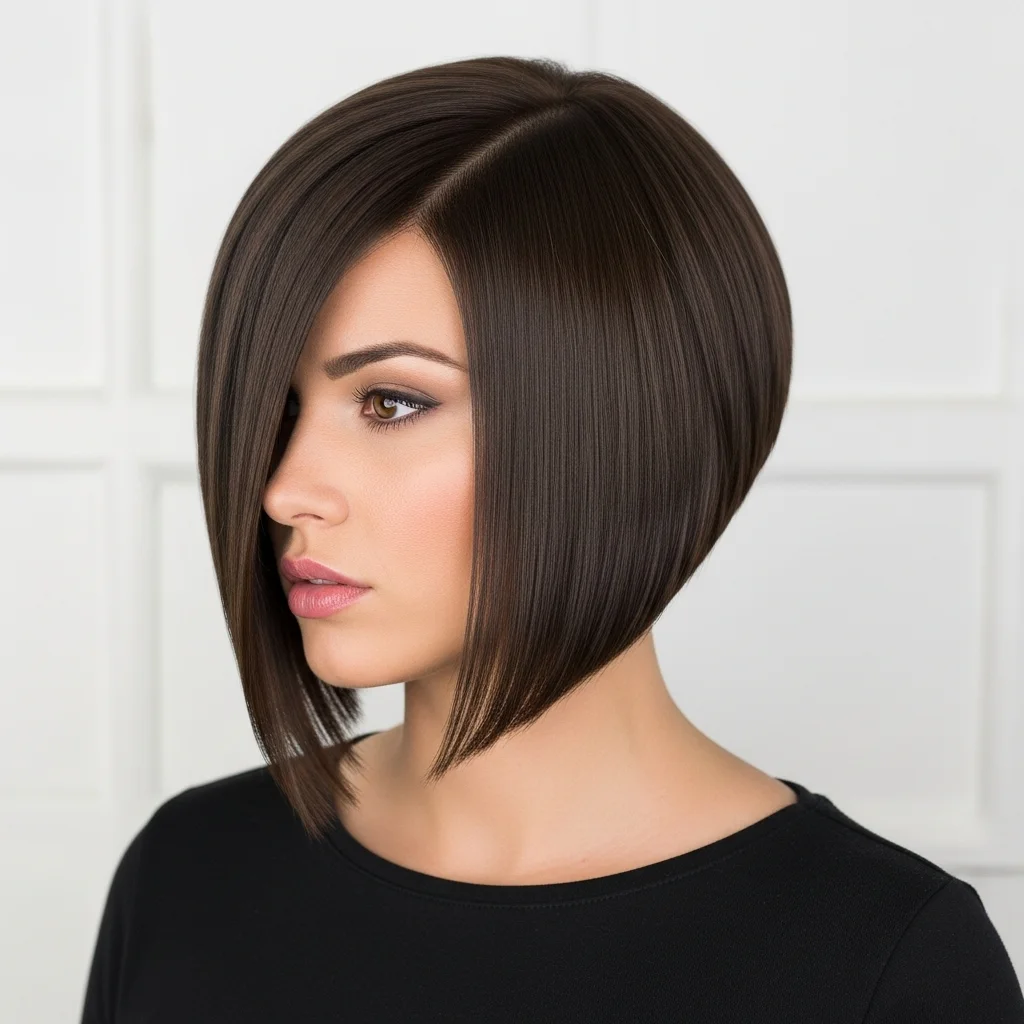
For thick hair, stylists often incorporate internal layering techniques to reduce bulk without compromising the cut’s overall shape. These hidden layers remove weight from the interior of the hair while maintaining the smooth, continuous line that defines the angled bob. This technique is particularly important for achieving movement and preventing the hair from appearing too dense.
The angle itself can be more dramatic with thick hair, as there is sufficient density to support bold geometric shapes. This allows for creative interpretation of the classic angled bob, with some cuts featuring extreme angles that create striking, avant-garde silhouettes.
Styling thick angled bobs often requires professional-grade tools and products. High-quality blow dryers and flat irons are essential for achieving smooth, polished results. Smoothing serums and heat protectants help to manage frizz and create sleek finishes, while texturizing products can add movement and prevent the hair from appearing too perfect or rigid.
Face Shape Considerations for Angled Bobs
The versatility of angled bob cuts extends to their ability to complement various face shapes, though certain modifications and considerations can optimize the flattering effects for each individual. Understanding how the angle and length interact with facial features is crucial for achieving the most harmonious result.
For round faces, angled bobs work exceptionally well by creating vertical lines that elongate the appearance of the face. The longer front sections draw the eye downward, while the shorter back adds height and volume at the crown. A more dramatic angle is often recommended for round faces, as it creates stronger vertical emphasis.
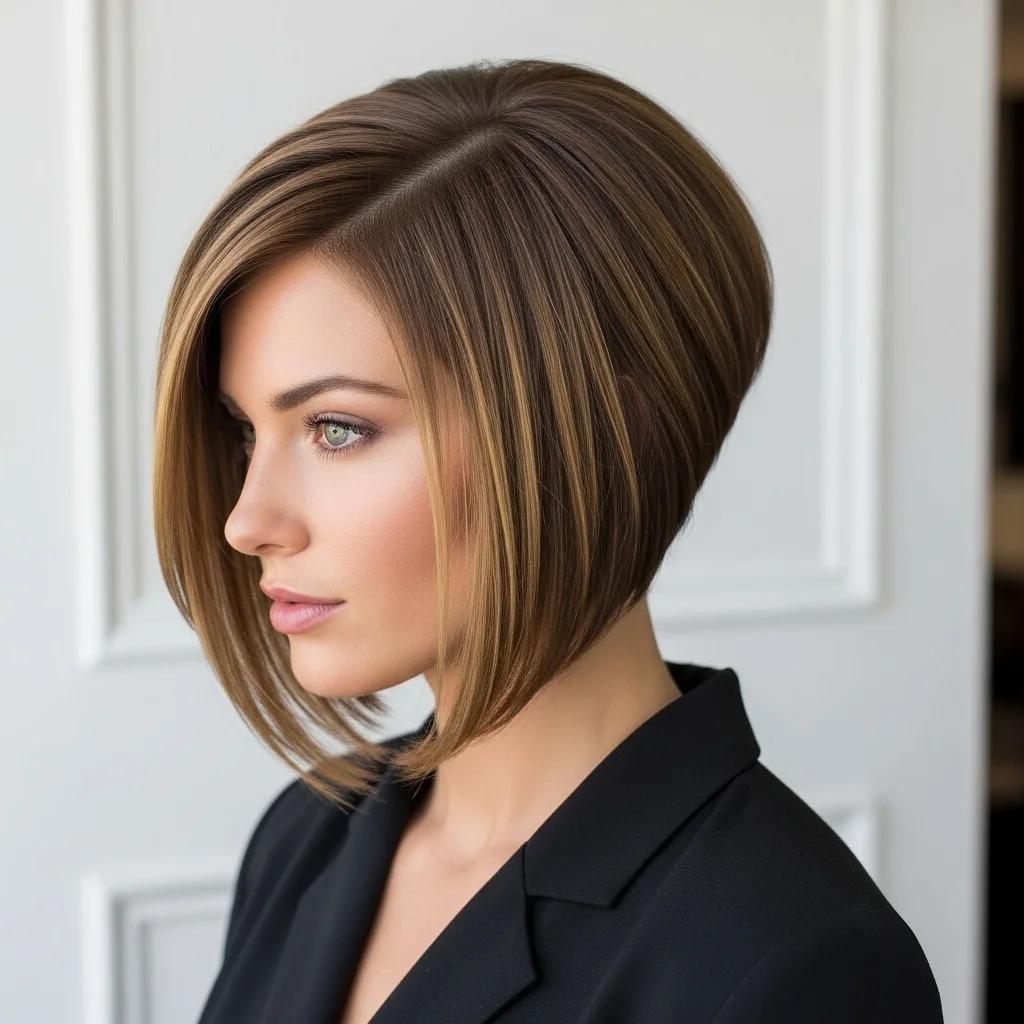
Square faces benefit from softer, more gradual angles that don’t emphasize the angular jawline. The longer front pieces should ideally fall below the jaw to soften the face’s natural angles. Subtle layering around the face can also help to create a more oval appearance.
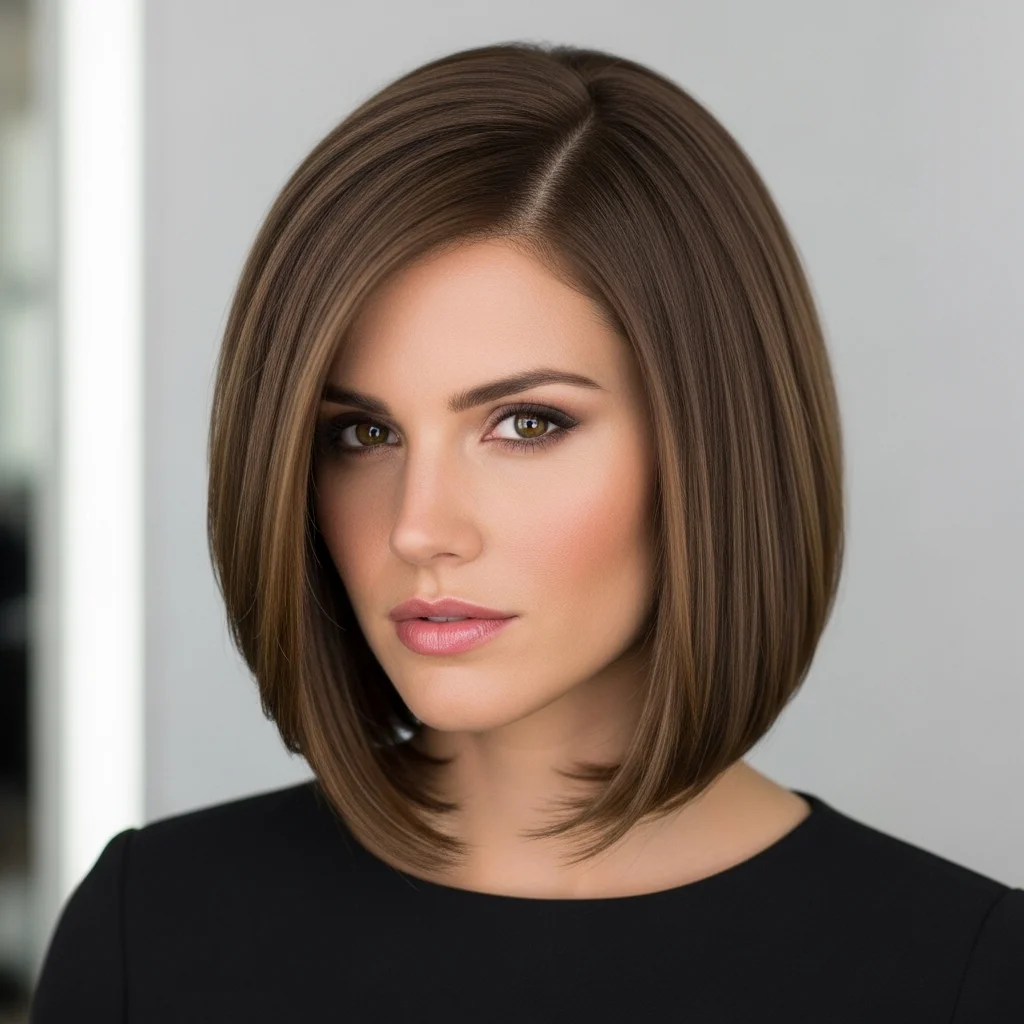
Heart-shaped faces are particularly well-suited to angled bobs, as the wider forehead is balanced by the fuller bottom section of the cut. The angle should be moderate, with the longest pieces reaching approximately to the collarbone to create visual weight in the lower portion of the face.
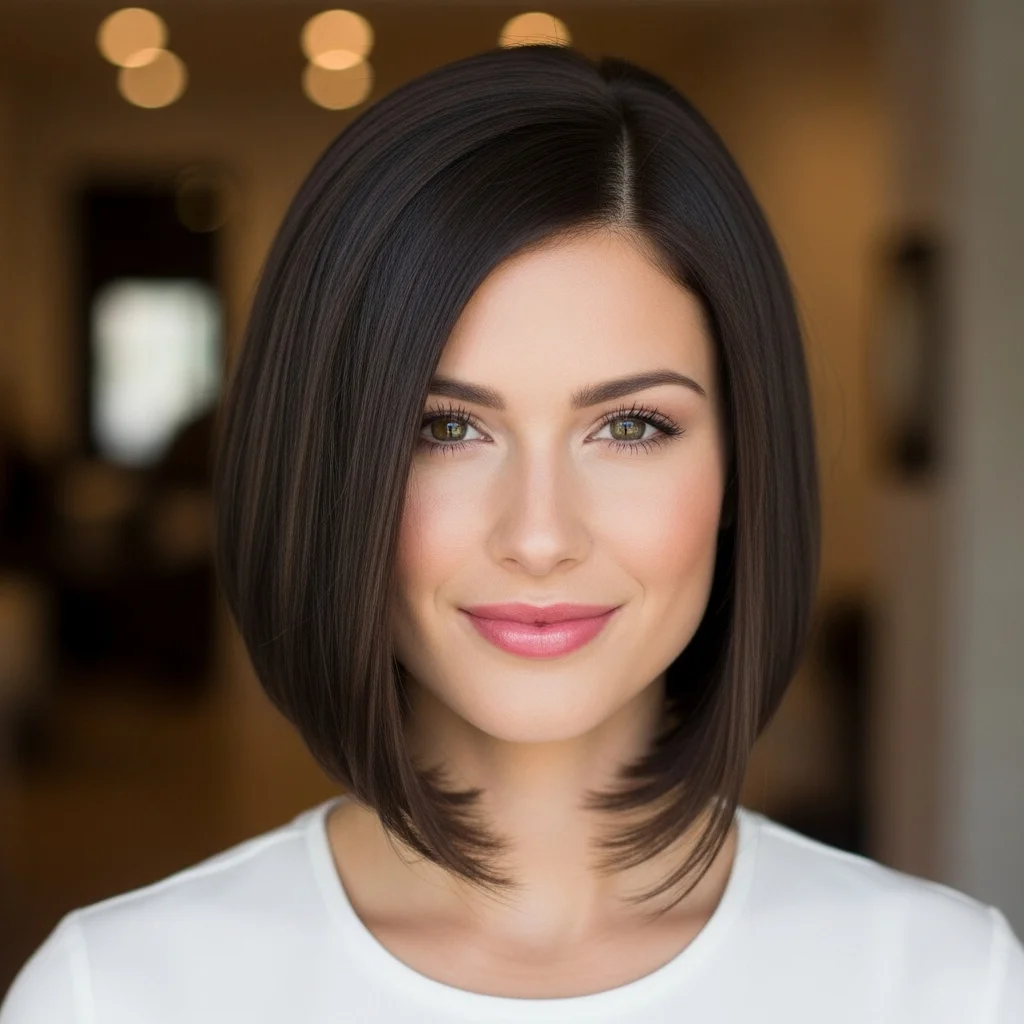
Oval faces have the most flexibility with angled bob cuts, as this face shape is naturally balanced and can accommodate various angles and lengths. Both subtle and dramatic angles work well, allowing for personal preference and lifestyle considerations to guide the decision.
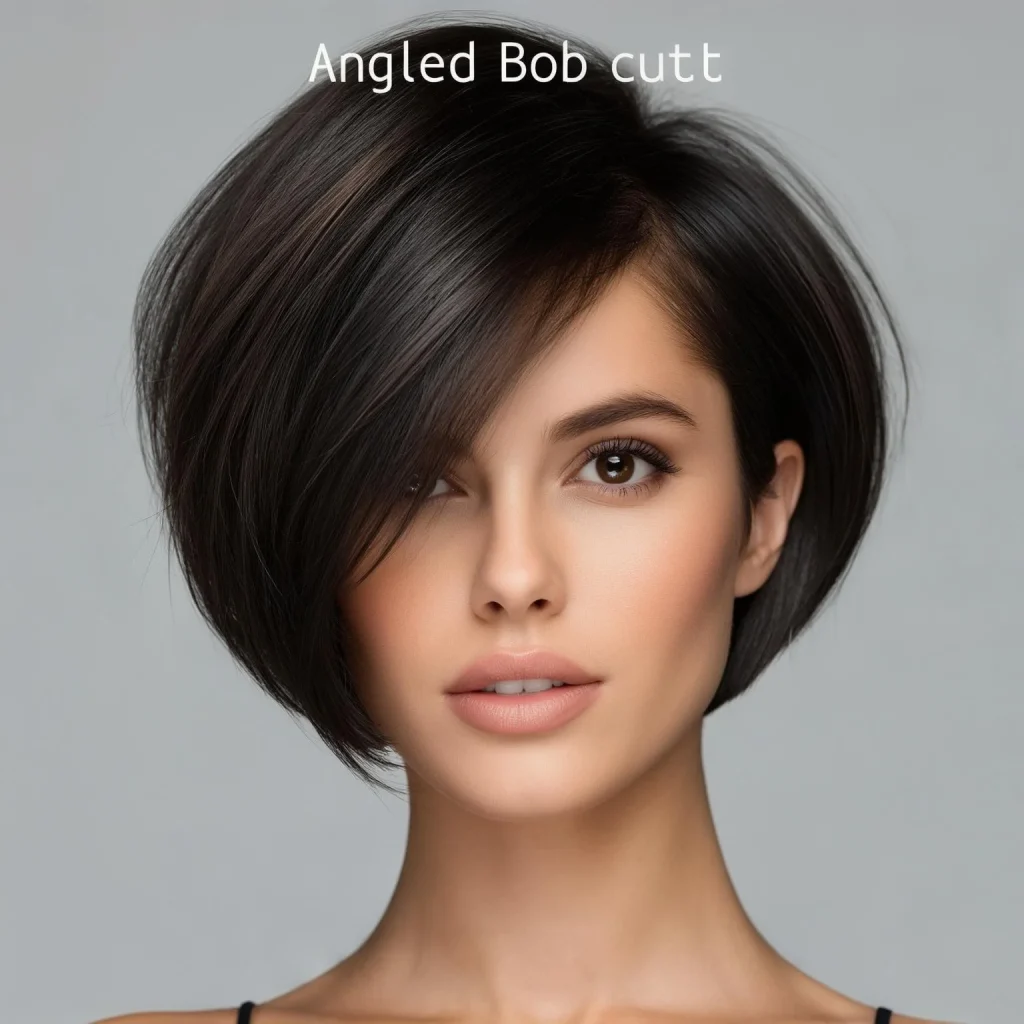
Long faces benefit from less dramatic angles and slightly shorter overall lengths. The goal is to add width rather than length to the face, so the angle should be subtle and the longest pieces should not extend too far below the jawline.
Styling Techniques and Daily Maintenance
The daily styling of angled bob cuts varies significantly depending on hair texture, desired finish, and lifestyle factors. However, certain fundamental techniques apply across all hair types and can help maximize the cut’s potential while minimizing styling time.
The foundation of any good angled bob style begins with proper washing and conditioning. Using products appropriate for your hair type ensures that the hair has the right amount of moisture and manageability for styling. Over-conditioning can weigh down fine hair, while under-conditioning can make thick or coarse hair difficult to manage.
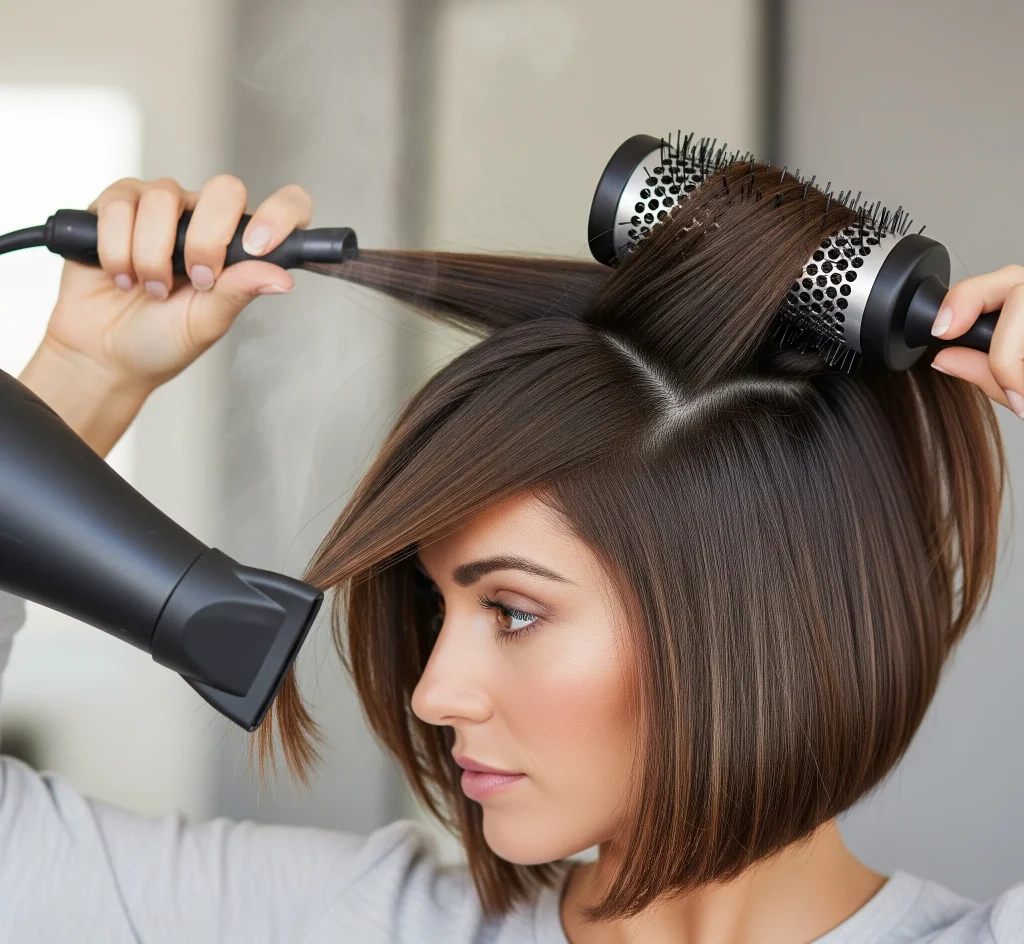
Blow-drying technique is crucial for achieving the best results with angled bobs. The hair should be dried in sections, with the brush following the natural angle of the cut. For the back sections, lifting the hair at the roots while directing the airflow downward helps to maintain volume and shape. The front sections should be dried with tension to ensure smooth, sleek results.
Heat styling tools can enhance the angled bob’s natural shape or create entirely different looks. Flat irons are excellent for achieving ultra-sleek, polished finishes, while curling irons or wands can add waves or curls for softer, more romantic styles. The key is to work with the cut’s natural lines rather than fighting against them.
For those who prefer low-maintenance styling, angled bobs can be air-dried with the right products and techniques. Texturizing creams, leave-in conditioners, and curl enhancers can help the hair dry in an attractive, natural-looking style that requires minimal manipulation.
Professional Maintenance and Salon Visits
Maintaining the precision and shape of an angled bob requires regular professional attention. The geometric nature of the cut means that even small amounts of growth can significantly impact the overall appearance and balance of the style.
The frequency of salon visits depends on several factors, including hair growth rate, hair texture, and the dramatic nature of the angle. Generally, angled bobs require touch-ups every 4-8 weeks to maintain their intended shape. Those with faster-growing hair or more dramatic angles may need more frequent appointments.
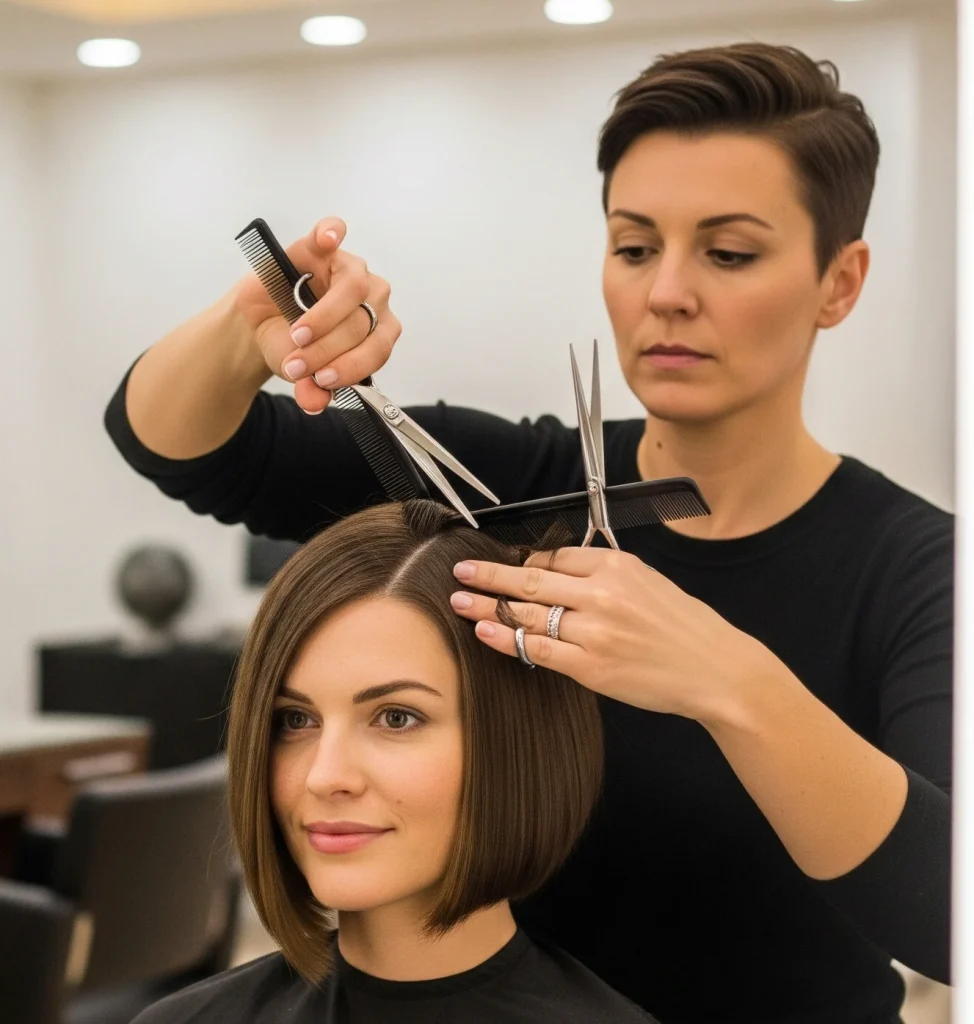
During maintenance appointments, stylists typically focus on re-establishing the angle and removing any weight that has accumulated as the hair grows. This may involve trimming the back sections more significantly than the front, or adjusting the internal layering to maintain proper weight distribution.
Communication with your stylist is essential for maintaining the perfect angled bob. Discussing any styling challenges, changes in hair texture, or desired modifications helps ensure that each appointment results in a cut that meets your current needs and preferences.
Between salon visits, there are several things you can do to help maintain your angled bob’s shape. Regular use of quality styling products, proper brushing techniques, and avoiding excessive heat damage all contribute to the longevity of the cut.
Color Considerations for Angled Bobs
Hair color can dramatically enhance the visual impact of angled bob cuts, with certain coloring techniques specifically designed to complement and accentuate the cut’s geometric lines. The interplay between color and cut creates opportunities for truly stunning, multidimensional results.
Solid colors work beautifully with angled bobs, particularly when the color choice complements the wearer’s skin tone and personal style. Rich, saturated colors can emphasize the cut’s bold lines, while softer, more natural tones create subtle sophistication.
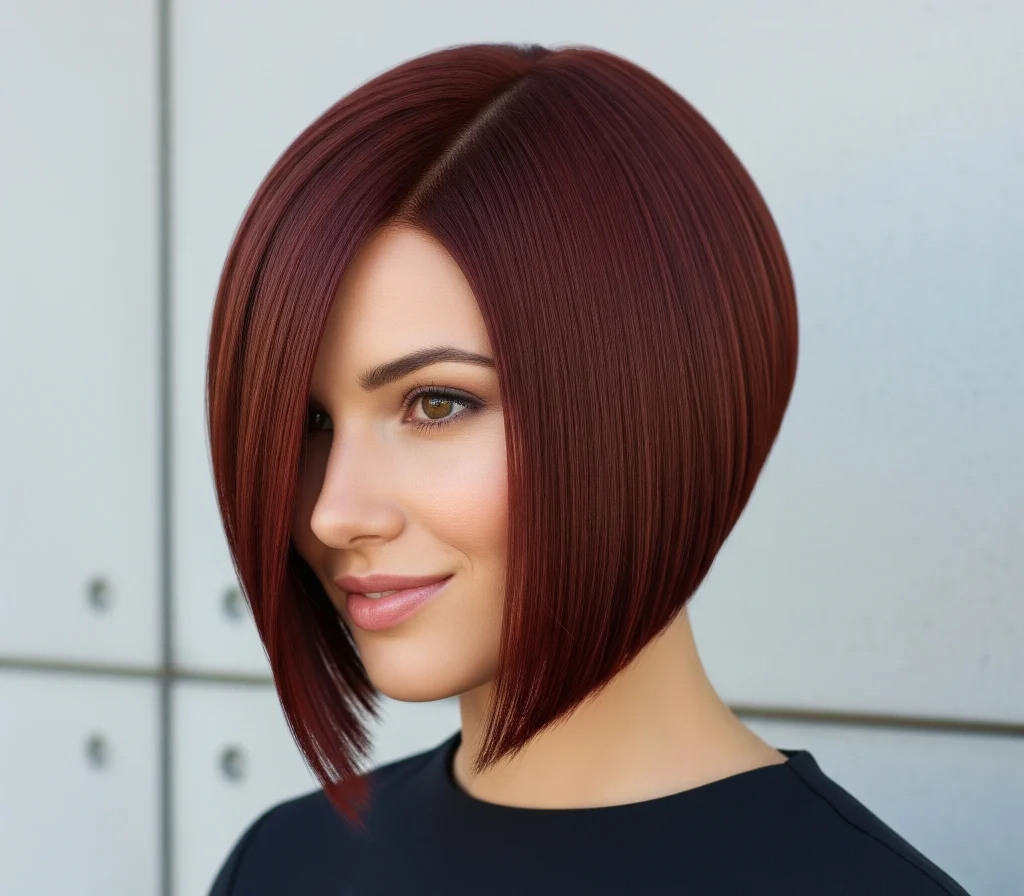
Highlighting and lowlighting techniques can add incredible dimension to angled bobs. Strategic placement of lighter and darker tones can enhance the cut’s natural movement and create the illusion of even more texture and depth. The angle of the cut provides natural guidelines for color placement, making it easier to achieve balanced, harmonious results.
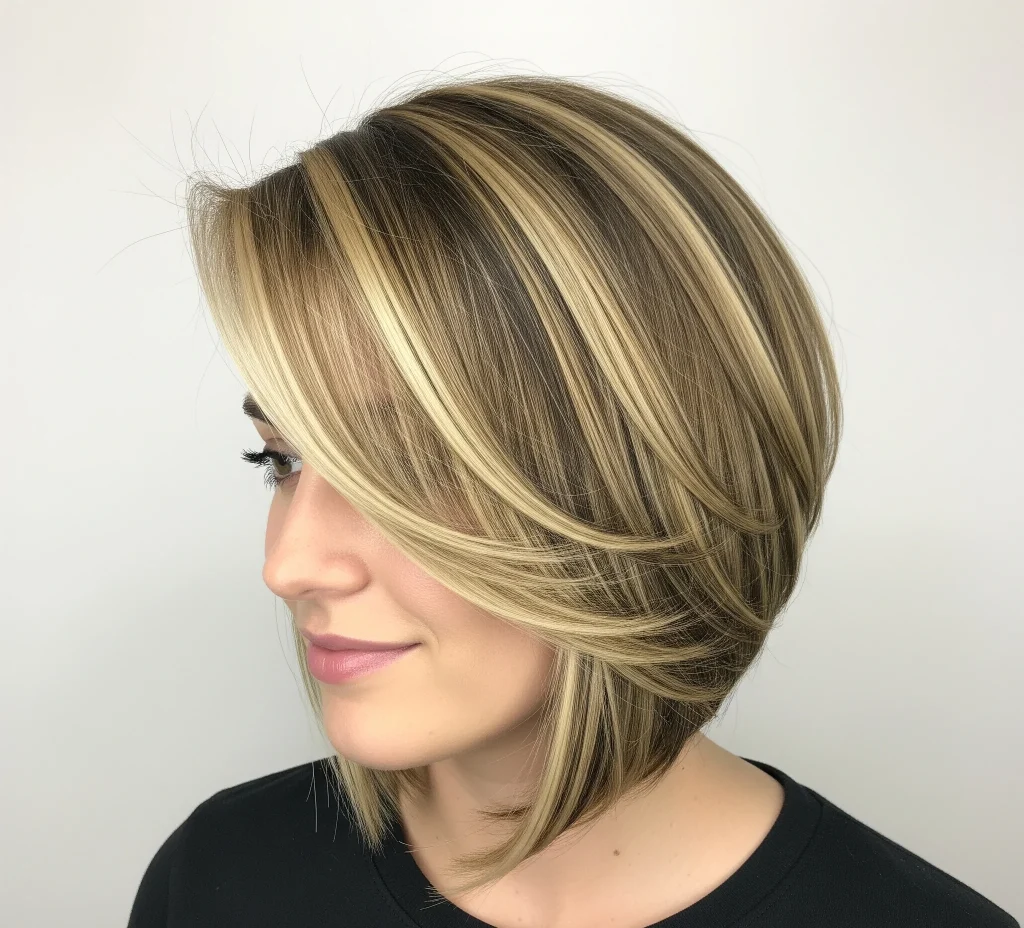
Balayage and ombre techniques are particularly effective with angled bobs, as the varying lengths provide an ideal canvas for gradual color transitions. The shorter back sections can showcase deeper, richer tones, while the longer front pieces can display lighter, more dramatic color changes.
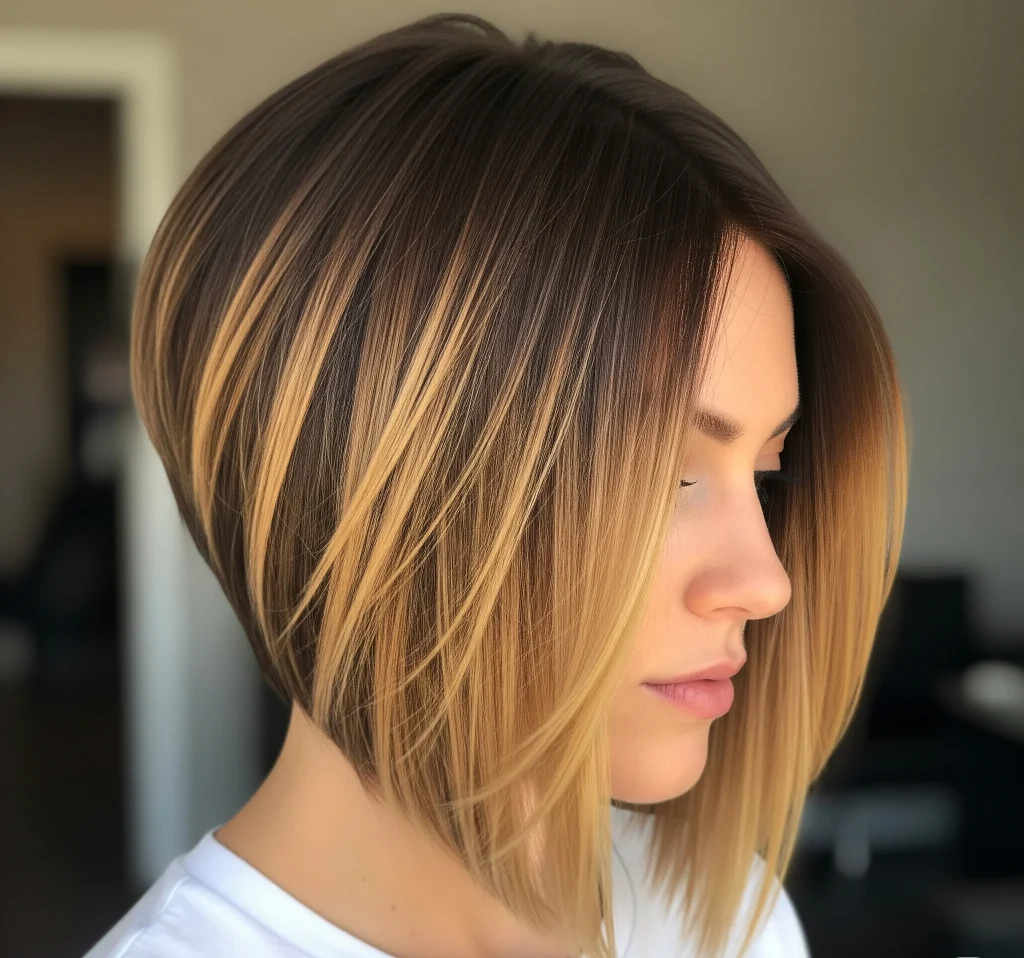
For those seeking more adventurous color options, angled bobs provide excellent structure for bold, fashion-forward choices. The clean lines of the cut help to ground even the most vibrant colors, creating looks that are striking but not overwhelming.
Seasonal Adaptations and Styling Variations
One of the greatest advantages of angled bob cuts is their adaptability to different seasons and occasions. The versatile nature of the cut allows for various styling interpretations that can complement changing weather conditions, fashion trends, and personal preferences.
During warmer months, angled bobs can be styled for maximum comfort and minimal maintenance. Texturizing products and air-drying techniques create effortless, beachy looks that are perfect for summer activities. The shorter back sections help keep the neck cool, while the longer front pieces can be tucked behind the ears or styled away from the face.
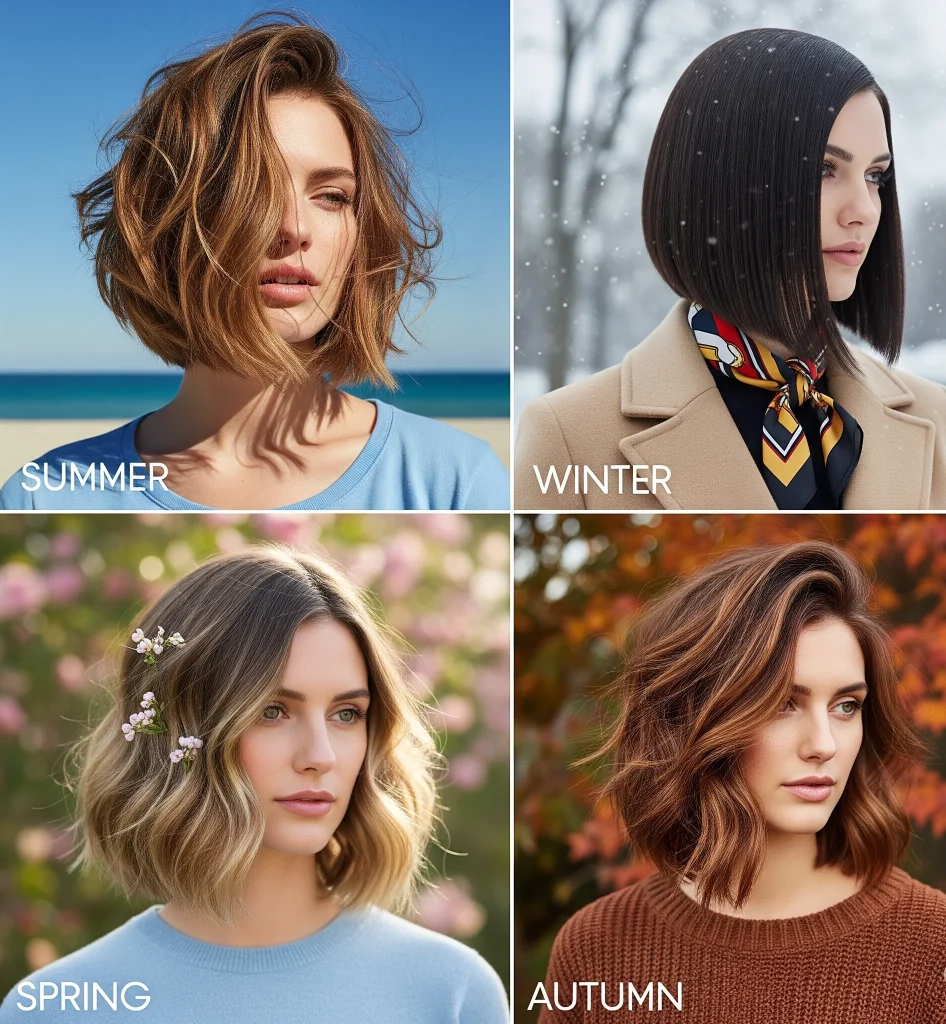
Winter styling often focuses on sleeker, more polished looks that complement heavier clothing and formal occasions. Smooth blow-outs and flat-ironed finishes create sophisticated styles that work well with scarves, high-necked sweaters, and winter coats.
Spring and fall provide opportunities for transitional styling that bridges the gap between seasons. Soft waves, subtle texture, and natural finishes complement the changing weather and lighter layering of clothing typical of these seasons.
Special occasions call for elevated versions of the angled bob that showcase the cut’s versatility. Formal events might feature sleek, sophisticated styling with added shine and precision, while casual gatherings could highlight the cut’s natural texture and movement.
Troubleshooting Common Angled Bob Challenges
Even the most well-executed angled bob cuts can present styling challenges, particularly as the hair grows and changes. Understanding common issues and their solutions helps maintain the cut’s intended appearance between salon visits.
One frequent challenge is the loss of angle definition as the hair grows. This typically occurs when the back sections grow out faster than anticipated, reducing the dramatic difference in length that creates the angled effect. Regular trimming of the back sections can help maintain the angle, though this should ideally be done by a professional.
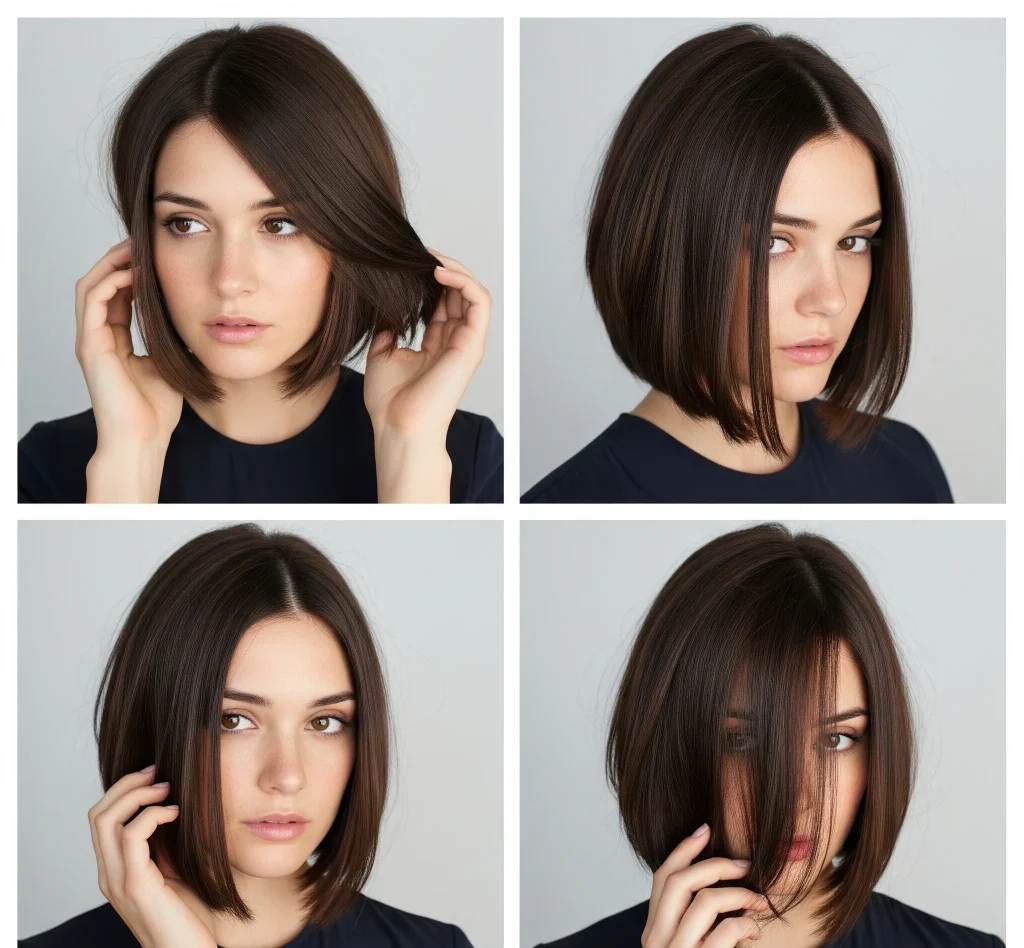
Another common issue is the development of awkward lengths, particularly in the transition areas between the shortest and longest sections. This can create a choppy or uneven appearance that detracts from the cut’s smooth lines. Strategic layering and texturizing can help blend these areas more seamlessly.
For those with cowlicks or unusual growth patterns, angled bobs may require special consideration and styling techniques. Working with rather than against these natural patterns often produces the best results, though this may require modifications to the traditional angled bob structure.
Styling difficulties often arise when trying to achieve looks that work against the cut’s natural lines. Understanding the cut’s inherent strengths and limitations helps in choosing appropriate styling goals and techniques.
The Evolution of Angled Bob Trends
The angled bob has undergone significant evolution since its introduction, with contemporary interpretations reflecting current fashion trends, lifestyle changes, and technological advances in cutting and styling techniques. Understanding this evolution helps in choosing versions that feel current and relevant.
Modern angled bobs often incorporate softer, more natural-looking angles compared to the sharp, geometric cuts popular in previous decades. This shift reflects a broader trend toward more wearable, low-maintenance hairstyles that complement busy lifestyles.
Texture has become increasingly important in contemporary angled bob cuts. Rather than focusing solely on smooth, sleek lines, modern versions often emphasize natural texture and movement, creating looks that appear effortless and lived-in.
The integration of advanced coloring techniques has also transformed the angled bob landscape. Today’s cuts often feature complex color work that enhances the cut’s dimensional qualities and creates truly personalized results.
Technology has played a role in the evolution of angled bobs as well. Improved cutting tools, styling products, and heat styling devices have made it easier to achieve and maintain precise, professional-looking results at home.
Conclusion
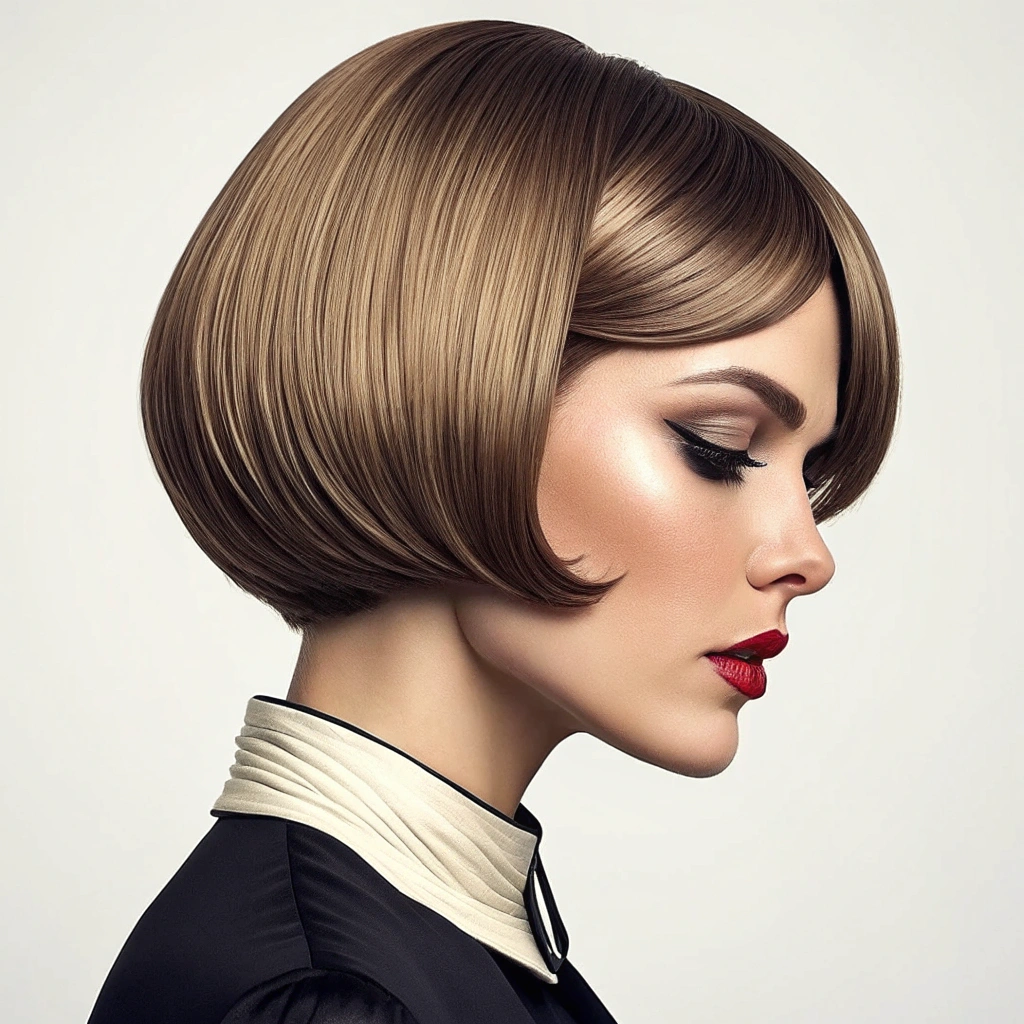
The angled bob stands as a testament to the enduring appeal of well-executed geometric haircutting, offering a perfect balance of classic sophistication and contemporary edge. Its remarkable versatility makes it suitable for virtually every hair type, face shape, and lifestyle, while its clean lines and dynamic silhouette ensure it remains perpetually stylish and relevant.
Whether you’re drawn to the dramatic angles that create bold, fashion-forward statements or prefer subtle slopes that offer understated elegance, the angled bob can be customized to reflect your personal style and complement your unique features. The cut’s ability to enhance natural hair texture while providing structure and movement makes it an excellent choice for those seeking both style and manageability.
The key to angled bob success lies in working with experienced professionals who understand the technical aspects of the cut and can adapt it to your specific needs. Regular maintenance, appropriate styling products, and techniques that work with rather than against the cut’s natural lines ensure that your angled bob continues to look fresh and polished between salon visits.
As hairstyling trends continue to evolve, the angled bob’s fundamental appeal remains constant. Its combination of geometric precision and natural movement, its adaptability to different textures and styling preferences, and its ability to flatter a wide range of face shapes ensure that this classic cut will continue to inspire and delight for years to come. For those considering a fresh, modern hairstyle that offers both sophistication and versatility, the angled bob represents an excellent choice that delivers both immediate impact and long-term satisfaction.