
Discover Versatile Medium Haircuts with Layers
Your Complete Guide to Stylish, Manageable, and Flattering Hair
Medium-length hair, falling anywhere between the chin and the collarbone, offers a fantastic canvas for a myriad of styles. When combined with layers, this hair length transforms into a dynamic and adaptable look that suits a wide range of preferences and hair types. Layers are essentially sections of hair cut to different lengths, creating movement, volume, and texture. This article delves into the world of medium layered haircuts, exploring their benefits, various types, popular styles, and essential tips for styling and maintenance.
The Allure of Layers: Why They Work Wonders
Layers are not just a stylistic choice; they offer numerous practical advantages that enhance the overall look and feel of medium-length hair. One of the primary benefits is the ability to add volume and body, especially for those with fine or limp hair. By strategically removing weight, layers prevent hair from looking flat and lifeless, instead creating a sense of fullness and bounce. Conversely, for individuals with thick or heavy hair, layers can effectively reduce bulk, making the hair feel lighter and more manageable. This reduction in density can also significantly decrease drying time, a welcome advantage for anyone with a busy schedule.
Key Benefits of Layers: Volume enhancement, weight reduction, improved manageability, faster drying time, enhanced movement and flow, texture definition, and facial feature accentuation.
Beyond volume and manageability, layers introduce dynamic movement and flow to the hair. They break up the monolithic appearance of a single-length cut, allowing strands to fall more naturally and with greater fluidity. This movement can highlight natural waves or curls, or add a soft, effortless quality to straight hair. Layers also play a crucial role in enhancing hair texture, whether it’s emphasizing the coils of curly hair, defining the bends in wavy hair, or adding visual interest to straight locks. The interplay of different lengths creates depth and dimension, giving the haircut a more intricate and sophisticated appearance. Furthermore, face-framing layers can beautifully accentuate facial features, drawing attention to the eyes, cheekbones, or jawline, and softening sharper angles.
Understanding Different Types of Layers
The beauty of layered haircuts lies in their versatility, largely due to the various techniques used to create layers. Each type of layer contributes a distinct effect to the overall hairstyle:
- Long Layers: These layers are subtle and blend seamlessly into the rest of the hair, typically starting below the chin. They are ideal for adding movement and a soft, flowing look without sacrificing length. Long layers are particularly effective for thick hair, as they remove weight without creating a choppy appearance.

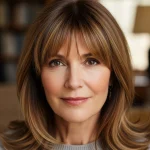
- Face-Framing Layers: As the name suggests, these layers are cut around the face, often starting at the cheekbones or jawline. They are designed to highlight facial features and add softness around the face. Face-framing layers can be subtle or more pronounced, depending on the desired effect, and are excellent for adding dimension and interest to any medium-length cut.

- Feathered Layers: This technique involves cutting layers with a razor or shears at an angle, creating soft, wispy ends that resemble feathers. Feathered layers add a delicate texture and a sense of lightness, often used to create a voluminous and airy look, particularly around the crown and sides of the head.

- Choppy Layers: In contrast to feathered layers, choppy layers are cut with a more blunt technique, resulting in distinct, uneven lengths. This creates a more edgy, textured, and often voluminous look. Choppy layers are excellent for adding a modern, undone feel to a medium haircut and can be particularly striking on thicker hair types.

- Invisible Layers: These layers are strategically placed within the hair, often underneath the top sections, to remove bulk and add movement without being visibly apparent. Invisible layers are perfect for those who want the benefits of layering (volume, reduced weight) but prefer the appearance of a single-length cut. They are especially useful for very thick hair.

- Shattered Layers: Similar to choppy layers but often more extreme, shattered layers involve cutting hair at various, seemingly random lengths to create a highly textured and deconstructed look. This style is bold and modern, offering maximum volume and an edgy aesthetic.

- Graduated Layers: These layers are cut shorter at the back and gradually get longer towards the front, creating a stacked effect. This technique is commonly seen in bobs and lobs, adding volume and a defined shape to the back of the head while maintaining length around the face.

Popular Medium Layered Haircut Styles
Medium layered haircuts encompass a wide array of popular styles, each offering a unique aesthetic and appeal:
- The Layered Lob (Long Bob): The lob, a bob that extends past the chin and often reaches the collarbone, is incredibly popular. Adding layers to a lob enhances its versatility, creating movement and preventing it from looking too blocky. Face-framing layers are particularly common with lobs, softening the lines and highlighting the face. This style is chic, modern, and relatively low-maintenance.

- The Shag: A classic retro style that has made a strong comeback, the shag is characterized by choppy, uneven layers throughout the crown, sides, and back, often paired with bangs. It’s a textured, rebellious look that exudes effortless cool. Medium-length shags are particularly versatile, working well with various hair textures and adding a rock-and-roll edge.

- The Butterfly Cut: This trending style features long, sweeping layers that are designed to resemble the wings of a butterfly. The shortest layers typically frame the face, while longer layers cascade down the back. The butterfly cut creates significant volume and movement, giving the illusion of longer hair while maintaining the manageability of a medium length. It’s particularly flattering for those seeking a voluminous, glamorous look.

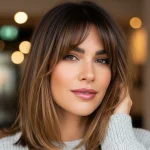
- Medium Hair with Curtain Bangs: Curtain bangs, characterized by their longer length and a natural, parted-in-the-middle sweep, pair beautifully with medium layered hair. The layers blend seamlessly with the bangs, creating a soft, face-framing effect. This combination offers a relaxed yet stylish appearance, suitable for various face shapes and hair textures.

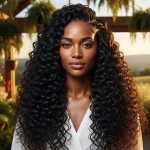
- Wavy or Curly Medium Layers: For those with natural waves or curls, layers are essential for enhancing their natural pattern and preventing a triangular shape. Strategic layering allows curls to spring up and form beautifully, reducing bulk and adding definition. Medium-length layered cuts for wavy and curly hair can range from soft, subtle layers to more defined, stacked layers, depending on the desired outcome.

- Straight Hair with Subtle Layers: Even straight hair benefits from layers. Subtle, long layers can add movement and prevent straight hair from appearing too flat or heavy. They create a soft, flowing silhouette and can be used to add volume at the crown or to gently frame the face without disrupting the sleekness of straight hair.

Choosing the Right Layered Haircut for Your Face Shape and Hair Type
Selecting the perfect medium layered haircut involves considering both your face shape and hair type. A well-chosen cut can enhance your best features and complement your natural hair texture.

Face Shape Considerations:
- Round Faces: For round faces, layers that add height at the crown and length around the face can help to elongate the appearance. Face-framing layers that start below the chin are ideal, as they create vertical lines that slim the face. Avoid layers that are too short around the cheeks, as they can emphasize the roundness.
- Oval Faces: Oval face shapes are considered the most versatile and can pull off almost any layered haircut. Experiment with various layer lengths and styles, from subtle to dramatic, to find what you love most.
- Square Faces: To soften the strong angles of a square face, opt for layers that are soft and wispy, particularly around the jawline. Face-framing layers that gently curve inward can help to create a more rounded appearance. Side-swept bangs can also be very flattering.
- Heart-Shaped Faces: For heart-shaped faces, which are wider at the forehead and narrower at the chin, layers that add volume around the jawline can help to balance the proportions. Layers that start around the chin or collarbone are often a good choice. Curtain bangs can also beautifully complement this face shape.
- Long/Oblong Faces: To add width and reduce the appearance of length in an oblong face, consider layers that create volume at the sides. Shorter layers around the face, such as those found in a shag or with curtain bangs, can also help to break up the vertical line.
Hair Type Considerations:

- Fine Hair: For fine hair, layers need to be carefully placed to avoid making the hair look thinner. Long, subtle layers are often best, as they add movement and volume without removing too much density. Invisible layers can also be effective for adding body without visible cuts.
- Thick Hair: Thick hair benefits greatly from layers, as they remove excess bulk and make the hair more manageable. Choppy, shattered, or graduated layers can work well to create shape and reduce weight. The key is to ensure the layers are well-blended to avoid a ‘shelf-like’ appearance.
- Wavy Hair: Layers are a natural fit for wavy hair, enhancing its natural texture and preventing it from looking heavy. Long, soft layers work well to encourage the wave pattern, while face-framing layers can add definition around the face.
- Curly Hair: For curly hair, layers are crucial for allowing the curls to form properly and preventing a triangular shape. The layers should be cut to complement the curl pattern, often with more length at the top and shorter layers around the perimeter to encourage bounce and definition. Dry cutting is often preferred for curly hair to see how the curls will naturally fall.
- Straight Hair: While straight hair might seem less in need of layers, they can add significant movement and prevent a flat, lifeless look. Long, subtle layers or face-framing layers can create softness and dimension without compromising the sleekness of straight hair.
Styling and Maintenance Tips for Medium Layered Haircuts
Once you have the perfect medium layered haircut, knowing how to style and maintain it is key to keeping it looking its best. The beauty of layers is that they often make styling easier, as they encourage natural movement and volume.

Styling Tips:
- Embrace Your Natural Texture: Layers are fantastic for enhancing natural waves and curls. Use curl-defining creams or mousses and allow your hair to air dry or diffuse it on a low setting to encourage your natural pattern.
- Blow-Drying for Volume: For a voluminous look, use a round brush while blow-drying. Lift sections of hair at the roots and direct the airflow upwards. For the ends, curl them slightly under or out, depending on the desired style. A heat protectant spray is essential to prevent damage.
- Texturizing Sprays and Mousses: These products are your best friends for layered hair. Texturizing sprays can add grit and hold, enhancing the definition of your layers and creating an effortlessly undone look. Mousses can provide volume and hold without weighing the hair down.
- Curling Irons and Wands: To add more defined waves or curls, use a curling iron or wand. Alternate the direction of the curls for a more natural, lived-in look. Focus on curling the layers to emphasize their movement.
- Straightening with Movement: If you prefer a straighter look, use a flat iron, but avoid making your hair completely flat. Instead, add a slight bend at the ends of your layers to maintain movement and avoid a rigid appearance.
- Face-Framing Focus: Pay special attention to your face-framing layers. A quick pass with a round brush or a flat iron can help them fall perfectly, accentuating your features.
Maintenance:
- Regular Trims: To keep your layers looking fresh and prevent split ends, regular trims are crucial. Depending on how quickly your hair grows and the style of your layers, aim for a trim every 6-10 weeks.
- Quality Hair Products: Invest in good quality shampoos, conditioners, and styling products that are suitable for your hair type. Products designed for volume, texture, or color protection can make a significant difference.
- Deep Conditioning: Layered hair, especially if styled frequently with heat, can benefit from regular deep conditioning treatments to keep it hydrated and healthy.
- Protect from Heat: Always use a heat protectant spray before using any heat styling tools. Excessive heat can damage your hair and make your layers look frizzy or dull.
- Understand Your Hair: Pay attention to how your hair responds to different products and styling techniques. What works for one person might not work for another. Experiment to find your perfect routine.
Conclusion
Medium layered haircuts offer an incredible blend of style, versatility, and manageability. Whether you’re looking to add volume, reduce bulk, enhance natural texture, or simply refresh your look, layers can transform medium-length hair into a dynamic and flattering style. By understanding the different types of layers, choosing a style that complements your face shape and hair type, and committing to proper styling and maintenance, you can confidently embrace the beauty and ease of a medium layered haircut. It’s a timeless choice that continues to evolve, offering endless possibilities for personal expression and stunning hair.