Asymmetrical Pixie Haircuts: A Guide for Every Hair Type and Face Shape
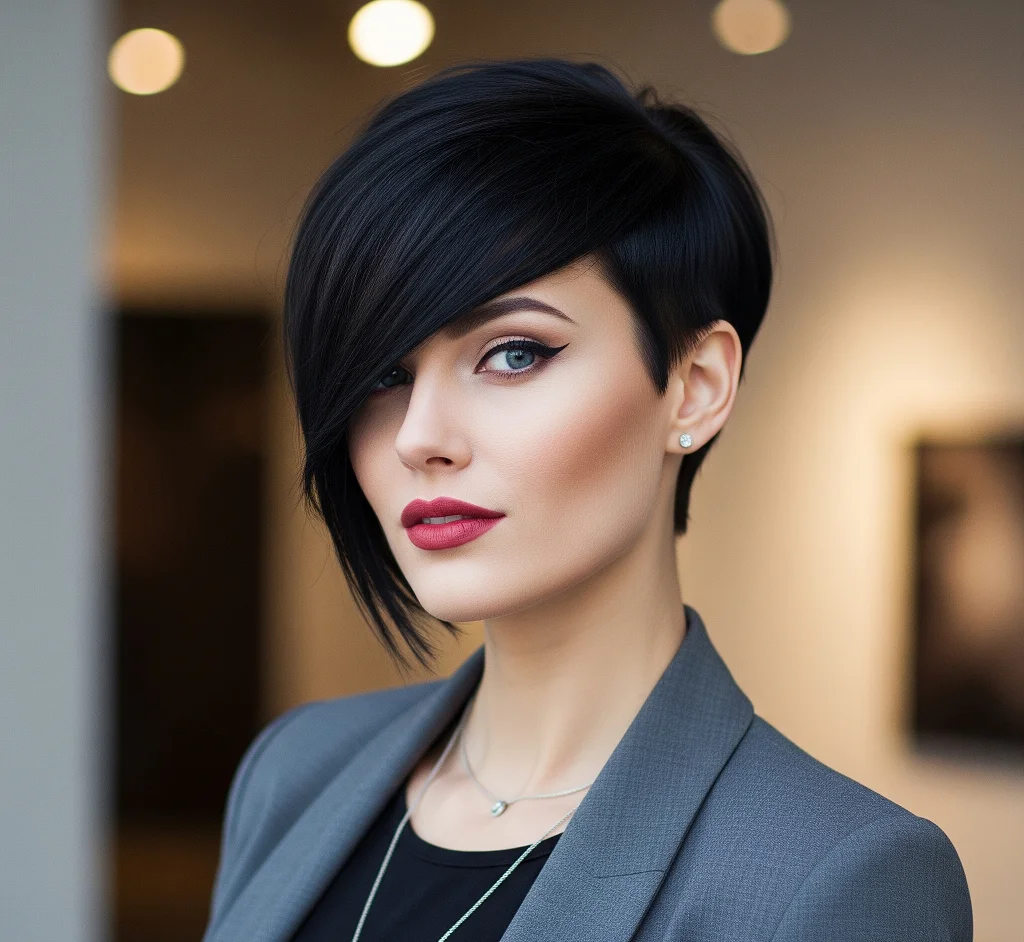
The asymmetrical pixie haircut has emerged as a bold and versatile statement in the world of short hairstyles. Characterized by its uneven length, typically with one side significantly shorter than the other, or with a dramatic side-swept fringe, this cut offers a dynamic and edgy aesthetic. Unlike traditional, symmetrical cuts, the asymmetrical pixie introduces an element of surprise and individuality, allowing for a personalized look that can highlight specific facial features or add volume and texture where desired. Its inherent adaptability makes it a popular choice for those seeking a modern transformation that breaks away from conventional norms. This article delves into the nuances of the asymmetrical pixie, exploring how it can be tailored to complement various hair types and face shapes, ensuring a flattering and stylish outcome for everyone.
Asymmetrical Pixie for Different Hair Types
The beauty of the asymmetrical pixie lies in its adaptability, making it suitable for a wide range of hair textures and densities. Understanding how to customize the cut for each hair type is crucial for achieving the best results.
Fine Hair
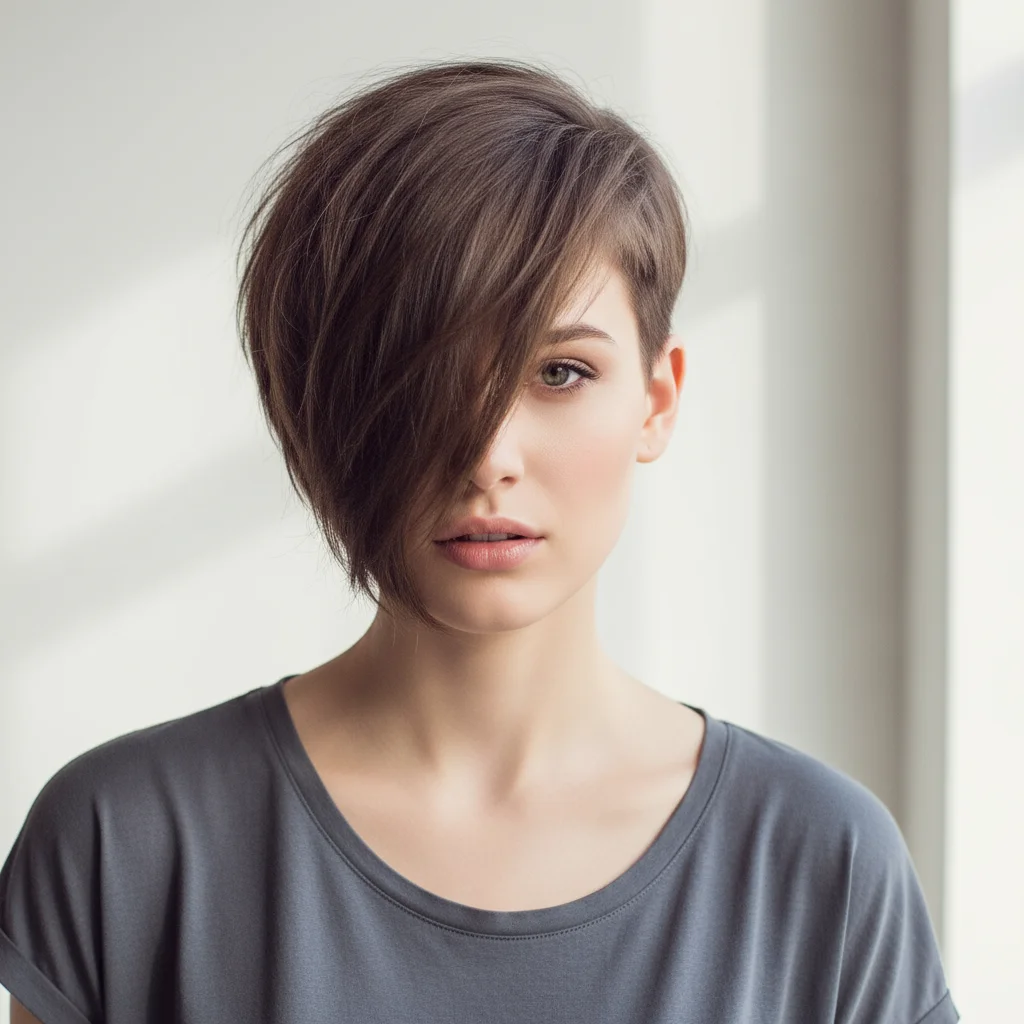
For individuals with fine hair, the asymmetrical pixie can be a game-changer, offering the illusion of greater volume and thickness. The key is to incorporate strategic layering and texturizing. A longer, swept-over fringe on one side can create a sense of fullness, while shorter layers on the opposite side can add lift at the roots. Avoiding overly blunt cuts is essential, as these can make fine hair appear even thinner. Instead, opt for soft, feathered ends that blend seamlessly, enhancing movement and body. Styling products like volumizing mousses or texture sprays can further amplify the desired effect, giving fine hair a more substantial look.
Thick Hair
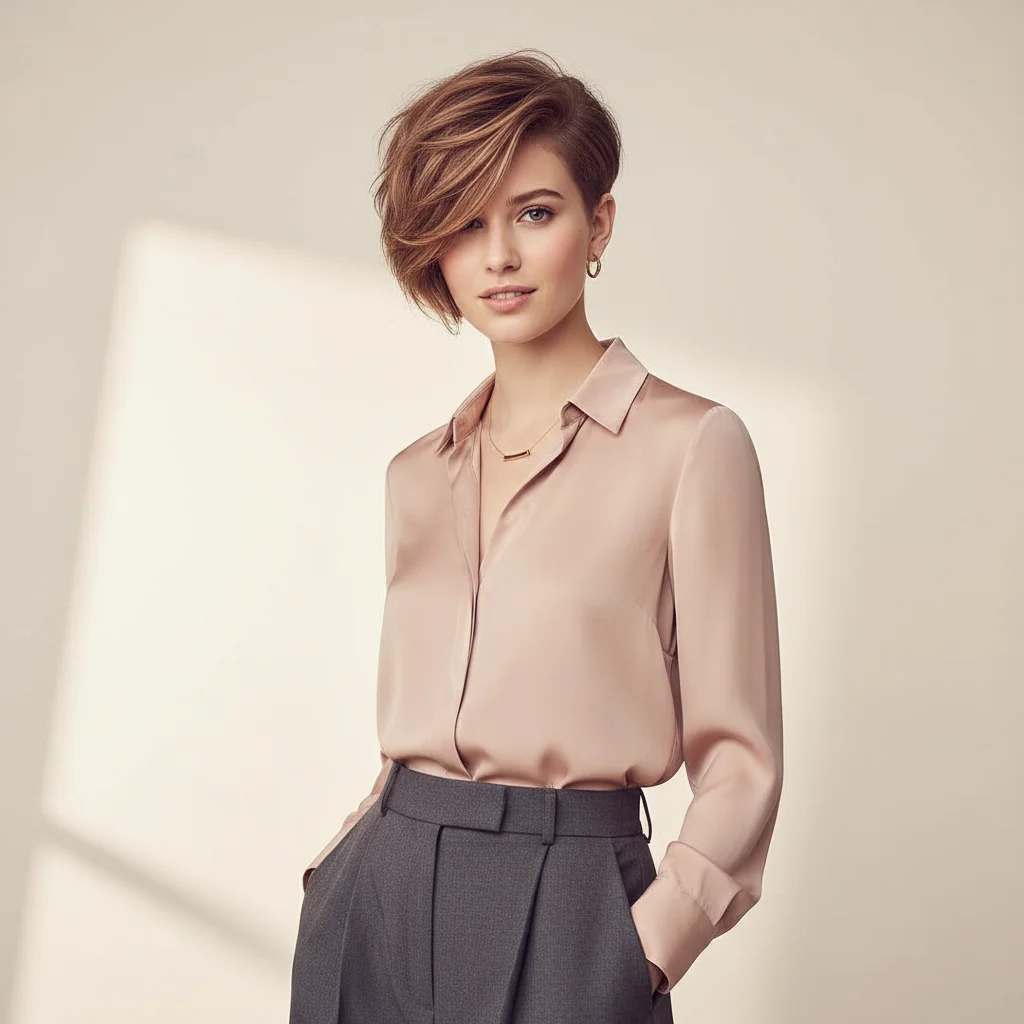
Thick hair, while often envied for its lushness, can sometimes be challenging to manage, especially in shorter styles. The asymmetrical pixie provides an excellent solution by removing bulk and creating a more streamlined silhouette. Heavy internal layering is vital to reduce density and prevent the cut from looking too blocky or helmet-like. An undercut on the shorter side can significantly lighten the load, allowing the longer sections to lay more smoothly. Textured ends and point cutting can also help to soften the overall shape and add movement. This approach ensures that the style remains chic and manageable, rather than overwhelming the face.
Wavy Hair
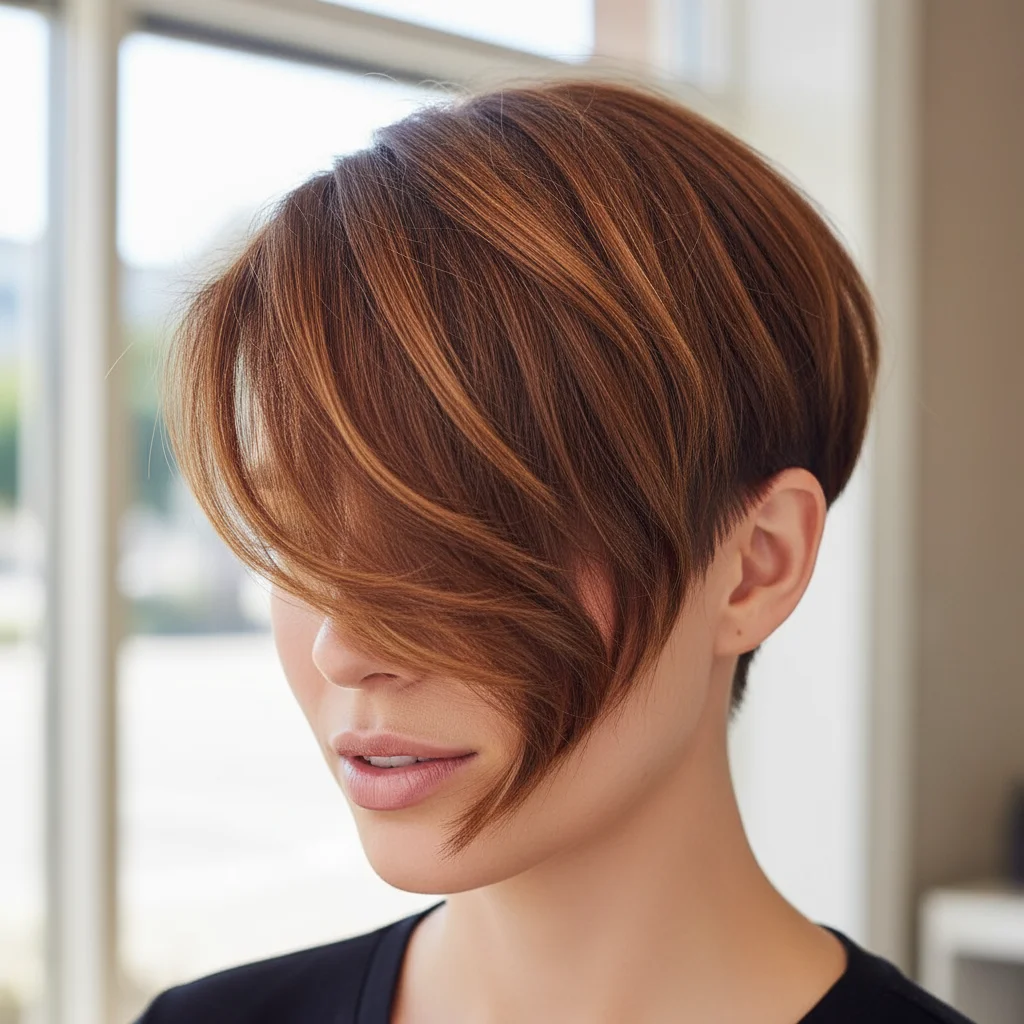
Naturally wavy hair can beautifully enhance the dynamic nature of an asymmetrical pixie. The inherent texture adds softness and movement, making the style appear effortlessly chic. For wavy hair, the cut should be designed to work with the natural curl pattern, not against it. Longer layers are generally preferred, especially in the fringe area, to allow the waves to form naturally without becoming too frizzy or unruly. A skilled stylist will know how to strategically cut into the waves to encourage their natural flow and prevent the hair from looking too triangular. Air-drying or diffusing with a light-hold product can help define the waves and maintain the style’s relaxed yet polished appeal.
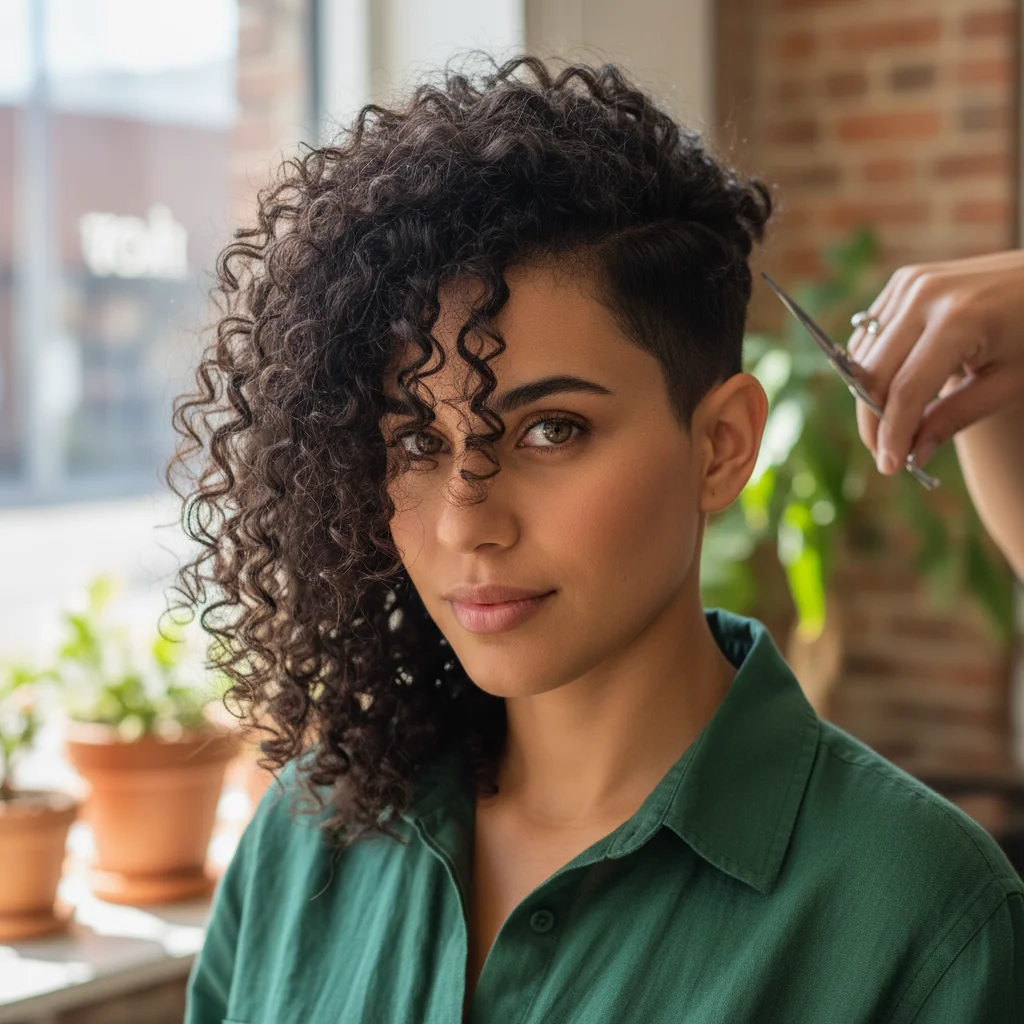
Curly Hair
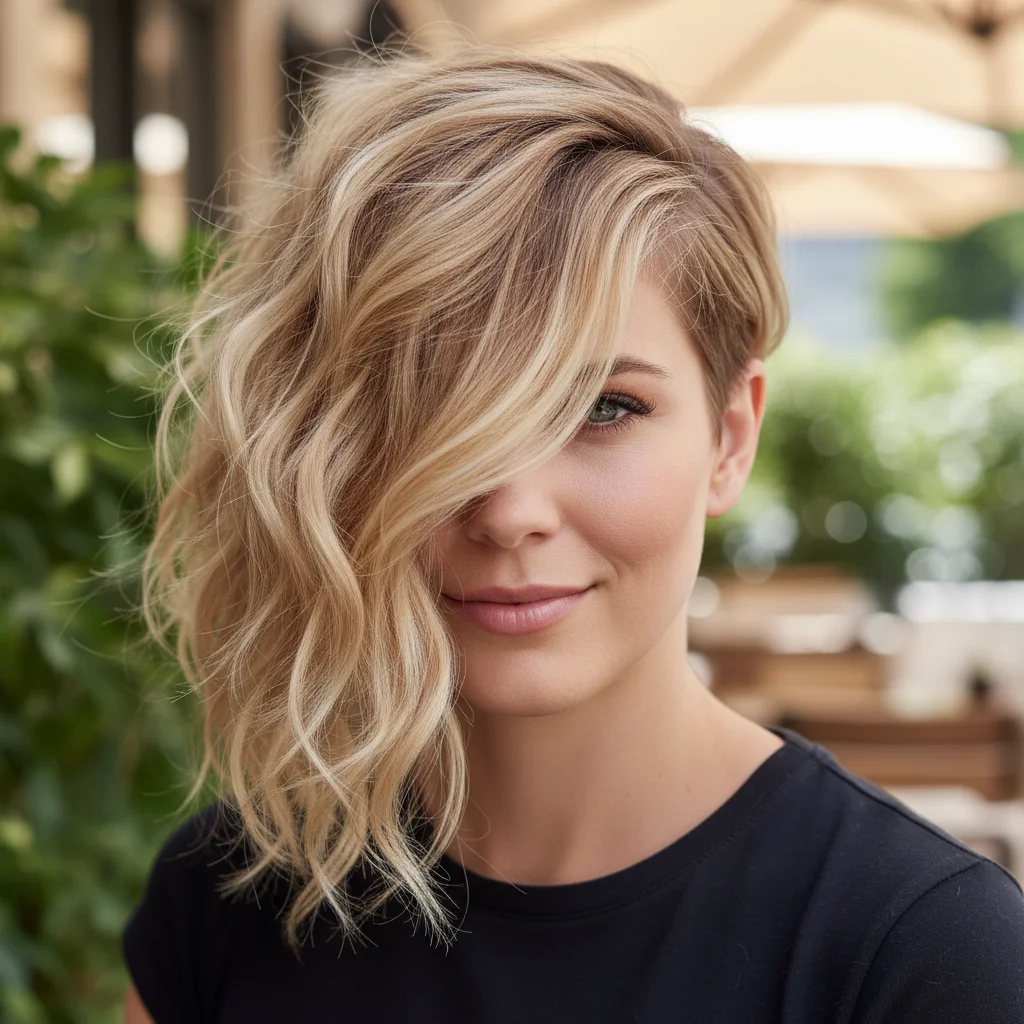
An asymmetrical pixie on curly hair can be incredibly striking, showcasing the unique texture and bounce of the curls. The challenge lies in ensuring the cut complements the curl pattern and avoids excessive volume in unwanted areas. It’s crucial to cut curly hair dry, allowing the stylist to see how the curls naturally fall and adjust the length accordingly. Longer sections on one side can provide a beautiful frame for the face, while the shorter side can be tapered to create a clean, edgy contrast. Diffusing with a curl-defining cream or gel is recommended to enhance the curl definition and minimize frizz, resulting in a vibrant and stylish look that celebrates the hair’s natural texture.
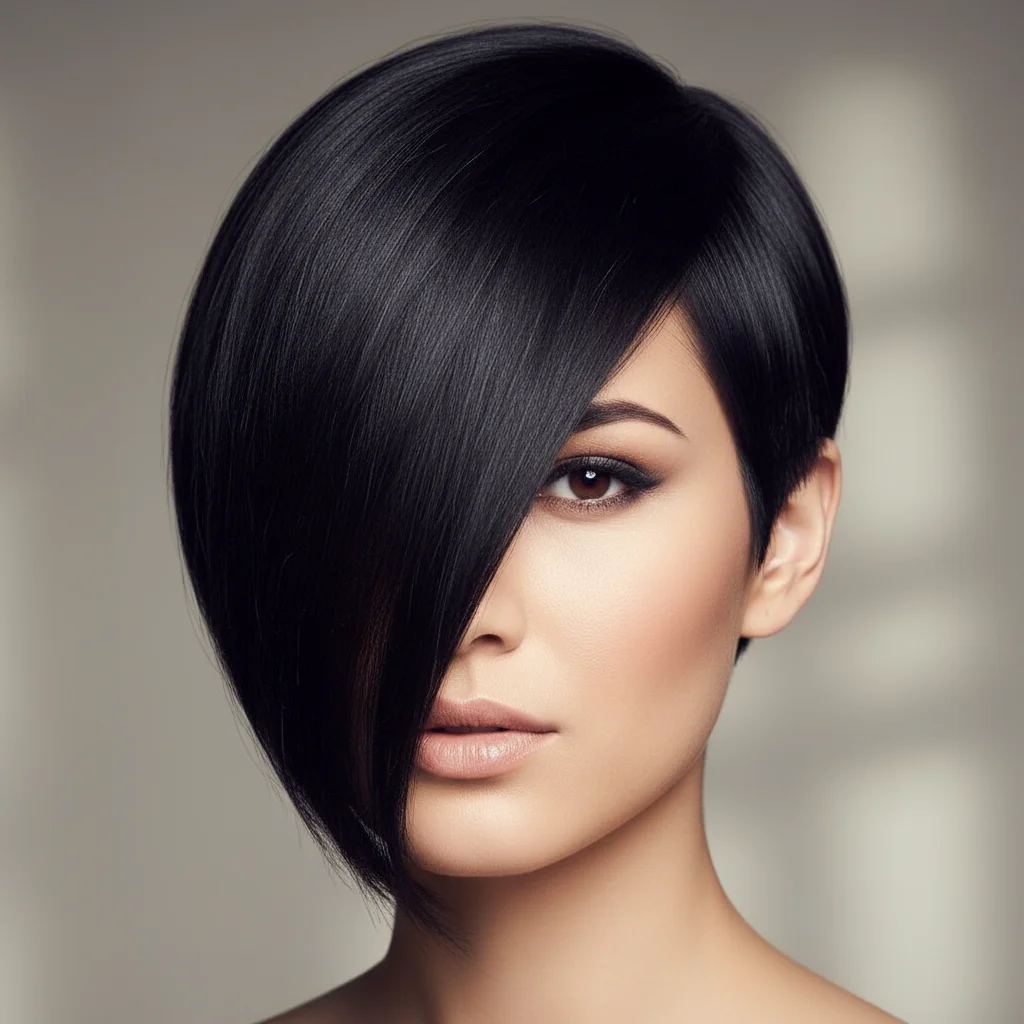
Straight Hair
Straight hair offers a sleek canvas for the sharp lines and precise angles of an asymmetrical pixie. The clean lines of this hair type can emphasize the dramatic contrast inherent in the asymmetrical cut. For straight hair, precision cutting is paramount to ensure the asymmetry is well-defined and impactful. Texturizing the ends can add a subtle softness and prevent the style from looking too severe. A longer, sweeping fringe can create a sophisticated and elegant look, while a shorter, more edgy side can highlight the jawline or cheekbones. Styling with a flat iron can further enhance the sleekness and definition of the cut, making it a polished and modern choice.
Asymmetrical Pixie for Different Face Shapes
The asymmetrical pixie’s versatility extends to its ability to flatter a multitude of face shapes. The strategic placement of length and volume can enhance desirable features and balance proportions, creating a harmonious and aesthetically pleasing look.
Oval Face
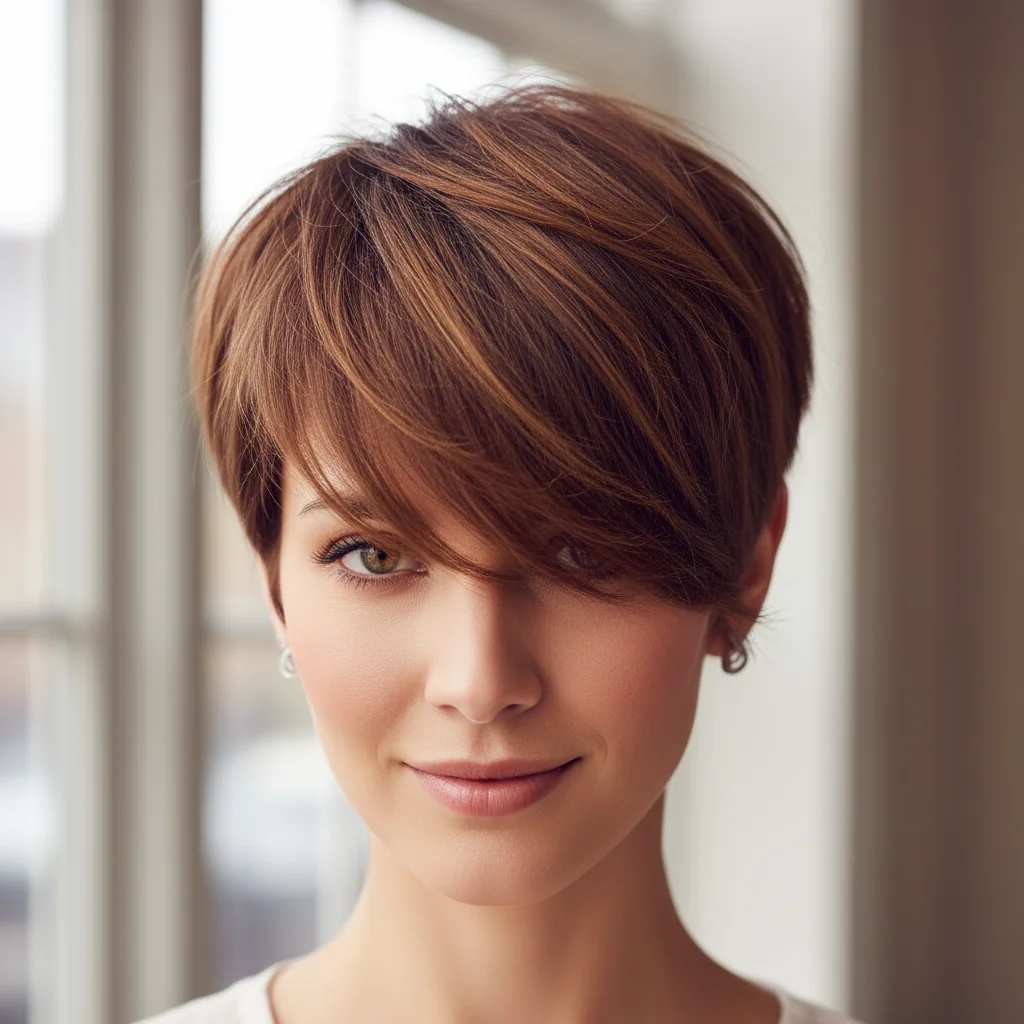
Considered the most versatile face shape, oval faces can pull off almost any hairstyle, and the asymmetrical pixie is no exception. The balanced proportions of an oval face allow for a wide range of asymmetrical styles, from subtle variations to more dramatic contrasts. A longer, side-swept fringe can beautifully highlight the eyes and cheekbones, while the shorter side can be tailored to emphasize the jawline. Experimentation with different lengths and textures is encouraged, as the oval face provides a perfect canvas for showcasing the dynamic nature of this cut.
Round Face
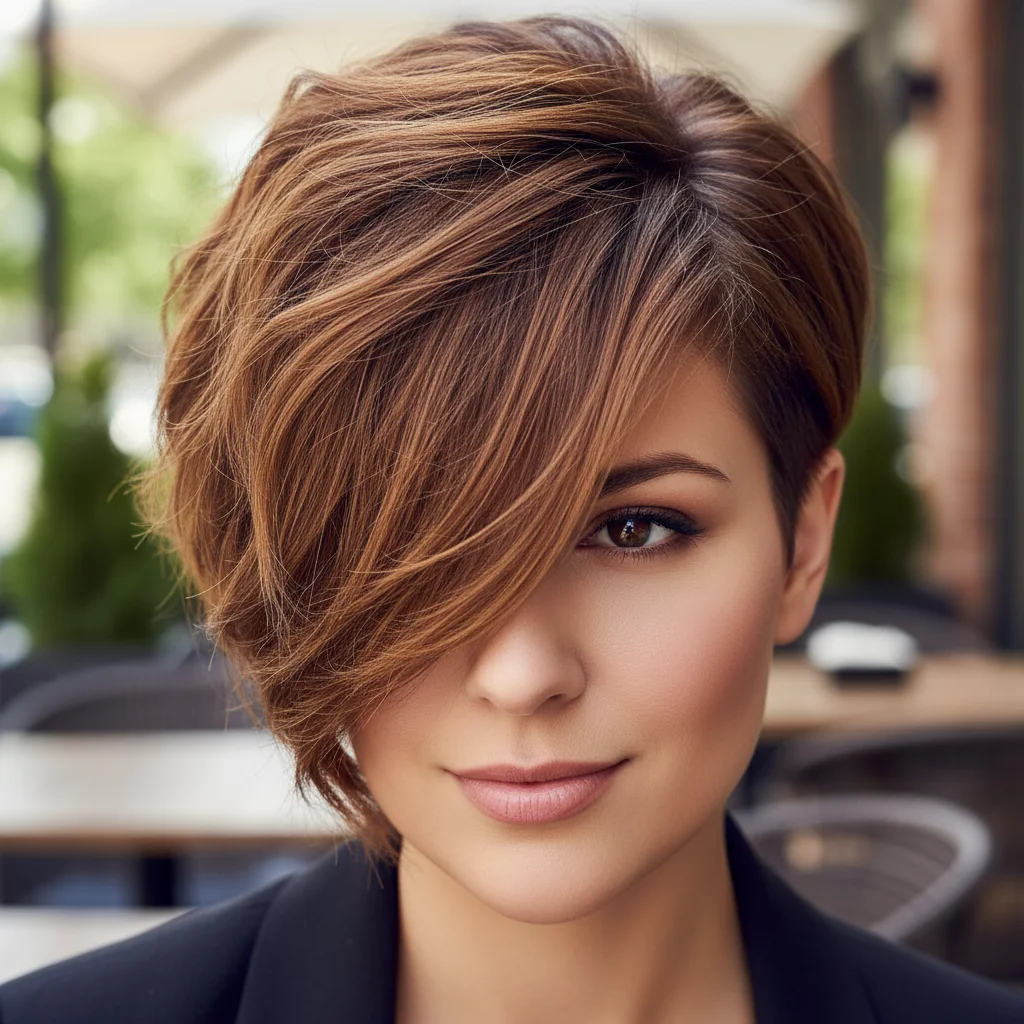
For round faces, the goal is to create the illusion of length and angularity, counteracting the natural softness. An asymmetrical pixie can achieve this by adding height at the crown and incorporating sharp angles. A longer, side-swept fringe that extends past the cheekbones can help to slim the face, while a shorter, tapered side can create a more defined silhouette. Avoid styles that add width at the sides or have blunt, rounded edges, as these can accentuate the roundness. Layers that fall strategically around the face can also help to break up the circular shape, adding definition and elongating the appearance of the face.
Square Face
Square faces are characterized by strong, angular jawlines and foreheads. The asymmetrical pixie can soften these features while still celebrating the face’s inherent strength. The key is to introduce curves and softness to balance the sharp angles. A longer, sweeping fringe that cascades across the forehead and cheekbones can soften the jawline and draw attention to the eyes. Layers around the face should be soft and feathered, avoiding blunt cuts that can emphasize the angularity. The asymmetry itself helps to break up the symmetrical lines of a square face, creating a more dynamic and less rigid appearance.
Heart-Shaped Face
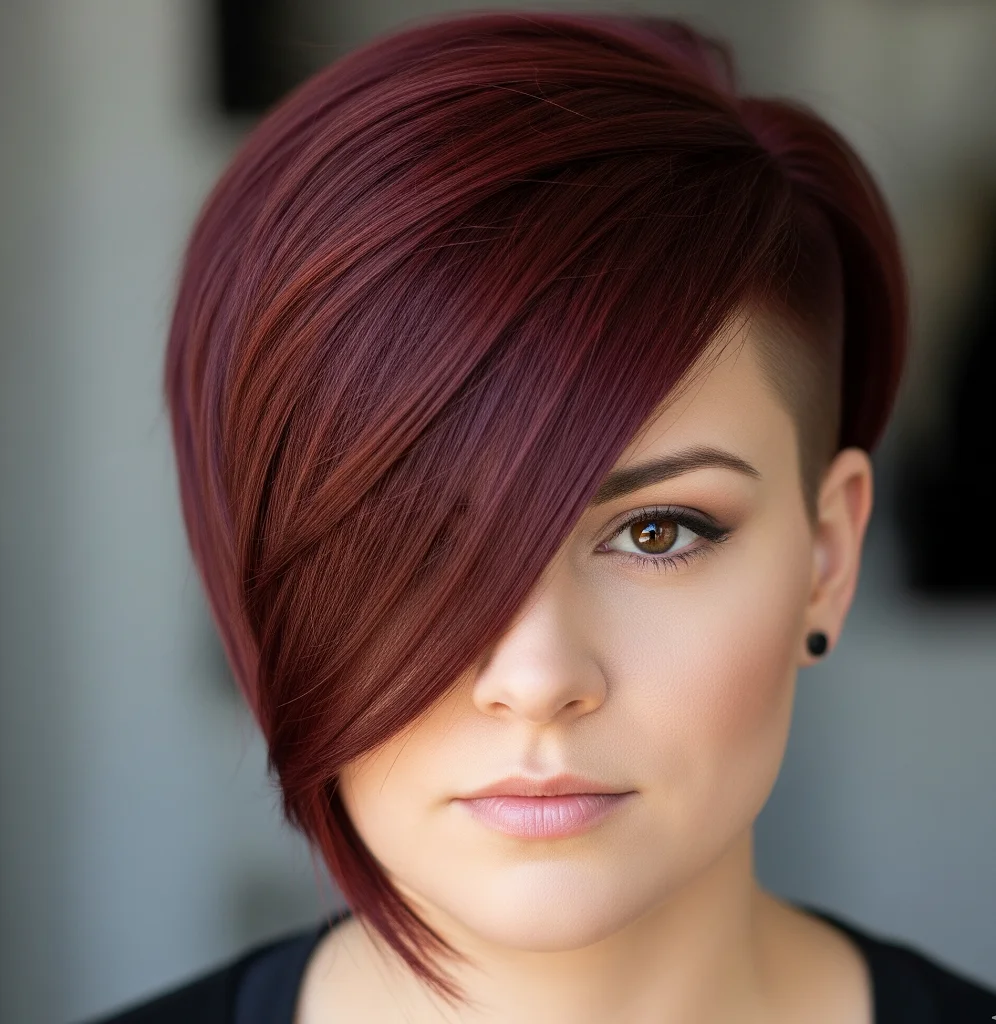
Heart-shaped faces typically have a wider forehead and a narrower, pointed chin. The asymmetrical pixie can balance these proportions by adding width around the jawline and minimizing emphasis on the forehead. A longer, side-swept fringe that gently frames the forehead can soften its width, while volume and length around the chin area can create a more balanced silhouette. Avoid styles that are too short or voluminous at the crown, as this can further emphasize the wider forehead. Soft, wispy layers around the face can also help to create a more harmonious look, drawing attention away from the chin.
Long/Oblong Face
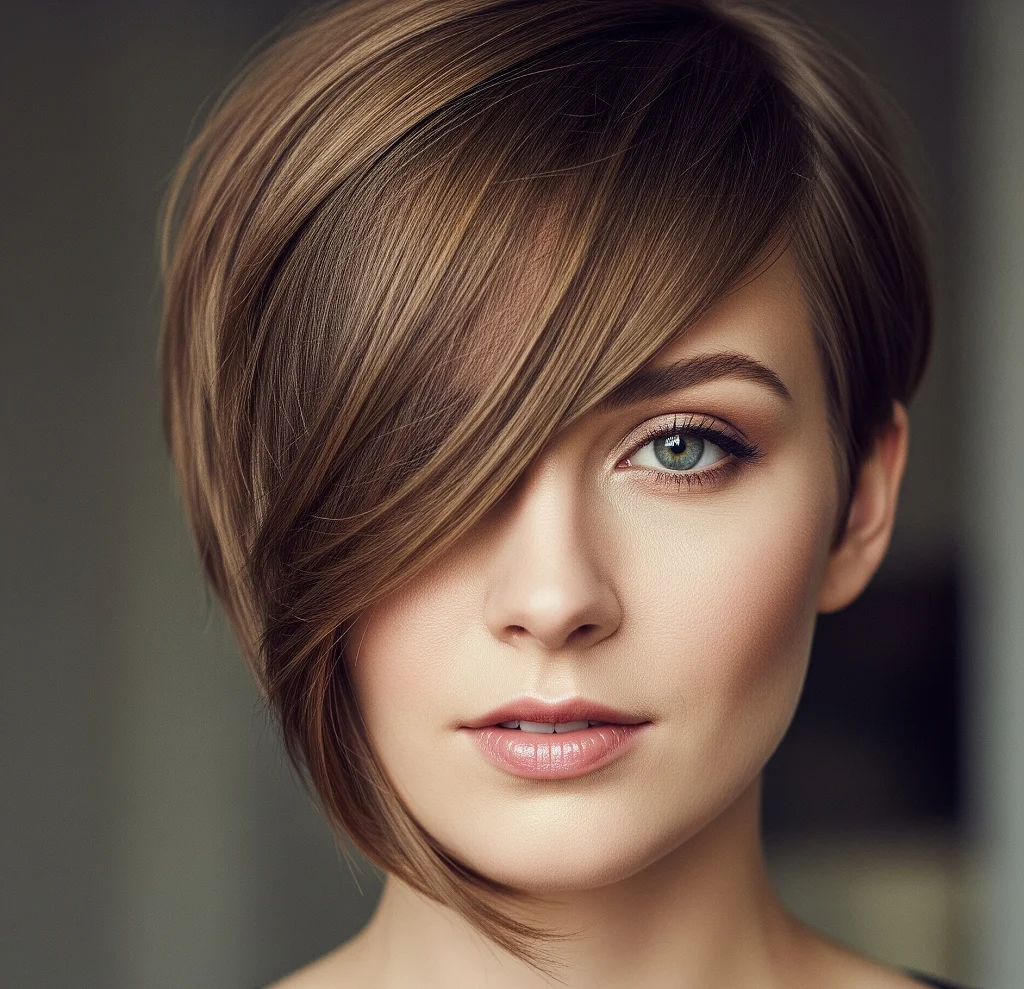
Long or oblong faces benefit from styles that add width and reduce the appearance of length. An asymmetrical pixie can achieve this by incorporating volume at the sides and avoiding excessive height at the crown. A longer, side-swept fringe or bangs that fall across the forehead can visually shorten the face. Layers that add fullness around the ears and cheekbones can also help to create a wider, more balanced appearance. Avoid straight, sleek styles that can further elongate the face. The asymmetry itself can also help to break up the vertical lines of a long face, adding visual interest and a sense of proportion.
Summary of Asymmetrical Pixie Recommendations
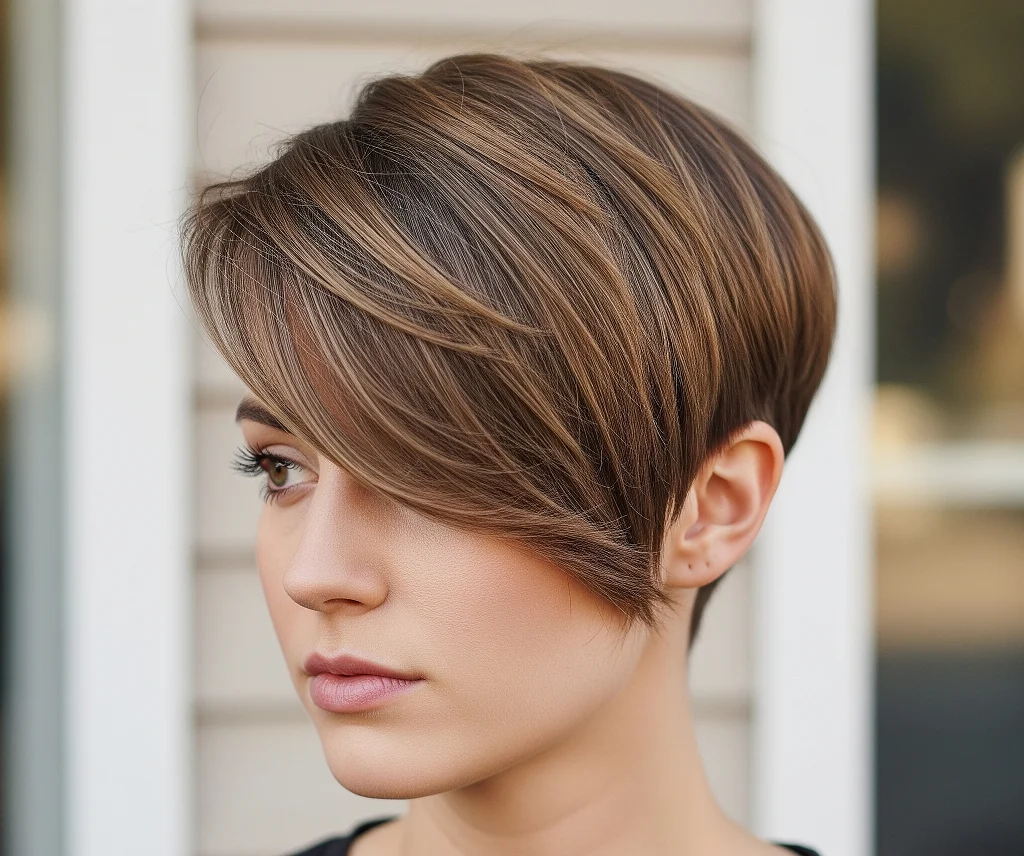
To provide a quick reference, the following table summarizes the key recommendations for asymmetrical pixie haircuts based on hair type and face shape:
| Hair Type / Face Shape | Key Considerations & Recommendations |
|---|---|
| Hair Types | |
| Fine Hair | Strategic layering, feathered ends, volumizing products, longer swept fringe. |
| Thick Hair | Heavy internal layering, undercuts, textured ends, point cutting. |
| Wavy Hair | Longer layers, work with natural curl pattern, air-drying/diffusing. |
| Curly Hair | Cut dry, longer sections on one side, tapered shorter side, curl-defining products. |
| Straight Hair | Precision cutting, texturizing ends, sleek styling, dramatic angles. |
| Face Shapes | |
| Oval Face | Highly versatile, experiment with lengths and textures, side-swept fringe. |
| Round Face | Add height at crown, sharp angles, long side-swept fringe, avoid blunt cuts. |
| Square Face | Introduce curves, soft feathered layers, sweeping fringe to soften jawline. |
| Heart-Shaped Face | Add width around jawline, gentle side-swept fringe, volume around chin. |
| Long/Oblong Face | Add width at sides, avoid excessive crown height, long fringe/bangs. |
Conclusion
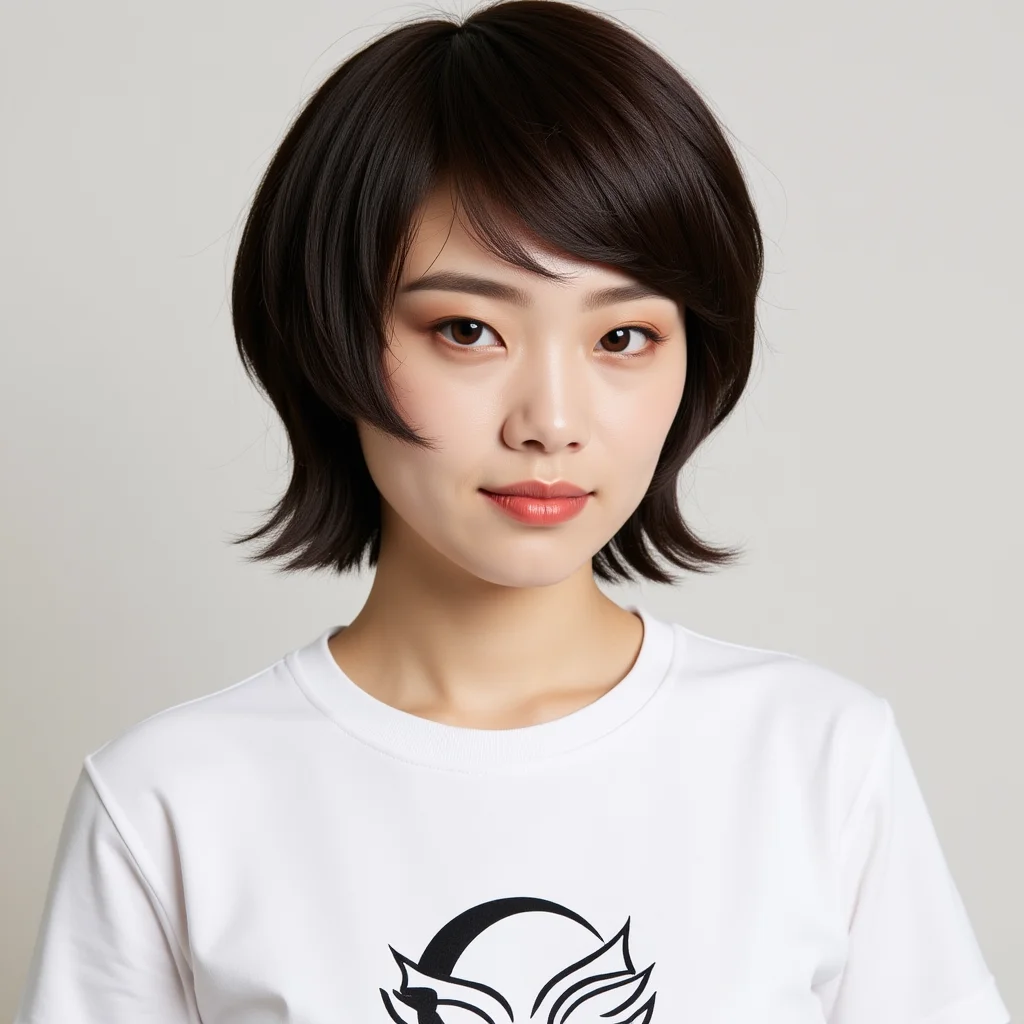
The asymmetrical pixie haircut is far more than just a trend; it is a versatile and empowering style that celebrates individuality and modern aesthetics. Its inherent flexibility allows for a myriad of interpretations, making it a suitable choice for nearly every hair type and face shape. By understanding the principles of asymmetry and how to adapt them to specific features, individuals can achieve a look that is not only fashionable but also uniquely flattering. Whether seeking to add volume to fine hair, reduce bulk in thick tresses, enhance natural waves and curls, or create striking lines on straight hair, the asymmetrical pixie offers a dynamic solution. Similarly, its ability to balance and enhance various face shapes—from the classic oval to the more defined square or heart-shaped—underscores its universal appeal. Ultimately, the success of an asymmetrical pixie lies in a collaborative effort between the individual and a skilled stylist, who can expertly tailor the cut to highlight personal beauty and express a bold sense of style. This haircut is a testament to the idea that short hair can be incredibly diverse, sophisticated, and full of character.